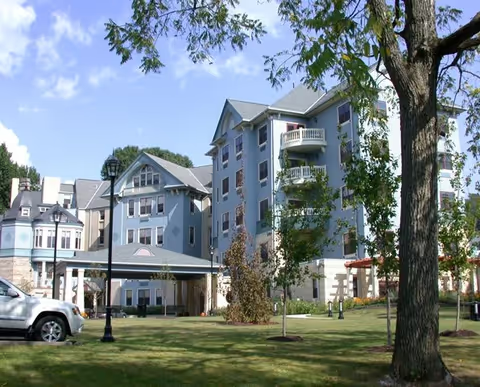
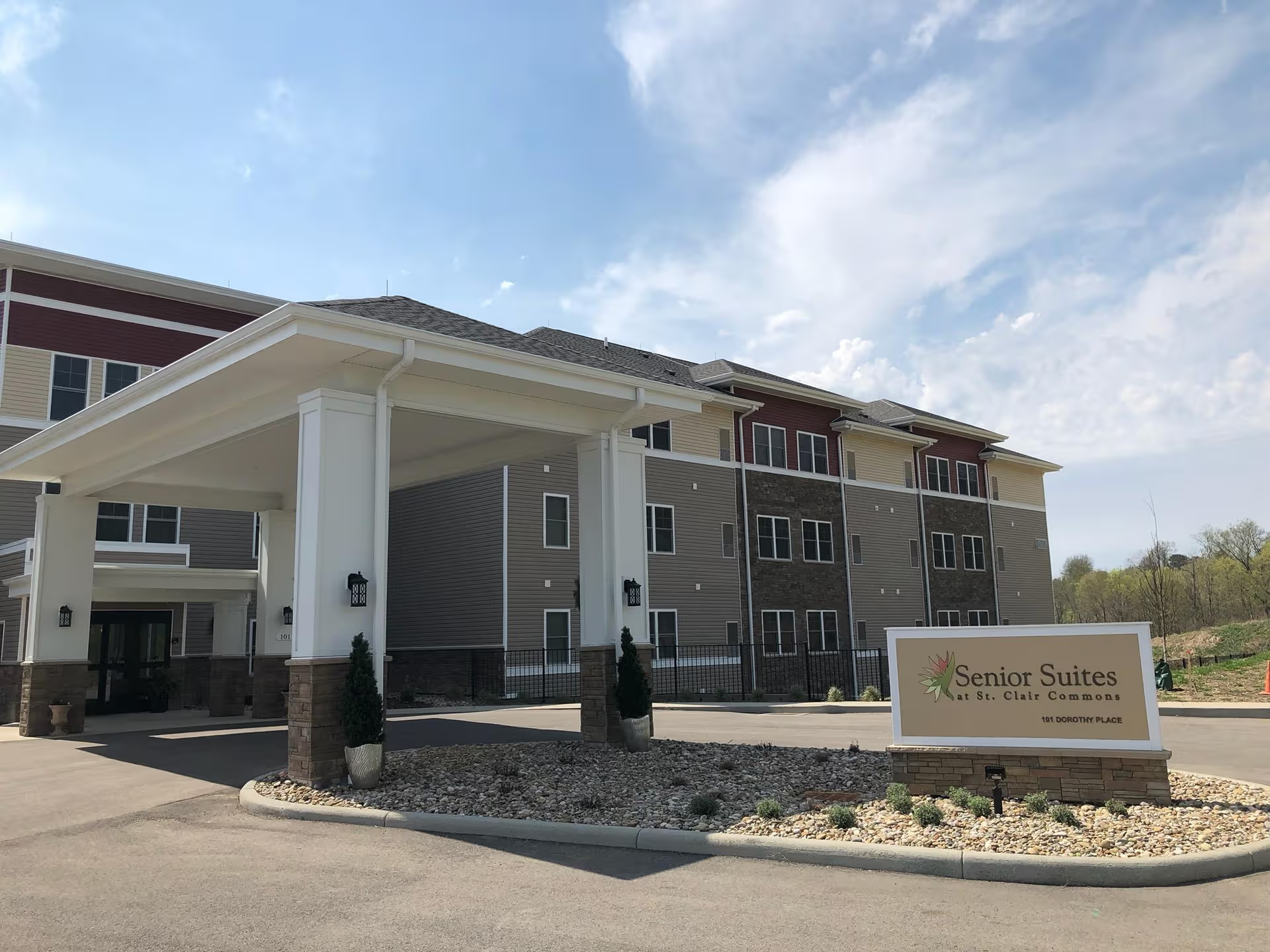
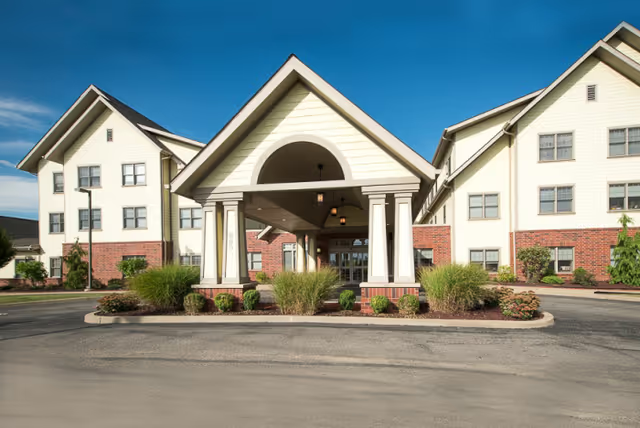
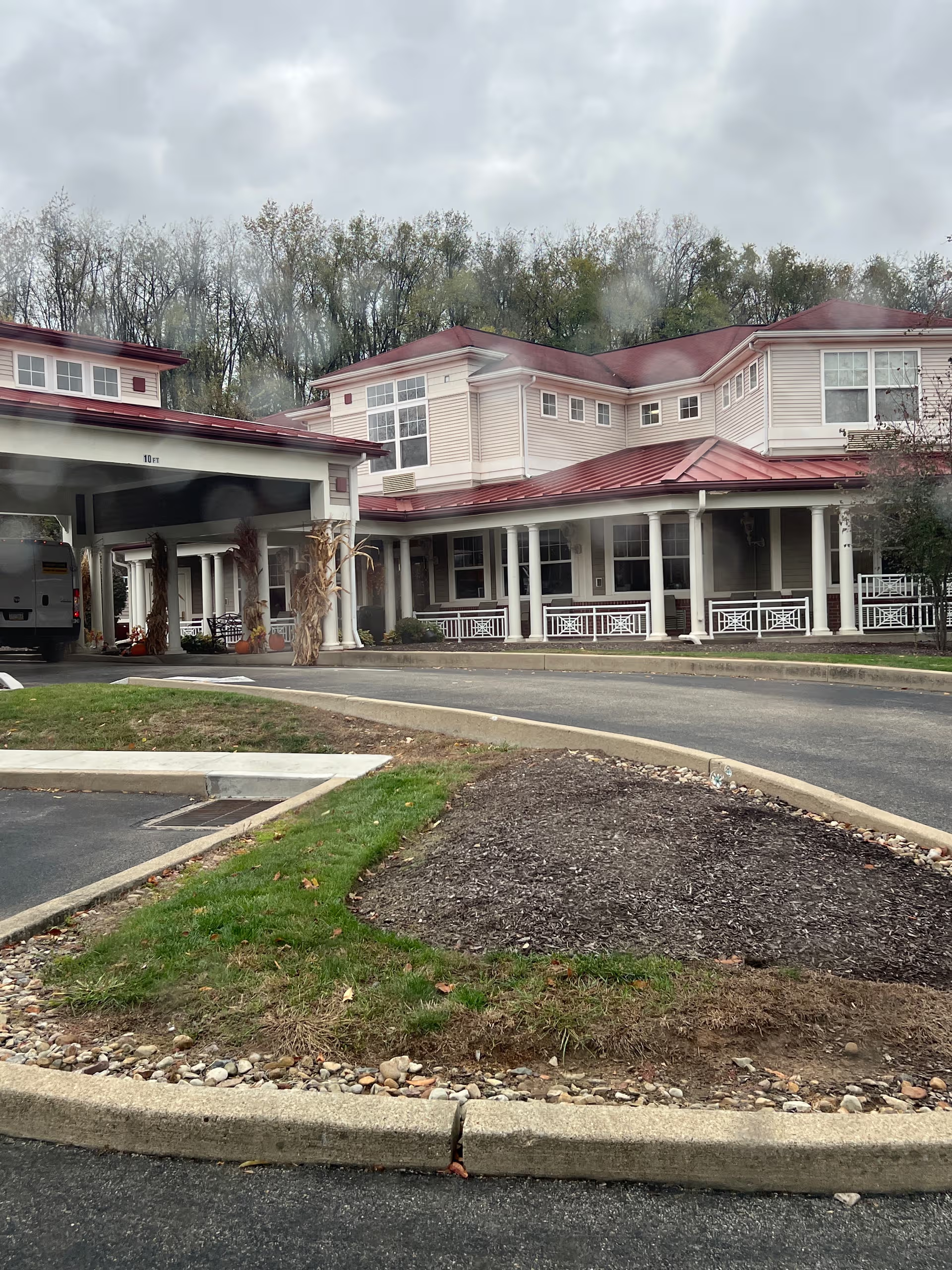
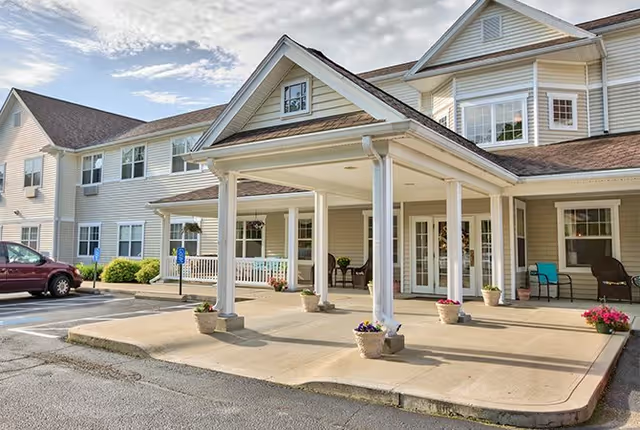
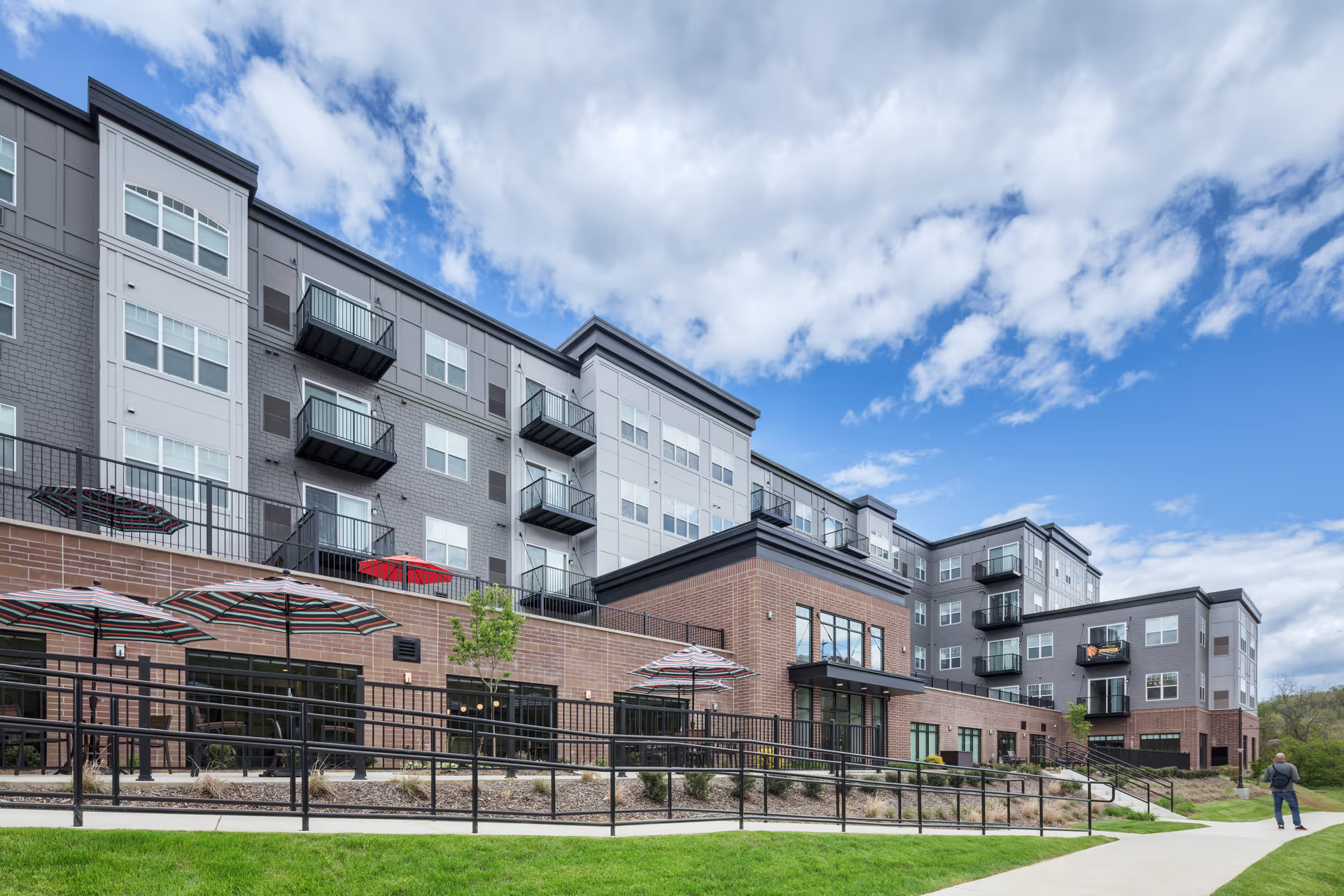
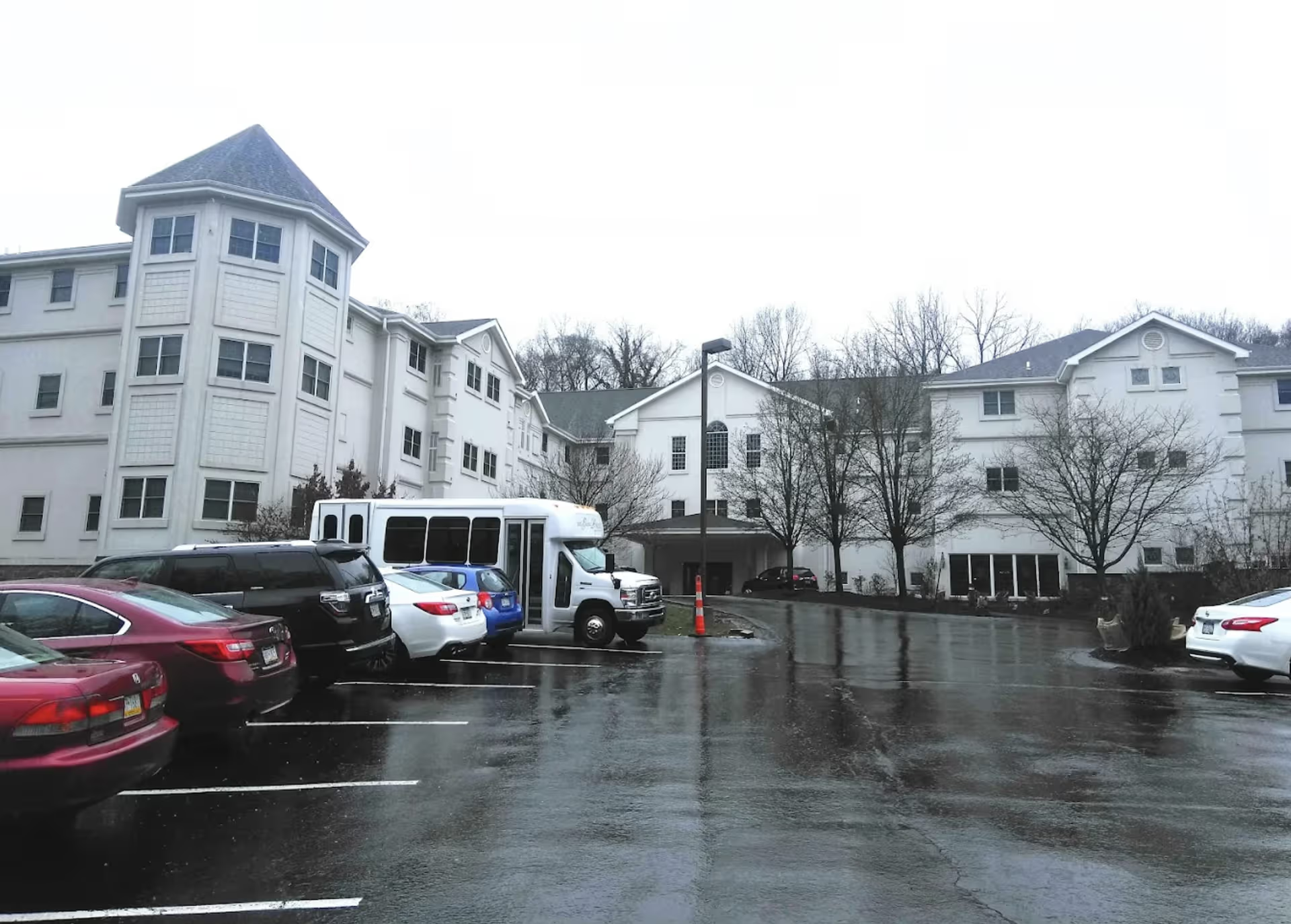
Overall impressions of Good Shepherd Nursing Home are mixed, with strong praise for frontline caregivers and notable operational weaknesses. Many families and visitors described staff as compassionate, professional, and skilled—particularly in dementia care and end-of-life support—highlighting attentive CNAs, helpful nursing staff, and personalized assistance such as equipment training for families. Reviewers also frequently commended the facility’s cleanliness in many areas, the presence of an attractive chapel and spiritual programming, accessible location with free parking, and pleasant dining spaces that are sometimes decorated seasonally.
At the same time, a consistent pattern of operational concerns emerges. Staffing levels and continuity are a recurrent issue: reviewers cited chronic understaffing, frequent turnover, and slow responses during rounds, which translate into delays in attending to resident needs. These staffing pressures are linked to gaps in medication-administration and reporting processes and to inconsistent activity programming that leaves some residents with limited engagement. Several comments point to weaknesses in how the facility secures personal belongings and manages resident property, creating family concern about missing items.
Facility condition and safety are additional areas of divergence. While many found the interior well maintained, others described aging infrastructure, room-privacy deficits, and odor concerns in parts of the building. There are also operational gaps in behavioral-safety management for residents who present challenging behaviors; combined with some comments that existing security measures did not always seem effective, this created unease for a subset of visitors and families. Communication and leadership were also cited as problematic at times—examples include miscommunication around care plans, transfers, and responses to critical incidents—indicating opportunities for stronger administrative oversight and family engagement.
For prospective residents and families, the principal strengths of Good Shepherd are its experienced, compassionate caregiving staff, dementia-care competence, spiritual resources, and generally pleasant dining and common areas. The principal risks to evaluate in person are staffing consistency, medication-control processes, personal-property safeguards, and the condition/privacy of resident rooms. Visiting at different times of day to observe staffing levels and rounds, asking for details about medication policies and behavior-safety protocols, and discussing family communication channels with leadership will help clarify whether the facility’s strengths align with an individual’s care needs and expectations.