Reviews present a split picture: many families describe attentive, compassionate caregivers, strong therapy services, and responsive leadership, while other accounts raise substantive operational concerns. Positive commentary centers on individual staff members and teams who provide warm, resident-focused care; skilled rehabilitation and therapy; a professional activities program that includes daily therapy-dog visits and meaningful patient experiences; and leadership that some families find responsive and effective. These strengths are concentrated in specific units and shifts and are experienced as high-quality, coordinated care when staffing and communication are functioning well.
Care quality is mixed. Several families praise competent, caring CNAs, nurses, and therapists and describe effective teamwork that supports rehabilitation and daily needs. At the same time, there are sustained concerns about delays in attending to basic needs and call-light response times tied to understaffing. Reviewers also describe inconsistencies in medication administration and documentation; these are raised as clinical-safety concerns that warrant careful family inquiry and oversight. A small number of reviewers described serious end-of-life care concerns and poor outcomes, and some made strong allegations about lack of transparency and accountability in those situations.
Staff and management impressions are similarly divided. Many reviewers commend individual staff and single out administrative responsiveness, noting that leadership has addressed problems when engaged. However, other accounts indicate variable professionalism, poor tone or communication from certain staff, and perceptions that questions are deflected rather than fully answered. Families navigating concerns described both effective escalation to administration and instances where communication processes (including front-desk and phone responsiveness) were unsatisfactory.
Dining and activities show contrasting experiences. The activities program is consistently described as a strength when staffed and organized, with professional activities staff and engaging offerings. Dining quality is inconsistent across reports: some families describe acceptable meals and attentive service, while others note missed meals, meal-service gaps, and dissatisfaction with food quality. These issues appear correlated with staffing fluctuations and shift coverage.
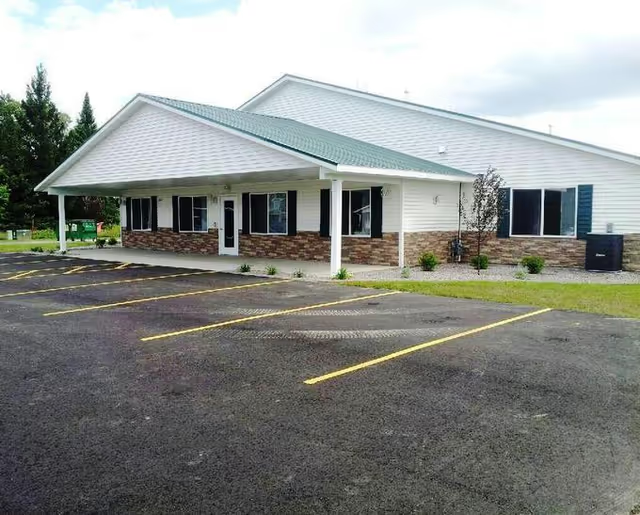
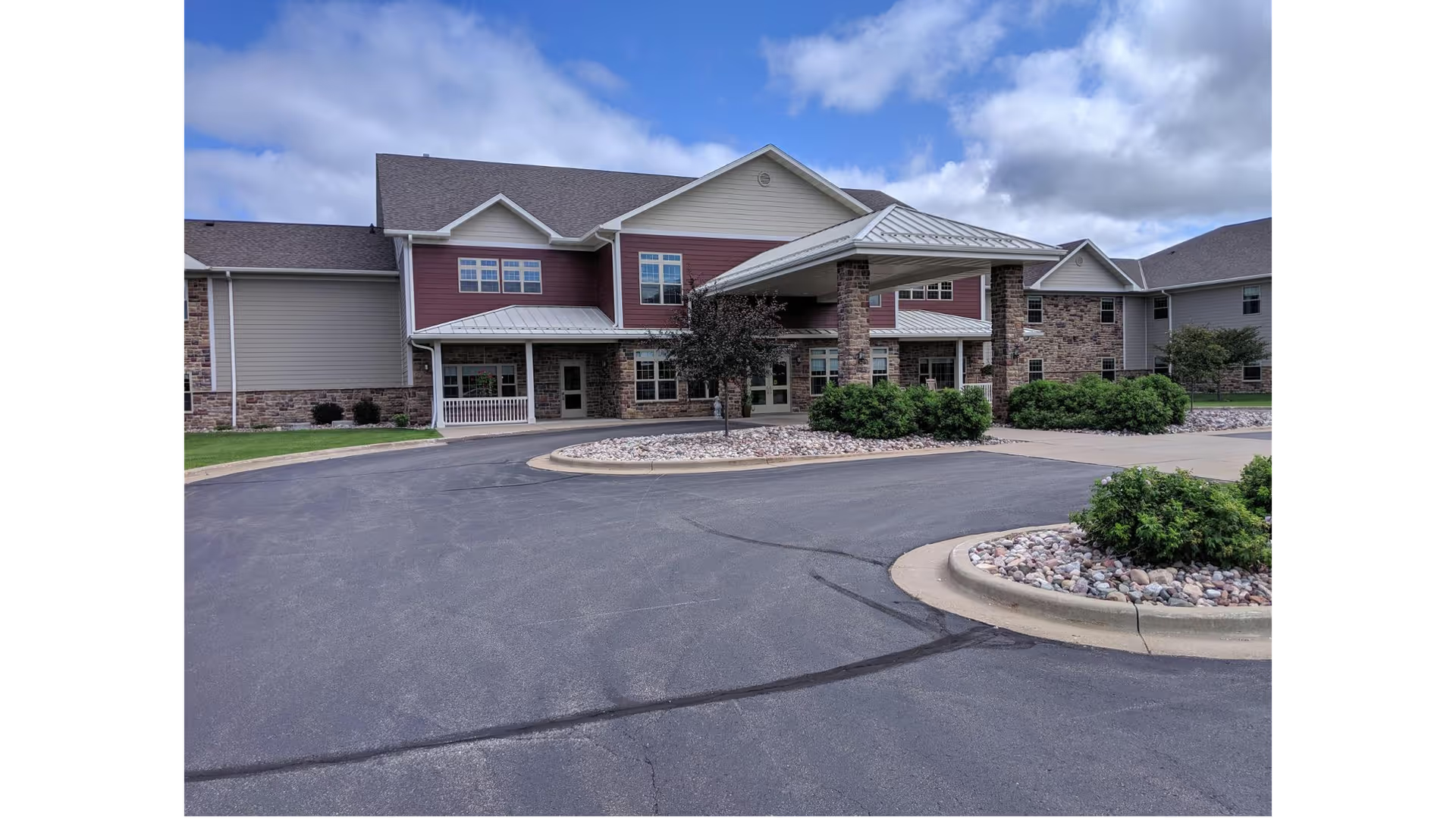
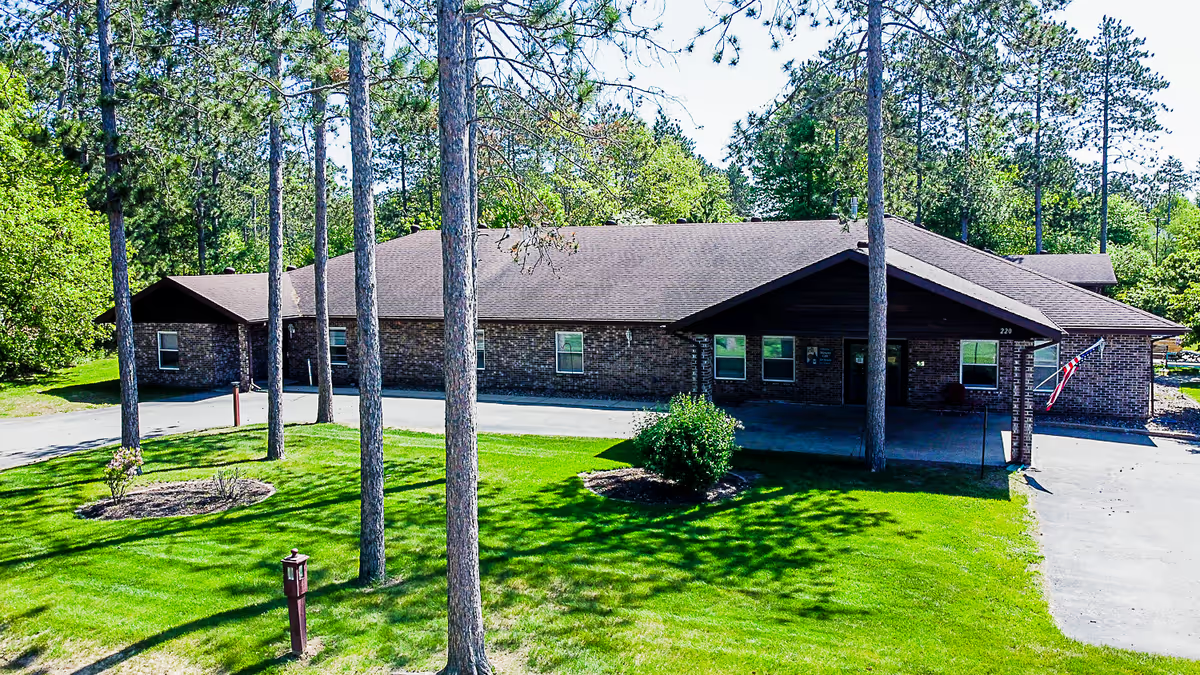
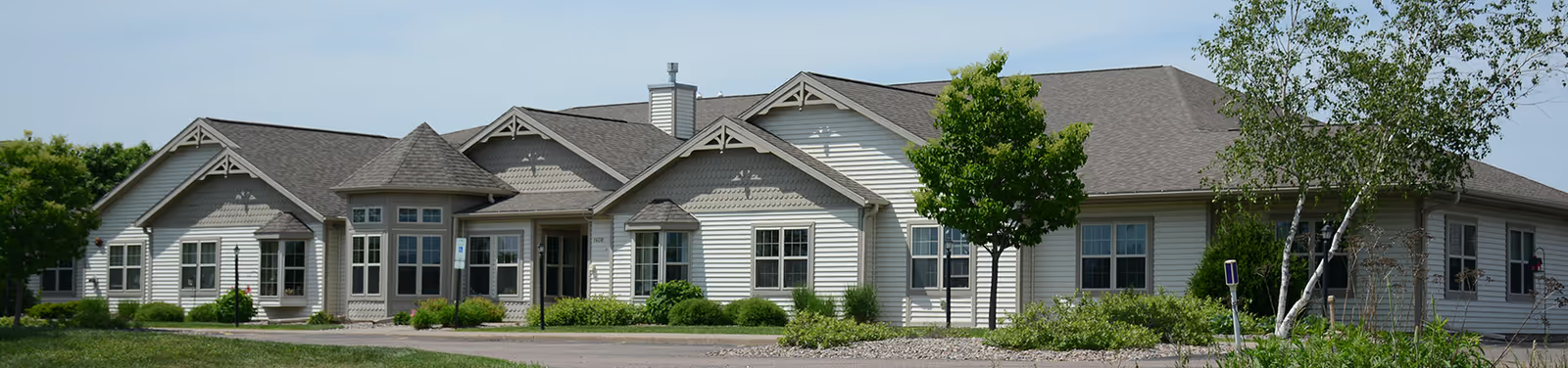
Facilities and sanitation feedback is mixed. Several reviewers note attractive decor and clean common areas, but others describe sanitation concerns, odor issues in particular units, and areas that appear outdated or in need of maintenance. Infection-control practices and COVID-unit management were specifically flagged by some families as an area they would want to review in person and discuss with administrators prior to placement.
Notable patterns: experiences at this facility appear polarized—family satisfaction tends to be high when staffing levels, communication, and unit management are stable; conversely, concerns cluster around service delays, inconsistent clinical controls (medication and hygiene care), and poor communication or accountability in adverse events. Industry-wide staffing pressures were referenced by several reviewers as context for some shortcomings. Prospective residents and families should inquire about current staffing ratios, call-response times, medication-safety protocols, infection-control procedures, recent inspection reports, and mechanisms for escalating concerns. Arranging a unit-level tour and speaking directly with unit staff and the administrator can help assess whether the facility’s stronger practices are present on the unit and shifts relevant to a specific resident.