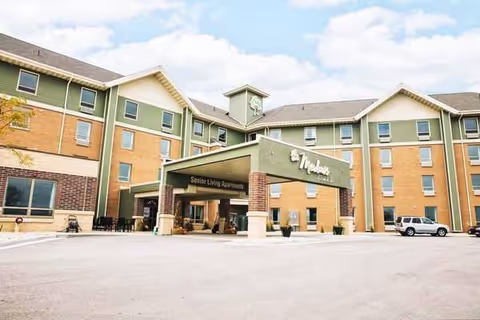
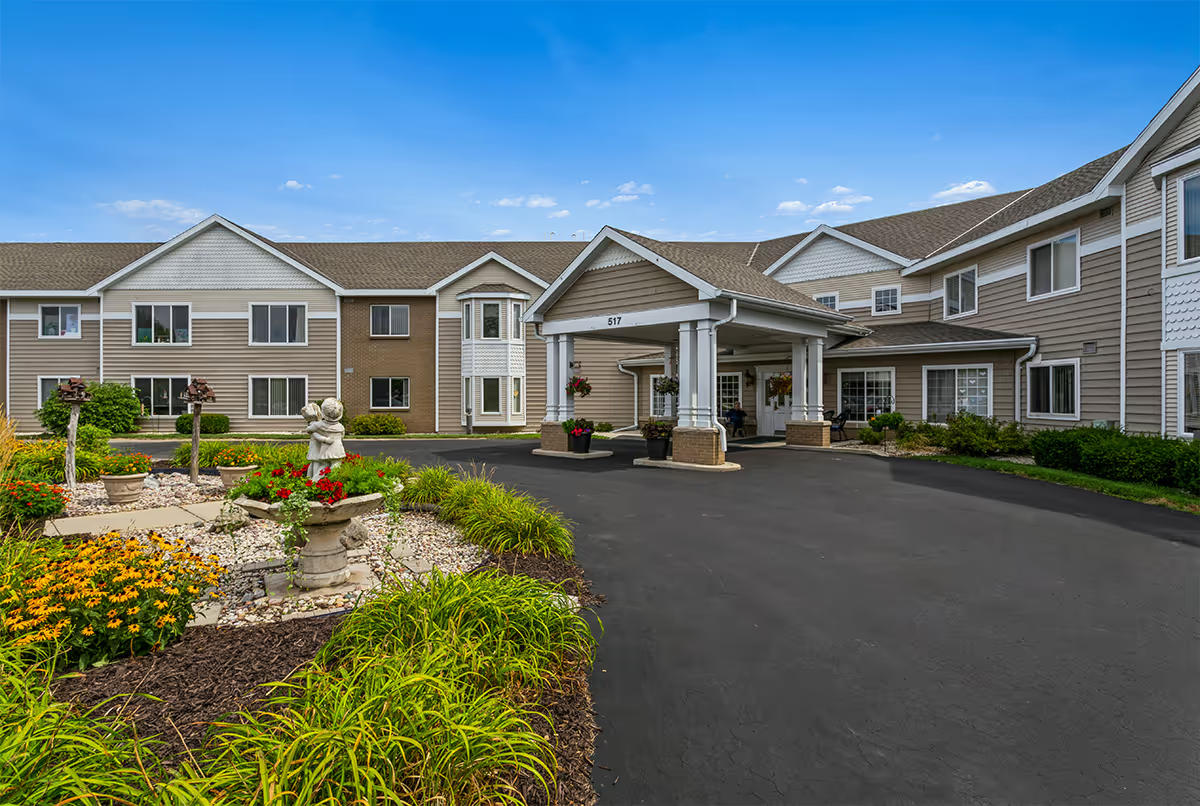
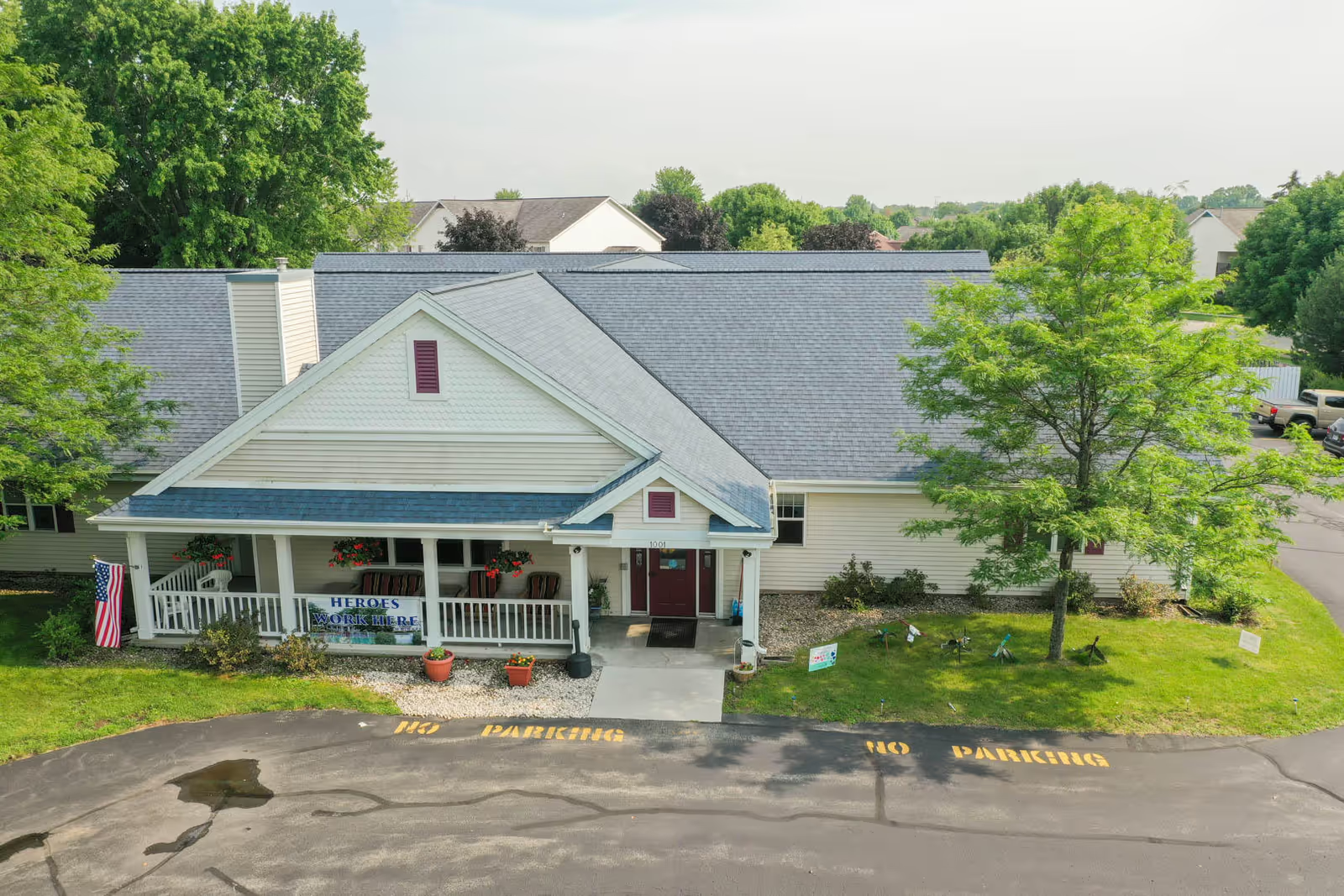
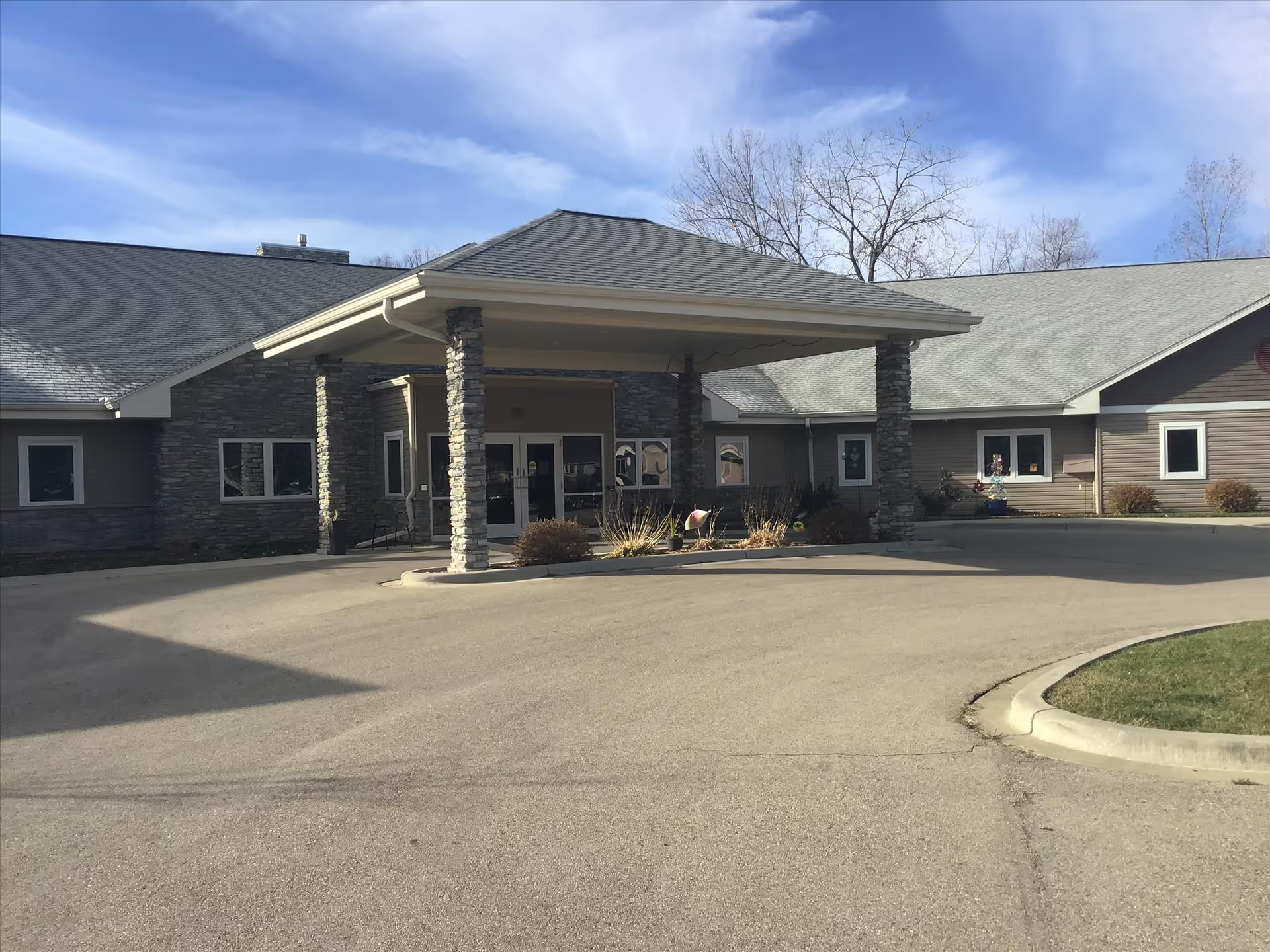
Anchor Communities II elicits a mixed set of impressions. Many comments highlight genuinely positive aspects: several reviewers described attentive, compassionate caregivers; a warm, family-like atmosphere; an engaged administrator; and a friendly resident community. Hospice and end-of-life services were called out positively, and some families appreciated home-style meals and the upkeep of resident rooms such as carpeting. These strengths suggest the facility can provide personalized, emotionally supportive care in many interactions.
At the same time, a number of operational patterns raise concerns that prospective families should evaluate closely. Staffing consistency and levels are a recurring issue: reviewers cited frequent understaffing, long shifts for employees, and scheduling practices that leave staff overextended. Those conditions were linked in reviews to gaps in training and clinical oversight, and to a perceived risk in medication administration processes. Families should therefore ask about staffing ratios, staff turnover, training protocols, and how medication administration is supervised and documented.
Dining and facilities present a mixed picture. While some praised home-cooked meals, others described inconsistent meal quality and sanitation or pest-control concerns in food-preparation areas. The common areas and resident interactions were generally described as warm and social, but maintenance and housekeeping practices — particularly in kitchen spaces — were flagged as areas needing attention.
Management and administrative practices are another prominent theme. Reviews referenced payroll irregularities, late or missing paychecks, and difficulty obtaining pay stubs; such issues point to broader payroll-management weaknesses that affect staff morale and stability. Multiple comments also raised concerns about favoritism or nepotism in staffing decisions, authoritarian supervisory styles, and limited investment in staff training. Privacy and security issues were noted as well, including extensive camera use and intrusive monitoring practices; reviewers also raised allegations of theft and property-security gaps. There are mentions of formal complaints to consumer and workforce agencies, which indicates that some concerns have progressed beyond informal feedback.
In sum, Anchor Communities II appears to deliver compassionate front-line caregiving and a supportive resident community in many instances, but prospective residents and families should conduct targeted due diligence on operational issues. Recommended inquiries include current staffing levels and ratios, staff training and supervision policies (especially for medication administration), incident-response procedures, privacy and surveillance policies, property-security measures, sanitation and kitchen inspection records, payroll and human-resources practices, and any regulatory or complaint history. Verifying these items will help determine whether the facility’s interpersonal strengths are matched by reliable administrative and clinical systems.