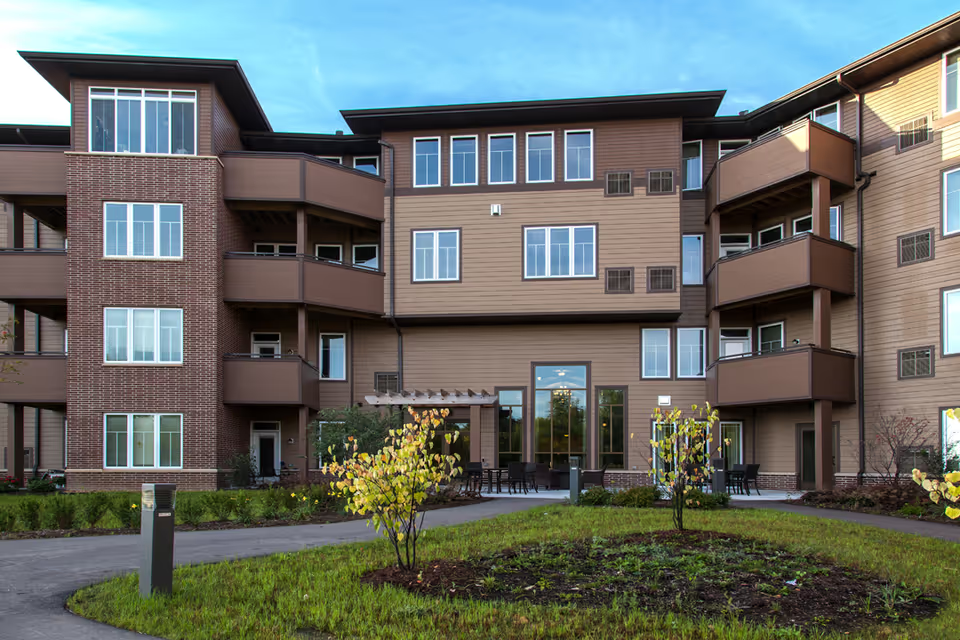
Overall assessment Reviews describe a facility with clear strengths in rehabilitation, amenities, and hospitality-style accommodations, alongside recurring operational weaknesses that families should weigh. The rehabilitation program (physical and occupational therapy) and many therapy staff receive consistent praise for improving independence. The campus environment—gardens, outdoor seating, visiting pets, and hotel-style common areas—combined with spacious private suites (some with kitchens and laundry) contributes to a residential, apartment-like feel that several families found attractive.
Care quality Care quality appears uneven. The rehab/short-term rehab areas are frequently described as well staffed and effective, while the longer-term skilled nursing or hospice areas show greater variability. Specific operational issues include delays in medication administration and in handling medication changes, inconsistent implementation of individualized care plans, and delays in personal-care assistance including toileting support. Reviewers also raised concerns about adherence to clinical safety protocols. These are not limited to single incidents but indicate inconsistent execution of clinical and daily-care processes across units.
Staff and culture Many reviewers praised individual caregivers, therapists, and case managers as attentive, compassionate, and professional; longevity of some staff was noted as a positive. At the same time, reviewers documented staffing shortages, high turnover, and uneven staff performance between floors. Several families described dismissive or defensive responses from management when clinical concerns were raised, and there are concerns about communication tone and equitable treatment in some interactions. Allegations of biased behavior and poor staff conduct were raised and suggest a need for clearer accountability and training.
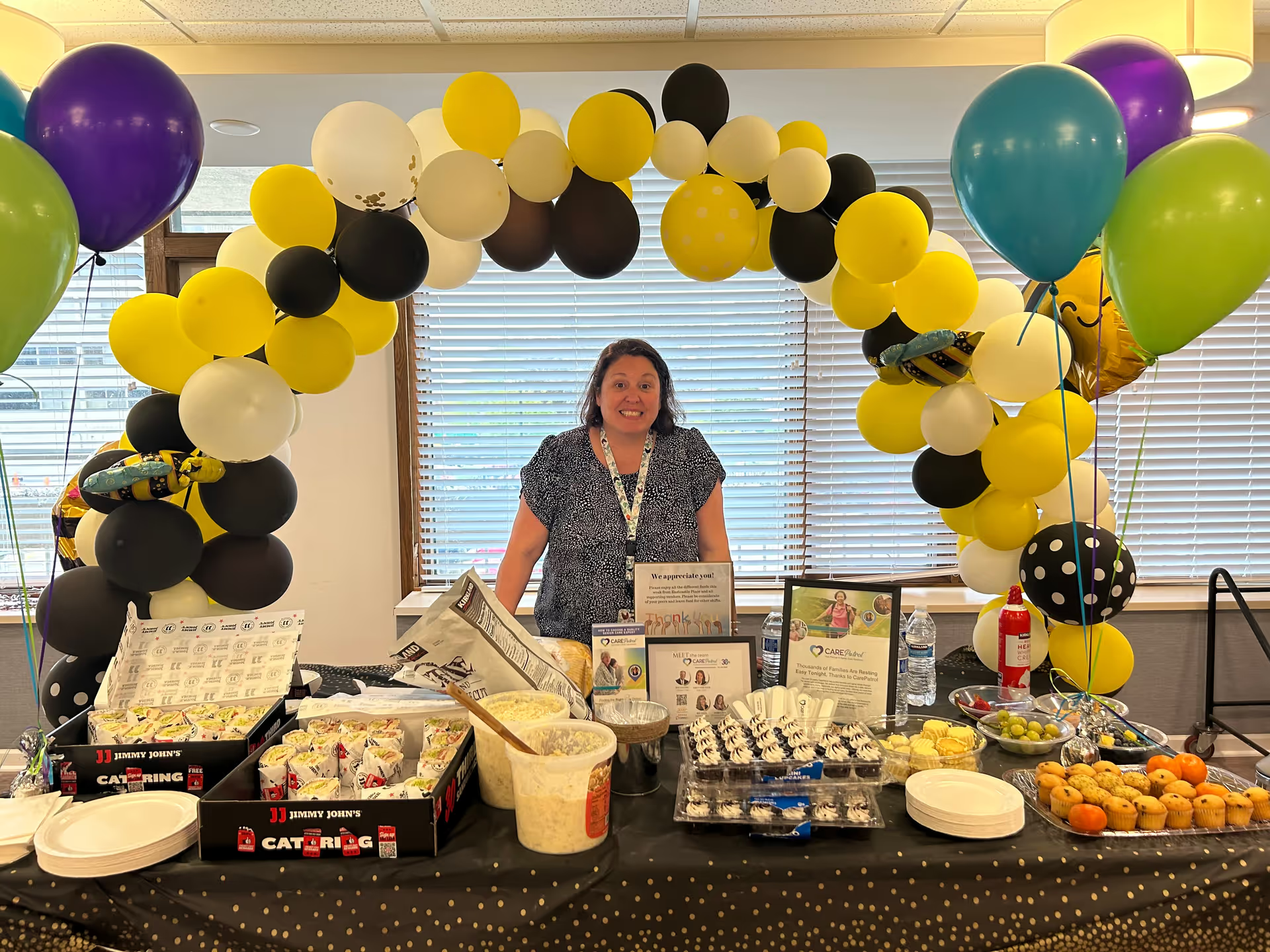
Dining and activities Dining reviews are mixed: numerous reviewers enjoyed the meals and social dining environment, while others experienced declines in food quality after a service change and cited problems related to kitchen understaffing. Activity programming receives strong positive marks—regular social programs, field trips, music, religious meetings, pets, and memory/socialization programming are frequently highlighted and contribute to a family-like atmosphere.
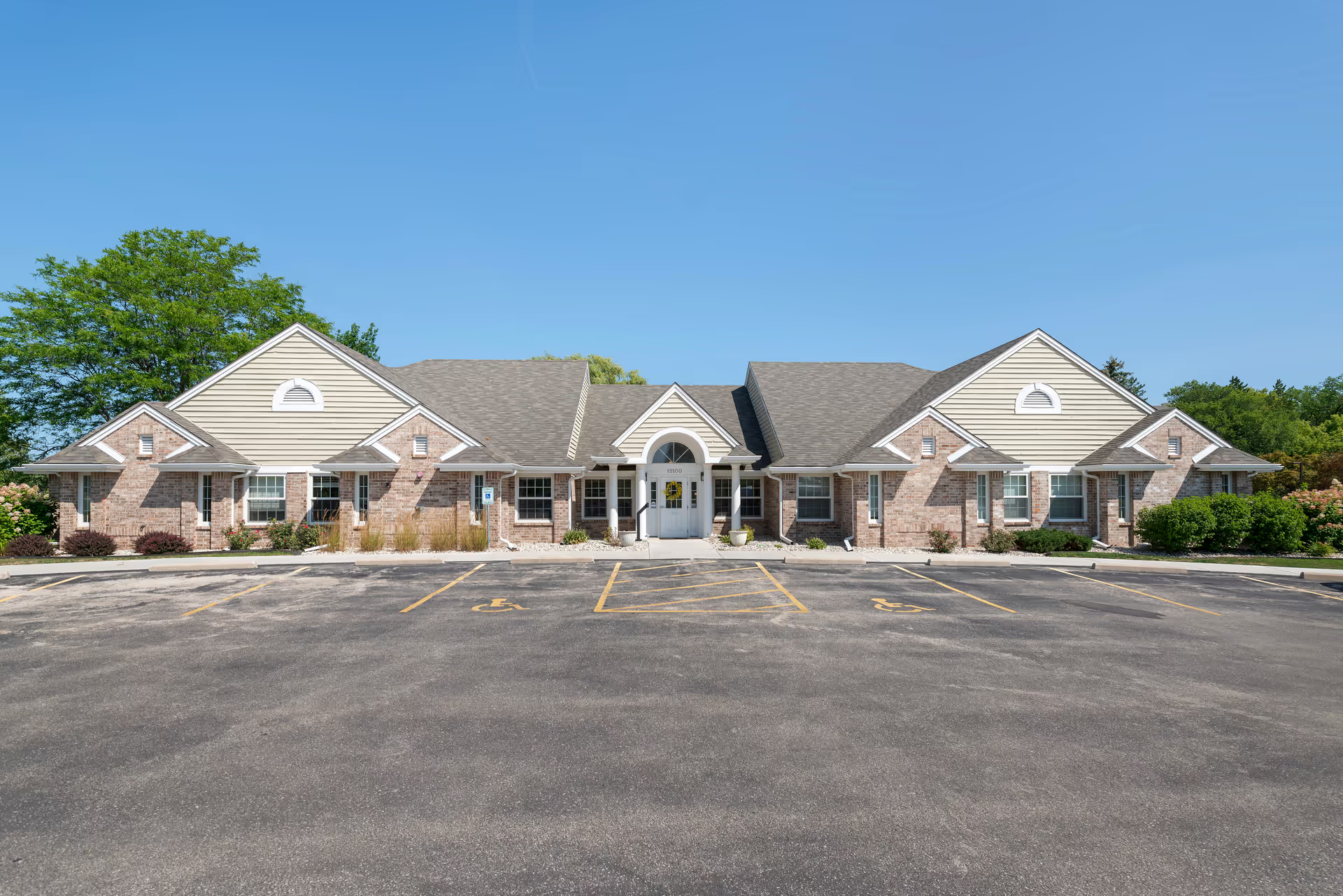
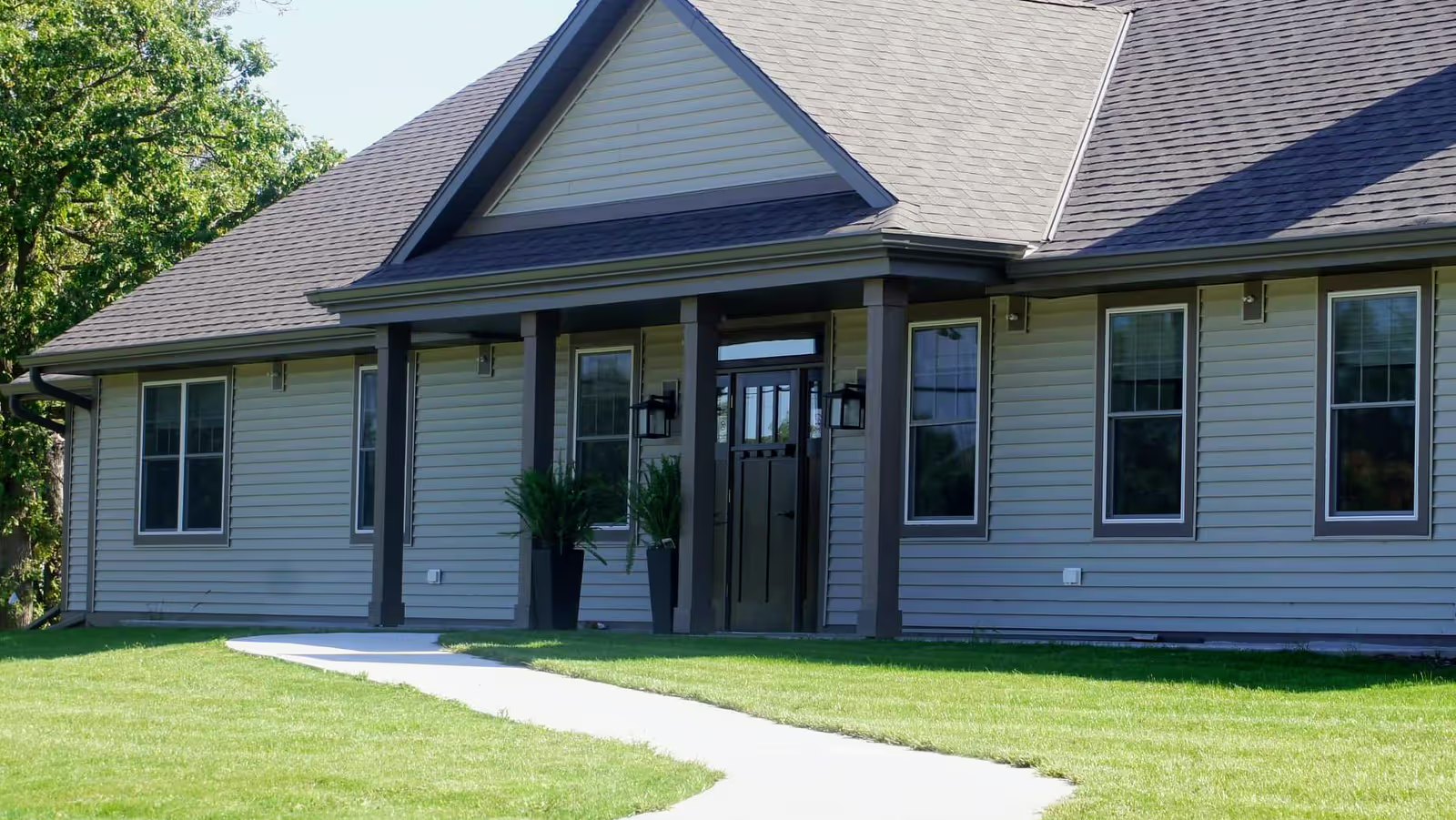
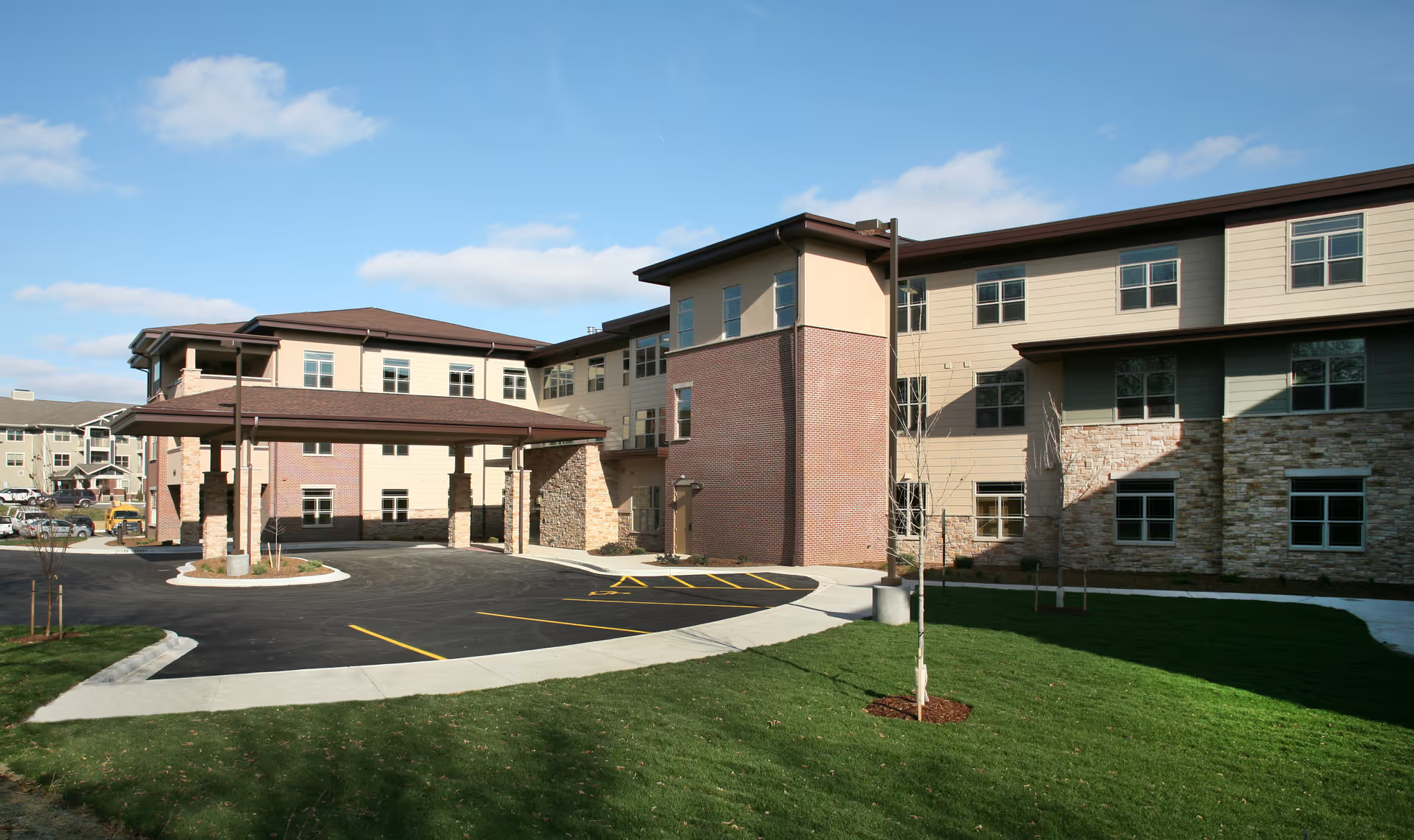
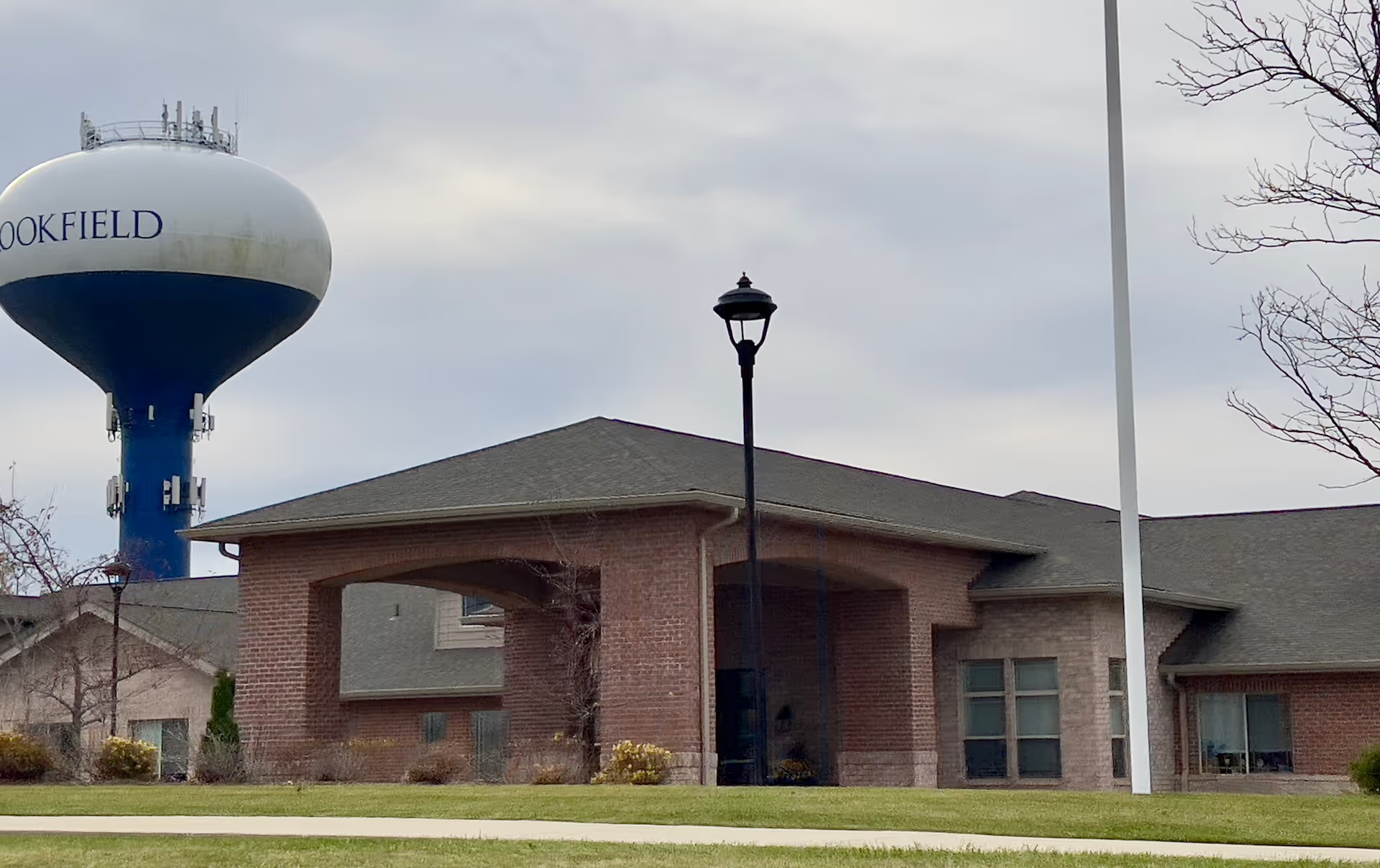
Facilities and medical capabilities The physical plant is frequently described as clean, bright, and well maintained, with attractive gardens and comfortable suites. However, reviewers call out variability by unit: some floors were highlighted as significantly better maintained and staffed than others. There are also facility-level limits to on-site medical capabilities in the skilled nursing/hospice unit—specifically restrictions on providing IVs or certain antibiotic treatments—which can affect care planning for residents with higher medical needs.
Management and notable patterns Two consistent patterns emerge: (1) a split between strong short-term rehab performance and more variable long-term skilled nursing performance, and (2) variability in staff responsiveness and management follow-up on incidents. Positive experiences often involve engaged case managers and experienced frontline staff; negative experiences center on delayed clinical responses, inconsistent personal-care practices, and perceived lack of accountability from leadership. Prospective residents and families may benefit from asking targeted questions about nurse-to-resident ratios by unit, medication-administration protocols and auditing, toileting and bathing schedules, the facility’s policy on IV/antibiotic administration in skilled units, and how concerns are investigated and communicated to families.
Conclusion Congregational Home presents a mix of strong hospitality and rehabilitation resources alongside operational weaknesses that affect consistency of clinical and personal care. For families prioritizing rehab outcomes, independent apartment-style living, and an active activity schedule, the community has clear advantages. For residents with complex medical needs or those requiring consistently attentive long-term skilled nursing, the variability described suggests careful, on-site review and direct discussions with leadership about protocols, staffing, and escalation/incident processes before placement.