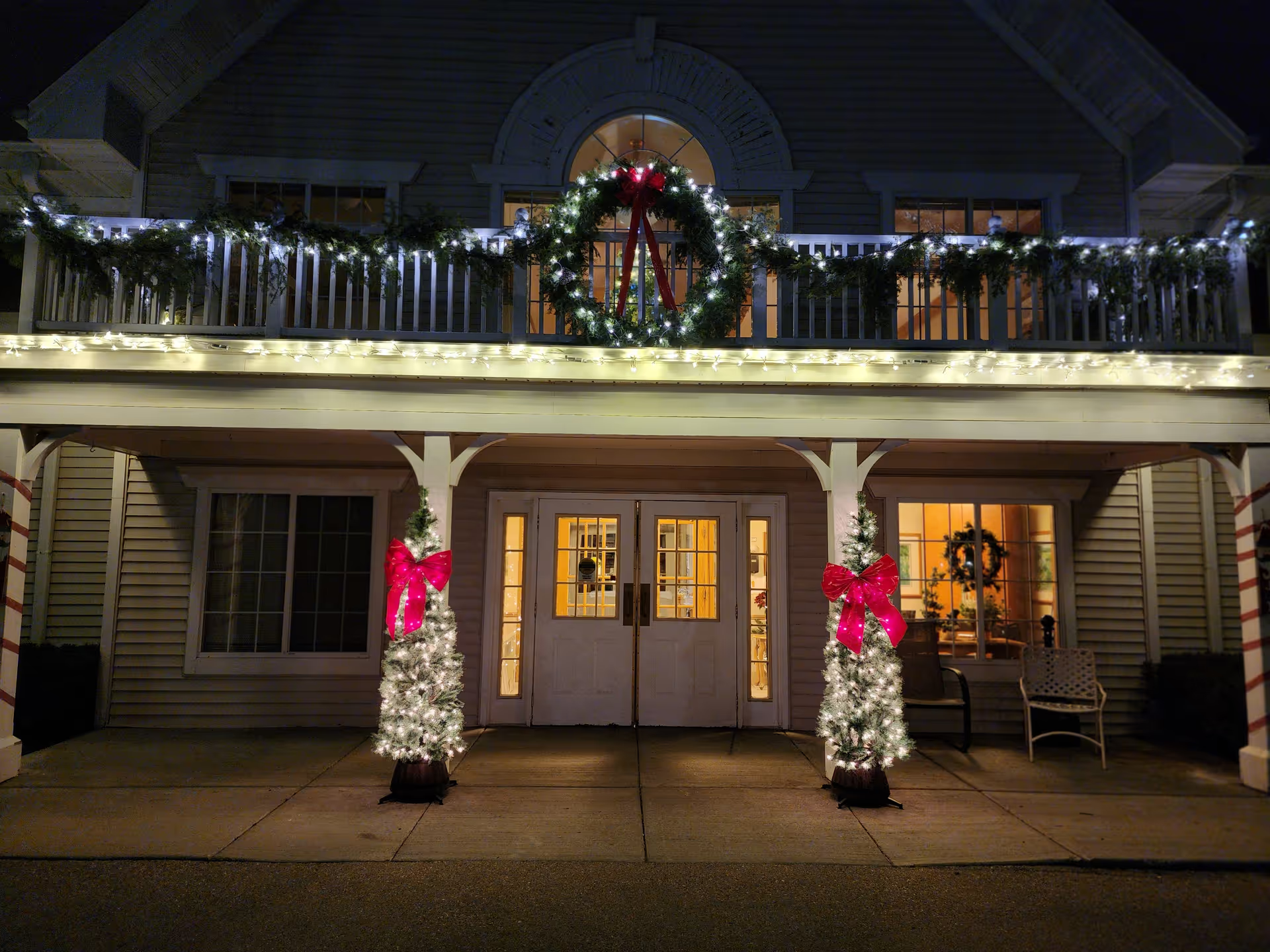
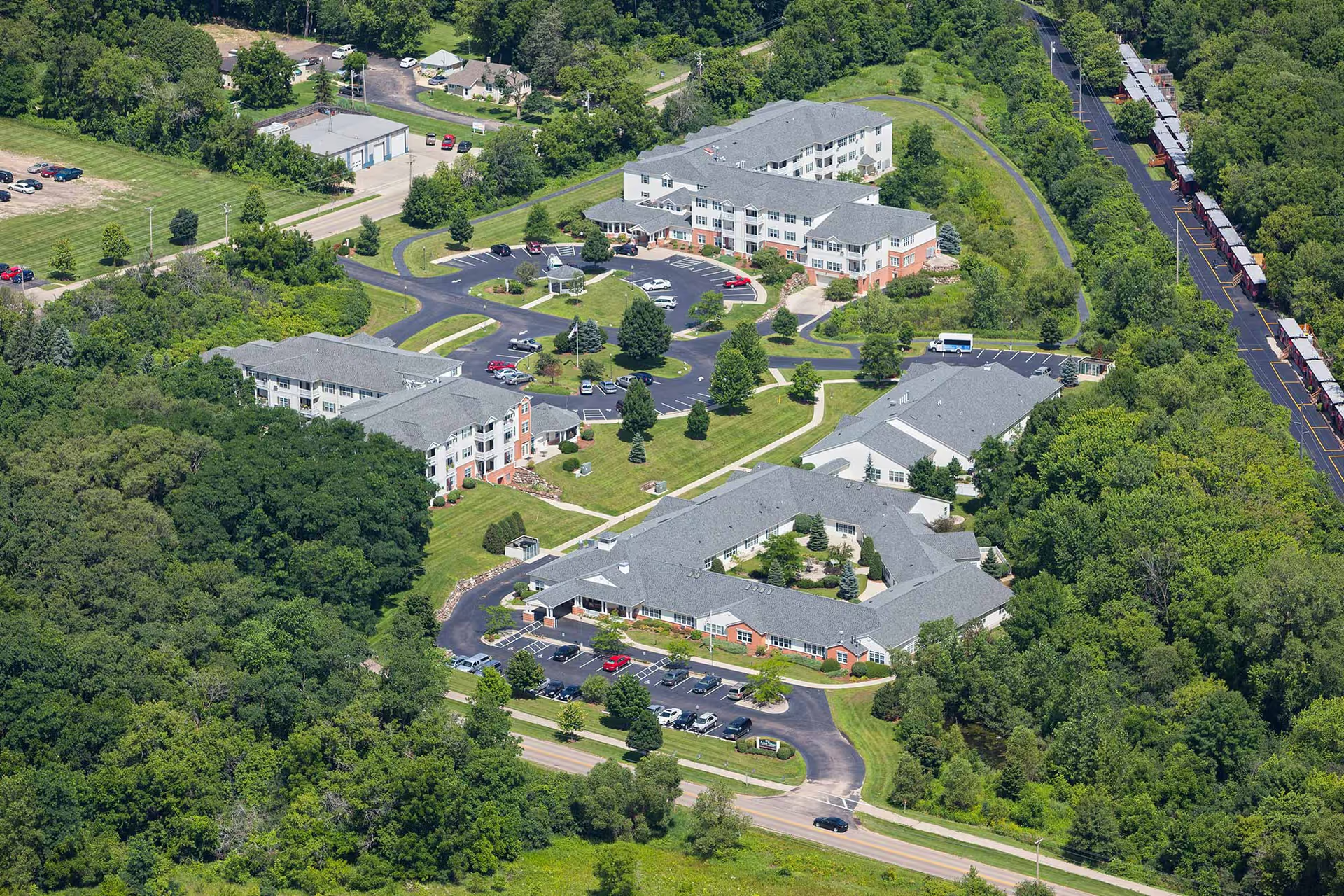
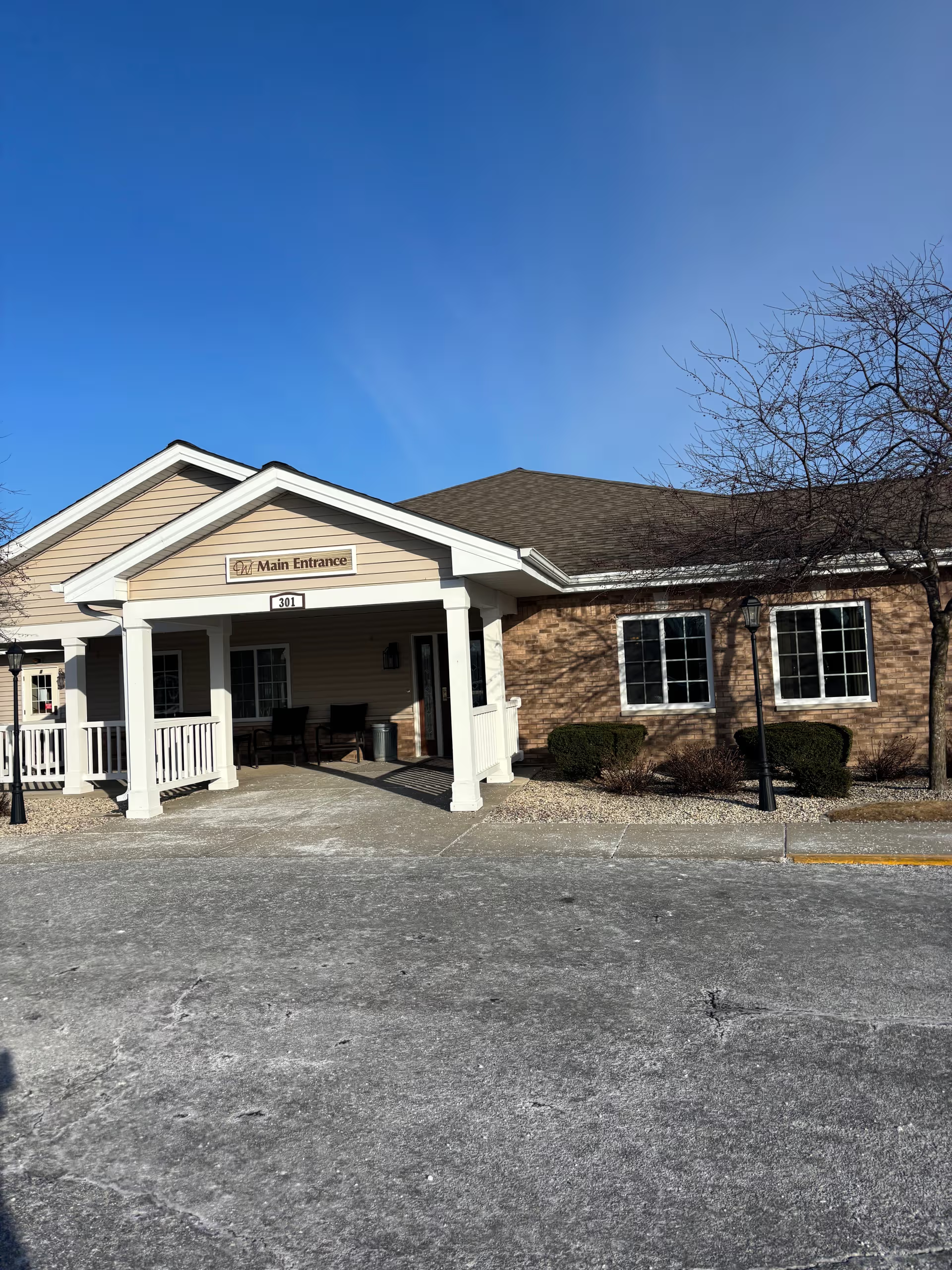
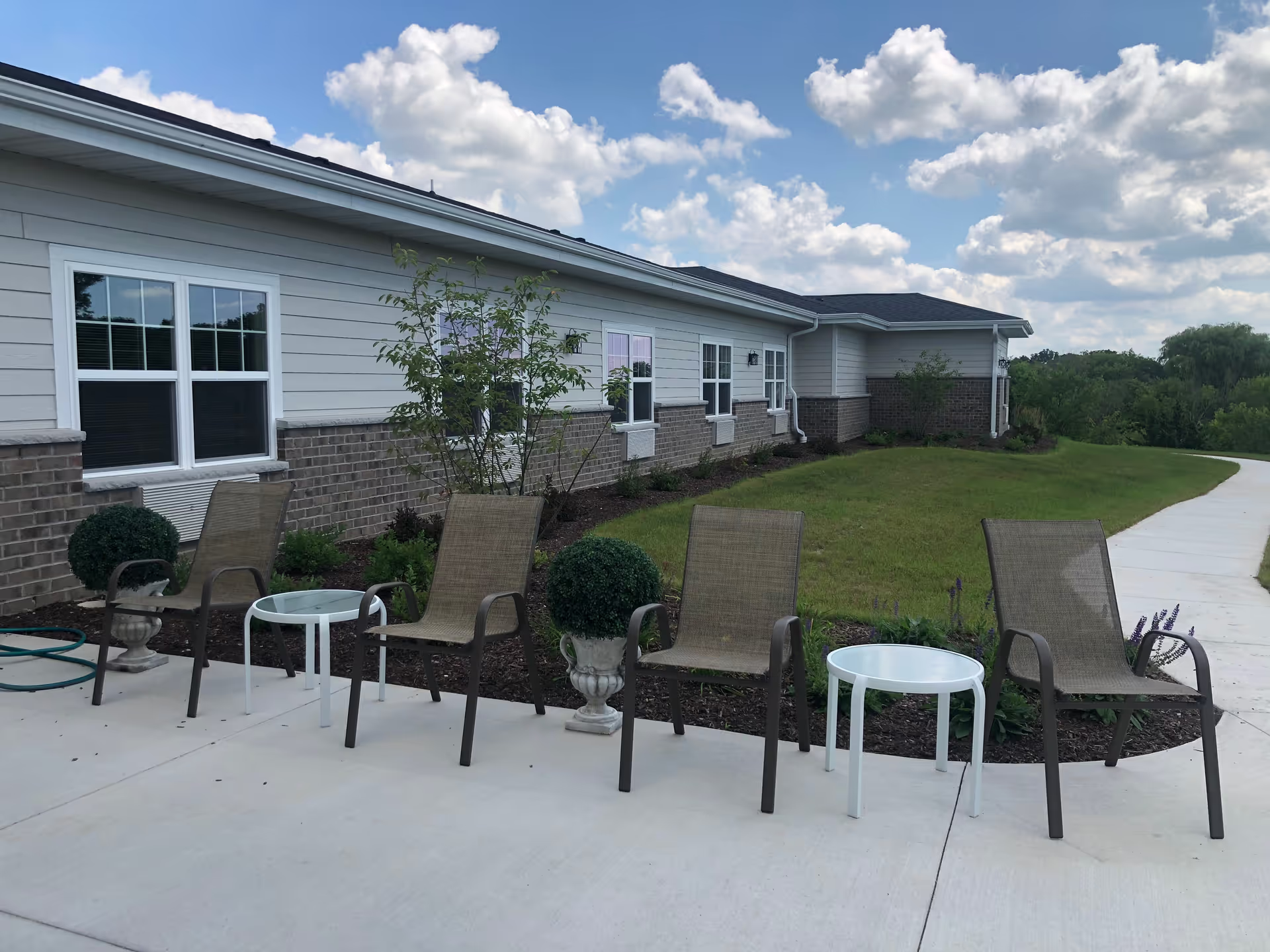
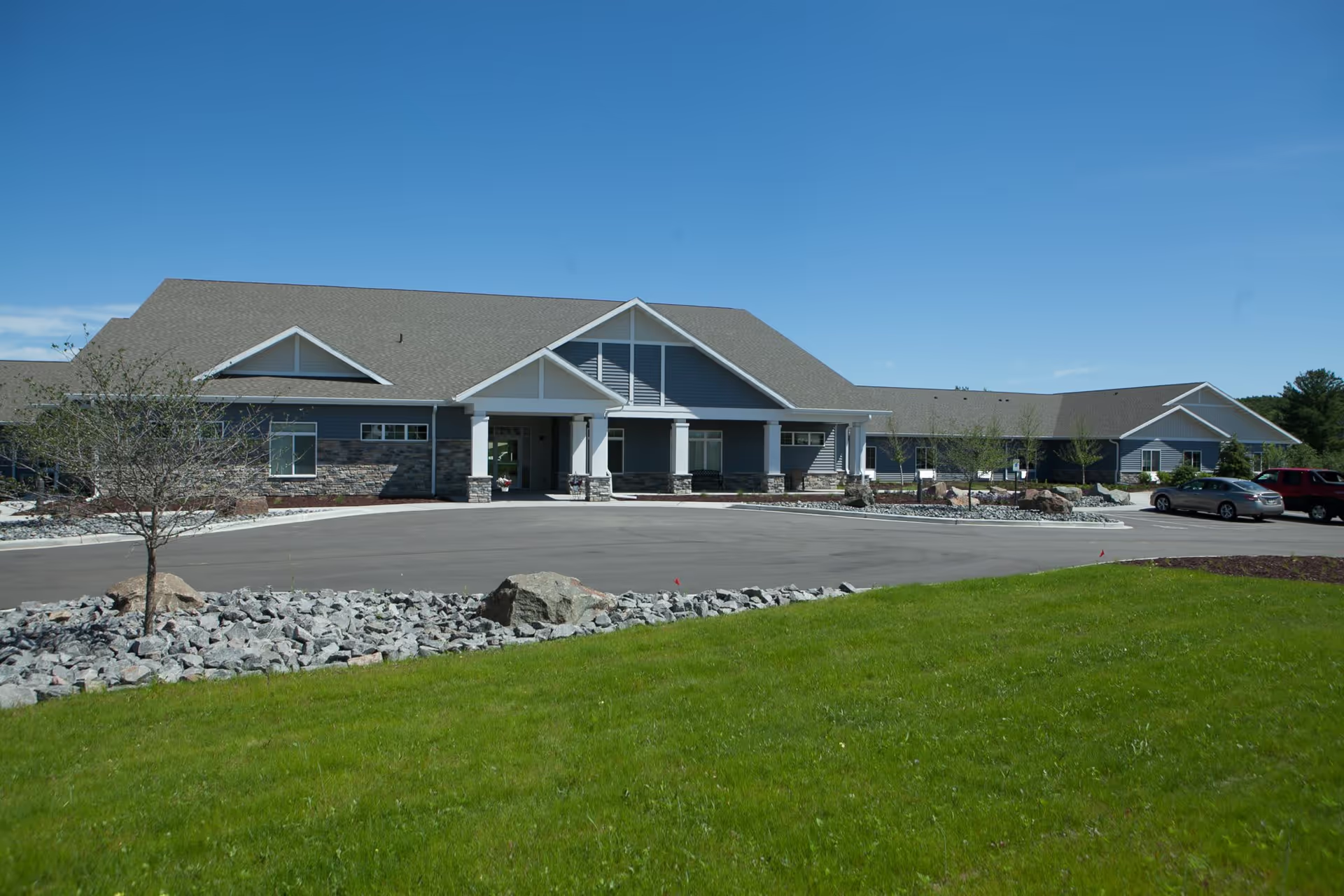
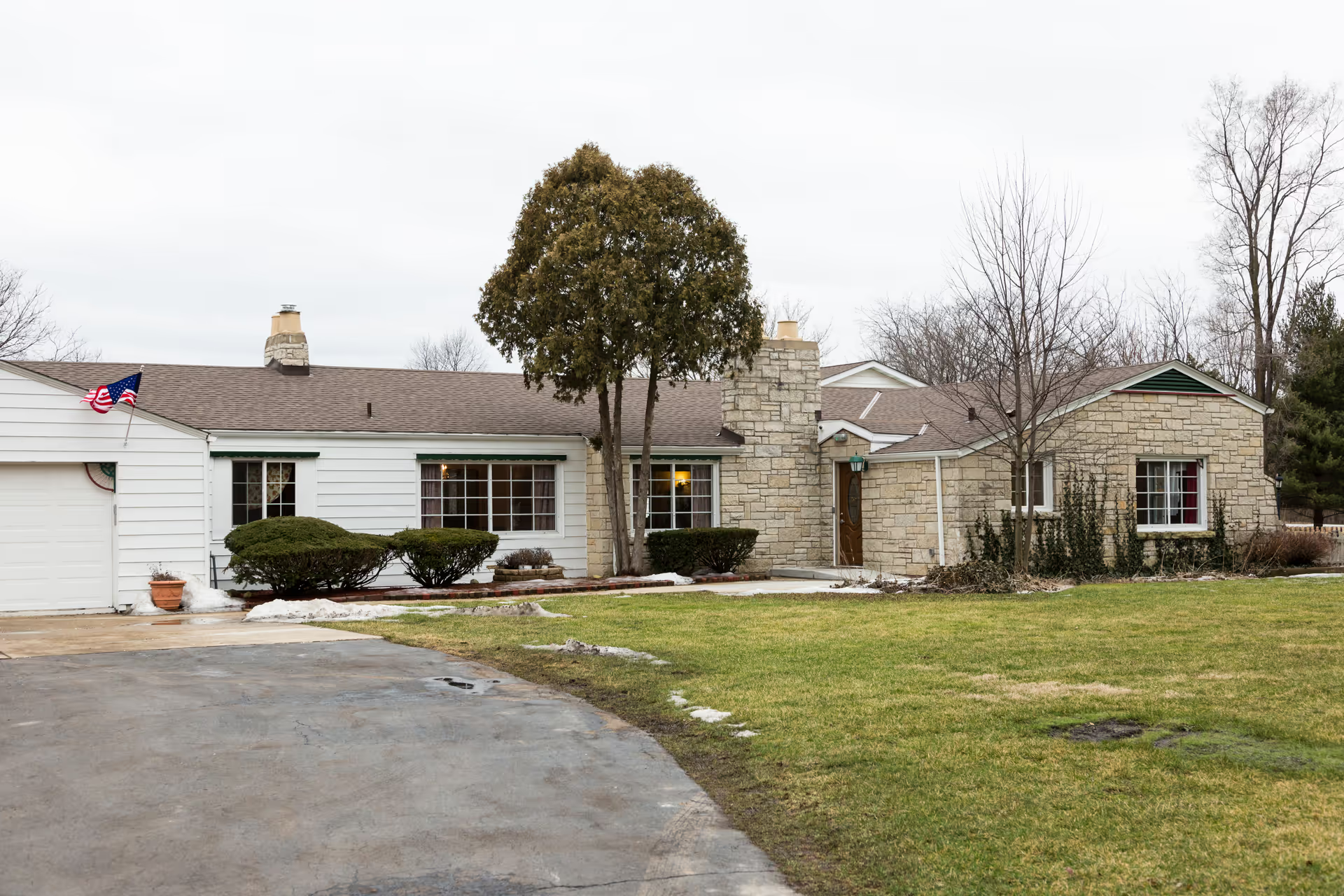
Arbor View presents as a small, residential-style community with a number of clear operational strengths alongside recurrent operational concerns. Many families describe a clean, modern building with spacious suites, generous closets and bathrooms, pleasant common spaces, an outdoor courtyard and an on-site salon. The community emphasizes personalization — including individualized room décor and memory-care customization — and maintains RN-level coverage (on-site/daily and on-call), LPN staff, and safety-trained caregivers. The facility advertises 24/7 care availability and hospice coordination, and pricing falls in a mid–upper range consistent with the described amenities.
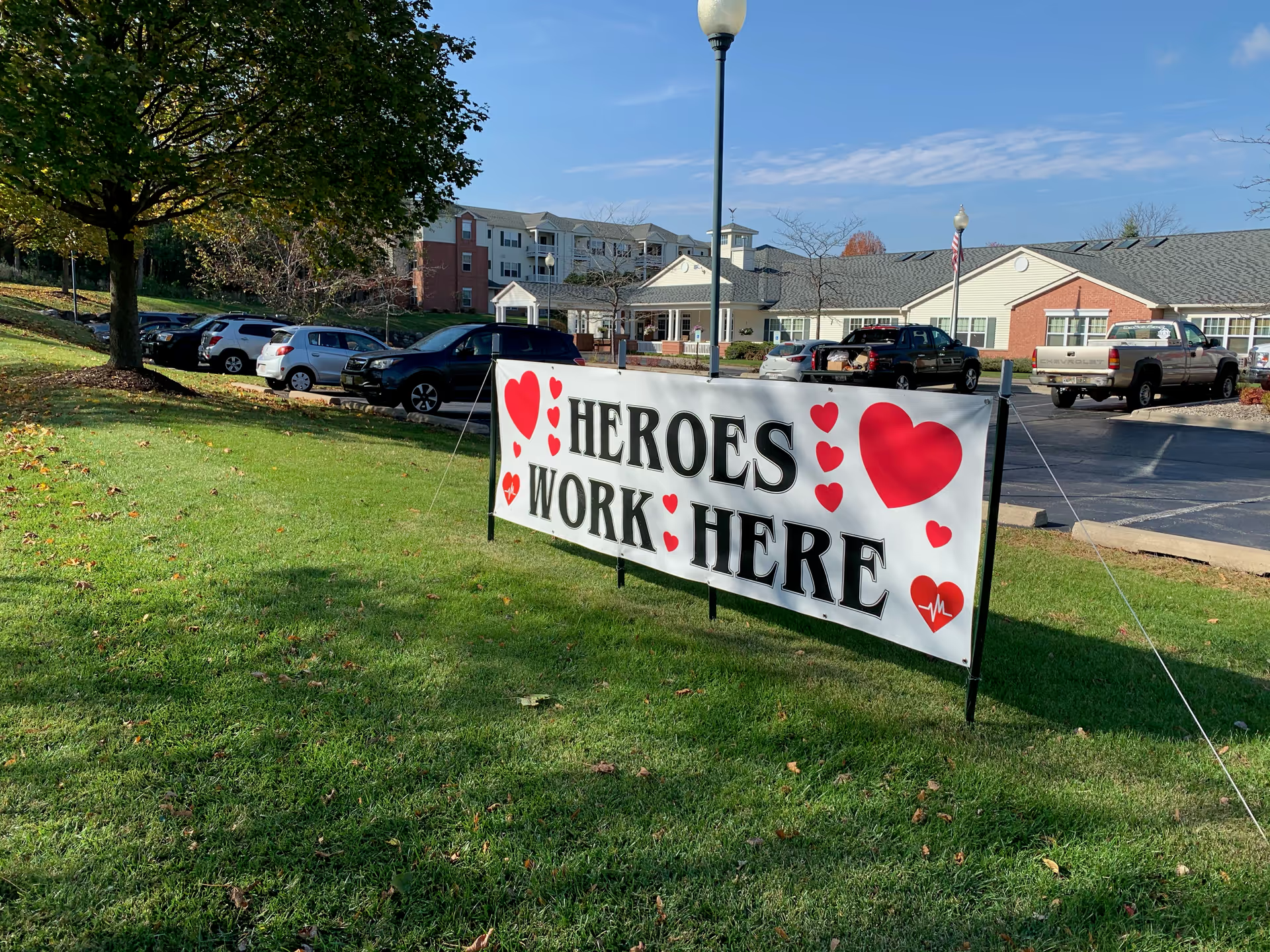
Care and staff quality elicit polarized impressions. Positive accounts emphasize compassionate, attentive caregivers, continuity from long-tenured staff, skilled nurses, and hands-on directors who organize celebrations and family activities. Those strengths are paired with practical supports such as background checks, CPR/First-Aid training, and structured programs for residents requiring memory support. Conversely, other accounts identify inconsistent staff training, periodic understaffing, and variable clinical responsiveness. These operational weaknesses manifest as delays in assistance at times and uneven application of infection-control practices. Memory-care capability is also mixed: personalization and a smaller unit layout are strengths, but programming and approaches for residents with advanced dementia (including pain-assessment and engagement for residents with limited verbal ability) appear underdeveloped in some cases.
Dining and activities are areas of notable contrast. Many reviewers praise homemade meals, ample breakfast and lunch portions, puree-friendly options, and plentiful snacks, alongside an organized calendar of activities, outings, church services, bingo, and pet therapy. The activities program is frequently described as robust and varied, contributing to a family-like atmosphere. However, there are recurring mentions of inconsistent food quality, requests for better ingredients, and occasional meal preparation issues. Activity access can be limited by the facility layout: separate buildings and smaller memory-care spaces reduce spontaneous socialization in common areas, and some residents (for example, those with visual impairment) may have fewer tailored activity options.
Facility operations and management present a mixed picture. Several families report responsive, engaged leadership and timely resolution of minor issues; others describe communication lapses, an administrative culture that can appear dismissive, and gaps in direct oversight of frontline staff. Practical considerations include room limitations (many single studios without kitchenettes, limited couple accommodations), requirements to furnish rooms and supply linens/towels in some cases, and possible additional expenses tied to certain services. Prospective residents with high physical-care needs should note that the community may be better suited to those with minimal to moderate care requirements rather than high-acuity medical dependency.
Overall pattern: experiences range from highly positive to distinctly critical. The most consistent positives are staff compassion, RN availability, a strong activities program, and pleasant physical spaces. The most consistent negatives relate to operational reliability — staffing consistency, infection-control practices, meal consistency, memory-care programming depth, and management oversight. Prospective residents and families should schedule a tour, observe staffing during peak care times, ask specific questions about infection-control protocols and memory-care curricula, confirm what is included in monthly fees (linens, furnishings, additional charges), and request current staffing ratios and recent staff training records to verify fit for the resident's acuity and social needs.