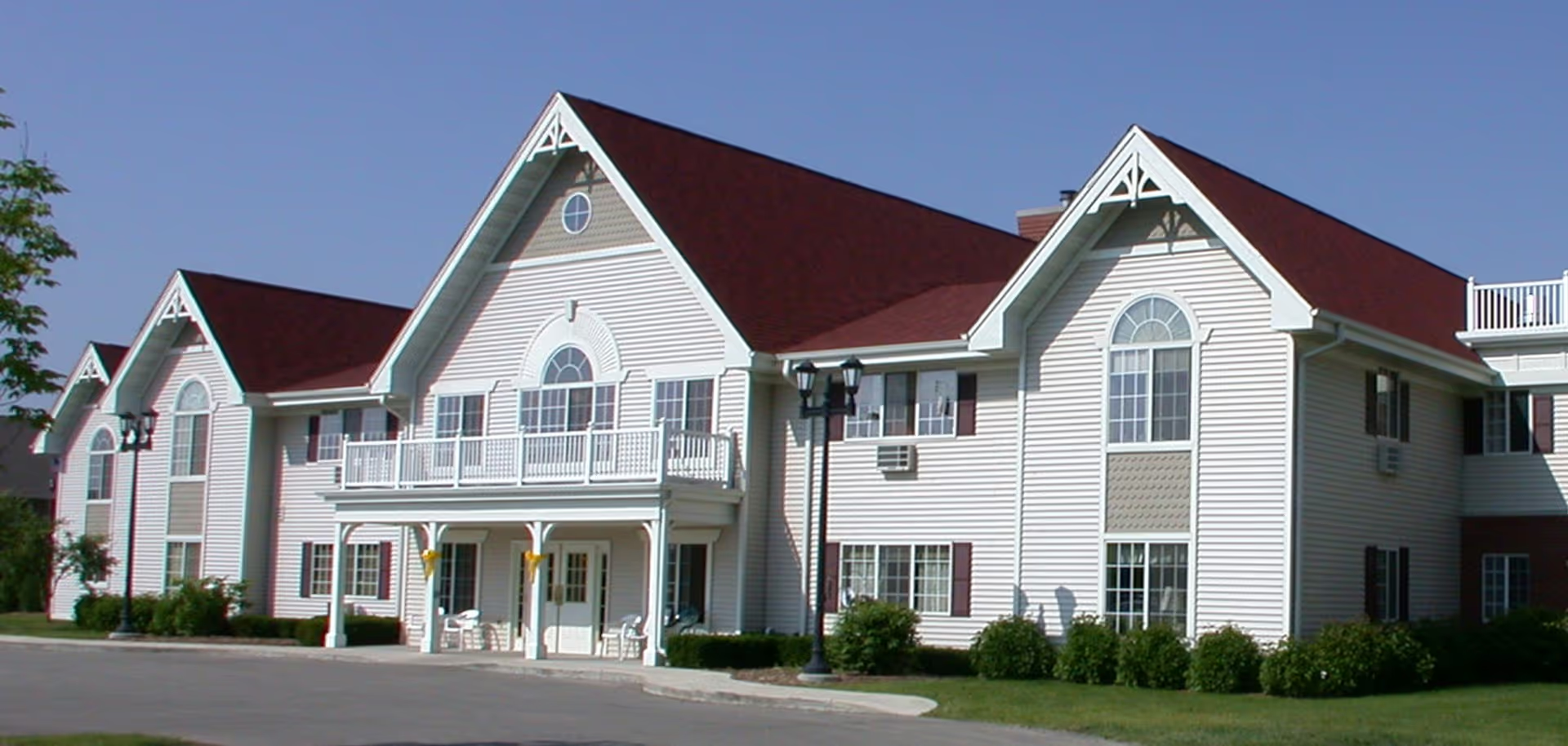
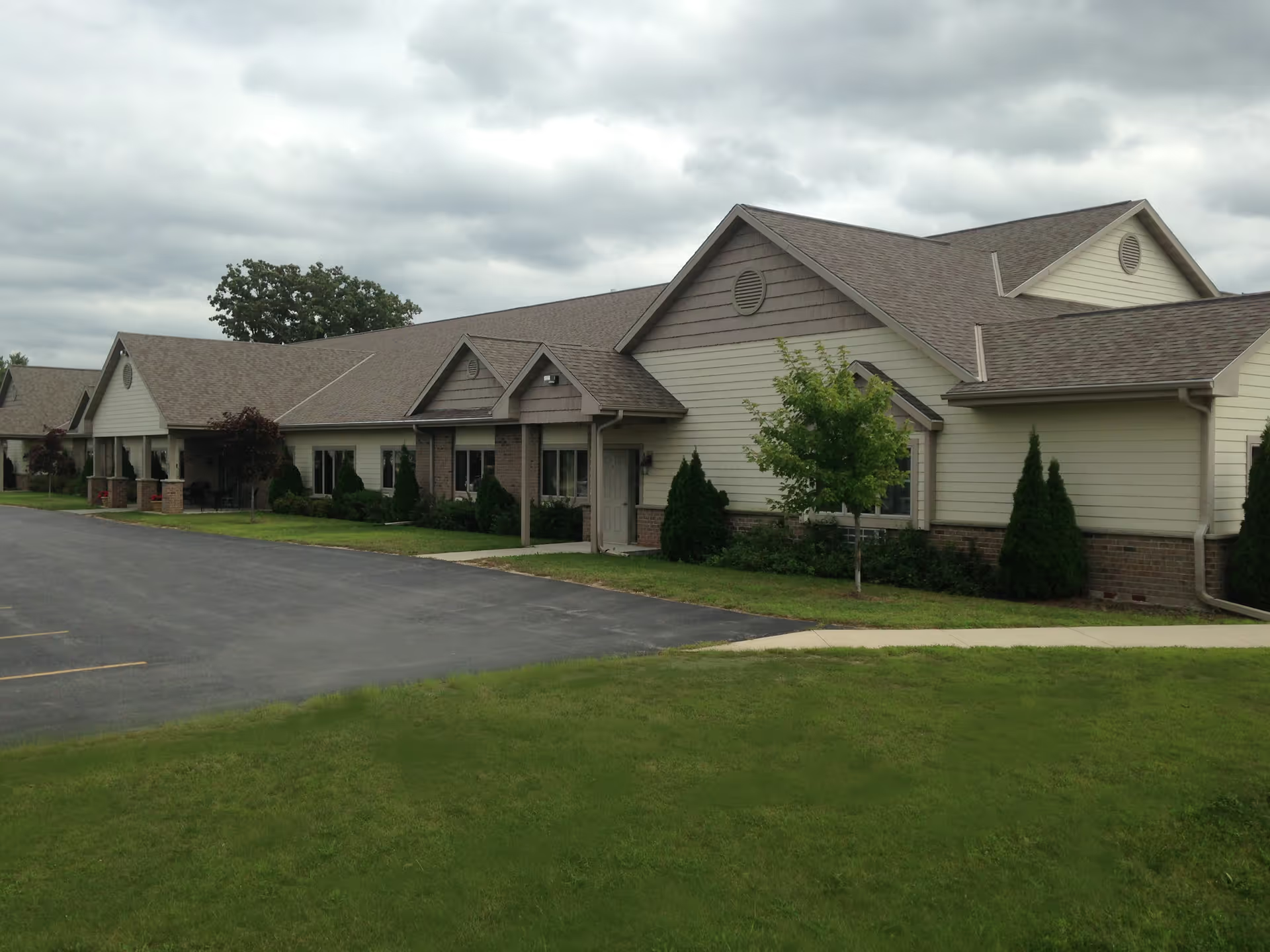
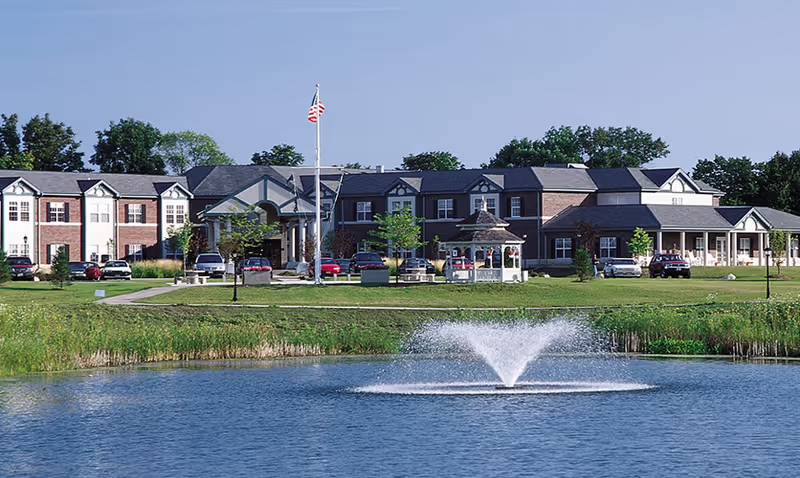
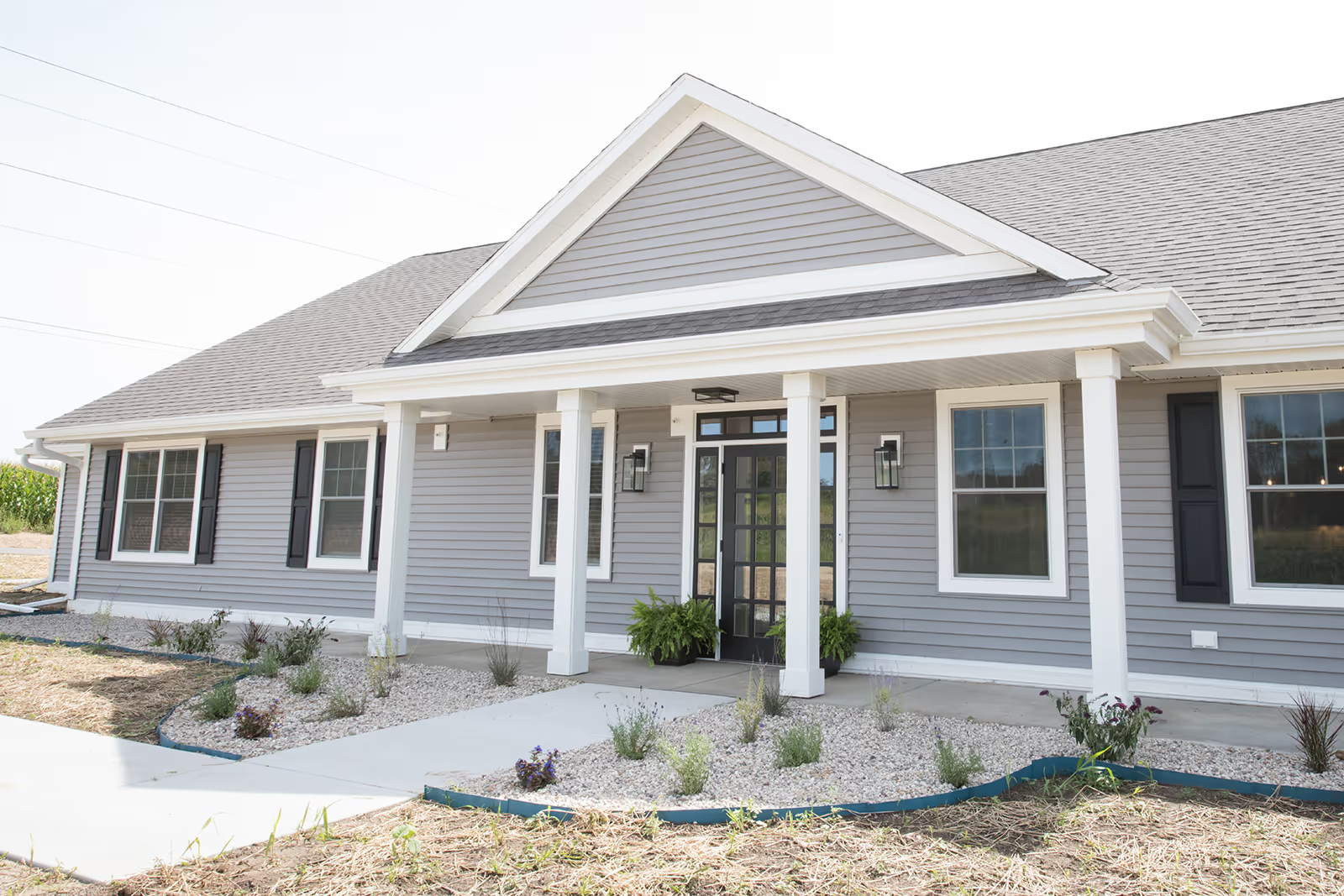
Overall impression: Waterford Senior Living receives consistent praise for its physical environment and frontline staff. Across reviews the building and grounds are described as clean and well maintained, with apartment-style units that provide residents an independent feel and pleasant views. Families and tours frequently note a positive move-in experience and a convenient location. The memory-care unit is characterized as secure, and staff are commonly described as attentive, caring, and responsive to resident needs.
Care and staff: Reviewers commonly highlight compassionate, professional caregiving and prompt responses to calls for assistance. Many families report that staff connect well with residents and that the community provides good transition support and family resources (support groups, Zoom sessions). At the same time, accounts point to variability in staffing levels and occasional gaps in how care is scheduled or delivered; these staffing fluctuations can produce inconsistent resident experiences. There are also specific operational concerns around medication ordering and medication-management processes that families identify as needing improvement.
Dining and nutrition: Dining is a notable area of mixed feedback. Several reviewers praise the dining options and some residents enjoy meals, but a substantial and recurring theme is inconsistent food quality and menu execution. Concerns include repetitive or filler-heavy menus, uneven cooking (over- or undercooked items), and food-waste patterns that raise questions about portioning and resident intake. Taken together, these issues create a potential nutrition-risk area that would benefit from revised menus, improved food preparation consistency, and monitoring of meal consumption.
Activities and amenities: The community offers a wide range of amenities and activities — a large activity room, live music, group exercises, readings, games, chapel services, a hair salon, screened porches, and garden spaces are frequently noted. These offerings support social engagement and resident involvement. A recurring caveat is uneven access between assisted living and memory-care residents: the design limits crossover in some programs, which can reduce interaction opportunities for certain memory-care residents. A few families also expressed a desire for additional or more varied programming.
Management and communication: Feedback on administration is mixed. Some families describe professional, helpful management and effective communication, particularly during tours and move-in. Other accounts point to inconsistent administrative practices, lapses in follow-up, and concerns about policy execution and fairness — including allegations of nepotism and disorganization. Family communication is another area of variability: initial contact and updates are often strong but can trail off over time, leaving relatives uncertain about routine care tasks (for example, bathing or shower schedules).
Notable patterns and recommendations: Strengths center on an attentive caregiving staff, a clean and well-appointed physical environment, and a robust set of amenities that support engagement. The most consistent operational weaknesses are the dining program, variability in staffing and medication processes, and inconsistent management/communication practices. Prospective residents and families should plan to discuss specific concerns during tours — menu samples and nutrition oversight, staffing ratios and medication procedures, frequency and channels of family updates, and options for roommate or larger apartment configurations. Those topics will help clarify whether the community’s strengths align with a given resident’s care needs and preferences.