ProHealth Regency Senior Communities Muskego presents as a well-appointed senior living campus with many operational strengths alongside a set of recurring operational concerns. The facility's strongest themes are its caregiving staff, robust activity programming, and attractive physical environment. Many families describe caregivers who know residents personally and provide compassionate, timely support; nursing availability and proactive communication to families are frequently highlighted. Move-in processes and transition support are often characterized as smooth, and respite and tiered living options provide flexibility for changing needs.
Care quality is generally described positively: staff are attentive, medication dispensing is handled by on-site staff, and families report improvements in resident wellbeing after admission. At the same time, there are recurring concerns about consistency in clinical processes and staff conduct. Reviews point to variability in professionalism among team members and occasional lapses in medication-management or clinical follow-through. Prospective families should clarify clinical oversight, medication protocols, and escalation/incident-response procedures during tours.
Dining and food services are a clear strength for many residents. The community offers multiple dining choices, rotating menus, frequent desserts, and the option for in-apartment meal delivery. However, reviewers also note intermittent continuity issues—missed or inconsistent meal delivery and occasional concerns about meal temperature or consistency. Asking about meal-service standards, dietary accommodations, and contingency plans for service interruptions is advisable.
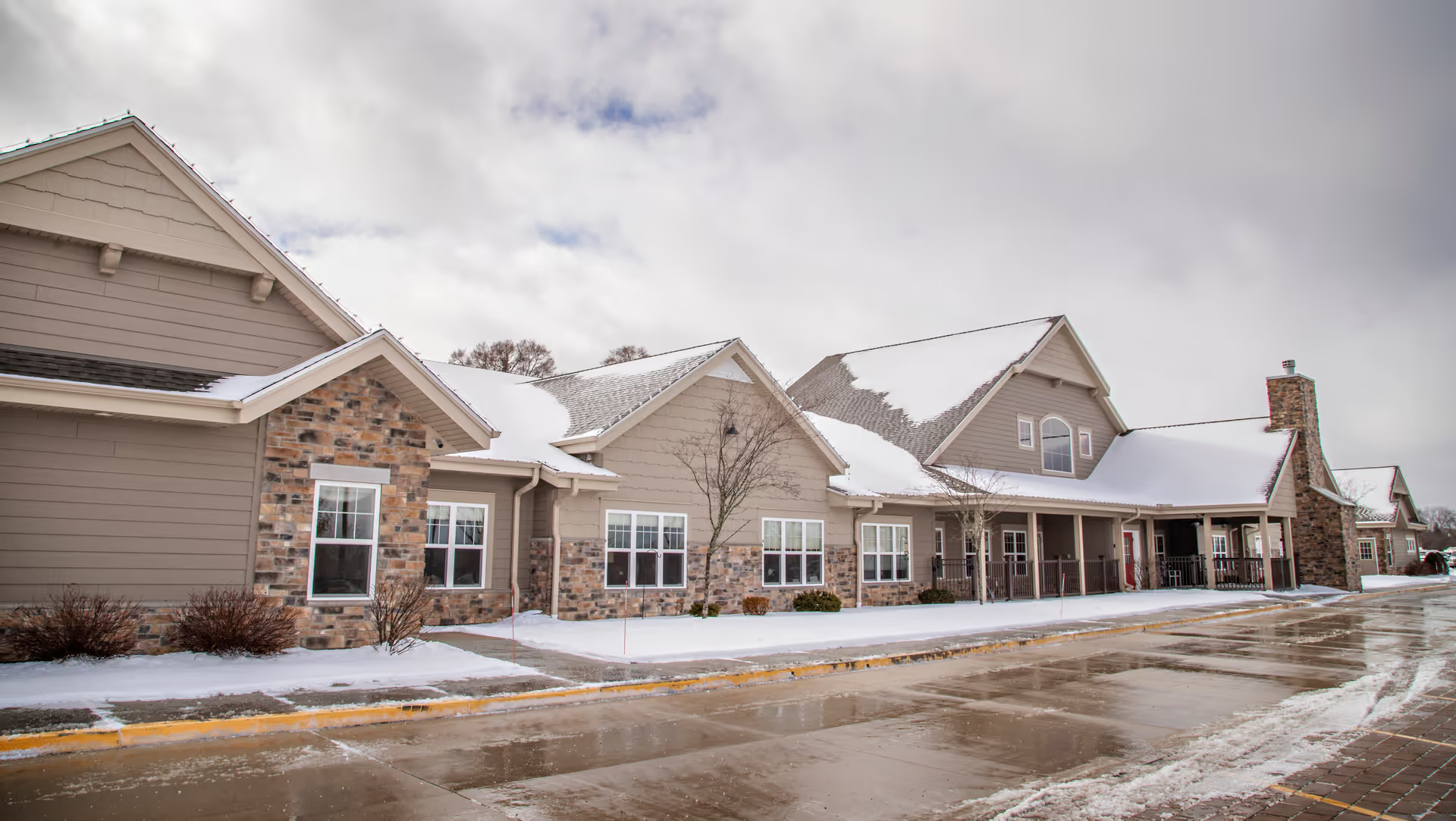
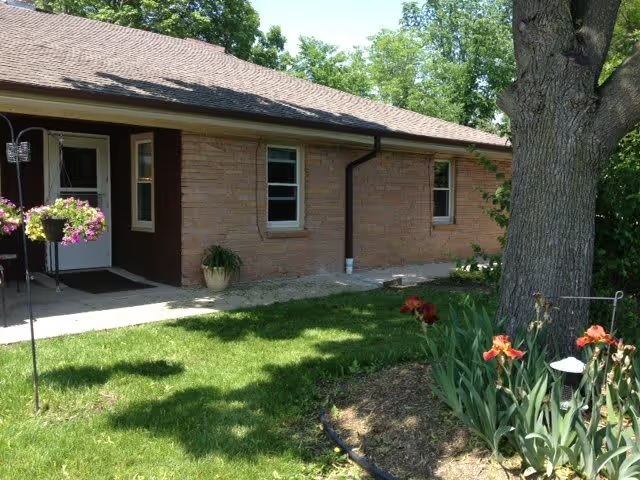
Activity programming is comprehensive, with a wide range of offerings including exercise classes, live music, craft courses, games, faith-based groups, community outings, and weekly on-campus events. This contributes to a lively social environment and frequent transportation-based excursions. Nevertheless, the campus layout—separate independent living buildings and satellite units—creates accessibility limitations for some residents; reaching main-building dining and activities may require bus rides or outdoor travel, which can be problematic during inclement weather.
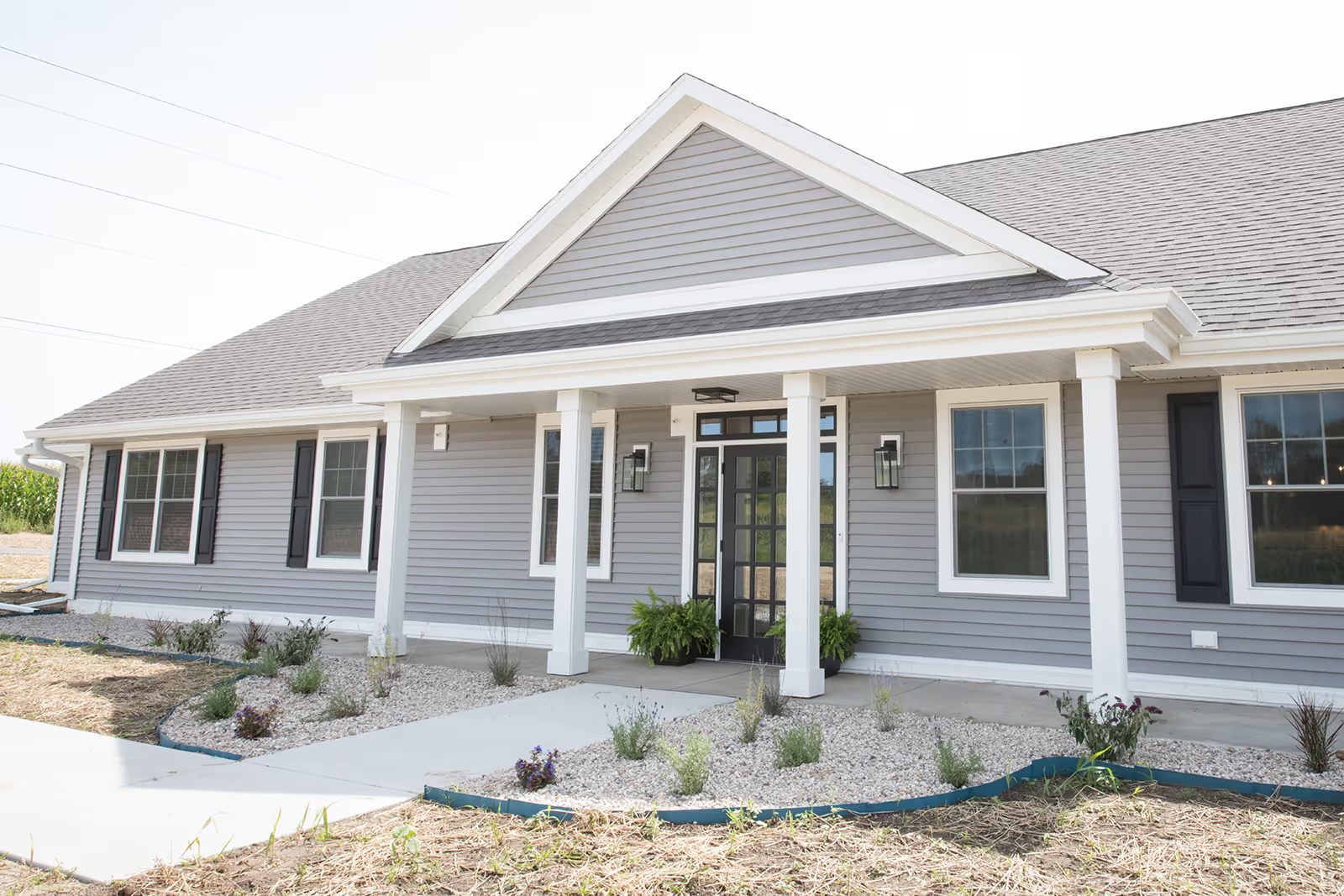
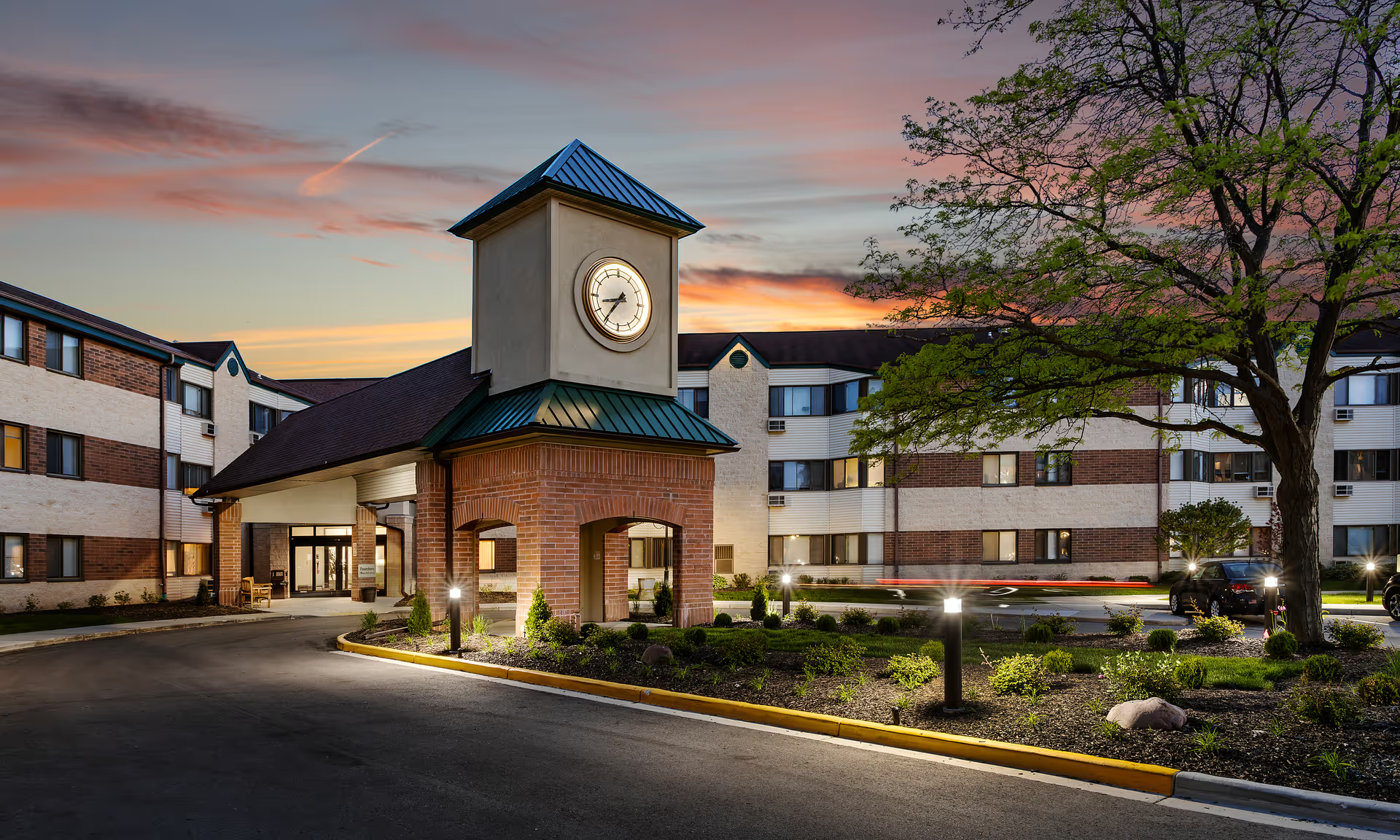
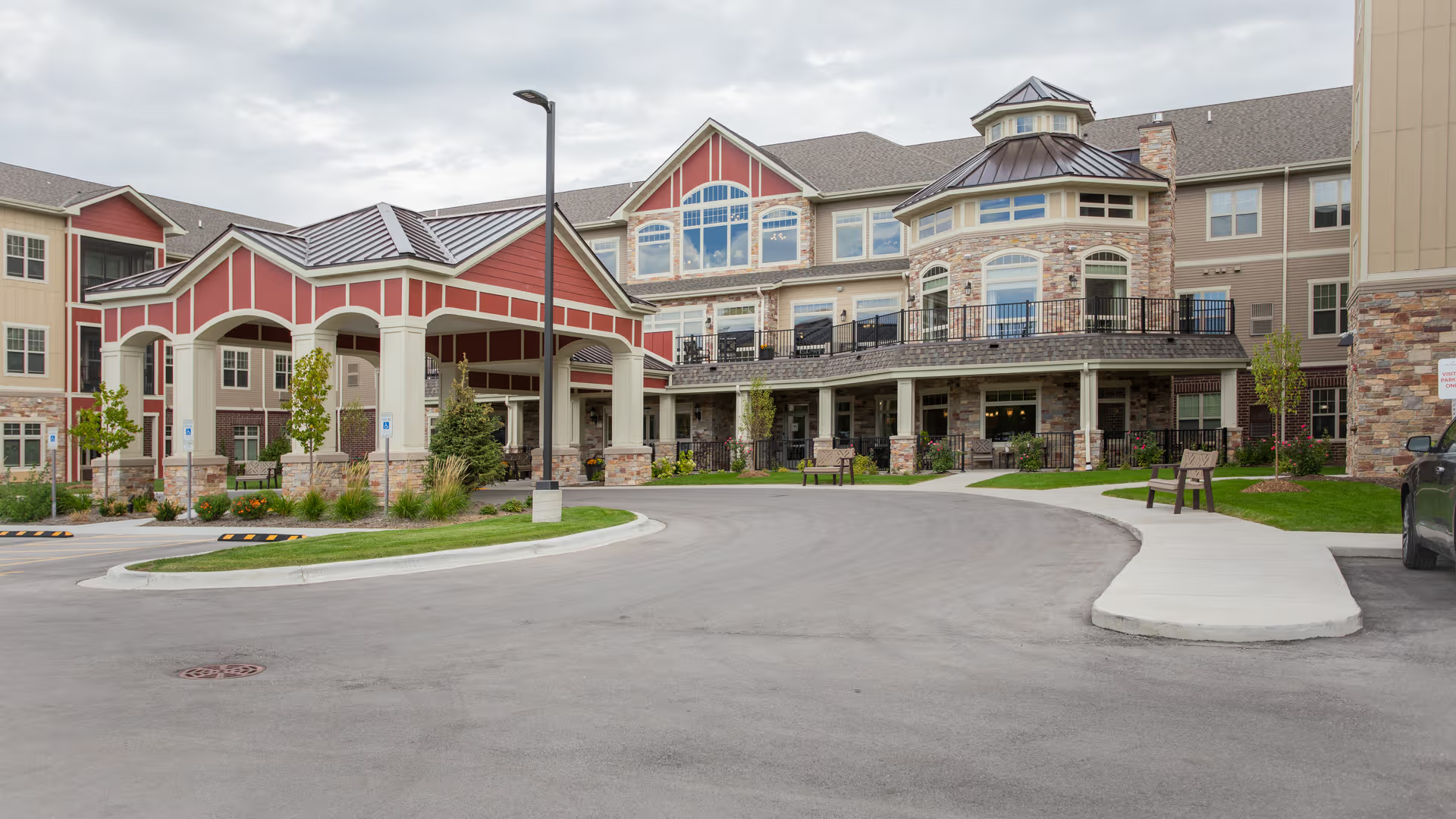
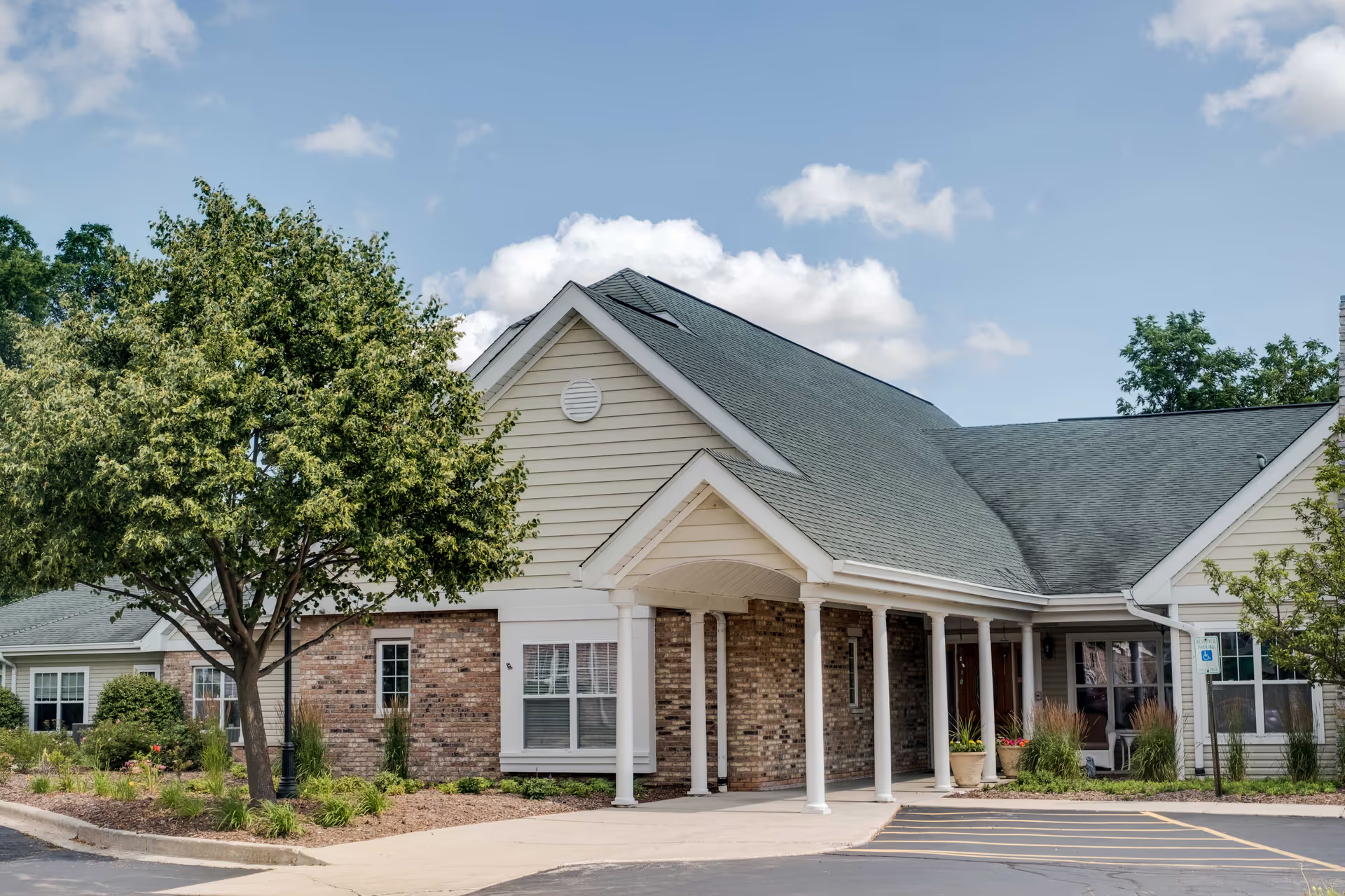
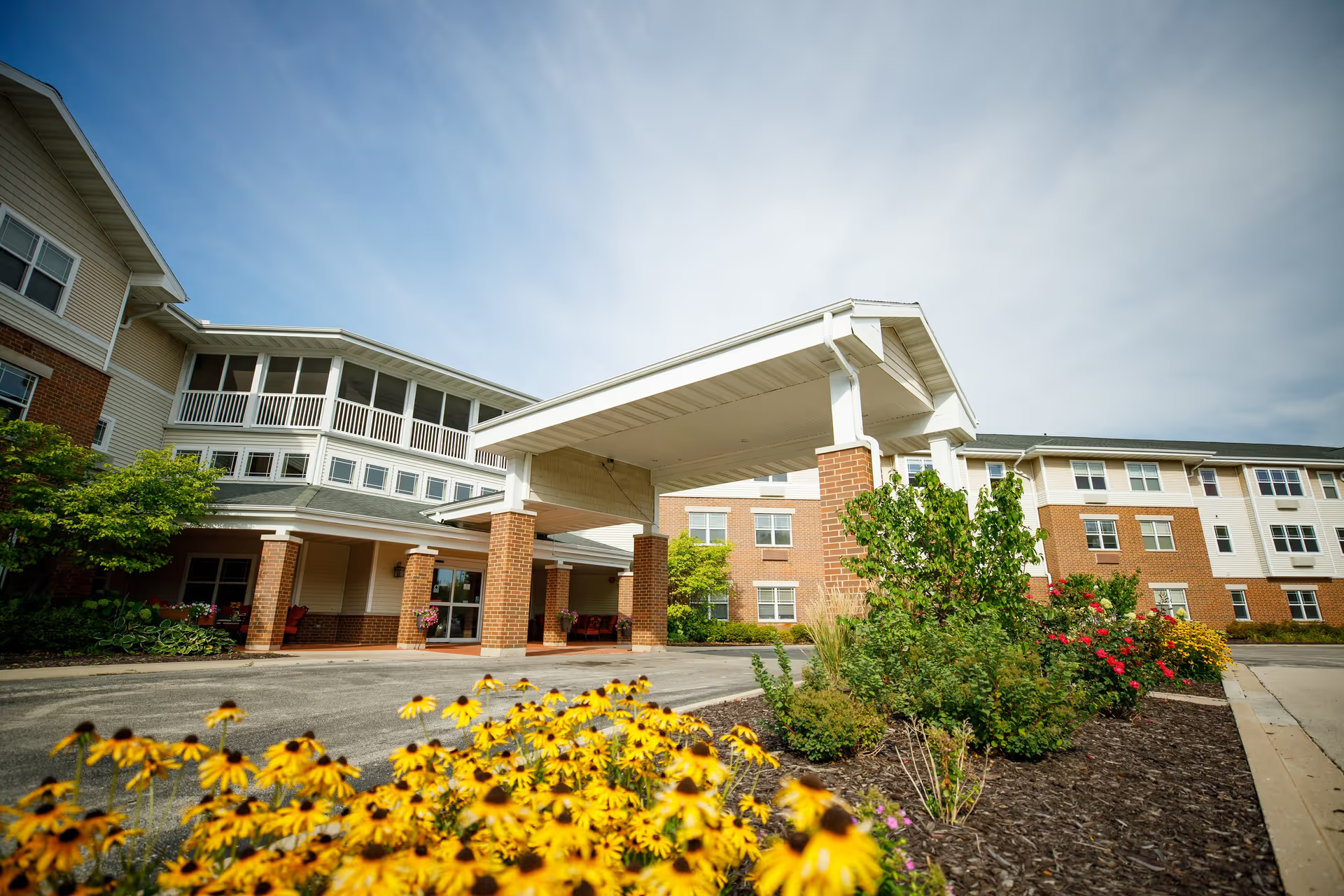
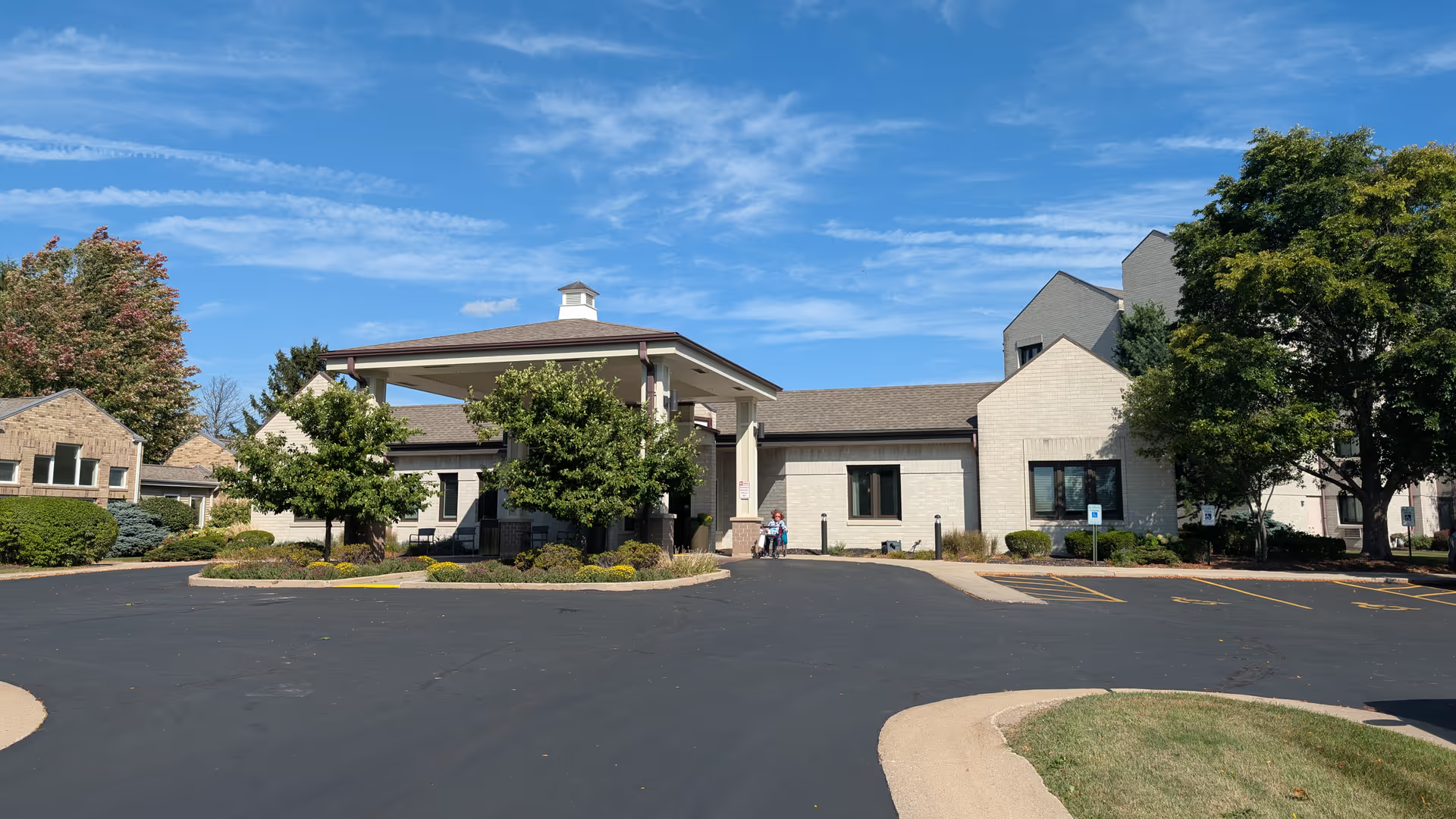
The physical campus and apartments receive consistently positive remarks: well-kept grounds, scenic water features, attractive common spaces, and unit amenities such as walk-in showers, large closets, in-unit laundry, and decks. There are occasional comments about variable unit finish quality (small cabinets, cabinetry construction) and maintenance response times. The campus size and scale are attractive to those seeking many services and activities but may be less suitable for residents who prefer a smaller, more intimate setting.
Management impressions are mixed. Leasing and admissions staff are frequently described as helpful and efficient, and some leaders are named positively for family communication and responsiveness. Conversely, there are criticisms about administrative professionalism, complaint resolution, and perceived inflexibility around lease and discharge policies; these operational practices have caused significant family concern in a minority of accounts. There are also isolated mentions of pest-control issues and stronger infection-control restrictions during outbreak periods that limit communal access.
Overall, ProHealth Regency Muskego appears to be a strong option for residents seeking active independent or assisted-living with plentiful activities, attractive grounds, and broad on-site services. Families considering this community should tour multiple unit types, ask specific questions about medication-management and clinical oversight, review lease and discharge policies, confirm transportation and access during winter weather, and inspect unit storage/finish details to ensure the apartment meets practical needs. These steps will help balance the community's many strengths against the operational variability cited by some families.