Overall impression: Reviews describe a facility with several operational strengths alongside notable areas of concern. Families and residents consistently praise the interpersonal side of care—many comments highlight compassionate, attentive staff and supportive nursing and therapy teams. At the same time, several accounts describe operational and communication weaknesses that have caused distress for family members.
Care and staff: Clinical and daily-care staff receive frequent positive remarks for compassion and attentiveness; families repeatedly cite confidence in the staff’s bedside manner and in the therapy team’s resources. However, there are recurring concerns about how the facility handles challenging clinical situations and end-of-life transitions. Reviewers describe instances where care stabilization and incident-response processes felt inadequate to them, and a limited degree of transparency compounded family frustration. A subset of comments also recount tense interactions or conflicts with specific staff members, which suggests an opportunity for clearer conflict-management protocols and improved family–staff communication training.
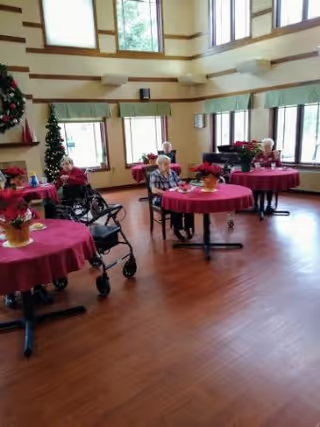
Dining and activities: The dining-room service is consistently described as helpful, and many reviewers note the facility is clean and well cared for. Recreational amenities are a clear strength—reviewers mention an ample physical therapy gym, accessible communal activities such as cards and puzzles, and a well-lit library. These features contribute to an engaging daily environment for residents and support rehabilitation goals.
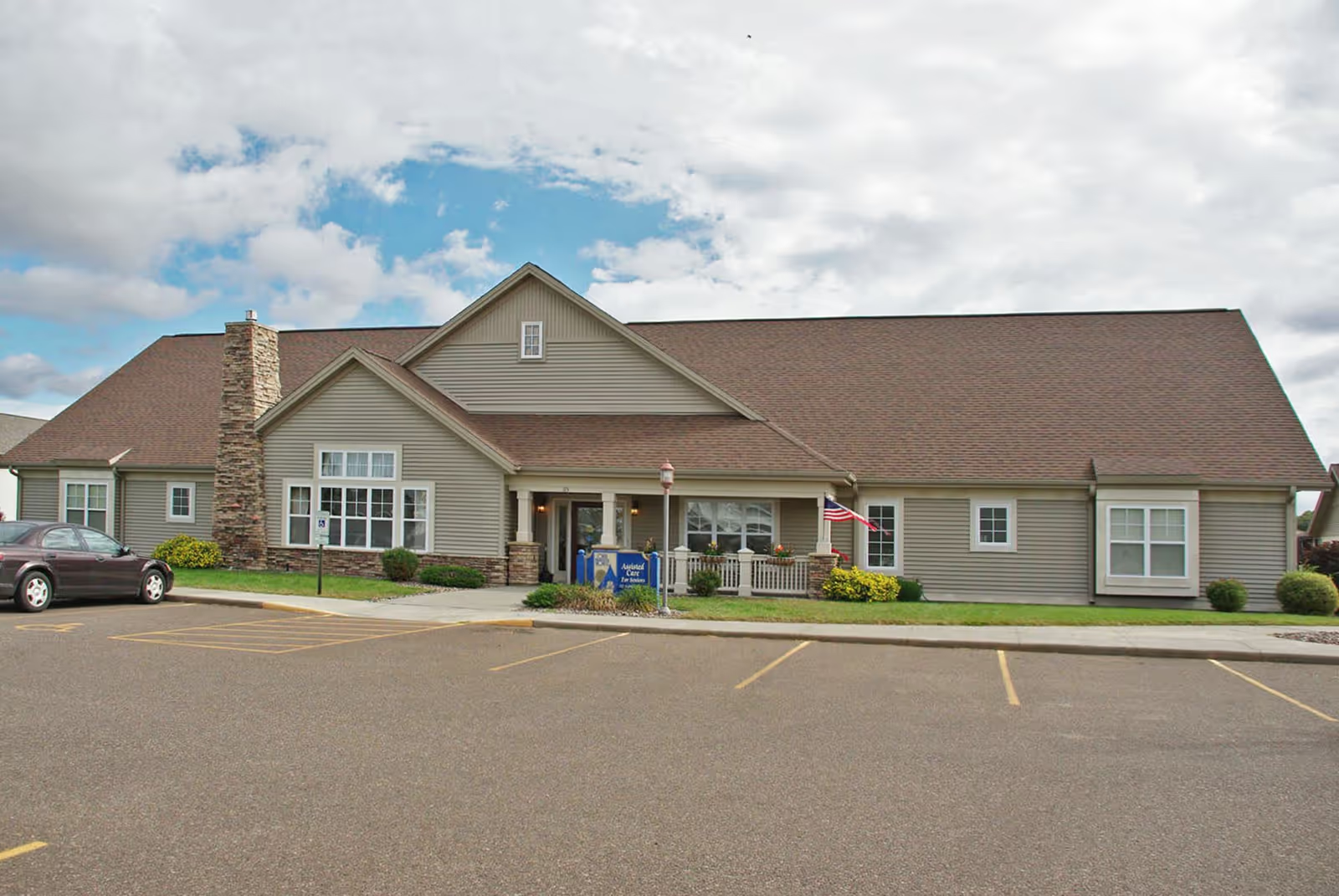
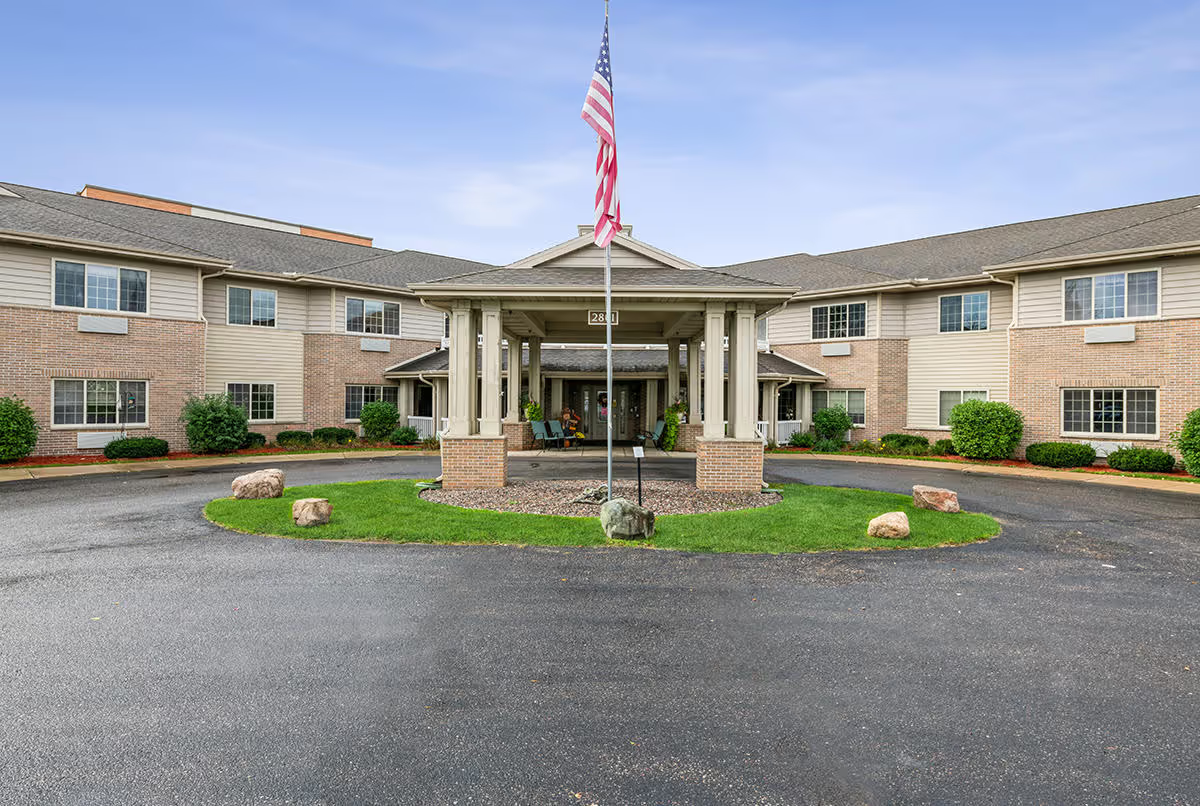
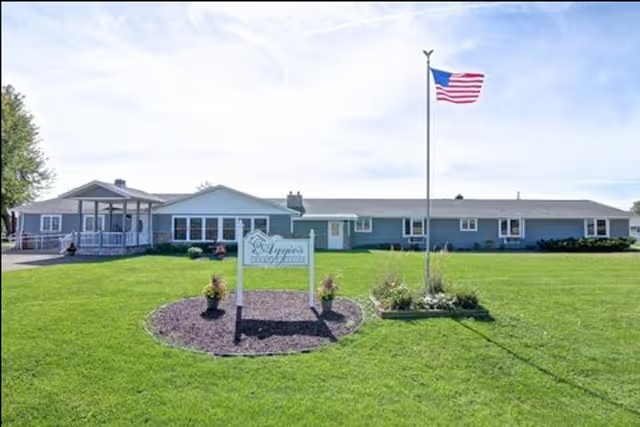
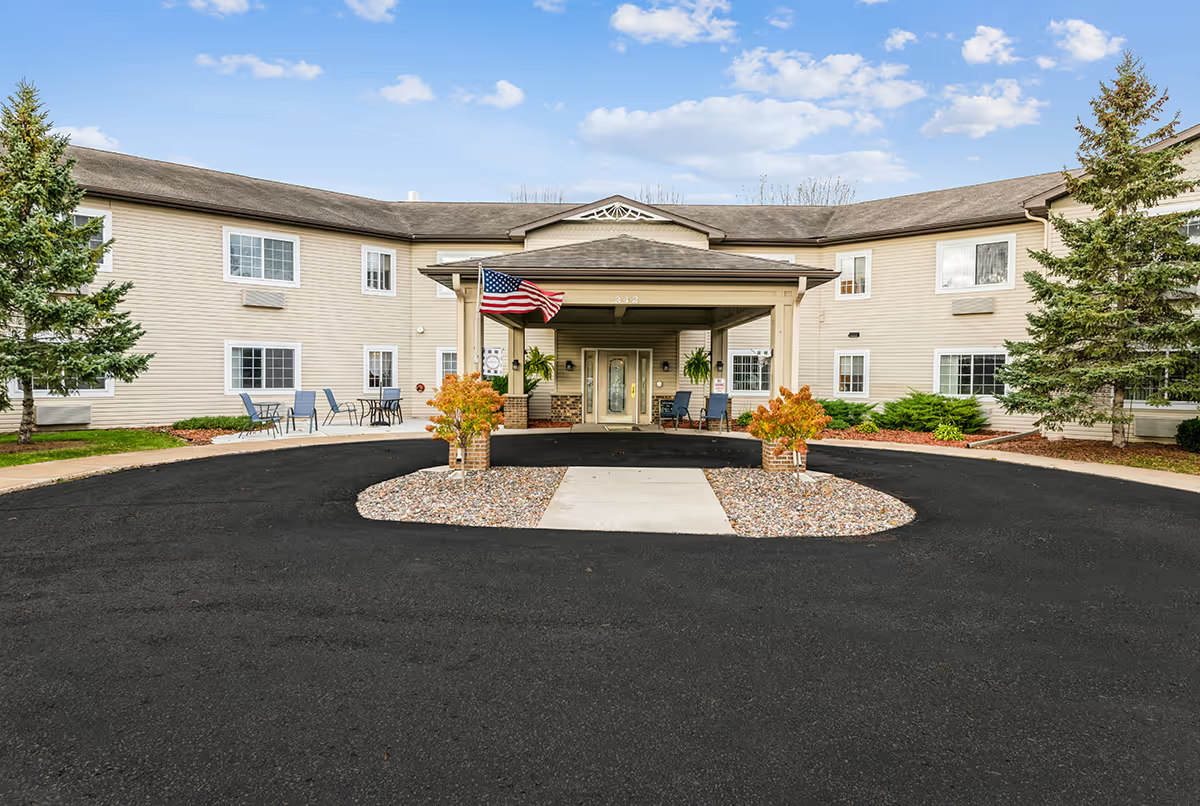
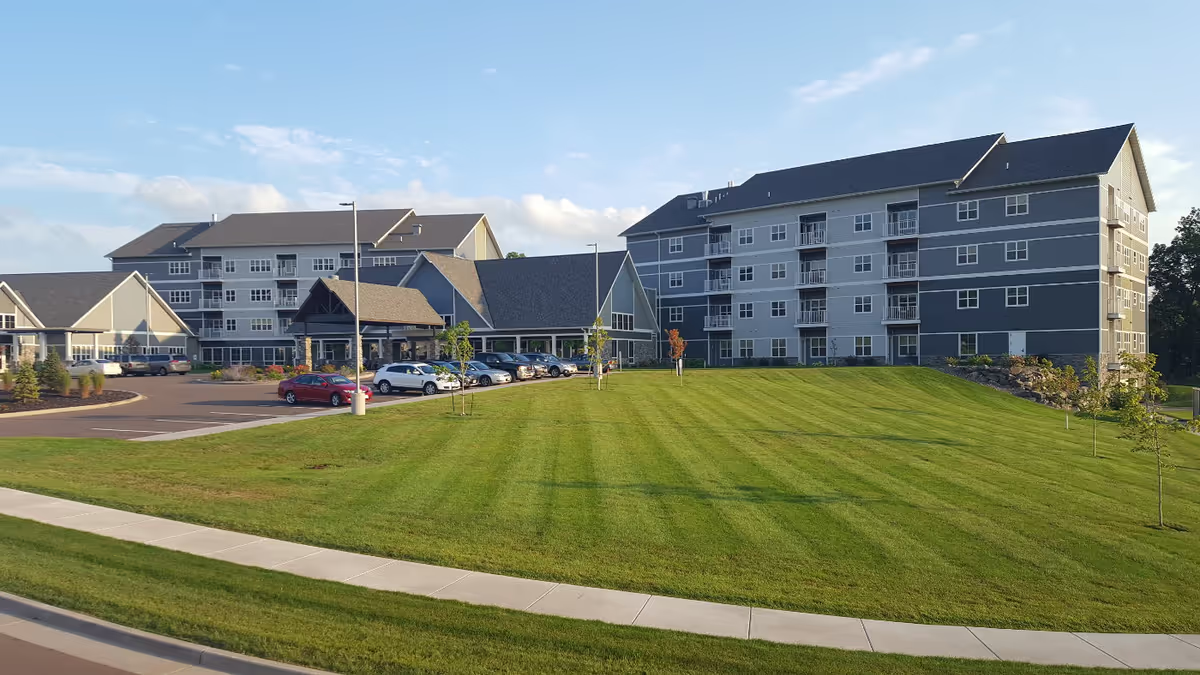
Facilities and building: The building is characterized as older but generally well maintained and attractively decorated. That said, multiple reviewers report temperature-control concerns tied to drafty windows and cold rooms; this appears to be an infrastructure issue related to an aging envelope. Housekeeping and general interior maintenance otherwise receive positive mentions, which moderates the impact of the structural concerns.
Management, visitation, and policies: The facility enforces strong infection-control measures and appointment-based visitation, which some families appreciated for safety reasons. Others found the policies rigid and difficult to navigate; restricted in-room access and limited communication channels were a common source of stress. These patterns indicate a tension between safety-oriented operational practices and the need for flexible family engagement and clearer communication during clinical events.
Notable patterns and considerations for families: Prospective residents and families will likely find strong interpersonal care and good therapy resources here, along with a clean, well-appointed interior and active communal programming. Key topics to investigate during a tour or intake conversation are the facility’s protocols for family communication during clinical incidents, visitation flexibility (including in-room access), conflict-resolution processes with staff, and specific plans for addressing temperature-control issues in resident rooms. Asking for examples of how the facility has managed recent clinical transitions and how it balances infection-control with family access can help clarify whether operational practices align with a family’s expectations.