Care and staff: Review content paints a largely positive picture of day-to-day caregiving at Oak Gardens Place. Many families and residents describe staff as warm, compassionate, and attentive; individual team members and leadership are frequently credited with going beyond expectations during transitions and family communications. At the same time, reviewers identify variability in staffing stability and occasional periods of understaffing. That pattern creates an operational risk of uneven service delivery despite otherwise strong caregiver engagement.
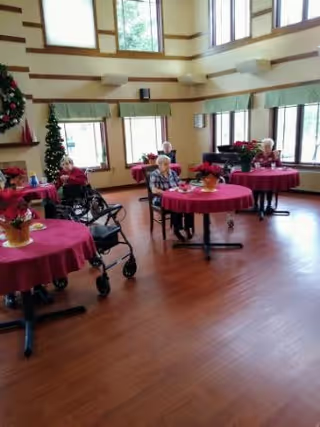
Dining and activities: Dining is commonly described as thoughtful and well prepared, with specific praise for private dining options and a consistent chef presence. However, food quality consistency appears mixed across accounts—some families praise meals highly while others find the cuisine subpar or inconsistent. Activities and programming are a visible strength, with varied offerings and seasonal events that contribute to a family-like atmosphere; reviewers also report instances when scheduled programs did not occur or weekend coverage was limited, indicating inconsistent program delivery at times.
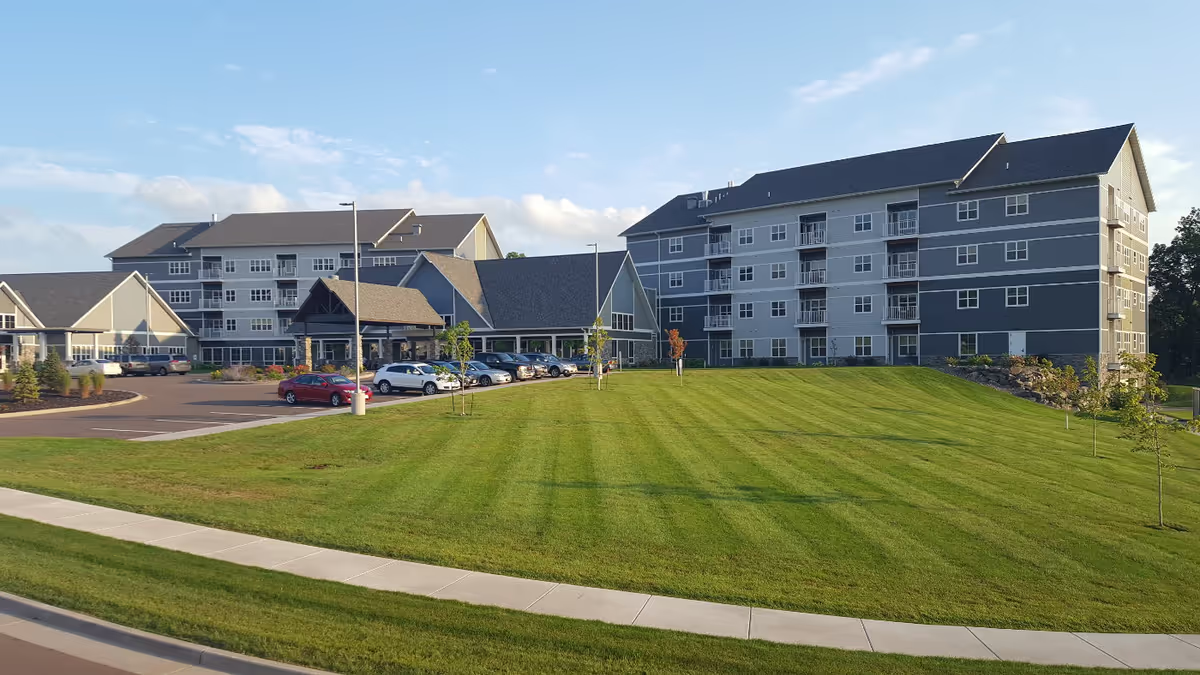
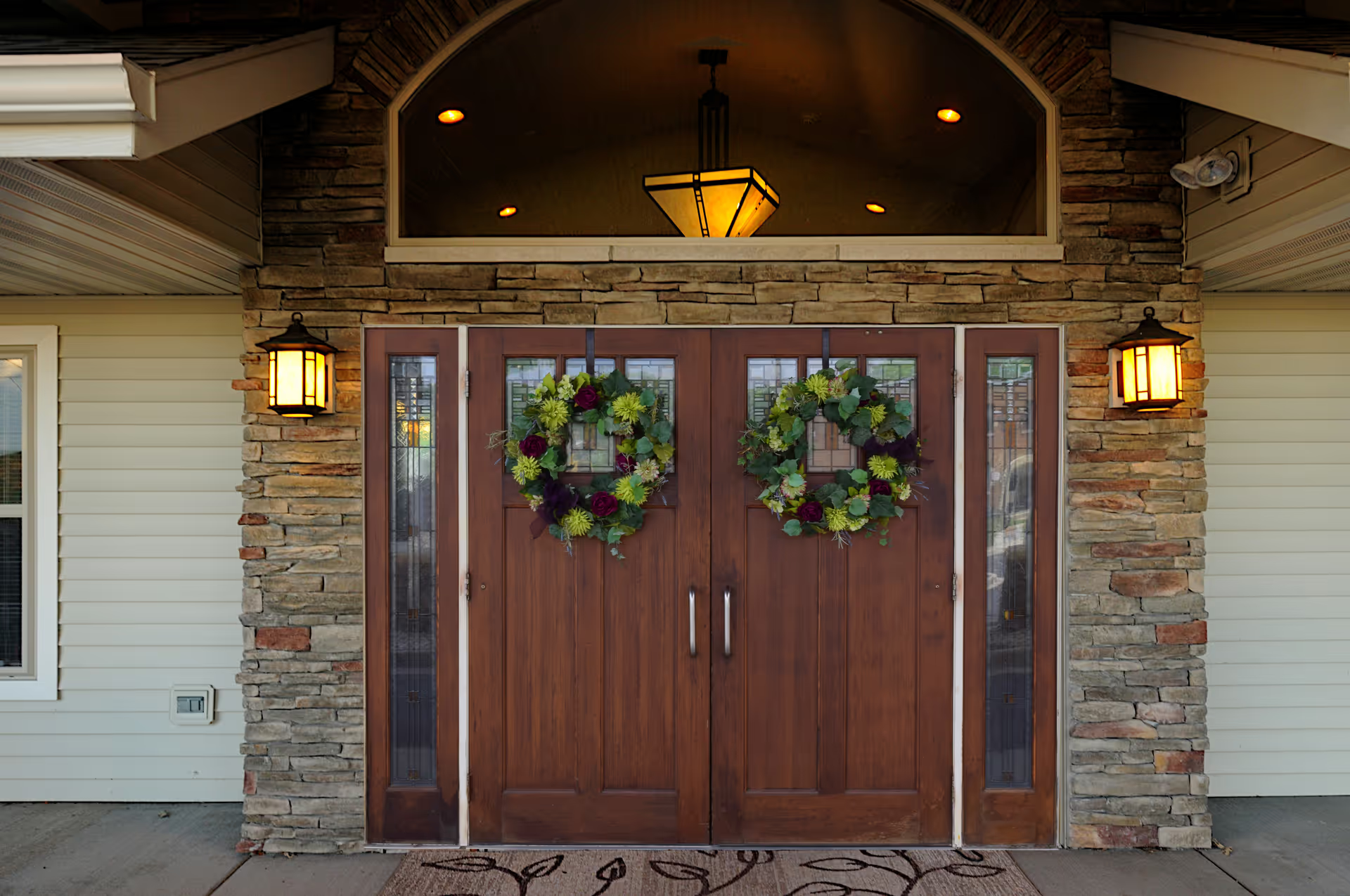
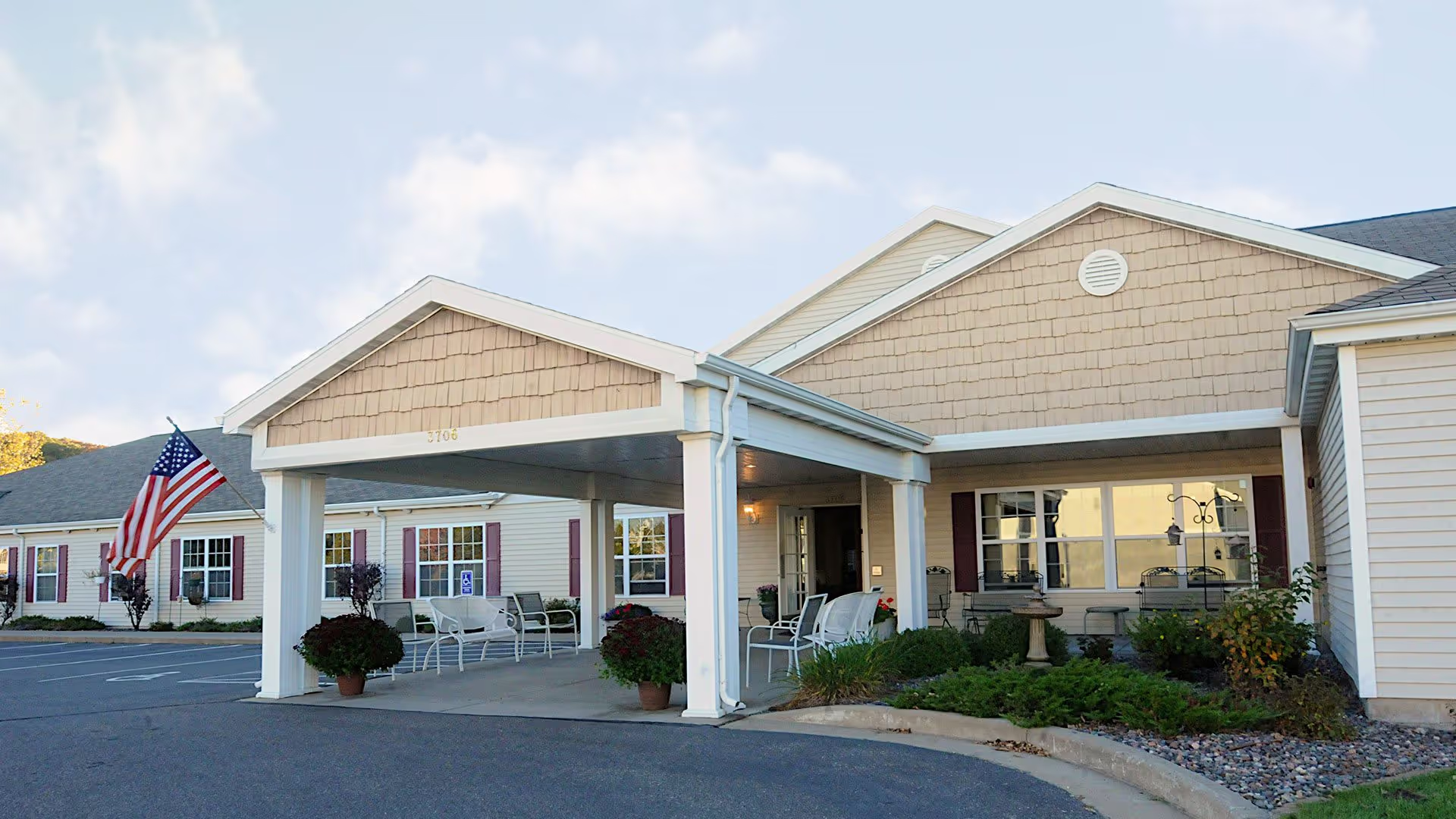
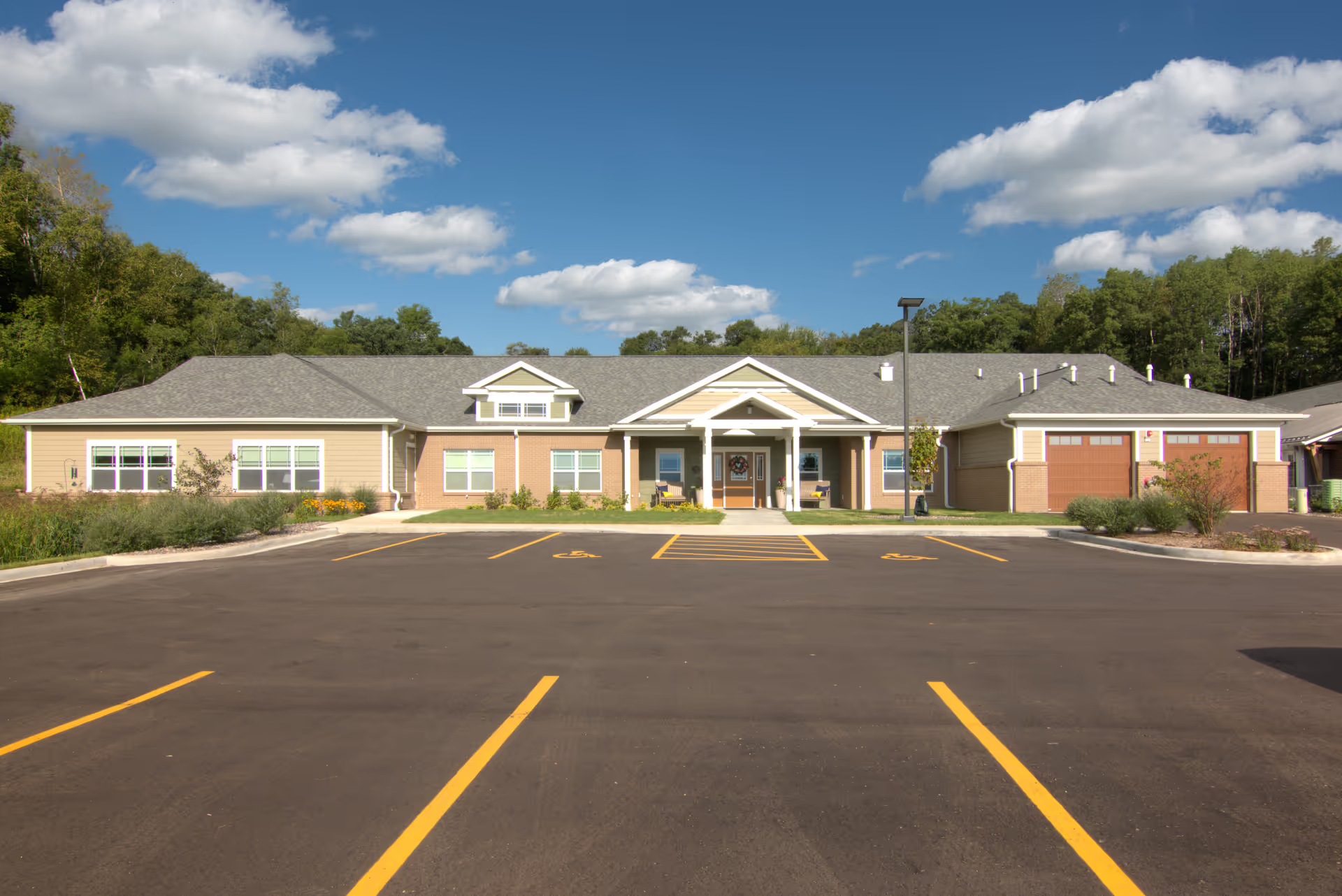
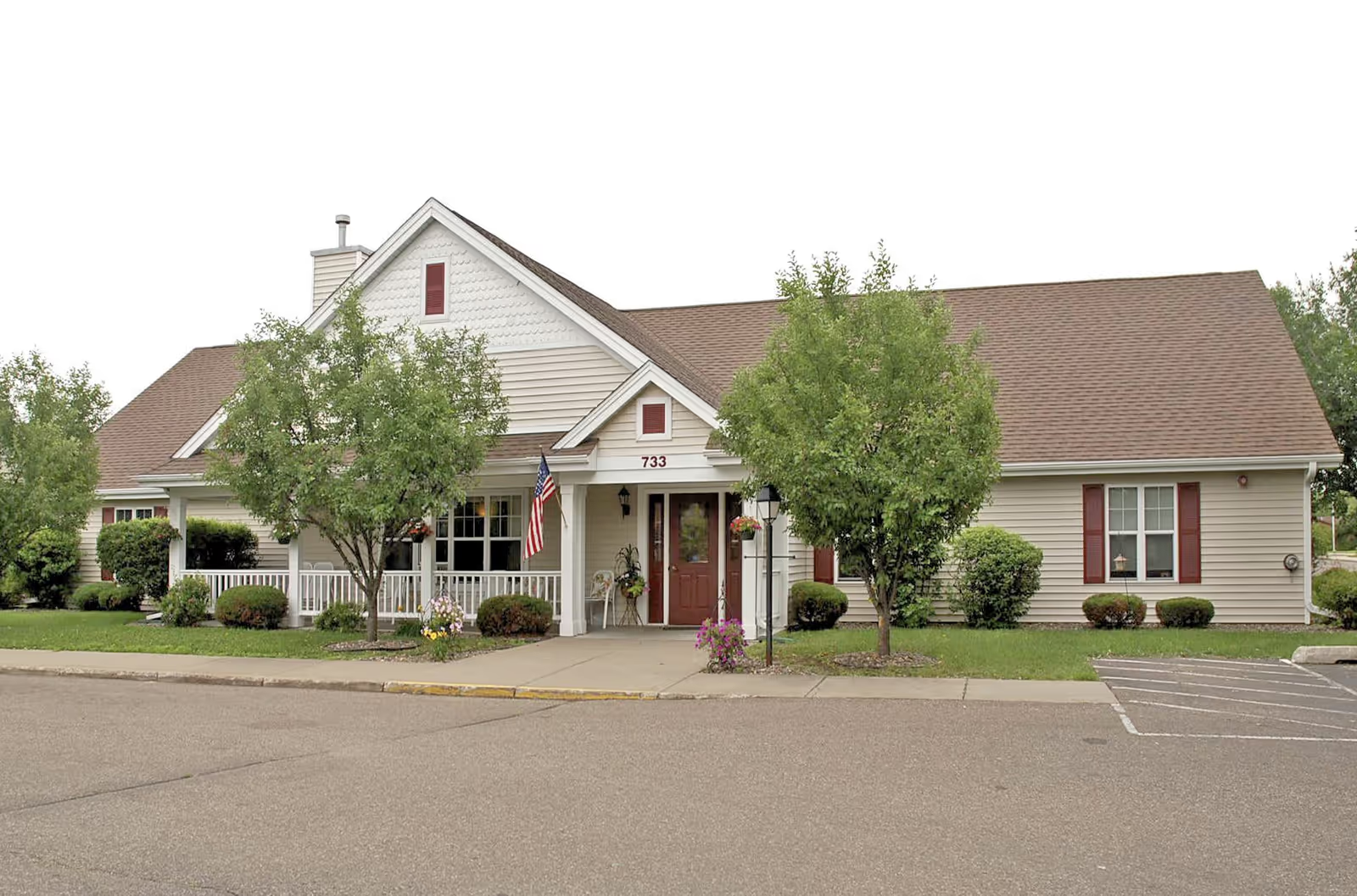
Facilities and amenities: Oak Gardens Place is repeatedly described as clean, homey, and well maintained, with attractive common spaces, patio areas, and useful amenities such as a library, computers, and kitchenettes. Some reviews note layout constraints (smaller gathering spaces, dim lighting in areas) and cramped units for certain residents, suggesting that the building footprint and interior design may not meet every family's expectations. A notable operational concern raised is pest-control in resident units and common areas; this is an important sanitation and maintenance issue that reviewers say requires ongoing attention.
Management and operations: Families report strong, empathetic staff at the point of care but describe variable experiences with management responsiveness and tone. Some accounts praise proactive directors and effective clinical conveniences (for example, in-house INR testing), while others point to perceived problems with leadership communication, administrative decisions, or customer-service interactions. Maintenance reliability is another recurring theme—examples include in-room call-button issues and other equipment/repair needs—which can affect perceived safety and responsiveness.
Special-needs suitability and cost considerations: Several families found Oak Gardens Place supportive for general assisted-living needs and appreciated individualized attention during transitions. A subset of reviewers noted limitations for more advanced memory-care or certain dementia diagnoses, indicating the facility may be better suited to residents with mild-to-moderate care needs rather than complex cognitive-care cases. Pricing perceptions vary; some families consider the value appropriate for the quality and size of the community, while others view costs as high relative to the facility’s scale.
Overall pattern: The overall impression is of a small, family-oriented assisted-living community with many strengths in caregiving, hospitality, and programming. Persistent operational issues to evaluate in person include staffing consistency, pest-control measures, activity-schedule reliability, management responsiveness, and certain maintenance systems. Prospective residents and families should weigh the facility’s strong interpersonal culture and amenities against these operational concerns, and consider targeted questions during a tour (staffing ratios, pest-control protocols, dementia-care scope, activity schedules, and maintenance/call-system response procedures) to determine fit for individual needs.