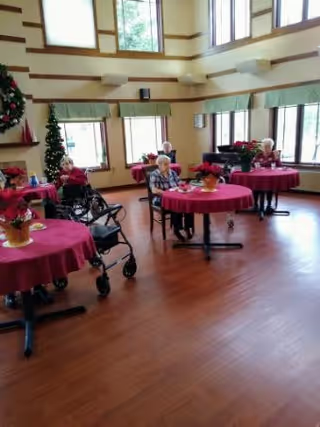
Overall impression across reviews is mixed but leans positive regarding day‑to‑day resident experience. Many families praise the caregiving team as compassionate, attentive and responsive; reviewers frequently describe a warm, home‑like atmosphere, clean and well‑kept spaces, pleasant décor, and features such as music and a resident cat that contribute to resident comfort. Dining receives favorable mention for tasty, home‑style meals and event recognition (birthdays, proms), and the facility’s smaller-unit layout appeals to families seeking an intimate memory‑care setting.
Care quality is characterized by attentive direct care and a family‑oriented approach. Several reviews highlight caregivers who go above and beyond, prompt incident handling, and an overall sense that residents feel secure and valued. At the same time, reviewers raised operational concerns that can affect care consistency: recurring staffing instability and periodic understaffing were linked to the need for frequent staff reminders and uneven daily coverage. A subset of comments also point to variability in staff competency and training, which can create inconsistent experiences between shifts or caregivers.
Activities and programming generate both praise and criticism. Where present, activities are described as engaging, meaningful, and well‑run; reviewers note celebrations and social events that support resident engagement. However, other families reported insufficient activity frequency or scheduling issues, suggesting that program consistency may depend on staffing and the activities director’s availability. Dining and communal life are generally positive, but families should ask about menu rotation, special-diet accommodations, and how events are scheduled.
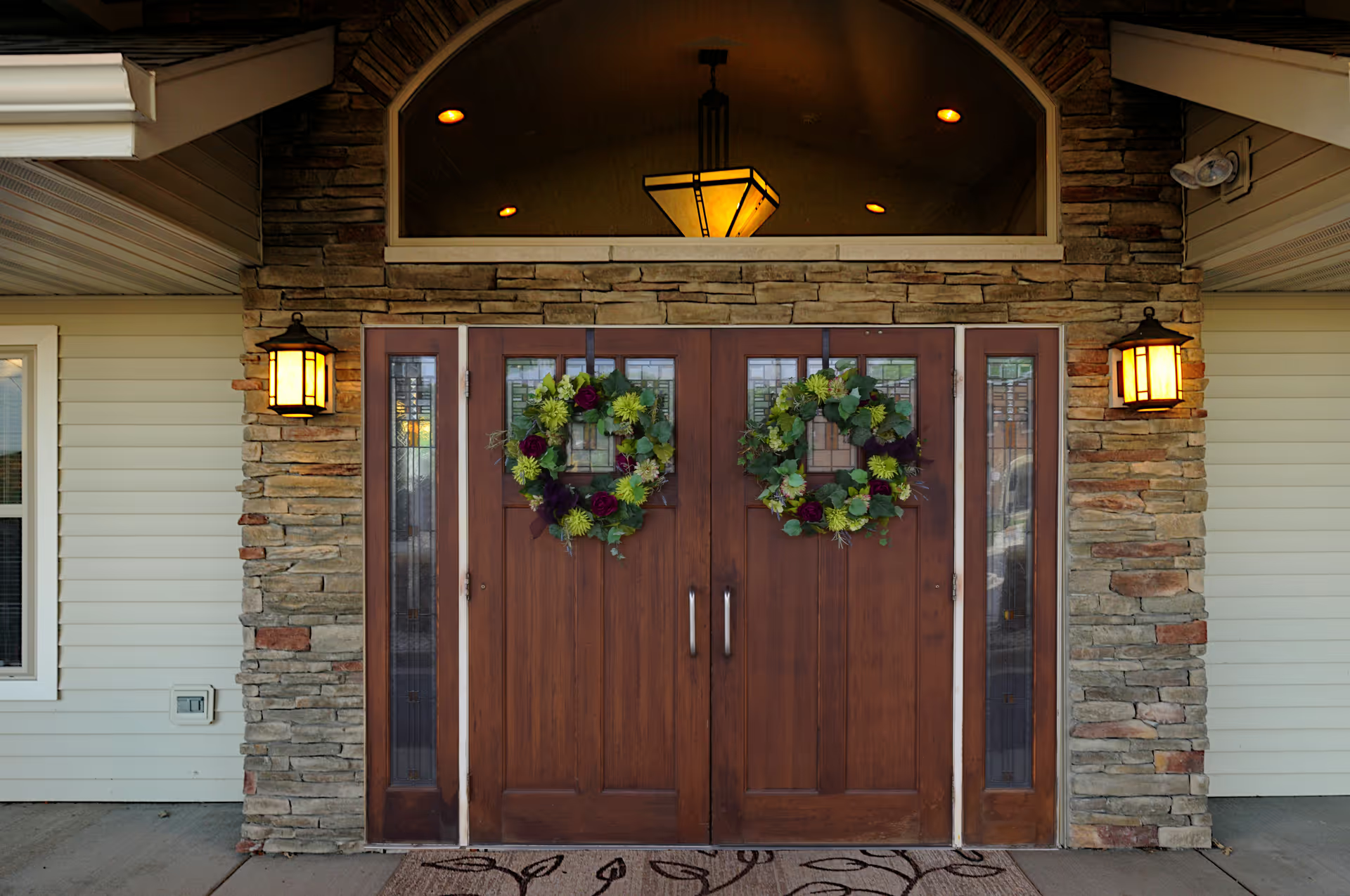
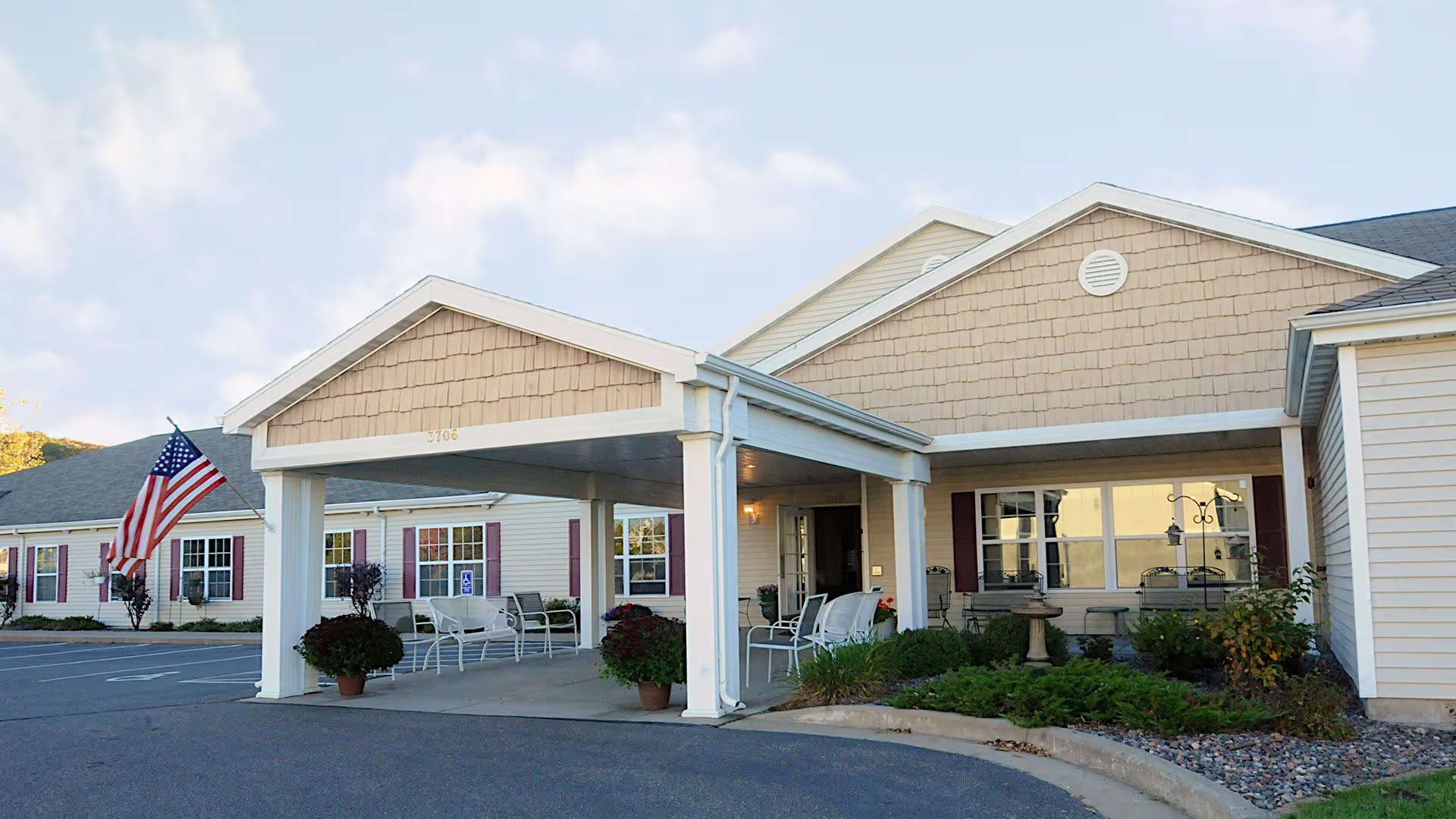
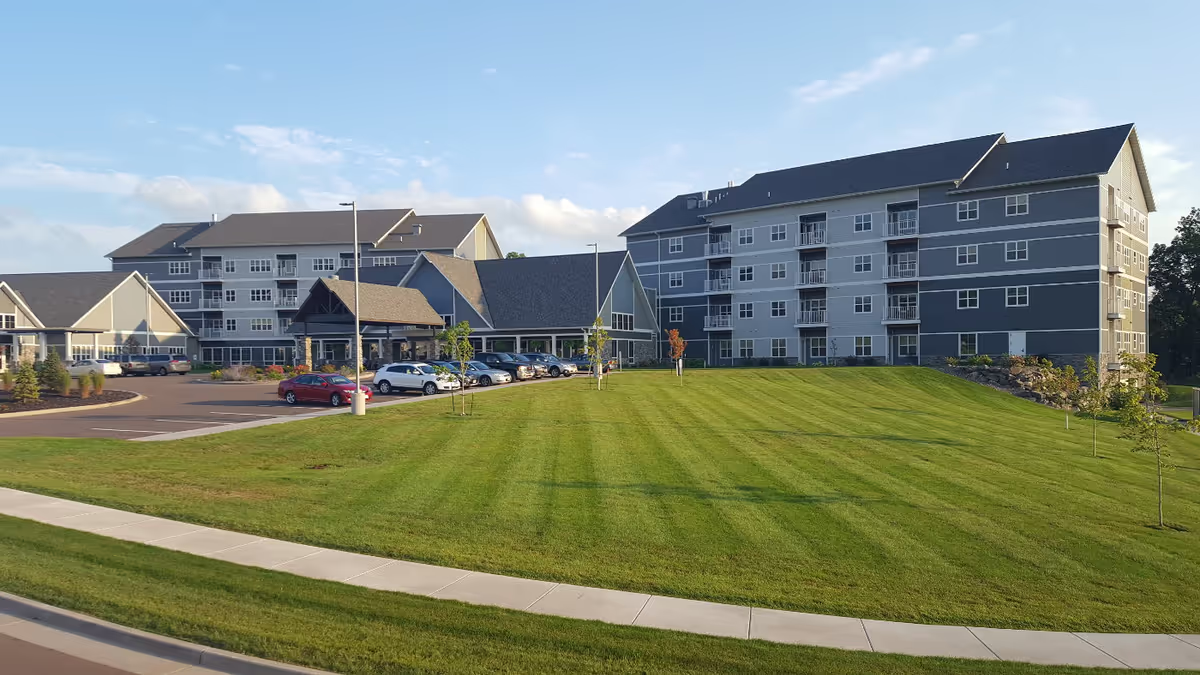
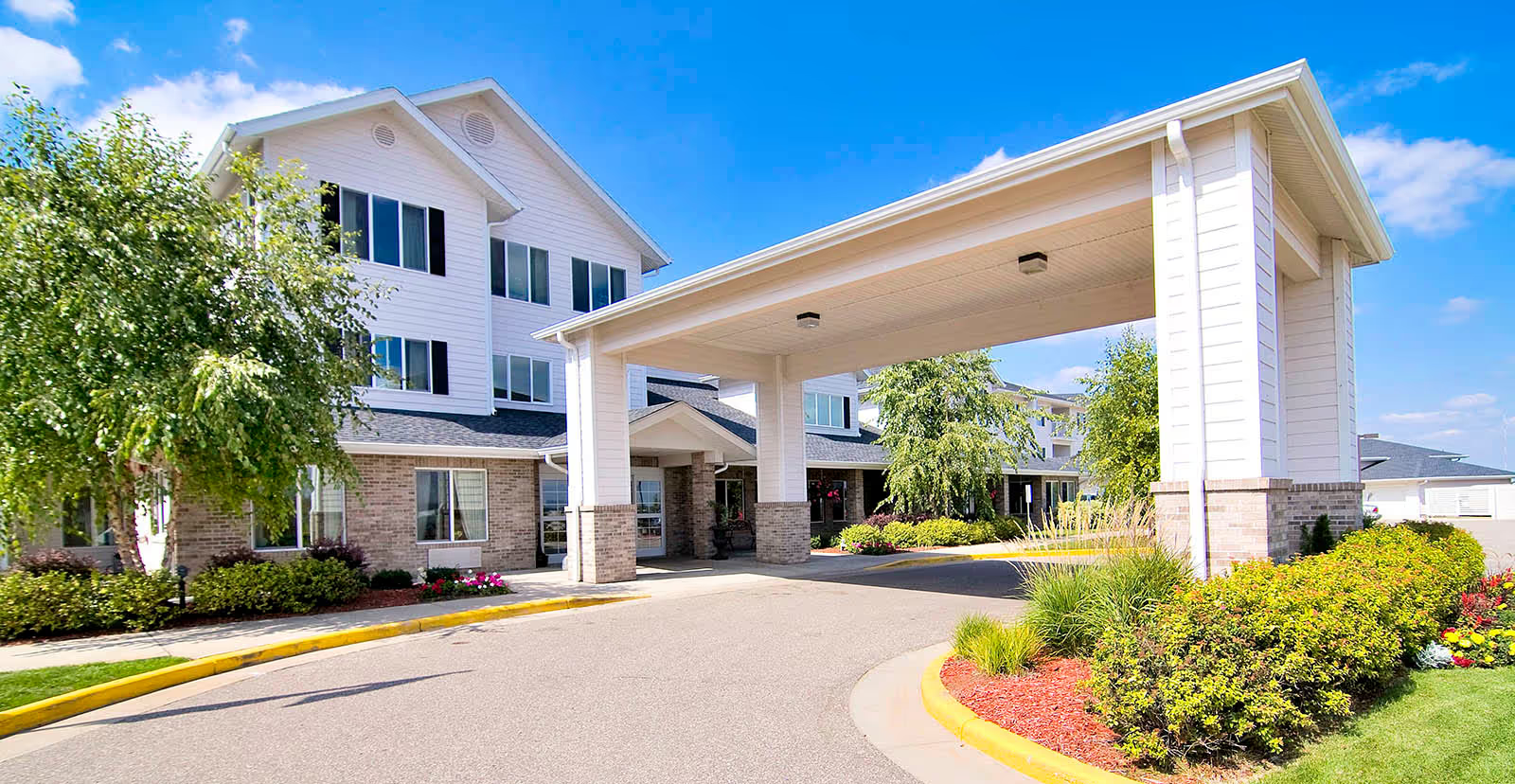
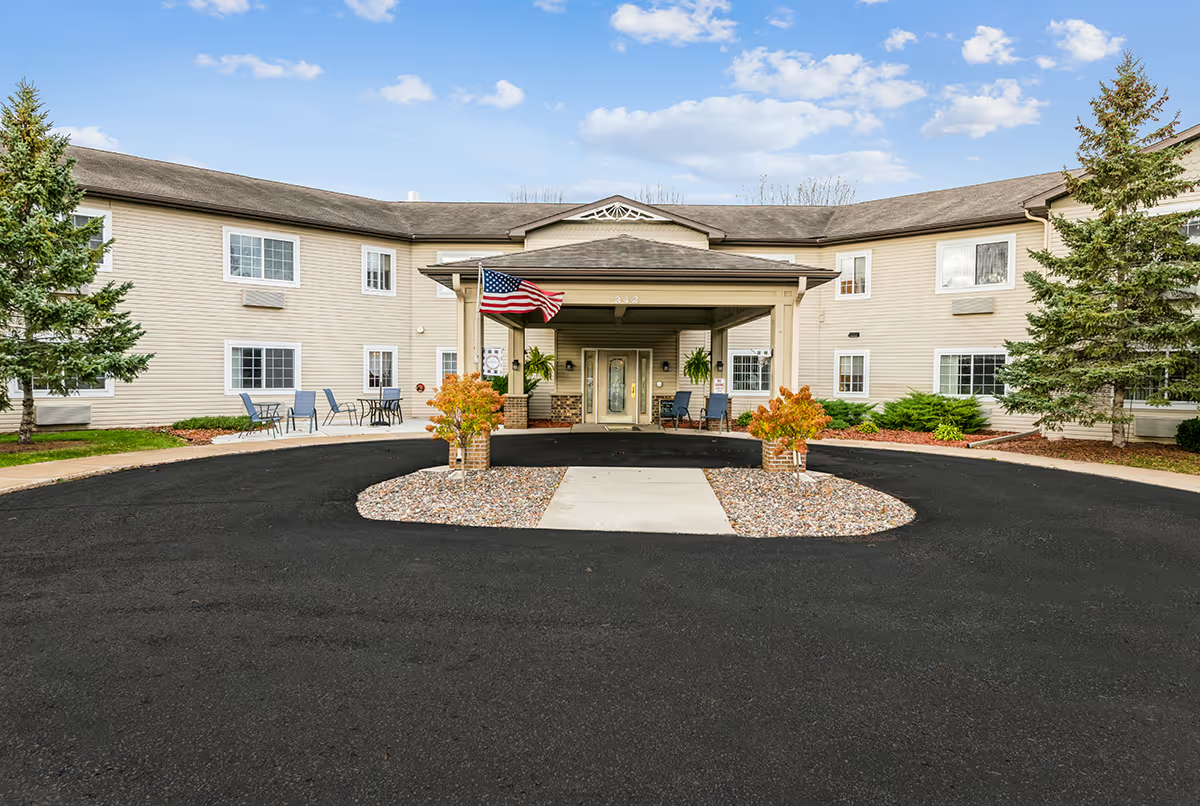
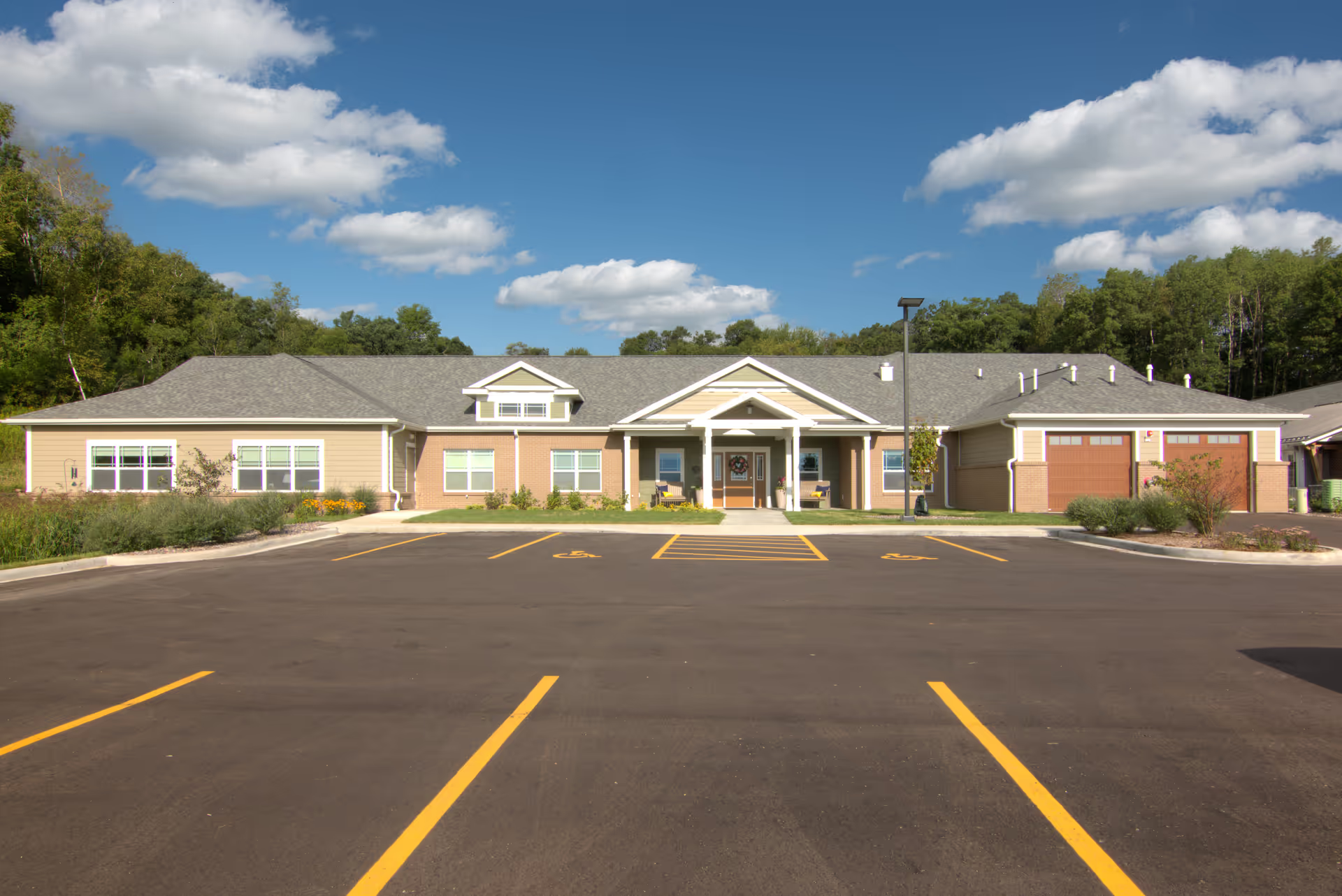
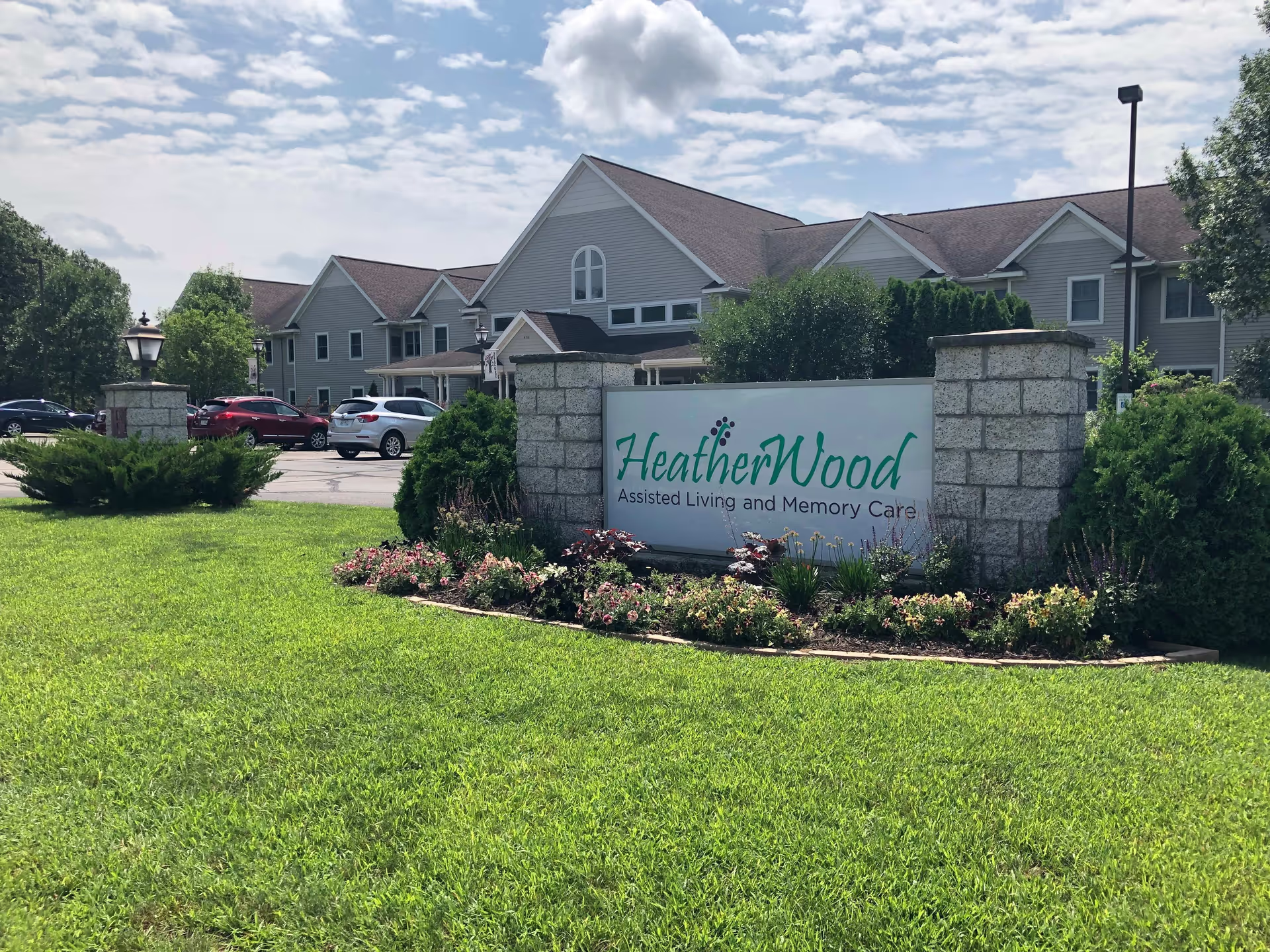
Facility and amenities receive consistently positive remarks: the interior is described as clean, nicely decorated, and comfortable, with adequately sized rooms for many residents and usable outdoor sitting areas. Yet some families perceived a mismatch between the unit’s memory‑care level and their loved one’s needs, indicating the importance of confirming clinical capability and acuity thresholds during tours.
Management and operational practices show a mixed pattern. While some reviewers describe management as warm, responsive, and trustworthy, others note frequent leadership turnover, confusing transitions, and lapses in communication—especially regarding changes in resident status or management personnel. Operational weaknesses surfaced around property and financial controls (petty‑cash handling and missing clothing), laundry processes (clothing damage and misplacement), and allegations of serious safety oversight gaps, including claims of employee substance use; these latter claims suggest prospective families should seek clear policies on employee screening, drug testing, and incident investigation.
Practical considerations for prospective families: during a visit, ask about current staffing ratios and turnover, how the facility communicates care-plan changes to families, the onboarding and ongoing training processes for caregivers, employee screening and safety monitoring, laundry and personal‑belongings protocols, and the typical frequency and types of activities offered. Overall, the facility presents many strengths in person‑centered care and environment, but the operational issues noted above warrant direct inquiry to determine whether the facility’s current practices match your expectations for safety, consistency, and clinical fit.