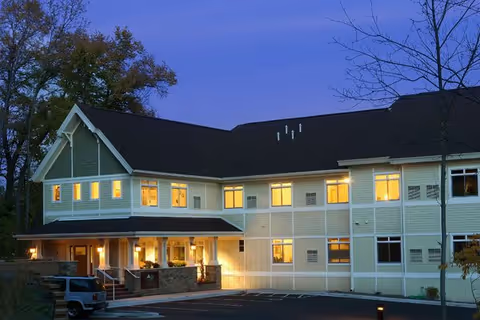
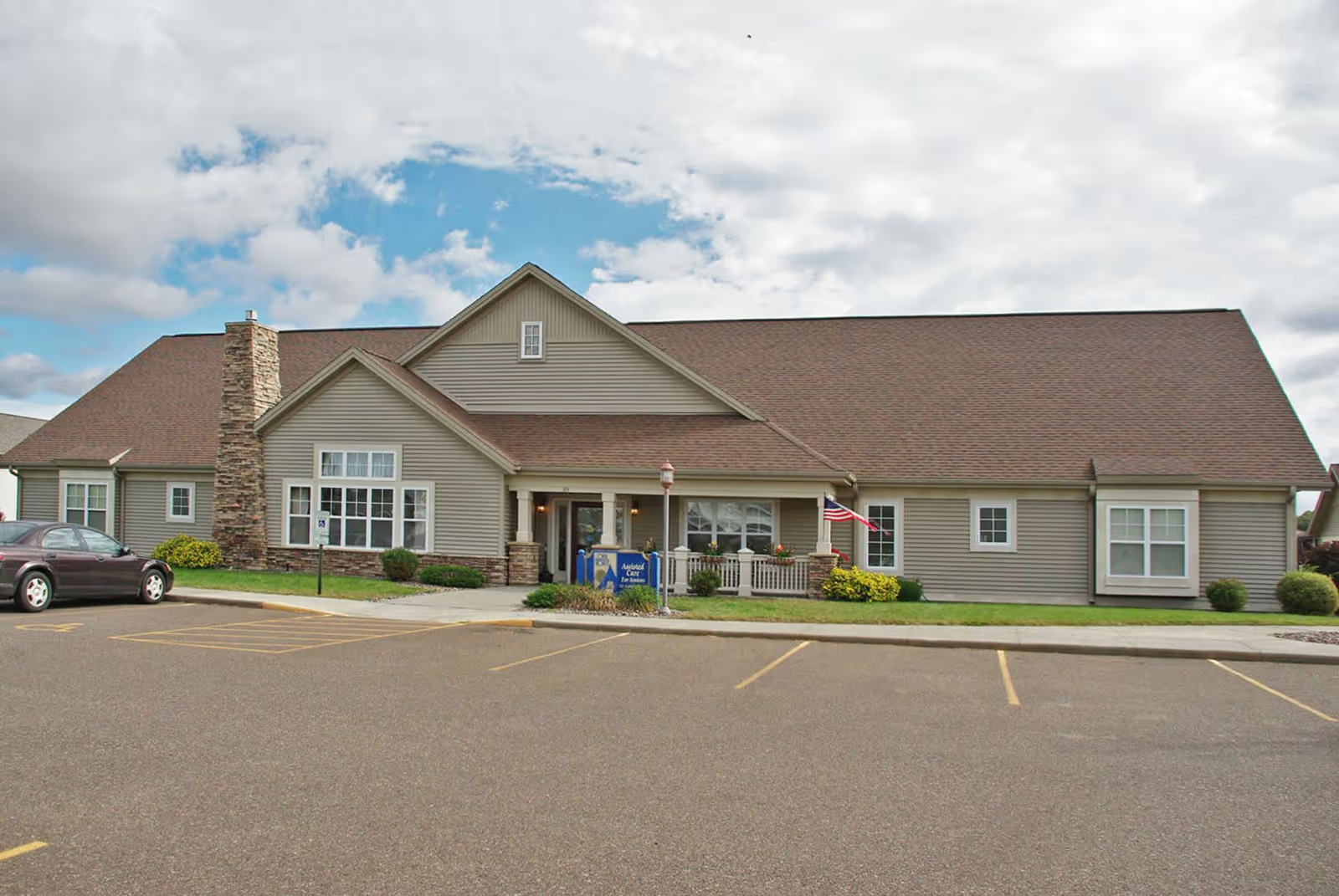
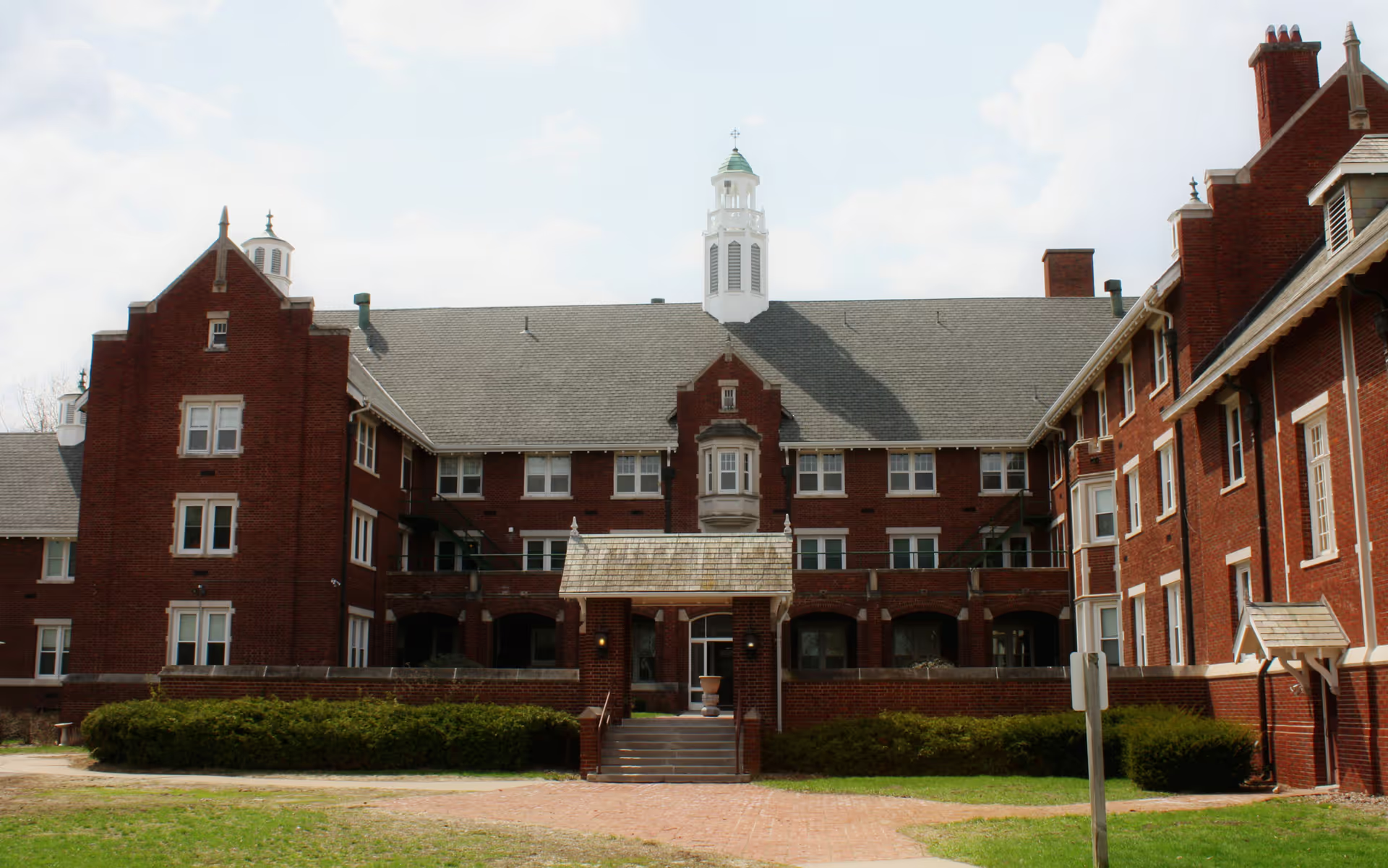
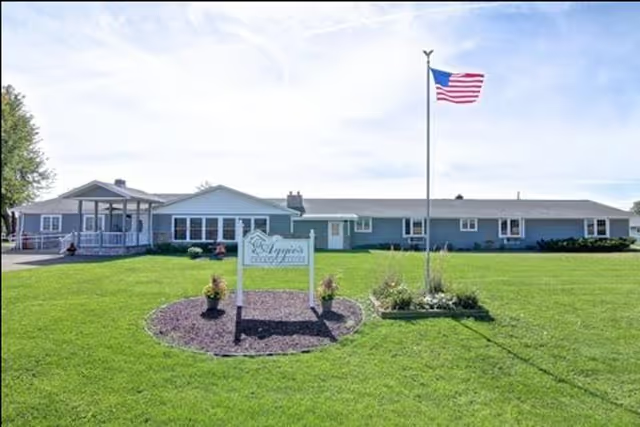
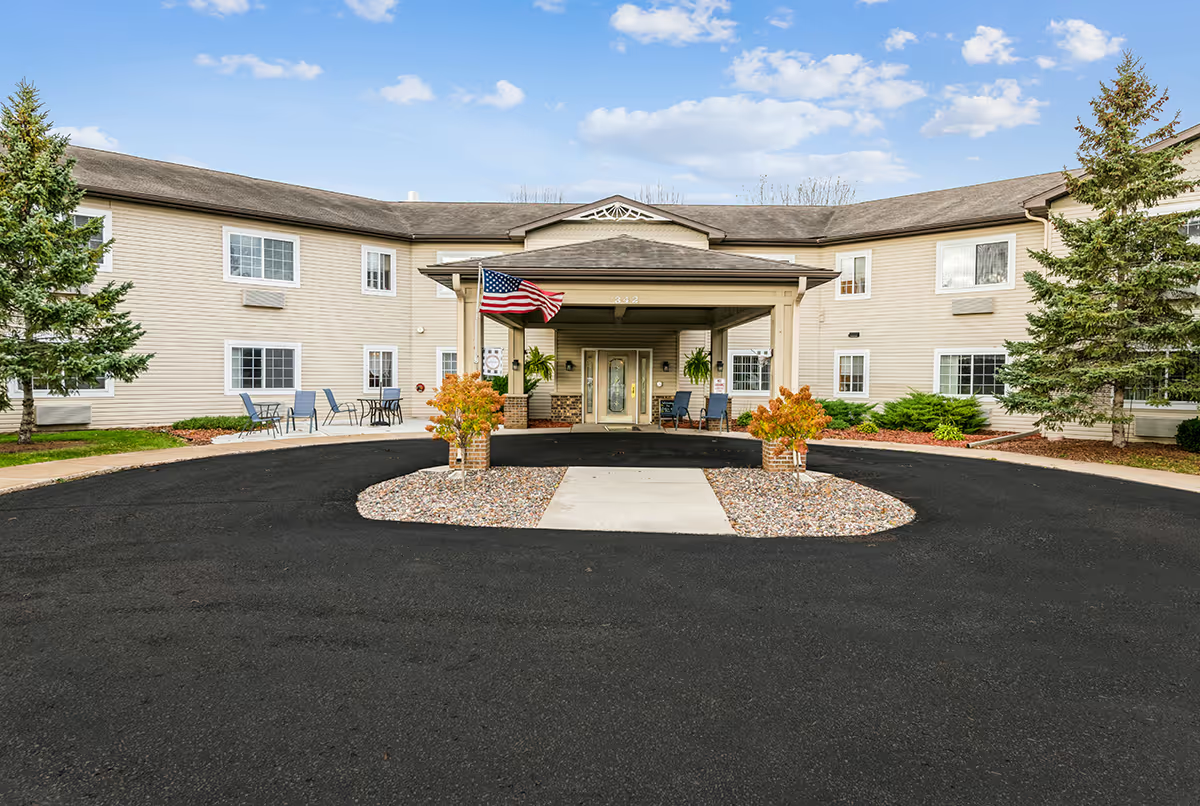
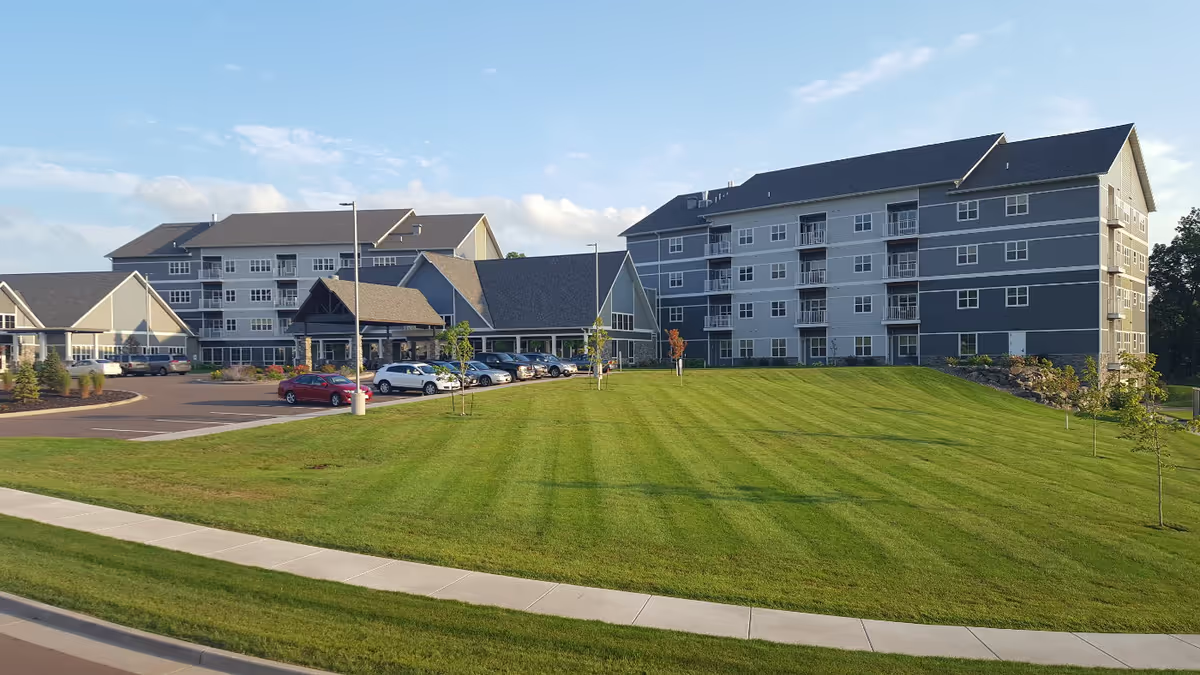
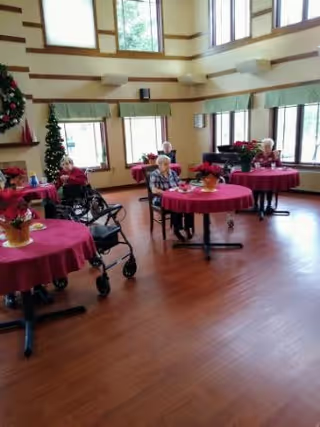
LakeHouse Chippewa Falls (formerly Wissota Place in many accounts) presents as a well-appointed, modern assisted-living community with numerous operational strengths. Most reviewers highlight a clean, bright, and attractively decorated physical environment, spacious common areas and dining rooms, convenient design features such as elevators and a covered tunnel to the adjacent hospital, and on-site rehabilitation services. Housekeeping, maintenance, and ancillary services (laundry, beauty/barber) are frequently mentioned as reliable, contributing to a comfortable, home-like atmosphere.
Staffing and direct care receive strong positive comment in many summaries: caregivers are described as compassionate, attentive, and family-oriented, with on-site nurses available for medication management and routine clinical needs. Families cite timely prescription refills, regular care evaluations, and preservation of resident independence as notable strengths. The community also receives consistent praise for its social programming — a busy life-enrichment calendar, varied activities and outings, and opportunities for communal and faith-based participation that support resident engagement and socialization.
Dining and resident services are generally regarded as a positive feature. Numerous accounts praise good-quality meals, multiple entrée choices, accommodating kitchen staff, and flexible dining arrangements (private or group dining). That said, there is some variability noted: a subset of comments references limited variety or uneven meal consistency, so prospective residents may want to sample current menus and ask about dietary accommodations.
Several operational concerns recur across summaries and should be weighed alongside the positives. Staffing instability — expressed as high turnover and periodic understaffing — is the most frequent operational theme and can affect continuity of care. Related to staffing are reports of inconsistent training and follow-through on tasks; some families described delays or gaps in responding to medical issues and perceived shortfalls in consistent execution of care plans. There are also isolated sanitation concerns referenced for certain resident rooms, which suggest variability in housekeeping thoroughness rather than a uniform condition across the facility.
Administrative and management issues appear mixed. Many reviewers praise a proactive director and responsive staff who resolve problems and communicate well, but others describe gaps in management follow-through, billing transparency (including meal charges for guests), and stress during ownership or management transitions. Those transitions are described as potential sources of disruption to care continuity; prospective residents should ask about recent changes in ownership or leadership and how continuity of care is ensured during transitions.
Suitability considerations: LakeHouse is presented as a strong option for seniors seeking an active, social assisted-living environment with access to nursing support and nearby medical/rehab services. It may be less appropriate for persons requiring specialized memory-care programs or higher-intensity clinical supervision; the facility’s limits on certain dementia placements are noted. Recommended next steps for families: arrange an in-person tour, meet nursing and life-enrichment staff, sample the food, review staffing ratios and turnover trends, ask for current housekeeping and infection-control protocols, and clarify billing practices and how the community manages transitions in ownership or leadership.