Reviews present a mixed picture of Colonial Health Services, with distinct areas of strength alongside recurring operational weaknesses. Positive feedback highlights compassionate bedside staff, accessible management, and effective therapy services; these attributes contribute to a sense of warmth and individualized care for some residents. At the same time, several reviews identify service inconsistencies that families should evaluate during a tour and intake discussion.
Care quality appears variable. Many families praised attentive direct-care staff, physical and occupational therapists, and individualized personal care that supported mobility and recovery goals. Conversely, other accounts point to lapses in clinical coordination, delayed or inconsistent response to care needs, and instances requiring hospital readmission. These patterns suggest uneven clinical oversight and escalation practices; prospective families may wish to ask about care-plan review frequency, communication protocols with primary physicians, and how the facility documents and responds to changes in condition.
Staff and management are a focal point of this variability. Positive comments describe responsive leadership, prompt resolution of issues, and courteous staff interactions. Negative comments point to inconsistent staff conduct, concerns about staff availability, and at least one allegation of a privacy breach. There are also indications of property-management weaknesses such as items misplaced during transitions. These suggest that training, staffing stability, and internal communication processes may differ across shifts or units.
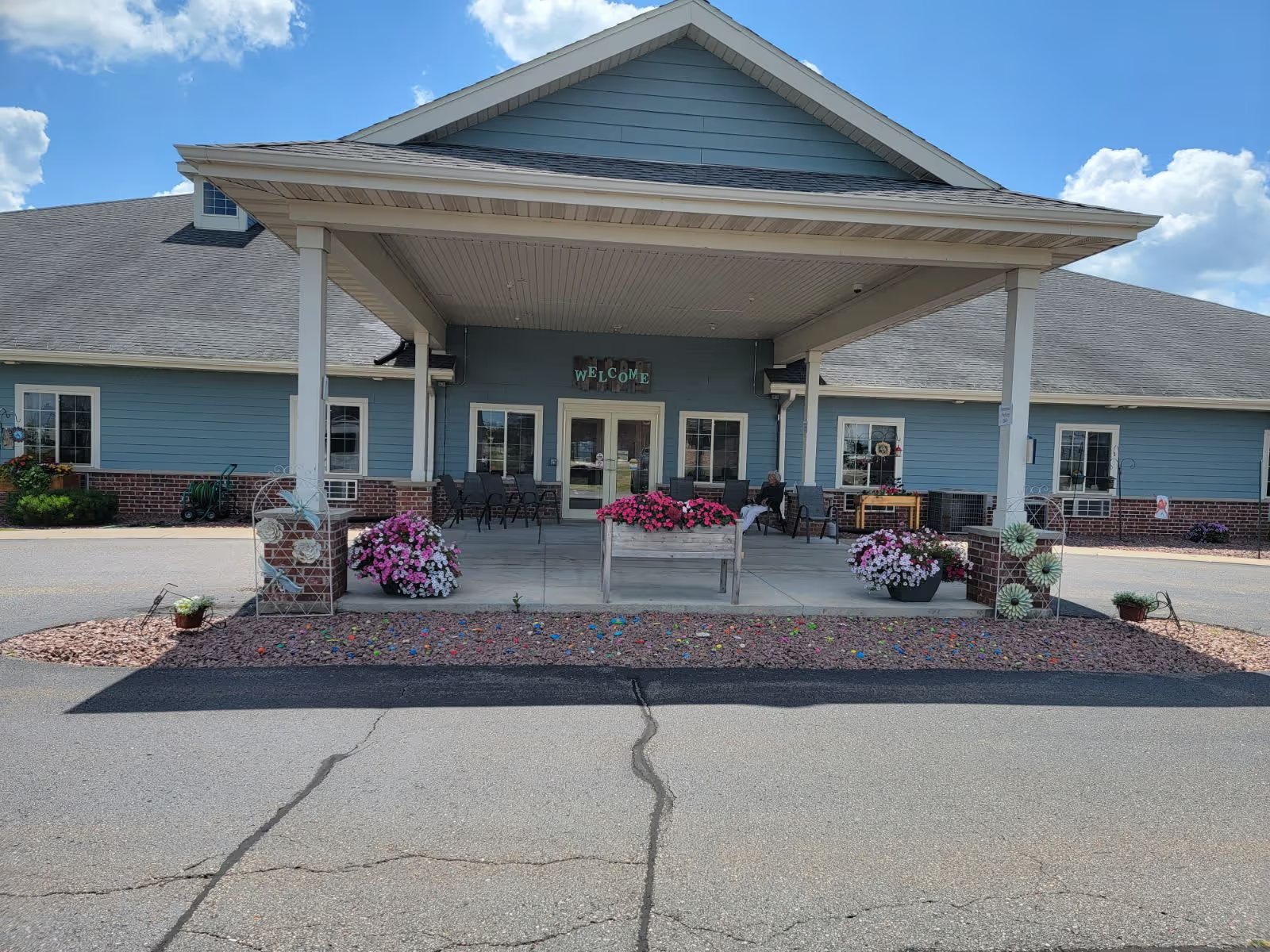
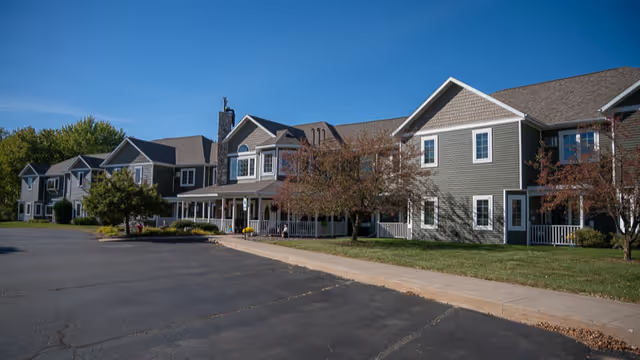
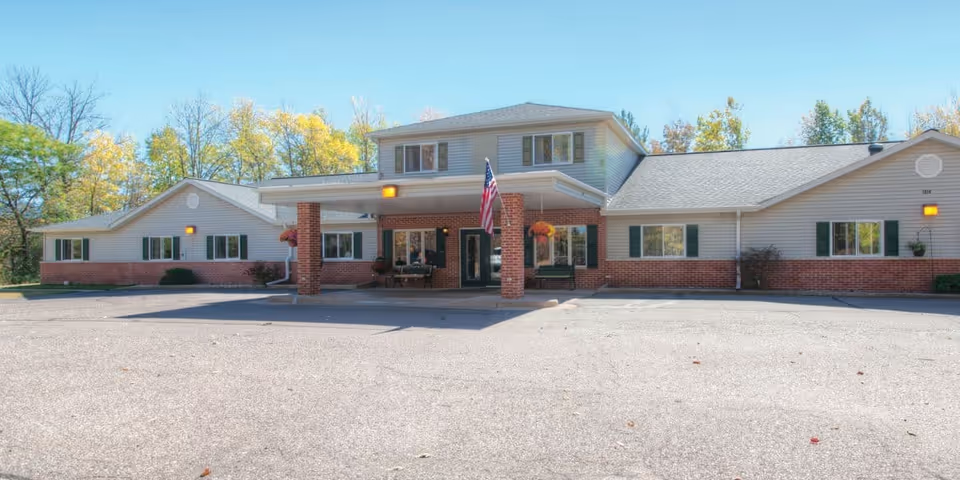
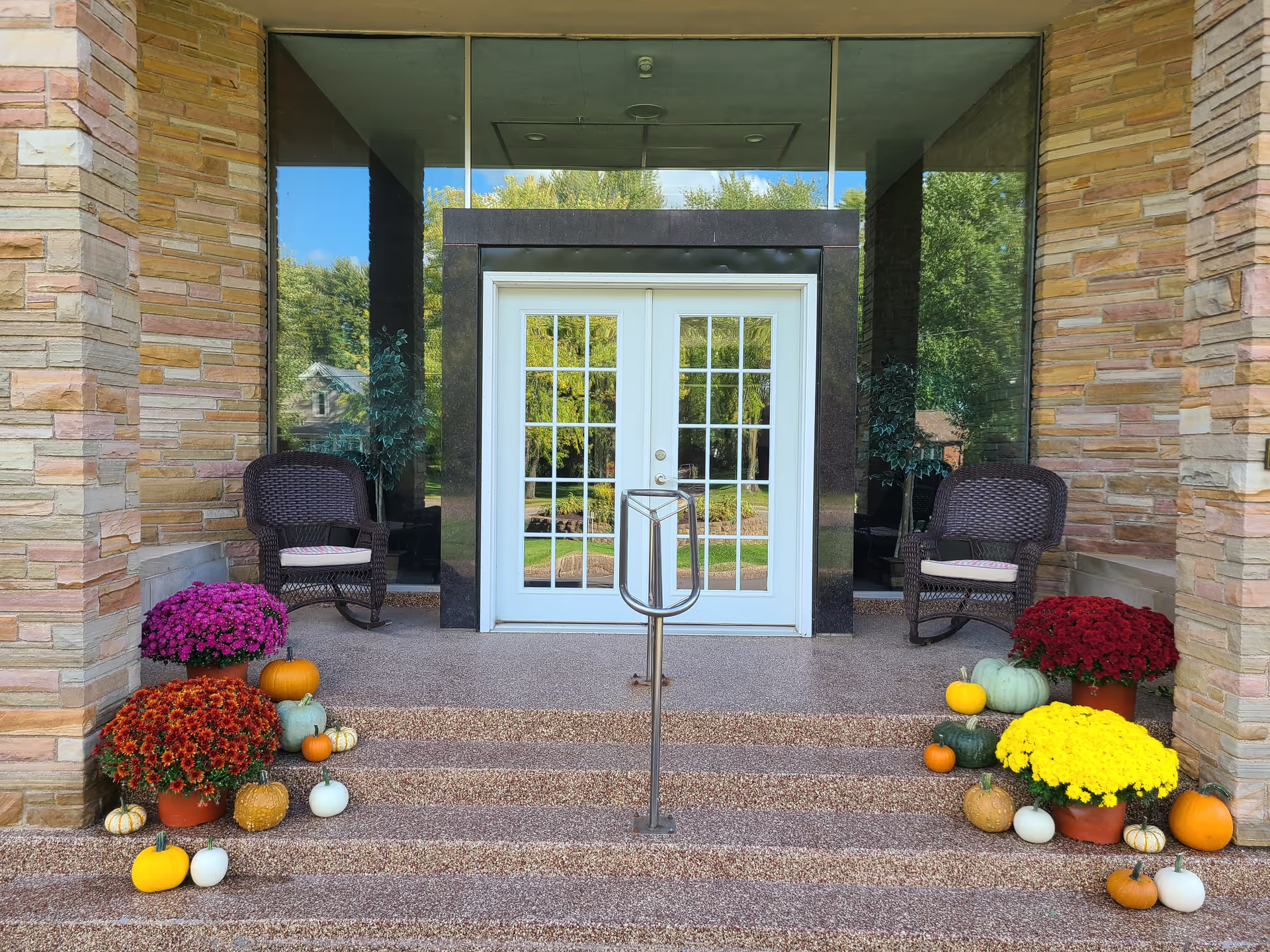
Dining, activities, and the residential environment likewise show a split. Several reviewers described good food, spacious rooms, and a clean, odor-free facility with a warm atmosphere. Opposing reports raised concerns about inadequate mealtime assistance, social isolation at meals, and room-level cleanliness problems. Mobility and fall-prevention practices were also mentioned as an area of concern in a subset of reviews, indicating that fall-risk management and assistance with transfers are important topics to review in person.
Notable patterns for decision-making: verify the facility’s advertised level of care against written contracts and care plans; ask for specific examples of interdisciplinary communication with physicians; request information on staffing ratios, staff turnover, and training; review policies for property handling and transitions; and clarify what dining assistance and social programming are provided for residents who require support. Overall, the facility demonstrates clear strengths in therapy and some direct-care relationships, but the variability in operational consistency means families should perform targeted due diligence to assess whether the facility’s routines and safeguards match their loved one’s needs.