Overall impression: Reviews indicate a facility with strong interpersonal strengths and a busy, activity-rich program, alongside recurring operational and administrative weaknesses. Many families and residents praised the warmth of the staff, a robust schedule of social and recreational programming, and consistently positive dining experiences. At the same time, recurring concerns appear around staffing levels, communication, billing clarity, and some aspects of housekeeping and safety.
Care and staff: A large portion of feedback highlights compassionate, friendly, and attentive caregivers who create a family-like atmosphere and deliver patient-centered care. Several comments singled out staff knowledgeable with dementia and Alzheimer’s needs and noted inclusive accommodations for residents with vision impairment. However, there is a parallel pattern of staffing shortfalls — especially on weekends and off shifts — that have translated into slower response times to assistance requests and uneven availability of personnel. Some reviewers described gaps in staff training for specialized memory-care needs, suggesting variability in clinical competencies across shifts or teams.
Dining and activities: Dining receives consistently high marks: reviewers report three daily meals that are tasty, plentiful, and perceived as nutritious, with snacks available and occasional weight changes noted. Activities are a clear strength — a wide range of on-site programming (music, exercise, crafts, puzzles), frequent outings, and social events create a lively atmosphere and many residents report improved mood and engagement after moving in. Therapeutic touches, such as automated pet alternatives and tailored supports, were also noted.
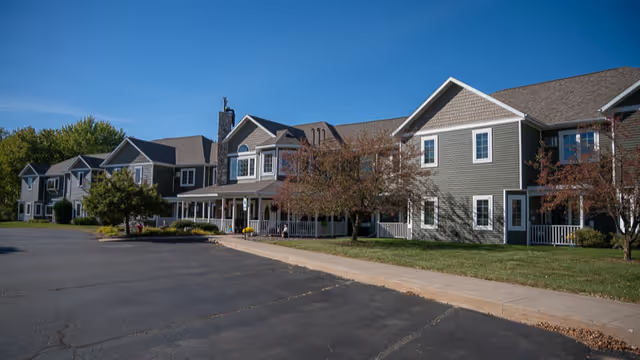
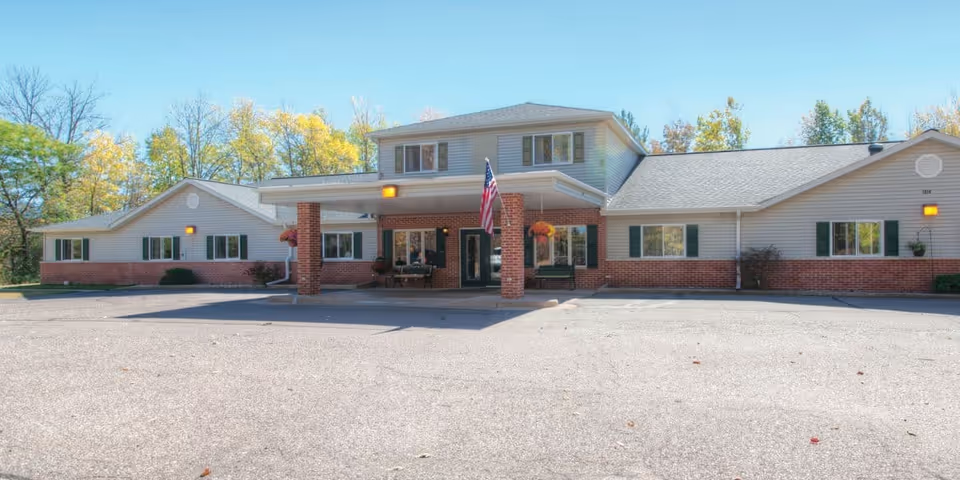
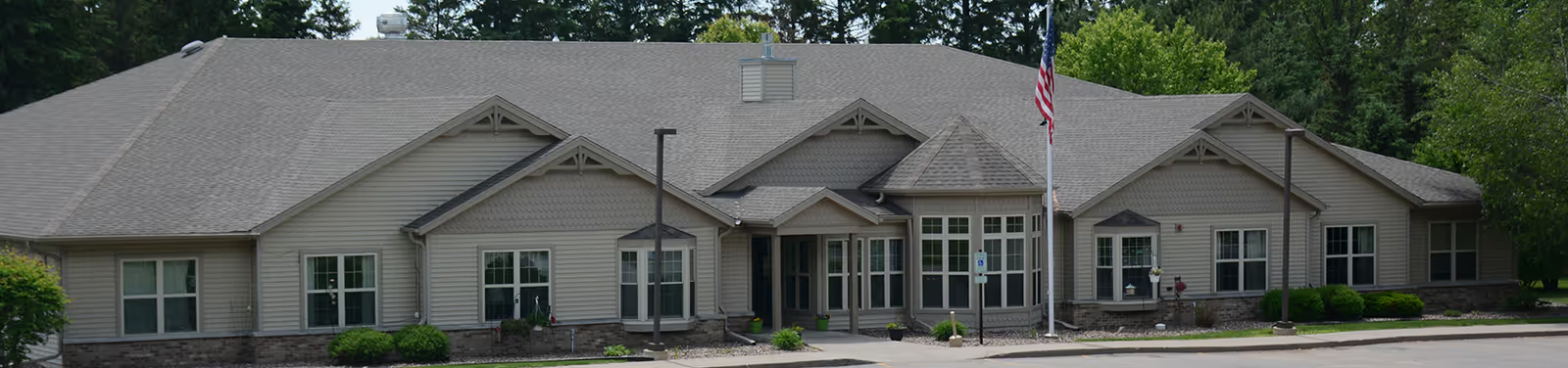
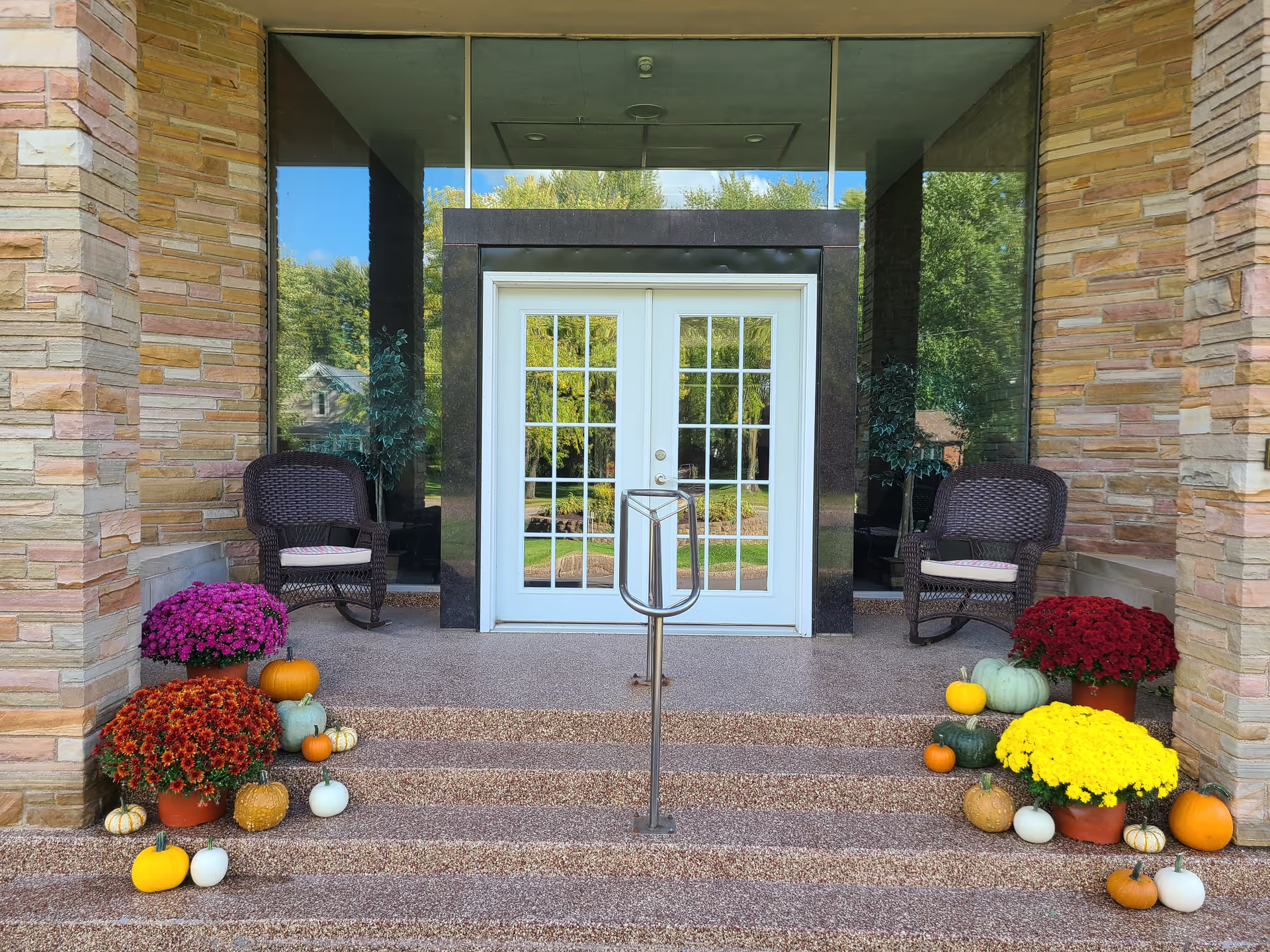
Facilities and housekeeping: The physical environment is often described as attractive, clean, and home-like, with appealing showroom spaces and comfortable common areas. That said, some reviewers noted variability in room size and layout (including smaller units or studio layouts without separate doors), and a minority raised concerns about inconsistent housekeeping in resident rooms and clutter that can create safety concerns. Prospective residents should confirm unit layouts and housekeeping schedules during tours.
Management, communication, and billing: Management impressions are mixed. Positive experiences include welcoming admissions and hands-on directors who are aware of resident needs. Conversely, there are repeated complaints about difficult-to-reach staff or slow phone responsiveness, unclear billing practices, unexpected fees or back charges, and delays resolving refunds or financial disputes. A subset of comments also described management follow-through and professionalism as inconsistent. Families should seek clear, written explanations of charges, escalation procedures, and expected response times.
Notable patterns and recommendations: The dominant positive themes are staff warmth, an active programming calendar, and good dining — all of which contribute to residents reporting improved mood and a sense of belonging. The dominant negatives are operational: understaffing, inconsistent responsiveness, gaps in specialized training, and administrative/billing opacity. These create variability in day-to-day experience despite the facility’s clear strengths. Prospective residents and families would benefit from asking specific questions during a visit: typical staff-to-resident ratios by shift (including weekends), documented staff training/certification for memory care, examples of how the facility handles call-response times, written billing policies, housekeeping schedules, and unit-specific layouts. Doing so will help align expectations with the facility’s strong social and culinary offerings while clarifying administrative and clinical trade-offs.