Overall impression: The review summaries depict a facility with several clear strengths and a small but notable divergence in one assessment. Most commentary emphasizes a welcoming atmosphere, active engagement between staff and the surrounding community, and a cohesive, positive staff culture. Physical spaces are described as well maintained and clean, and staff are consistently characterized as friendly, helpful, and forthcoming with information.
Care quality and staff: The reviews suggest attentive caregiving delivered by a cohesive team. Positive language about staff conduct and team cohesion indicates strengths in day-to-day resident interactions and a collaborative approach to care. At the same time, one strongly negative assessment indicates that resident experience may not be uniform; prospective families should confirm current staffing levels, handover practices, and examples of care plans during visits to assess consistency.
Activities and programming: The facility appears to foster a strong sense of community and local engagement, which can support social and recreational programming. An explicit suggestion for therapy-animal programming indicates resident or family interest in animal-assisted activities; however, summaries do not indicate an established program. Inquiring about activity schedules, volunteer involvement, and availability of desired therapeutic offerings is advisable.
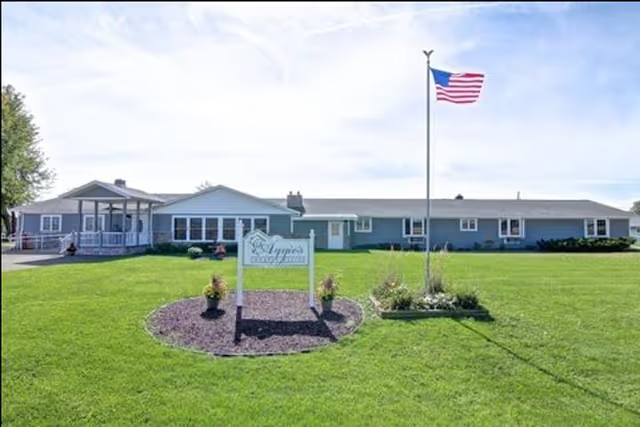
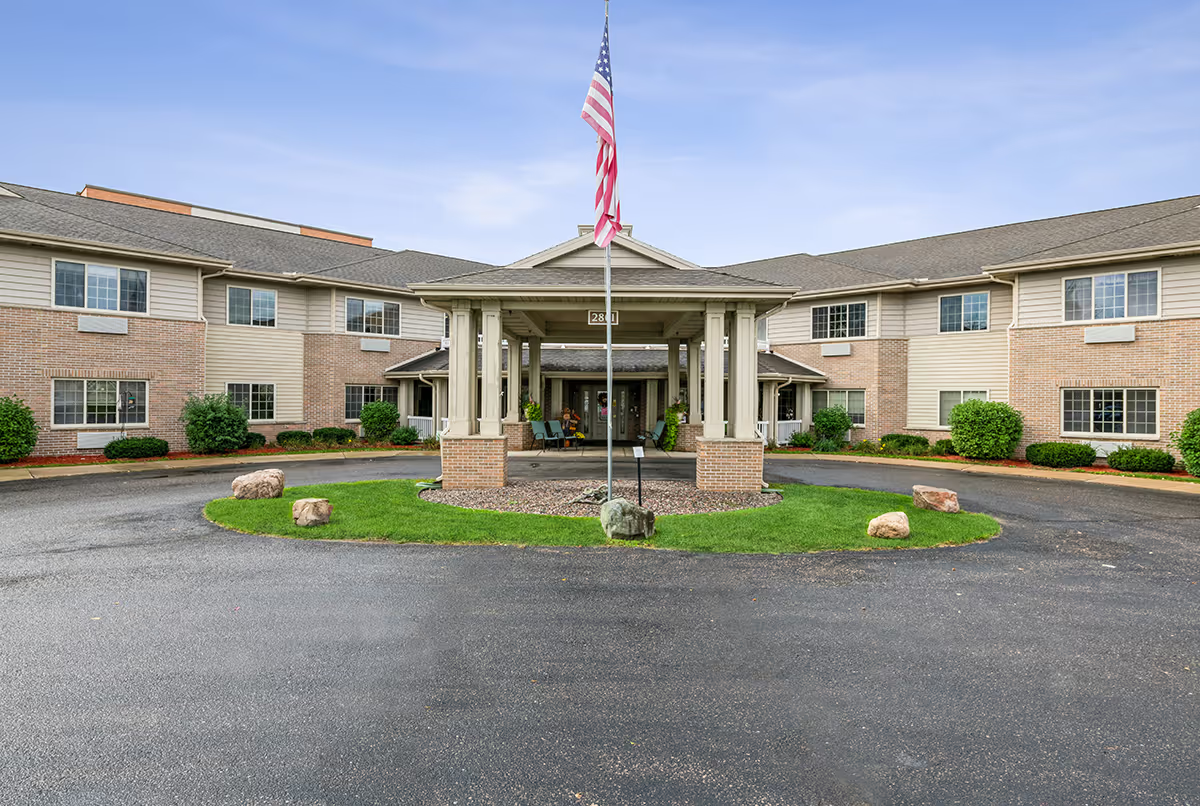
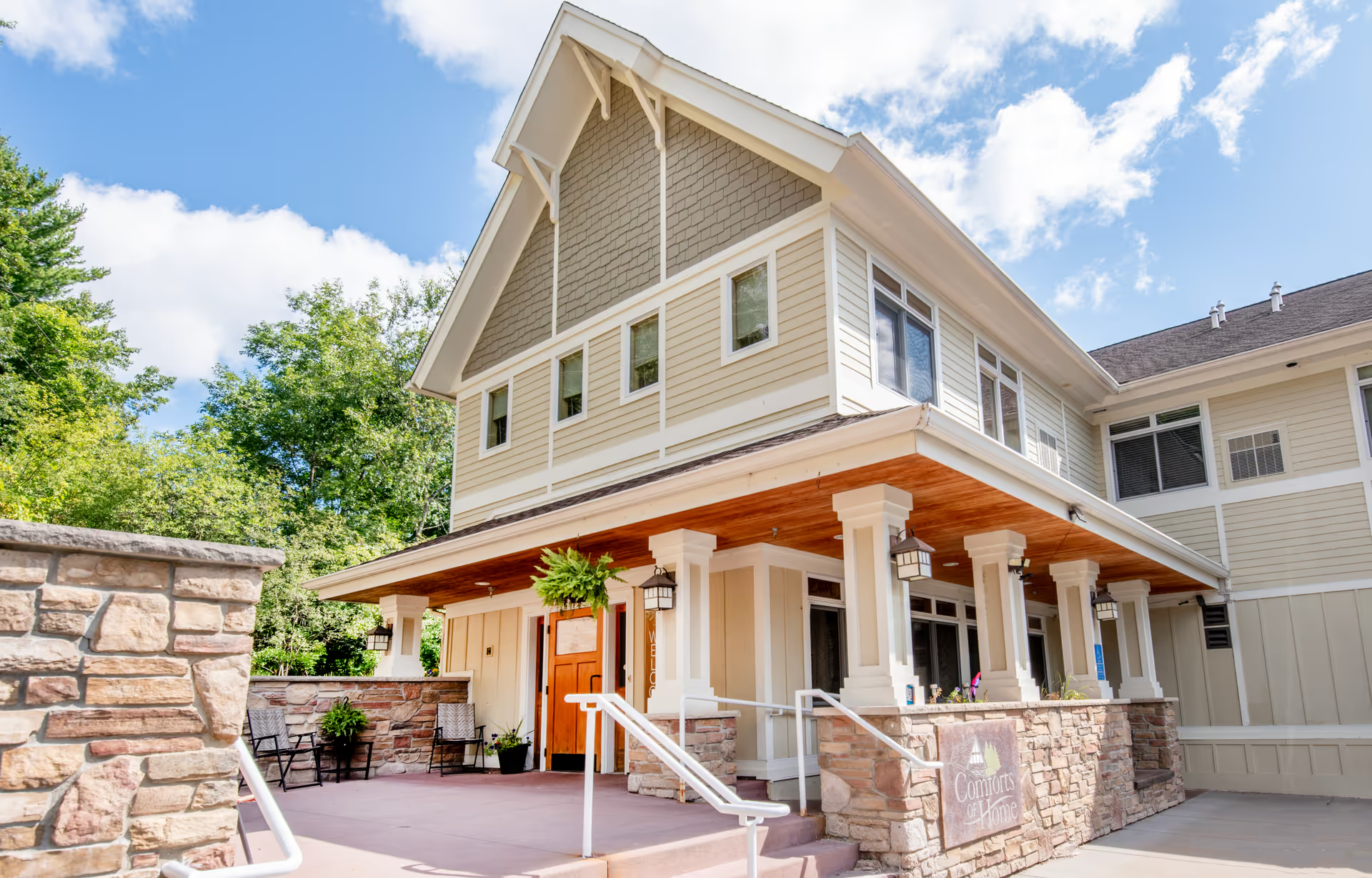
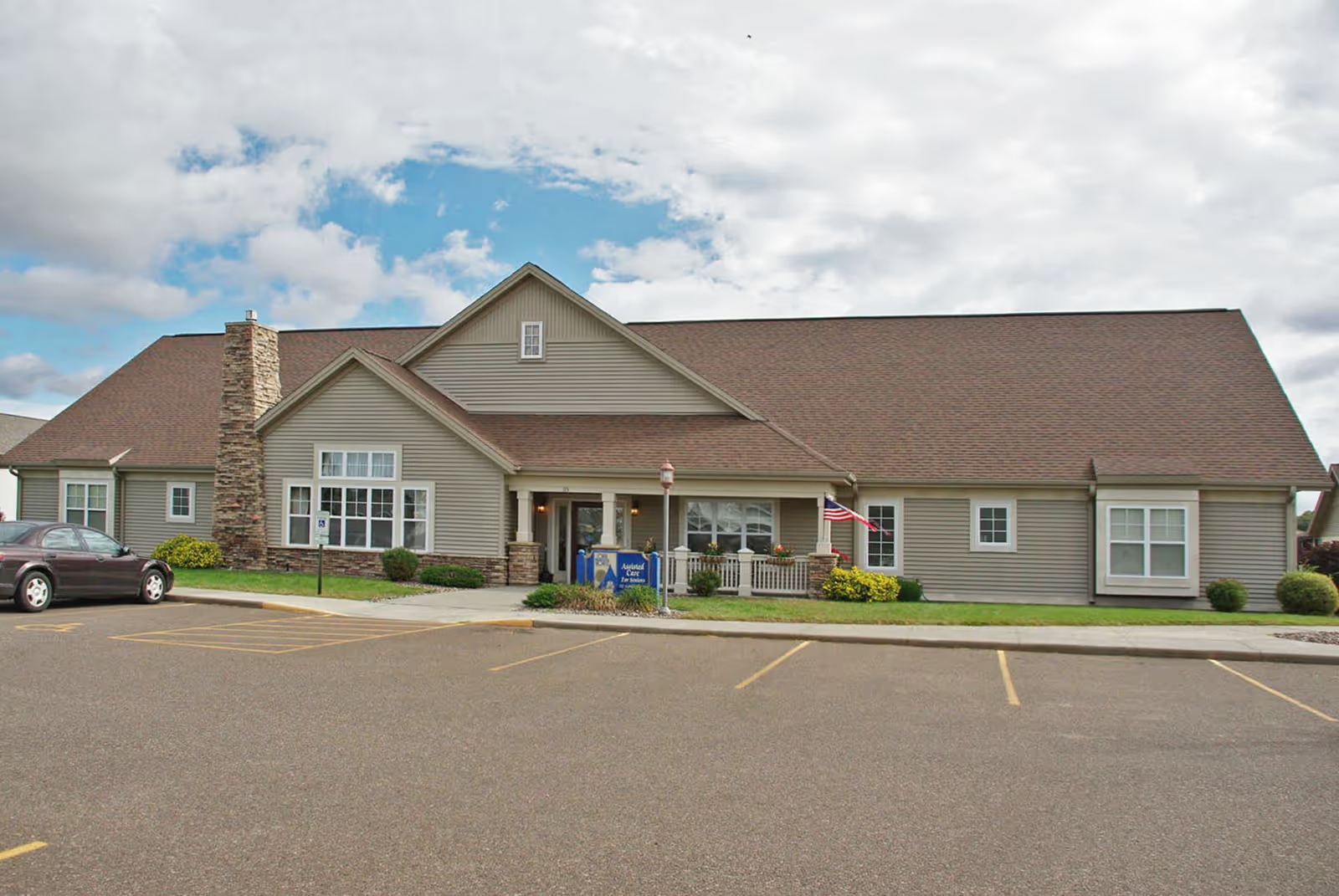
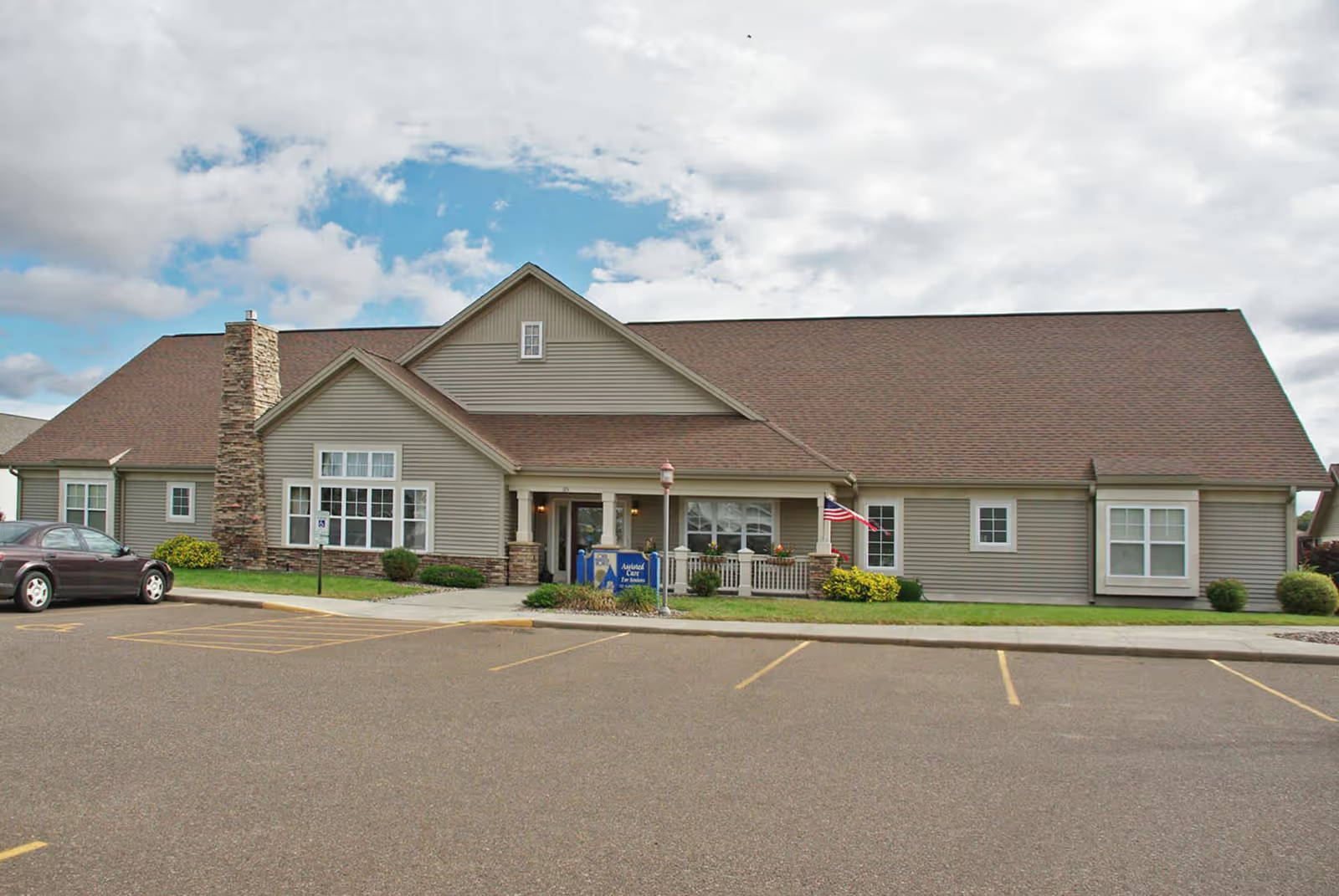
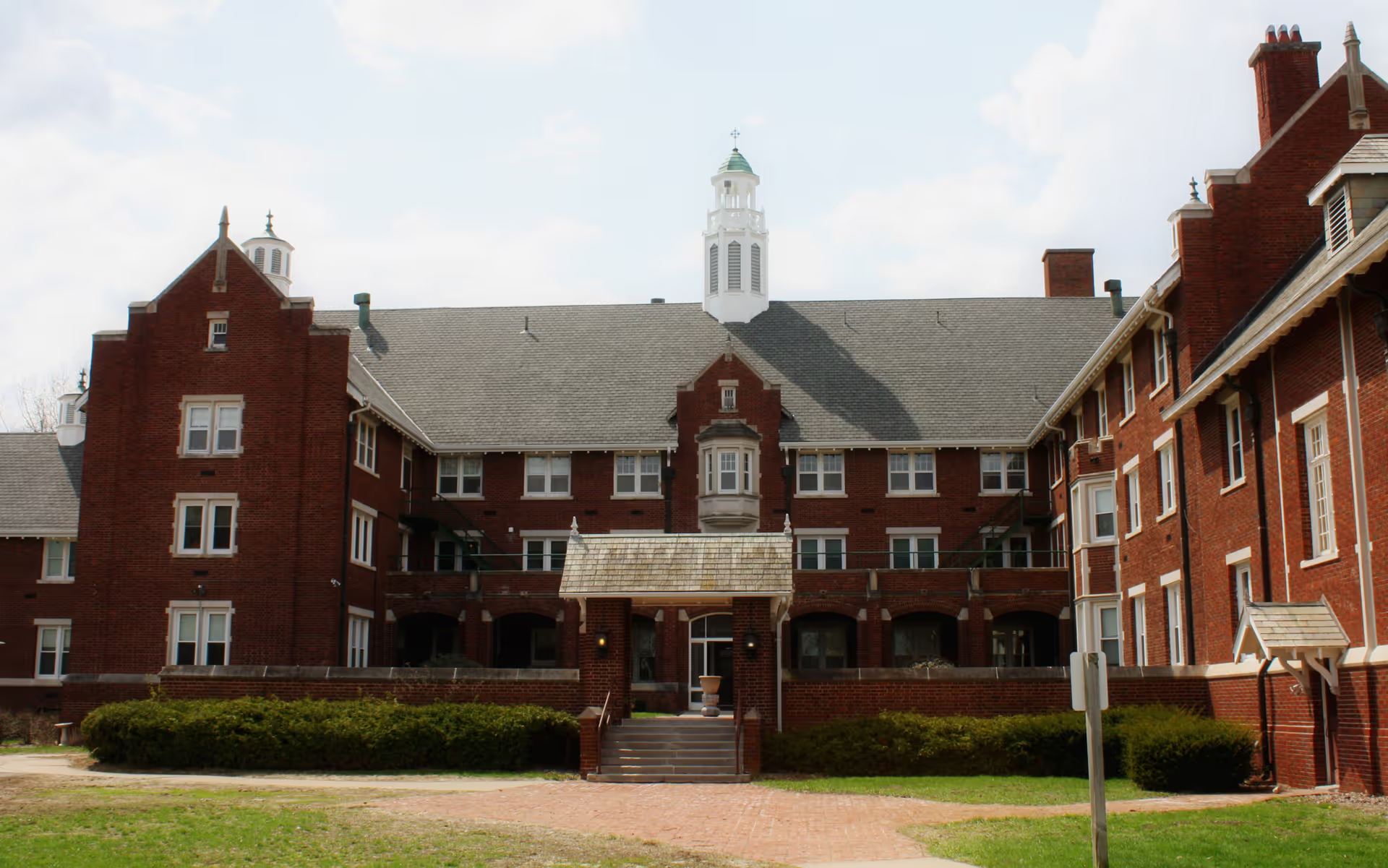
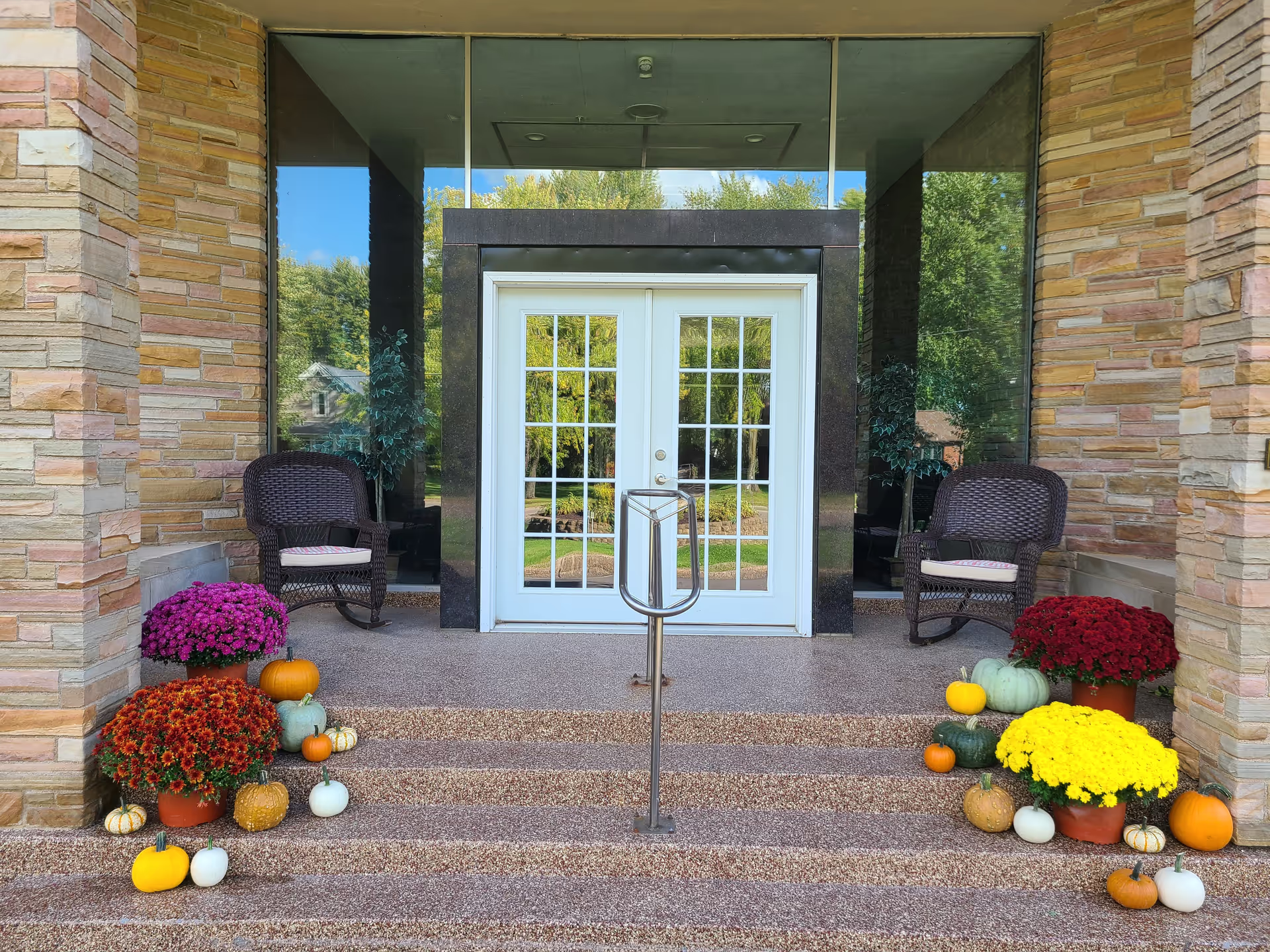
Facilities and dining: Physical conditions are described positively — clean common areas and an overall well-maintained facility. The summaries provide limited detail about meal quality, menu variety, or dining accommodations. Families should request sample menus, special-diet protocols, and opportunities to observe mealtimes when assessing the facility.
Management and communication: Reviewers highlight transparent information sharing and helpful staff, which points to effective communication in many interactions. The presence of a strongly negative comment suggests occasional lapses in communication or responsiveness; ask management how they handle complaints, escalation pathways, and routine family updates to better understand reliability.
Notable patterns and recommendations: The dominant pattern is favorable — strong community orientation, positive staff culture, and a clean, well-kept environment. The primary operational issues to probe further are variability in resident satisfaction, the degree of responsiveness, and the availability of specific programs such as animal-assisted activities and detailed dining services. Recommended next steps for prospective residents and families include scheduling an in-person tour, requesting references or recent family feedback, observing staff–resident interactions, reviewing sample menus and activity calendars, and asking management about formal processes for addressing concerns.