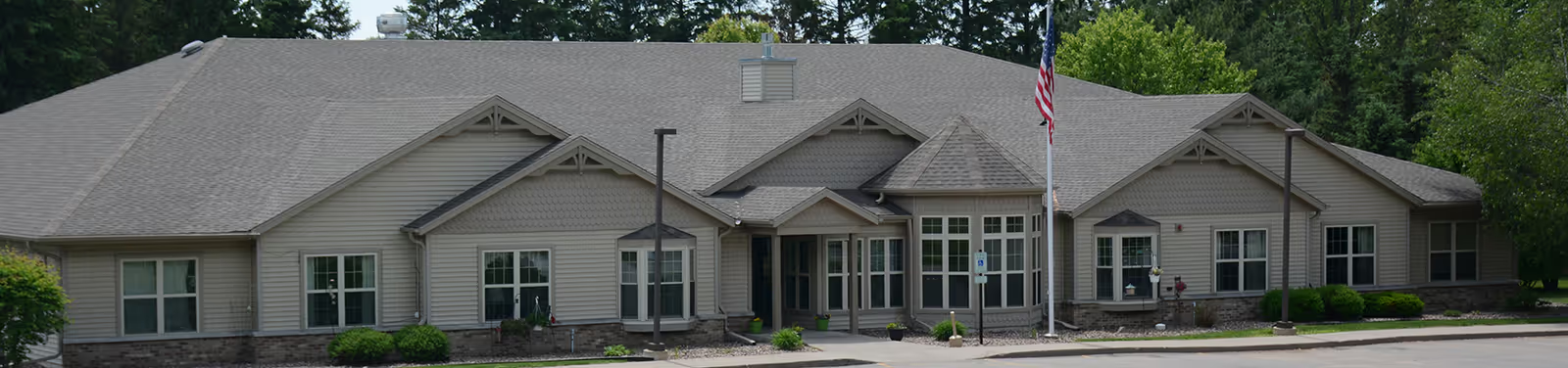
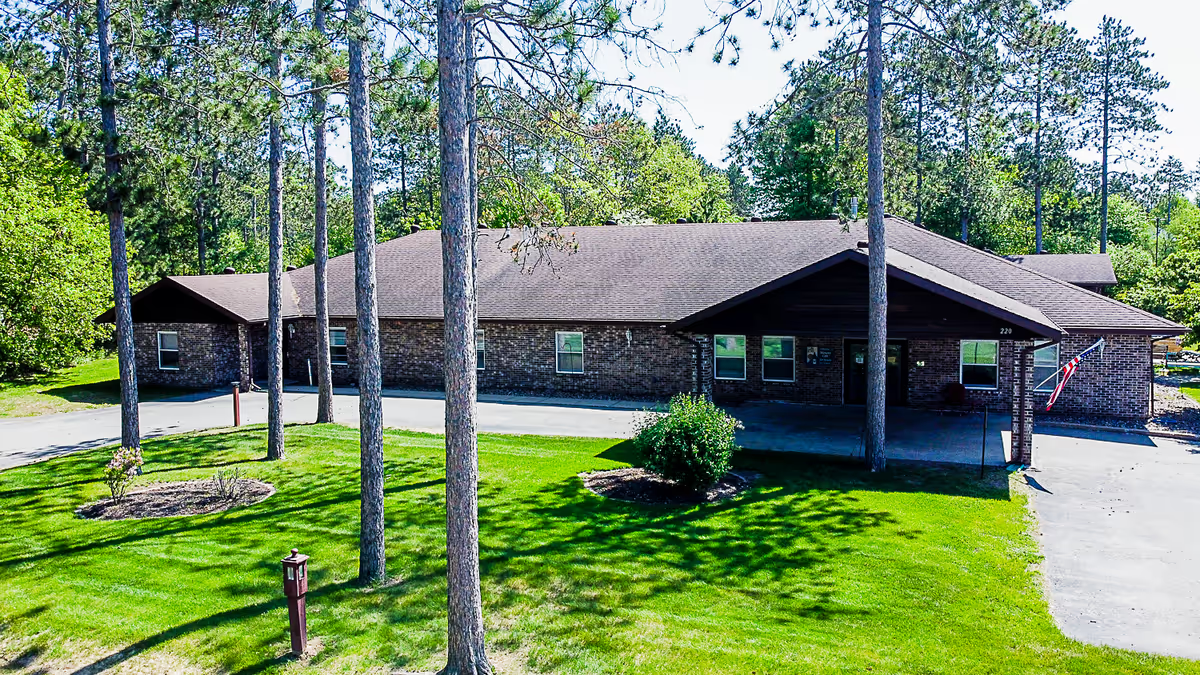
Overall, the reviews describe a facility with several clear strengths alongside operational inconsistencies that prospective residents and families should evaluate. Positive comments emphasize a compassionate, accessible staff, with specific praise for individual employees (Patty) and an environment that families find welcoming. Reviewers consistently mention good staff-to-resident ratios, home-cooked meals, outdoor engagement for residents, and active family communication, including medication review and reduction when clinically appropriate. These elements suggest a community that can provide a personable, family-oriented daily experience.
Care quality impressions are mixed. Many families describe attentive caregiving, improved quality of care over time, and staff who keep relatives informed. At the same time, there are accounts of delayed responses in clinical situations (for example, delays in attending to respiratory needs) and at least one incident that required ambulance transport. These indicate potential variability in emergency responsiveness and timeliness of clinical interventions. There are also references to falls and to concerns about how long a resident was unattended after an incident; together these point to gaps in fall-prevention practices and room-monitoring frequency rather than isolated scheduling issues.
Staff characteristics are portrayed as largely positive — kind, helpful, and engaged — but reviewers also describe lapses in professional conduct or attentiveness in certain moments. That combination suggests the facility benefits from dedicated personnel but may have inconsistencies in training, supervision, or behavioral expectations that affect resident experience in specific situations.
Dining and activities receive favorable comments. Home-cooked meals and outdoor engagement opportunities are noted as contributors to a family-friendly atmosphere and resident engagement, which are strengths for quality of life. Facilities-related comments are limited in the summaries provided; however, the fall incidents imply a need to confirm room safety features and monitoring systems during tours.
Management and administrative patterns raise separate concerns. A billing dispute about the enforcement of a 30-day notice and charges for a full month despite vacant rooms points to limited transparency or inconsistent application of contract terms. Families should request clear, written explanations of billing, notice periods, and vacancy policies. Similarly, clarify policies on emergency response, resident checks, and post-fall care planning.
In sum, Homeplace of Dorchester appears to offer many of the interpersonal and lifestyle positives families seek in a senior living setting — engaged staff, good meals, and outdoor activities — while exhibiting operational areas that merit scrutiny. Before committing, prospective residents and their families should ask for documentation of emergency-response procedures, fall-prevention protocols, staffing levels and supervision practices, and detailed billing/notice policies. Doing so will help determine whether the facility’s interpersonal strengths are matched by consistent clinical and administrative processes.