Evansville Manor presents a mixed picture in parent- and family-facing accounts: many reviews describe a facility with strong direct-care strengths alongside recurring operational and management concerns. Strengths most consistently described include attentive nursing assistants, effective physical and occupational therapy, a robust activities program, and a clean, welcoming physical environment. Several families highlighted individual staff members and therapy teams who facilitated measurable rehabilitation progress and who provided compassionate, dignified care at end of life.
Care quality and staffing show variability across shifts and service areas. Positive accounts emphasize hands-on caregivers and successful rehab outcomes, but a number of reviews describe delays in clinical assessment, slow escalation when conditions change, and problems with medication administration or tracking. Overnight coverage and nurse availability were frequently identified as inconsistent; these staffing gaps were linked to delayed responses to call lights and phones. Prospective families should ask about current staffing ratios, overnight supervision, and the facility’s clinical escalation protocols.
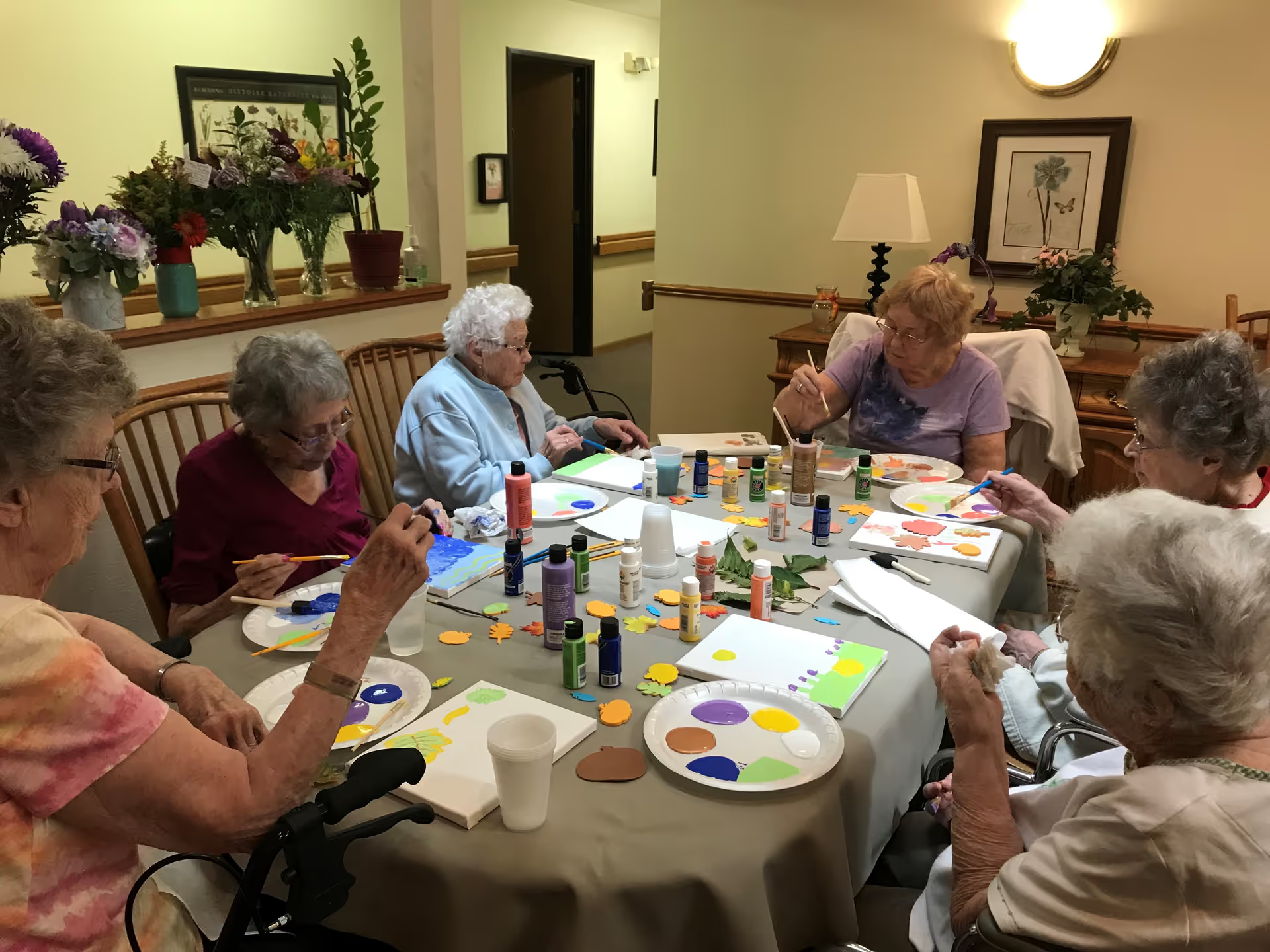
Dining and daily living services receive generally favorable remarks about menu variety and the social aspects of meals, while some reviewers raised concerns about the consistency of texture and temperature for modified diets. Personal care items such as bathing schedules and incontinence-care responsiveness were discussed as variable, suggesting that routine personal-care processes may not be uniform across all shifts. The activity program and social offerings (arts, games, bingo, crafts) were repeatedly praised as supportive of resident morale and engagement.
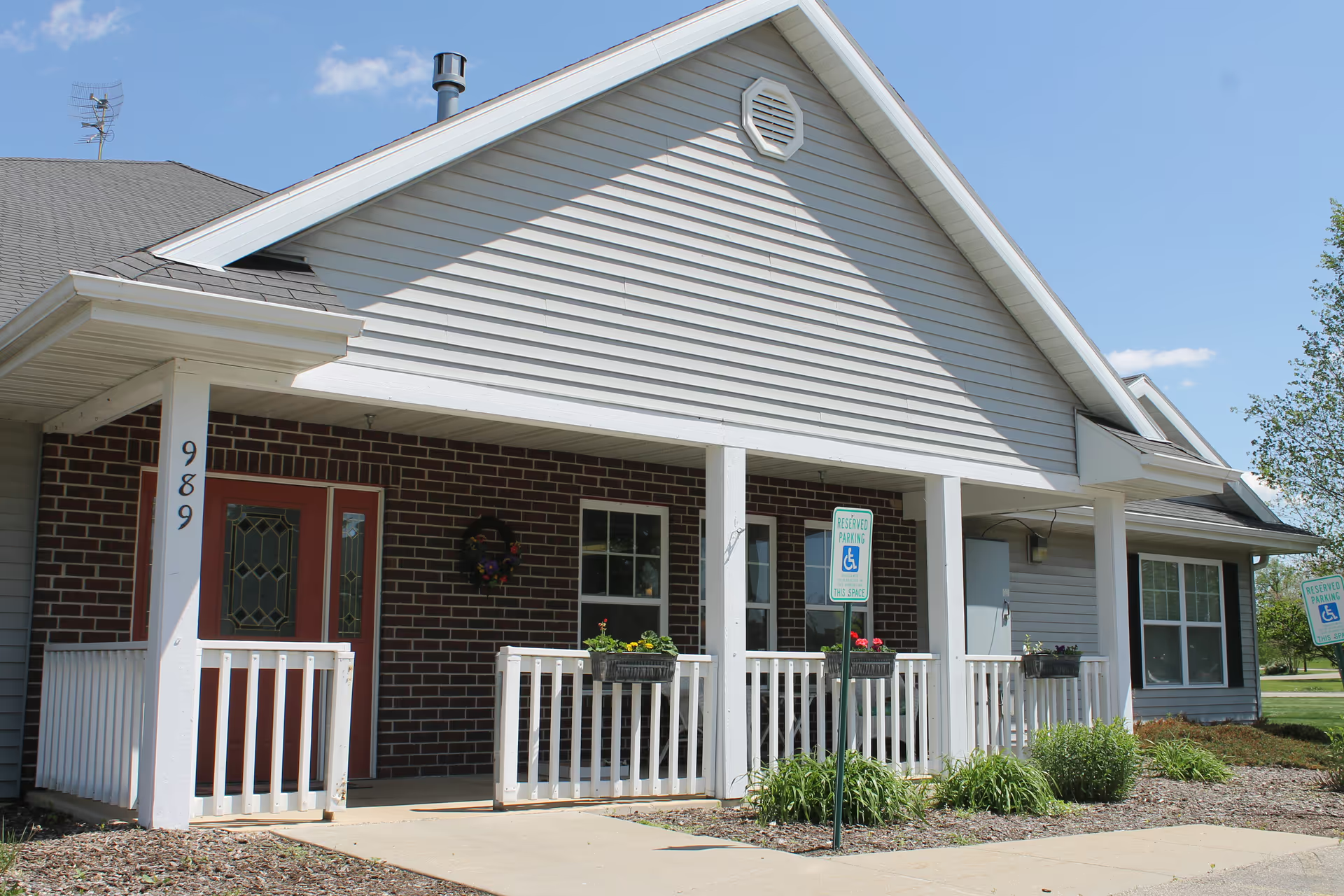
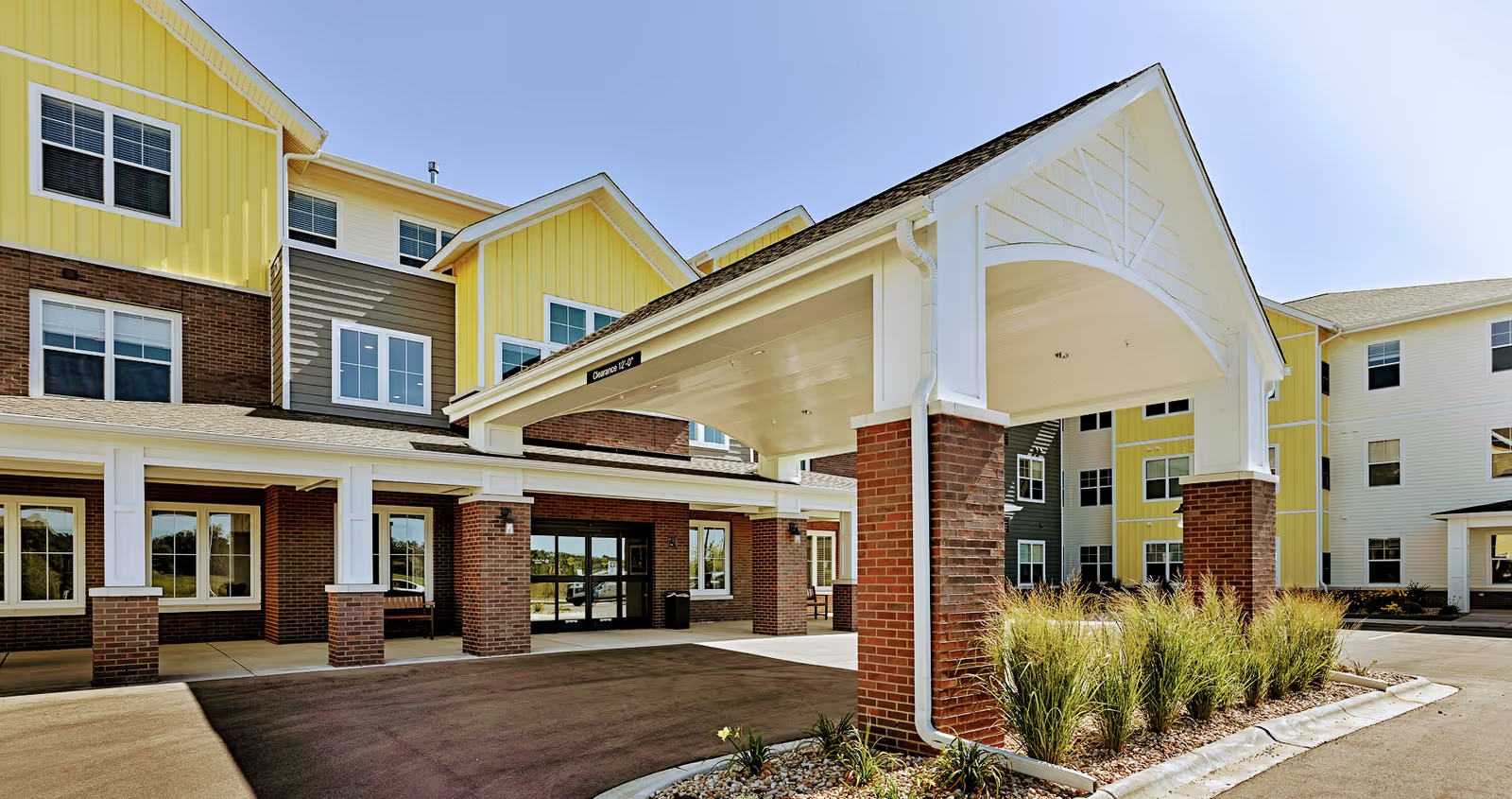
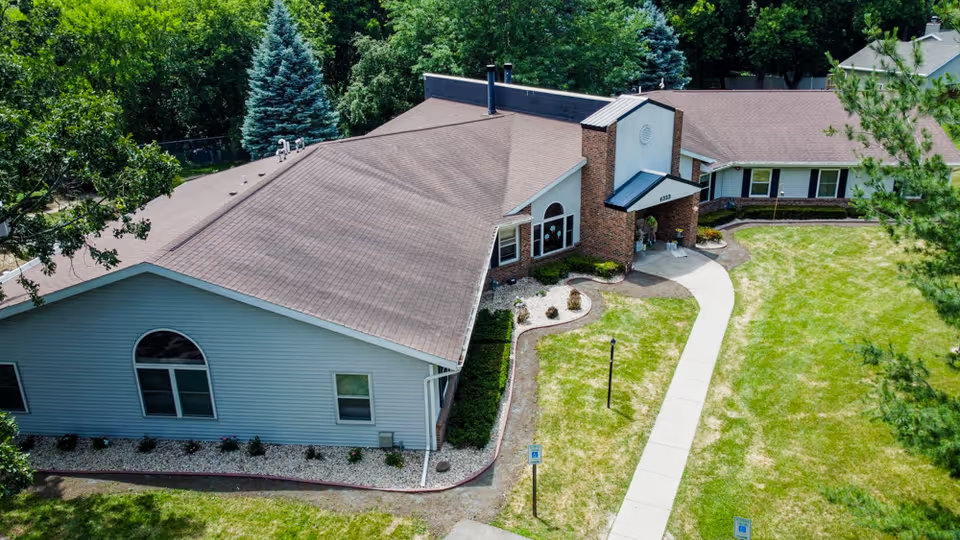
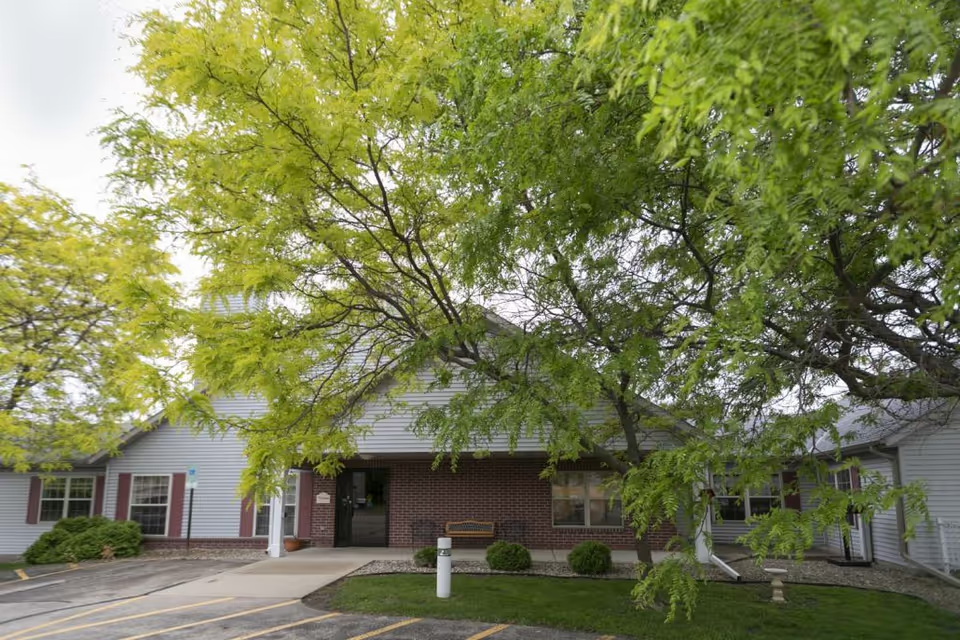
Facility condition and atmosphere are commonly noted as positive: reviewers described the building as clean, welcoming, and well maintained, with dedicated spaces for crafts and socialization. Therapy spaces and rehabilitation offerings are highlighted as strengths that contributed to successful discharges home in several cases.
Management and administrative issues are an area of concern for some families. Reports include inconsistent communication from leadership, lack of timely follow-up on family concerns, problems with billing accuracy and financial transparency, and limited contingency planning for residents who require complex medical care. There were also accounts alleging insufficient transparency around roommate moves and consent processes, which point to possible gaps in resident-rights procedures and internal policy adherence.
Overall pattern: direct-care staff—especially CNAs and therapy teams—are a clear asset, while systemic issues include inconsistent staffing (notably at night), weaknesses in rapid clinical response and medication processes, and administrative communication and billing practices that some families found unsatisfactory. Families considering Evansville Manor should prioritize conversations with facility leadership about current staffing, clinical escalation procedures, call-light systems, dining accommodations for modified diets, and billing practices to understand how the facility is addressing the operational gaps described in reviews.