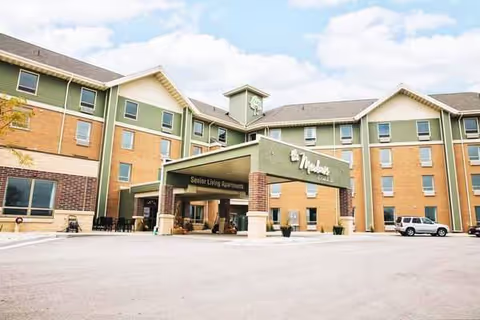
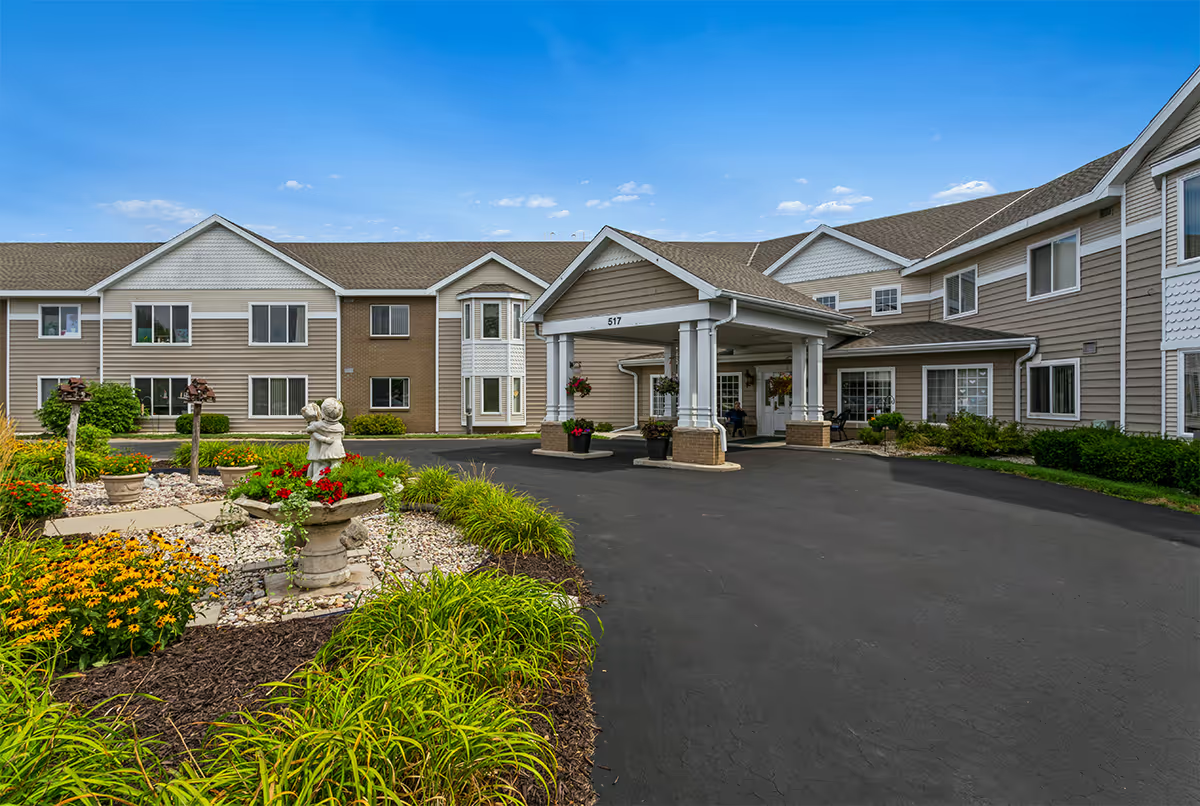
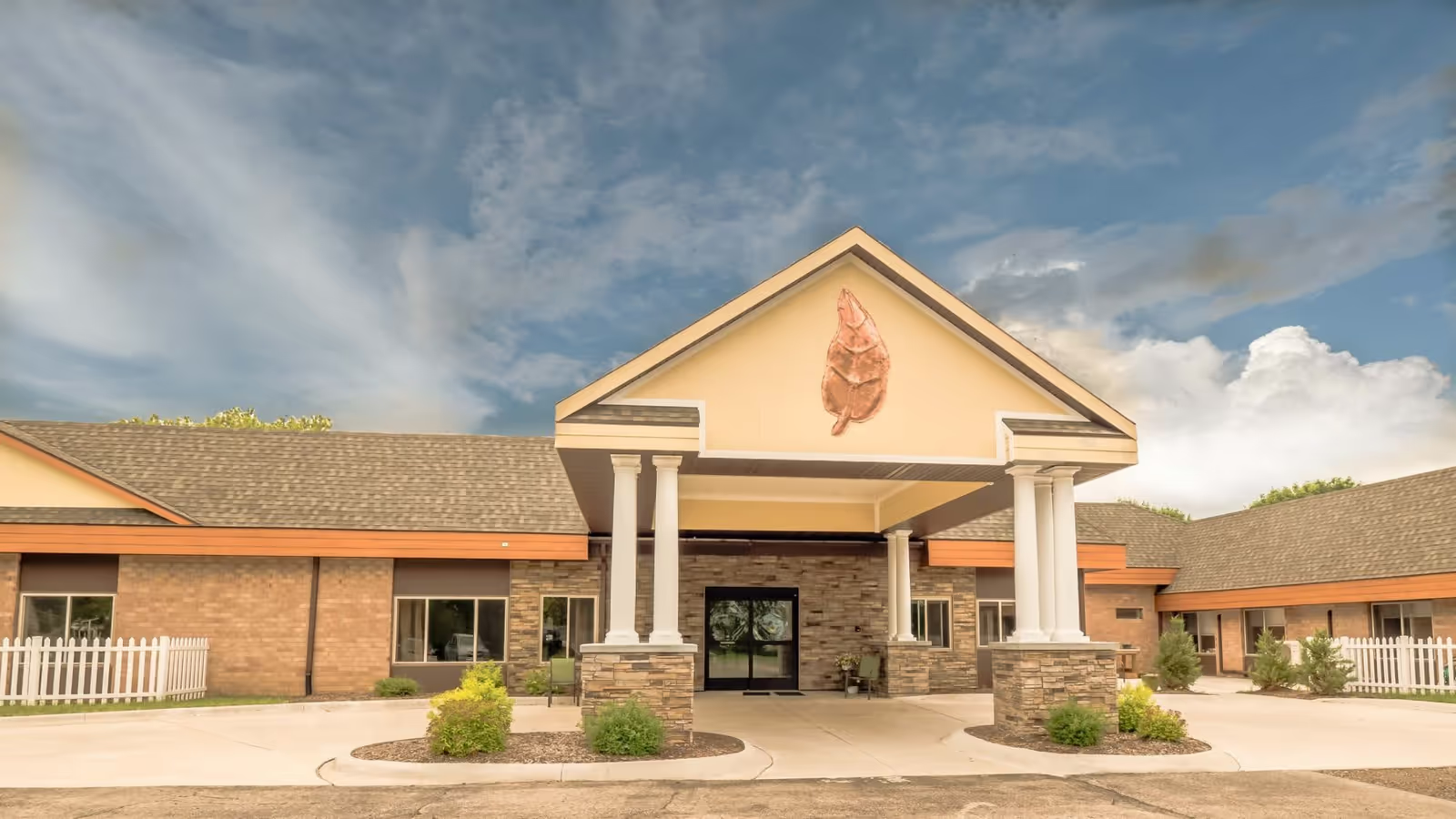
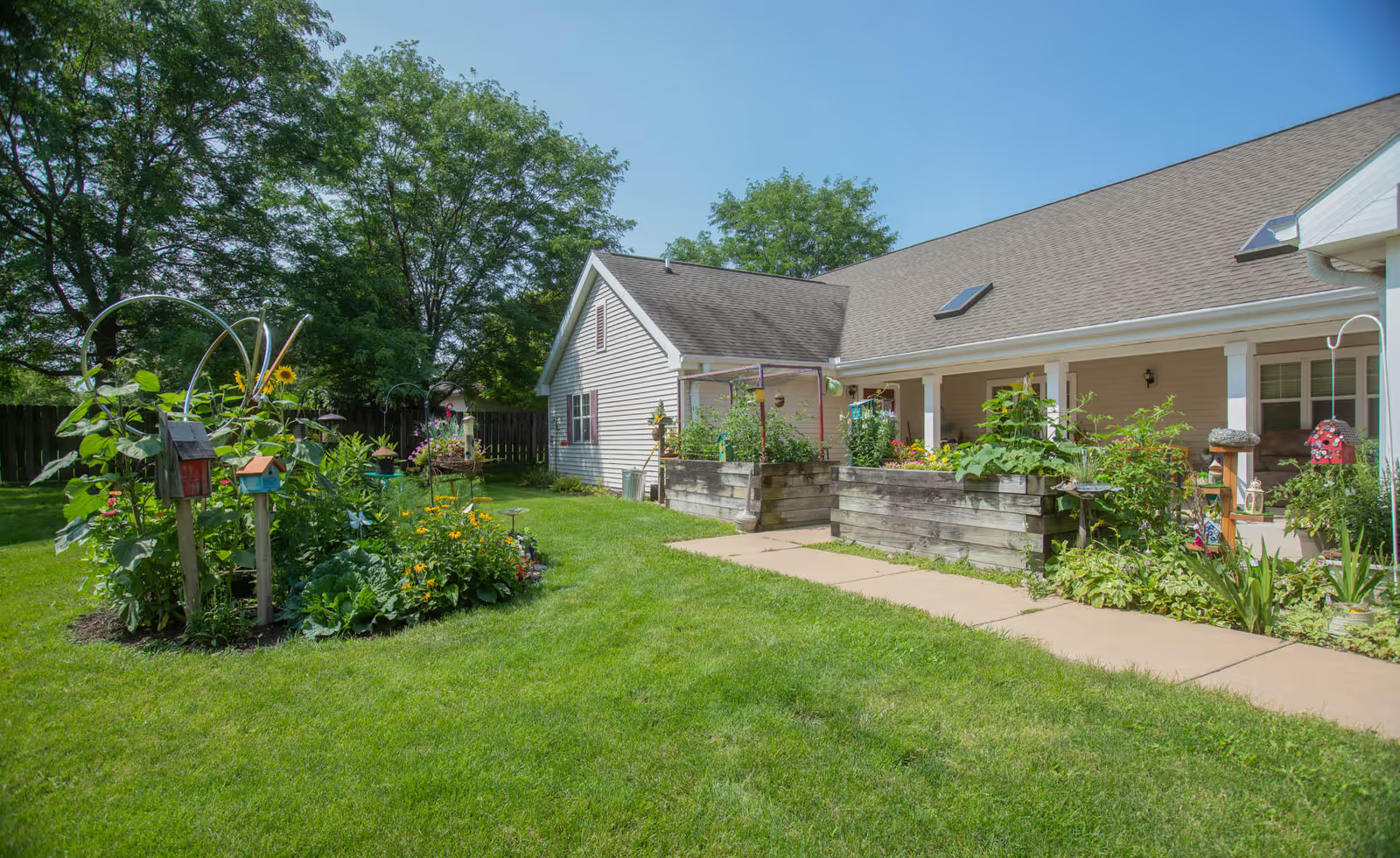
Overall sentiment across the reviews is mixed but leans negative due to recurring operational and management issues despite notable examples of good bedside care. Multiple reviewers praise the facility’s physical setting and identify individual staff members who are kind, competent, and willing to go out of their way to make residents comfortable. These positive comments indicate that there are caregivers on staff who deliver attentive, skilled personal care and create positive interactions for some residents.
However, the dominant themes in the reviews point to systemic problems that undermine the resident experience. Management is repeatedly described as lacking, and staffing levels are frequently cited as inadequate (one review explicitly notes one worker for eight residents). Understaffing appears to be linked with several downstream problems: long waits for basic medication (Tylenol), unreliable response to call lights, and residents being left sitting in chairs all day with little exercise or engagement. Several reviews report that activities are rarely offered or absent altogether, leaving residents with limited opportunity for socialization or physical activity.
There are specific safety and quality-of-care concerns raised by reviewers. The call light system being unreliable and delays in providing basic medication create immediate risks to resident well-being. Missing personal medical equipment (ankle braces) suggests potential problems with item tracking or storage. Combined with reports of residents sitting inactive for long periods, these issues raise concerns about both the adequacy of supervision and the facility’s ability to maintain residents’ mobility and daily needs.
Dining and staff behavior are additional areas of concern. Multiple reviewers call out the food negatively, and several describe staff attitudes as unprofessional—eye-rolling and frequent phone use are cited—contributing to family and resident distress. At the same time, other reviewers explicitly state that certain caregivers were ‘‘very good at their jobs’’ and provided comforting, attentive care; this contrast points to inconsistency in staff performance and possibly high variability between shifts or individual employees.
A likely underlying factor mentioned is low pay, which reviewers connect to staffing problems. Low compensation can contribute to turnover and difficulty maintaining adequate staffing ratios, which aligns with the recurring reports of understaffing and inconsistent service. The combined impact of management weaknesses, staffing shortages, and inconsistent staff behavior has tangible emotional consequences: reviewers note emotional distress among residents and label the facility very negatively in some cases.
In summary, Mayberry Manor of Fond du Lac appears to have a pleasant physical environment and some dedicated, capable caregivers, but the overall resident experience is undermined by management and staffing issues, inadequate activities and exercise opportunities, problems with basic systems (call lights, medication timeliness, and item management), poor dining experiences, and instances of unprofessional staff conduct. These patterns suggest the facility may be able to provide good individualized care when staffing and oversight allow, but systemic shortcomings are producing frequent gaps in service, safety concerns, and emotional strain for residents and families.