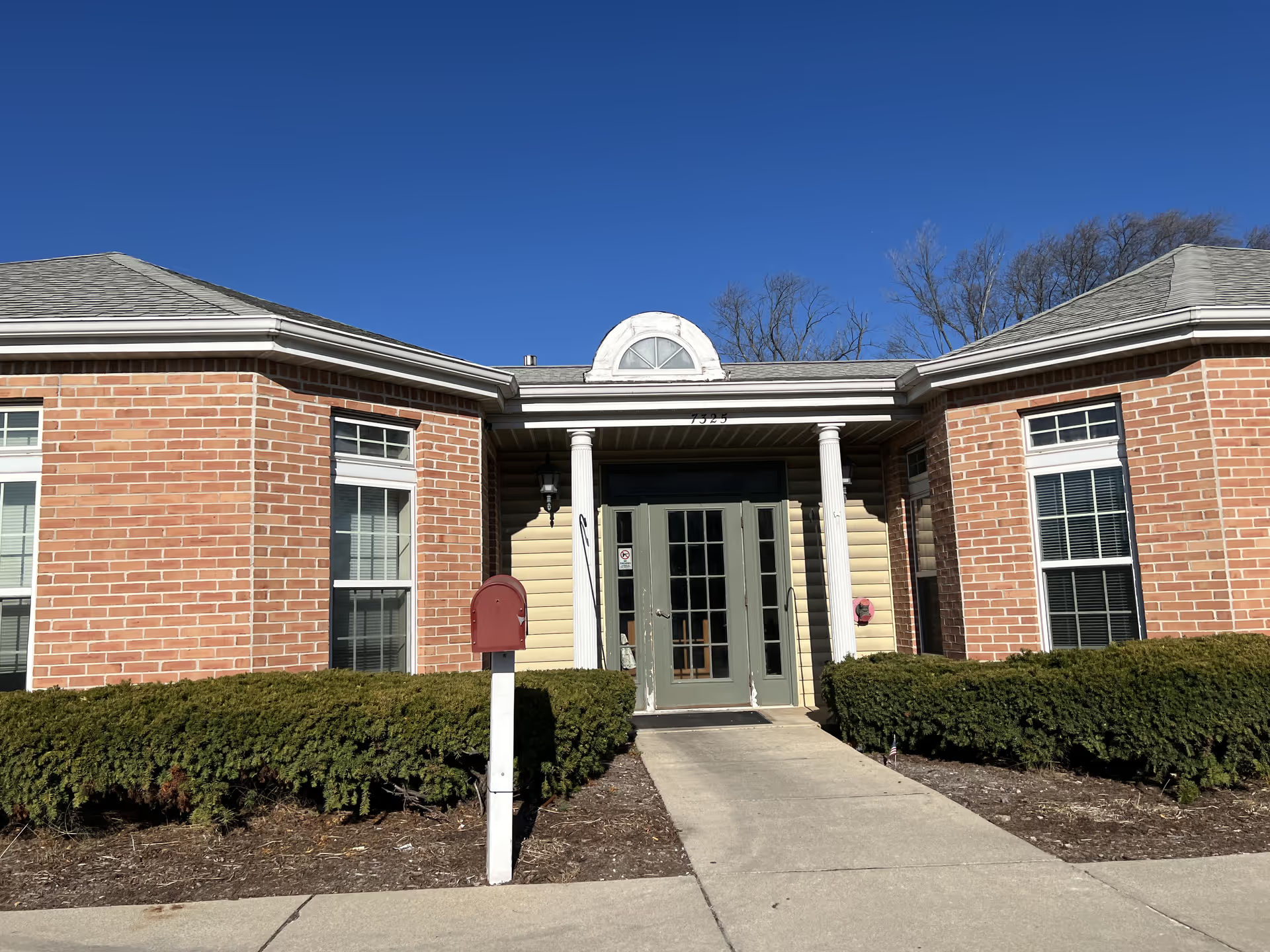
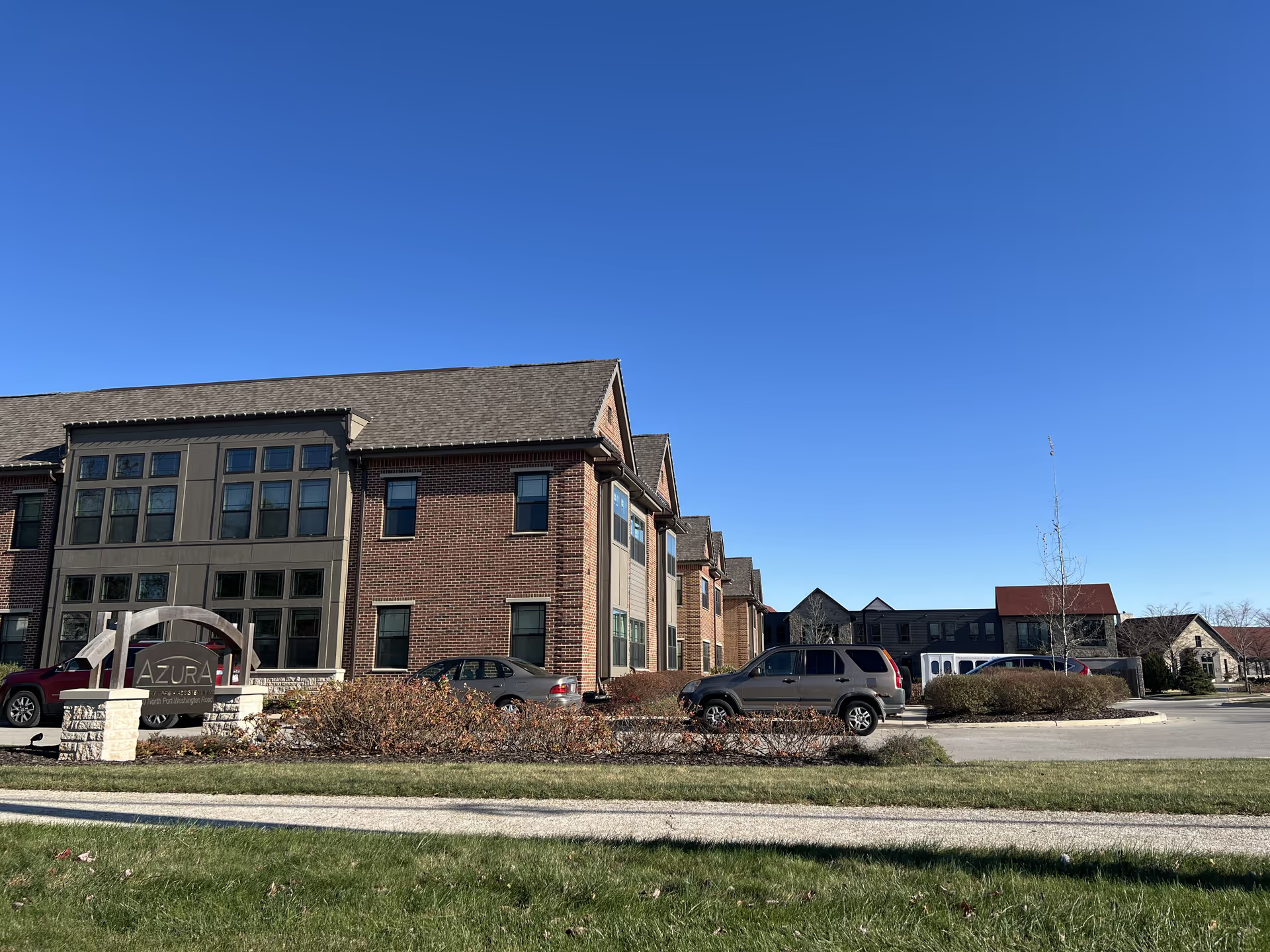
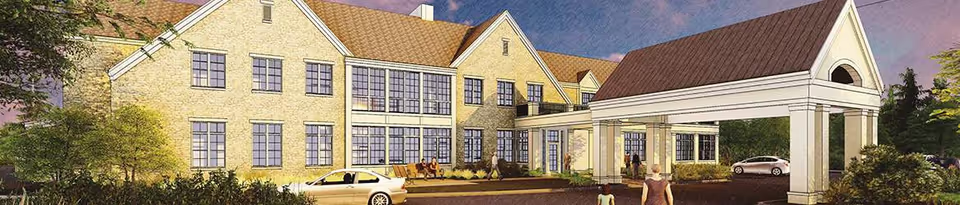
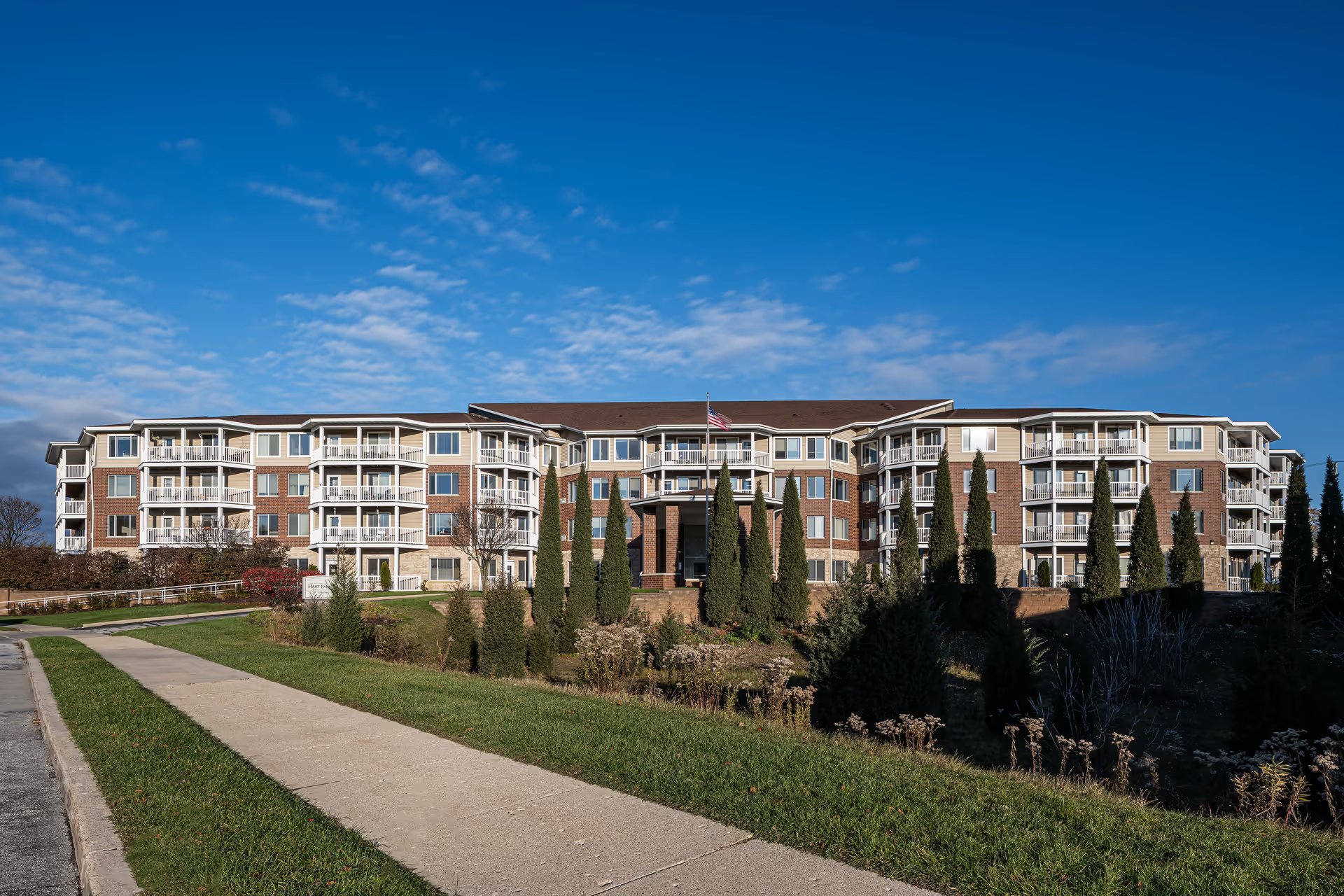
Overall impression: Discovery Commons North Shore presents as a modern, well-appointed senior living community with a strong activity program and many families praising the facility’s physical environment, amenities, and resident social life. The campus is frequently described as bright and new, with attractive outdoor spaces, a pond and patios, a theater, cafe, salon services, and on-site rehab and medical offerings. For prospective residents seeking active programming and multiple levels of care (independent, assisted living, and memory care), the community offers a broad menu of social events, outings, educational speakers, and specialty groups such as a Parkinson’s support group that accepts non-residents.
Care and staff: Many accounts emphasize compassionate, engaged caregivers and nursing staff who provide attentive day-to-day support, help with meals, and contribute to a family-like atmosphere. Families note positive interactions with long-standing team members, specific staff who facilitate smooth transitions, and staff who make time for residents during meals and activities. At the same time, there is a recurring pattern of workforce instability: high staff turnover, periods of short staffing, and reports of staff being distracted by administrative tasks or phones. Those operational patterns appear to correlate with inconsistent responsiveness to resident needs in some cases — e.g., delays in assistance, variability in personal-care schedules, and uneven follow-through on laundry or bathing.
Clinical operations and safety: The community offers on-site rehabilitation and some in-house medical support, which reviewers found valuable. However, several families identified gaps in clinical handoffs and medication-management during hospital transitions, and some described inadequate family notification around hospitalizations or significant clinical events. There are also stated concerns following a resident’s death in one account; while that was a singular and serious mention, it underscores the importance of clear clinical-incident response procedures and family communication protocols. Overall, clinical quality appears mixed: many residents receive attentive care, but operational weaknesses can lead to inconsistent outcomes for higher-acuity needs.
Dining and activities: Dining and activities are consistent strengths. Multiple reviewers praise plentiful, well-presented meals, frequent social dining opportunities, and an active schedule that includes bingo, musical performances, arts and crafts, outings, and holiday programming. A common request is for greater menu diversity and more varied cuisines; a minority of families expressed limited satisfaction with meal variety. Programming staff are often described as going above and beyond to engage residents and organize events that foster social connection.
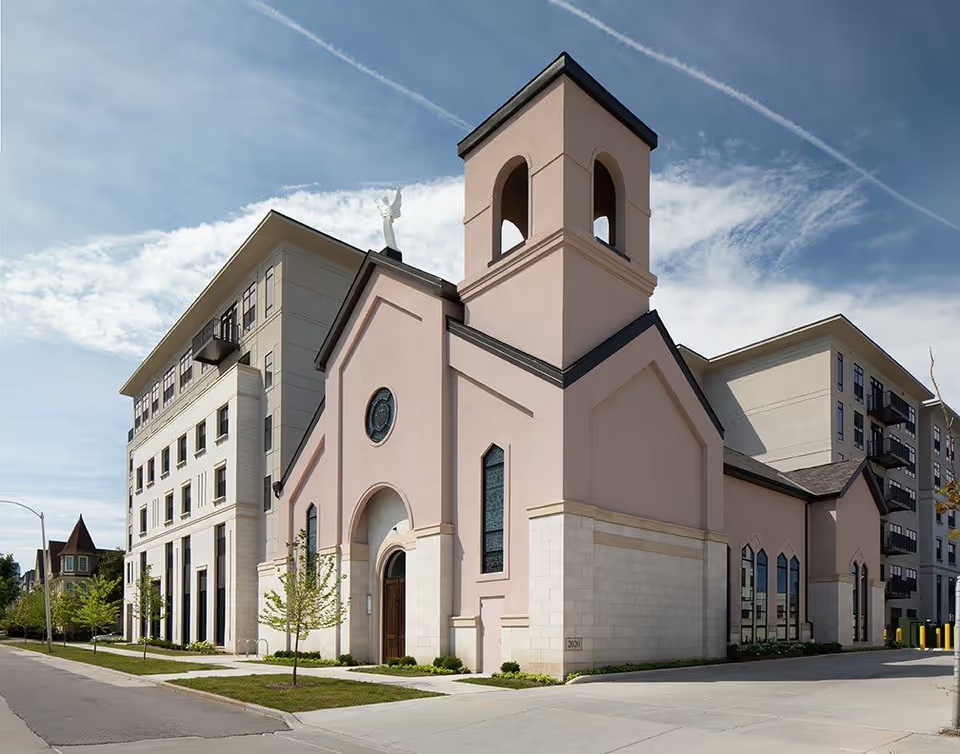
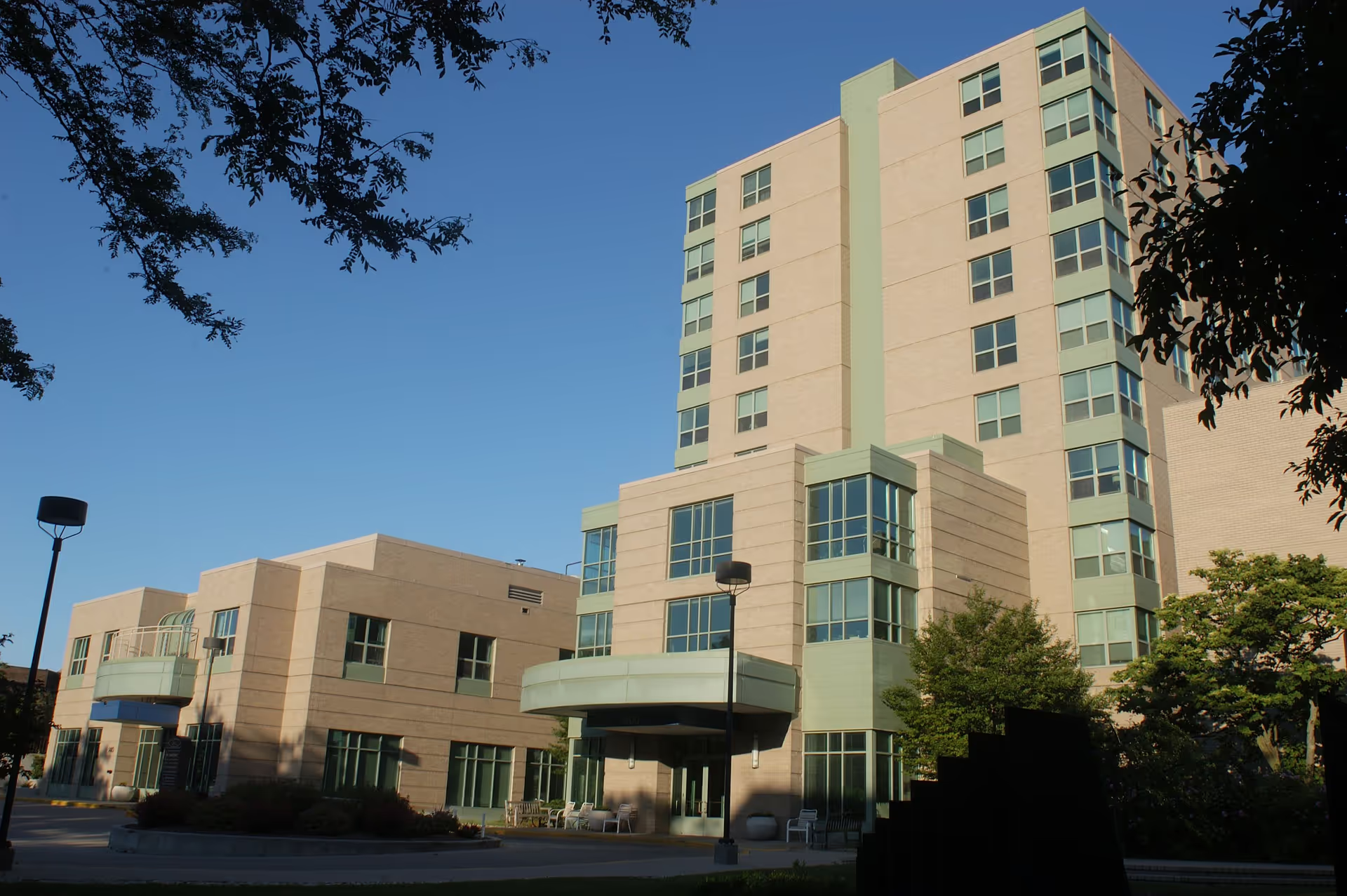
Facilities and amenities: The built environment is a clear positive — modern apartments with good light and closet space, clean common areas, a courtyard and walking paths, and resort-style amenities. Families commented positively on rehabilitation spaces, a movie theater, cafe, and accessible fitness areas. A few operational complaints touched on sanitation and maintenance responsiveness in common areas, but the overall impression is of a well-maintained, attractive campus.
Management and notable patterns: Experiences with leadership and administration are mixed. Several reviewers singled out specific admissions or director-level staff as helpful and welcoming, and smooth move-ins were highlighted. Conversely, other families described a decline in perceived management quality after administrative changes, citing communication gaps, perceived financial prioritization, and inconsistent enforcement of operational standards. These management-level concerns are often linked in the reviews to staffing turnover and uneven day-to-day execution.
Recommendation considerations: For prospective residents and families prioritizing active programming, modern facilities, and accessible on-site services, this community rates highly in many reviews. Families considering the community for higher-acuity or memory-care needs should assess current staffing ratios, confirm medication and hospital-transition protocols, and clarify communication expectations with leadership. Visiting at different times of day, asking for examples of recent clinical handoffs, and discussing menu options and staffing continuity with admissions can help align expectations with operational realities.