Laurel Oaks presents as a well-maintained, amenity-rich senior community with a consistently praised frontline staff and an active social environment. Families and residents commonly cite friendly, attentive caregivers and a range of on-site services — including physical therapy, a library, salon, and gardening space — that support both social engagement and basic health needs. The campus has undergone renovations that many find attractive, and the grounds and walking paths contribute to a park-like, safe feel. The community model blends independent and assisted living, which enables aging-in-place for residents who need increasing levels of support.
Care and staffing are frequent strengths in the feedback: many describe staff as competent, caring, and communicative, and several families report feeling reassured about safety and clinical oversight. At the same time, there are recurring operational concerns related to clinical processes and communication. Reviewers have raised issues framed as gaps in medication management and in timely clinical-family communication; prospective residents should ask specific questions about medication protocols, nurse availability, and escalation pathways. Staffing variability — including instances where transportation or activity staffing was unreliable — also appears to affect service consistency at times.
Dining and activities are prominent features of the community. The dining room, personalized meal service, and social dining atmosphere receive strong positive comments, and the activity calendar is broad (exercise classes, book club, trivia, outings, and more). However, dining quality is described as inconsistent by some, and there are operational constraints such as mandatory meal plans or limited kitchen service hours that can be problematic for residents with restricted diets. Activity participation is robust for many residents, but accessibility for higher-acuity or mobility-limited residents and occasional capacity limits during infection-control periods can restrict involvement.
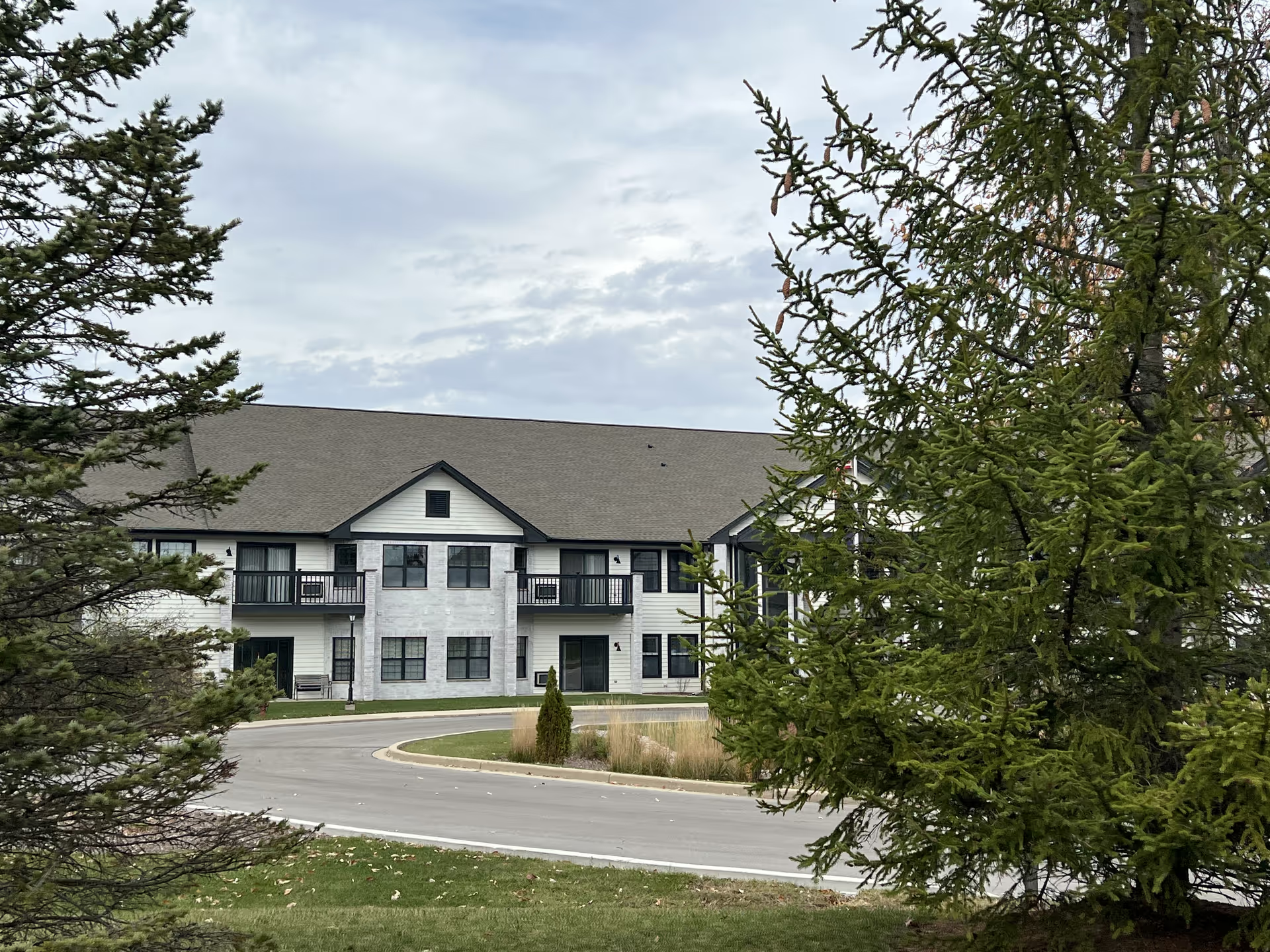
Physical accommodations and campus layout are mixed. Apartments and common areas are generally described as clean and recently updated, but floorplan sizes vary: some one-bedroom units and bathrooms are noted as small. The campus mix of assisted and independent living can create a perceptible split in resident demographics and social dynamics; those seeking a younger, highly active peer group may find the community skews older. Ongoing renovations enhance appearance but have also produced intermittent housekeeping and disruption issues.
Overall, Laurel Oaks appears to offer strong daily engagement, an involved caregiving team, and a range of onsite services that many families find reassuring. Trade-offs to consider during a tour include unit size and layout, meal-plan flexibility and dietary accommodation processes, the facility’s protocols for medication administration and family communication, and how current staffing levels affect transportation and activity reliability. Asking for written policies on clinical communication, medication oversight, activity accessibility, and renovation timelines will help prospective residents and families assess fit and operational stability.