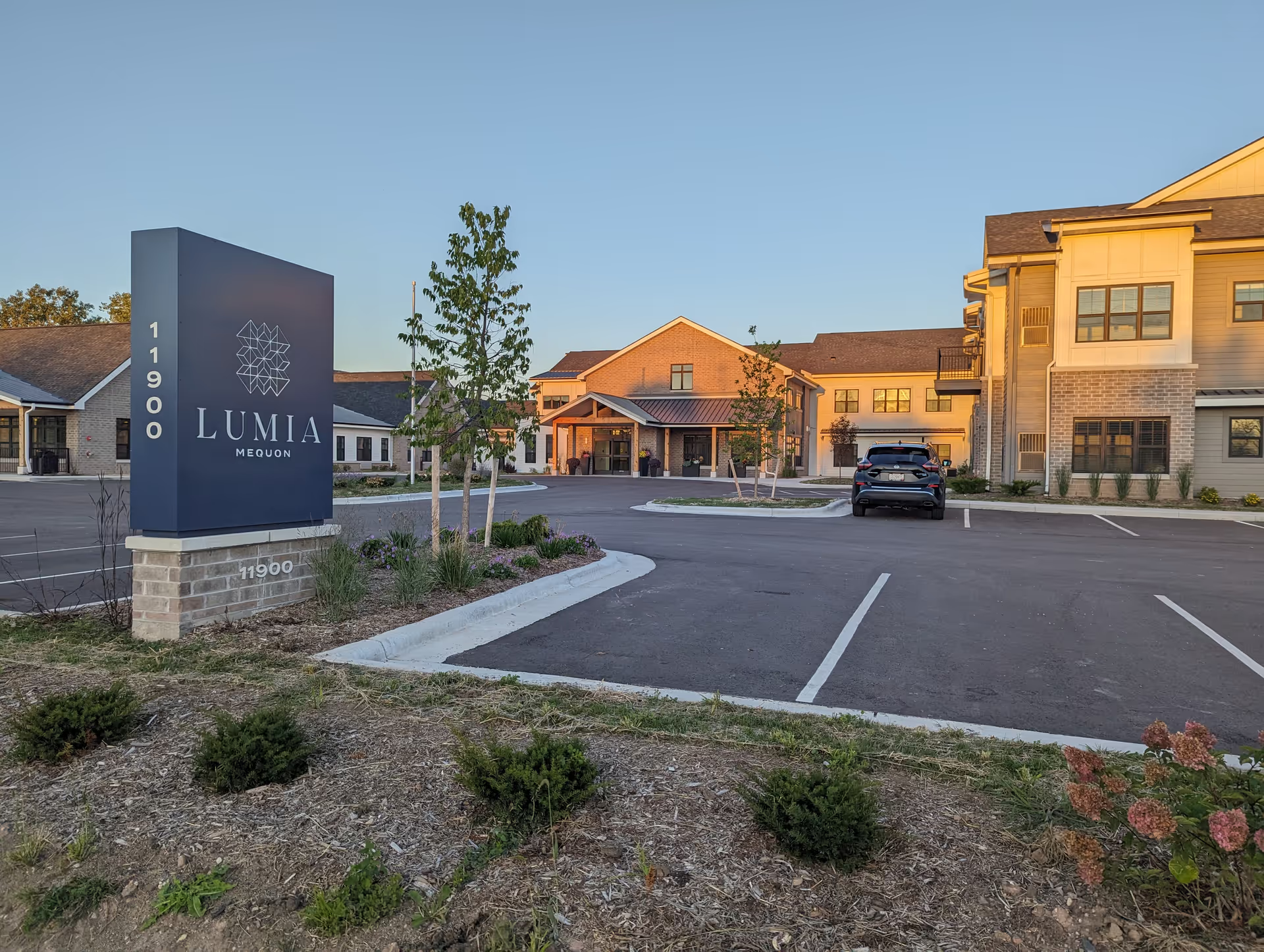
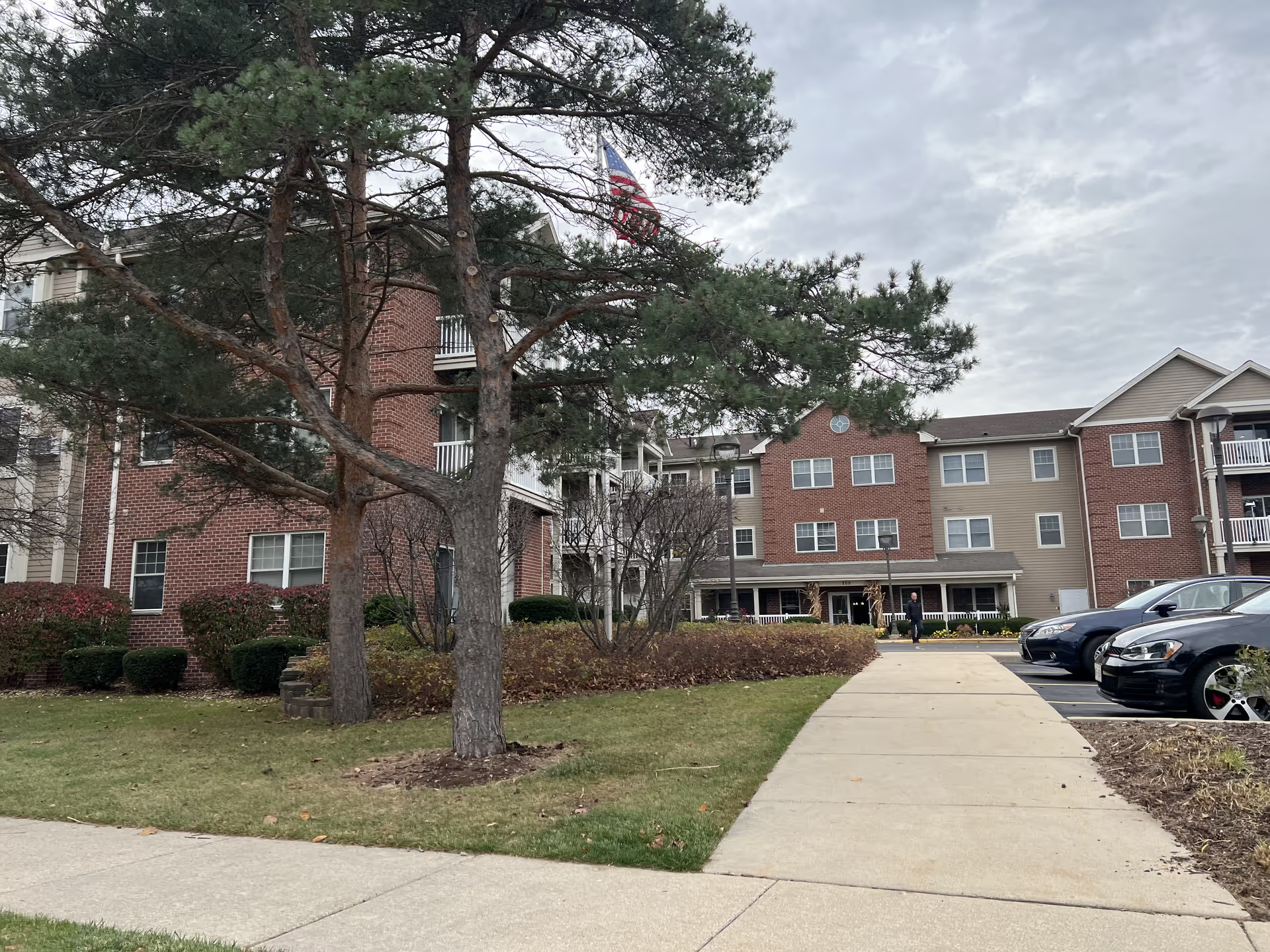
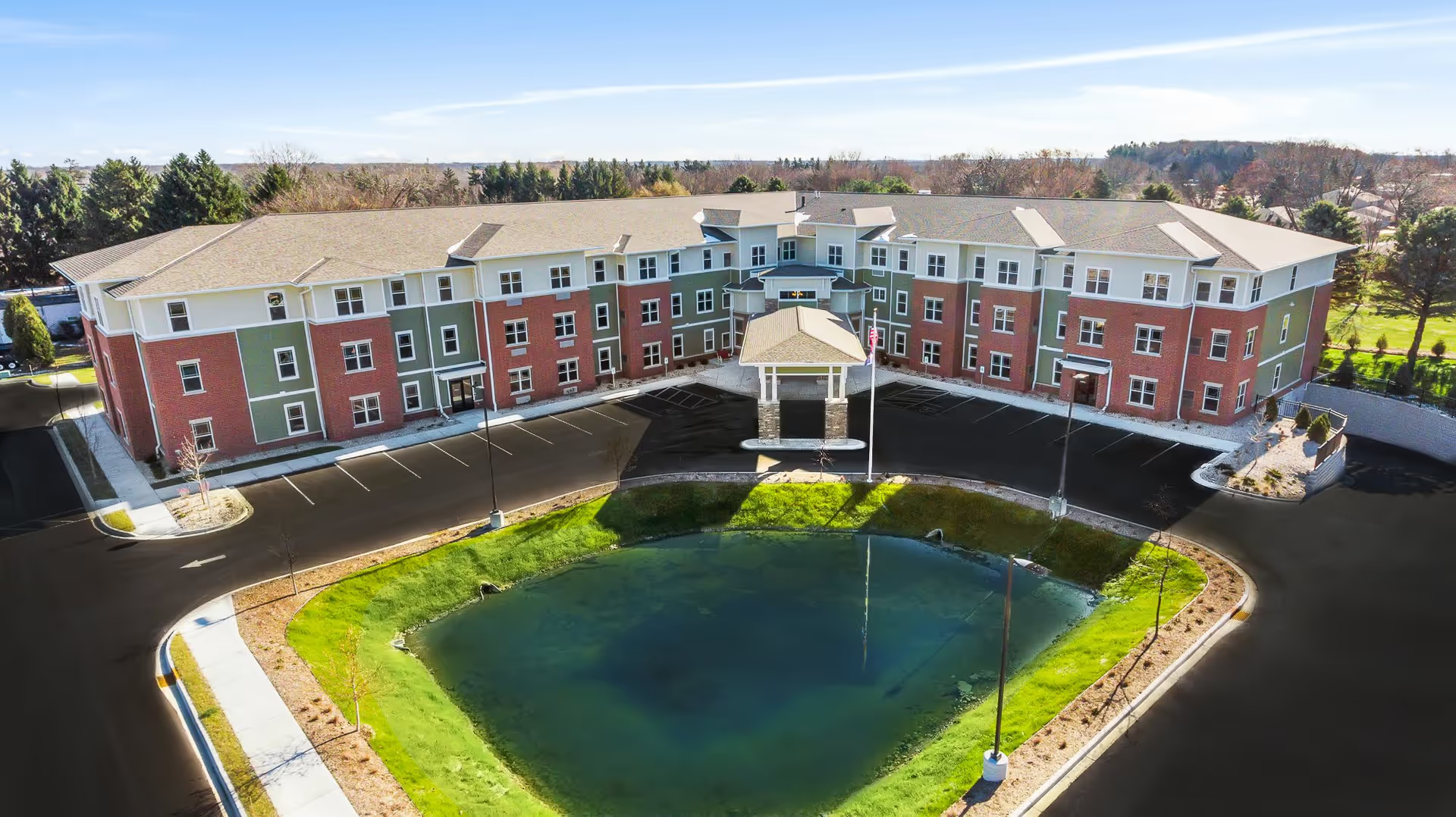
Charter Senior Living of Mequon elicits strongly mixed impressions. Many families and residents describe a welcoming, home-like community with spacious, recently renovated apartments and modern in-unit features such as full kitchens, walk-in showers, climate control, Wi‑Fi and cable. Several accounts emphasize a high level of personal attention from caregiving staff — including responsive nurses, a pendant call system, and hands-on aides — and a supportive move-in process. The dining program receives frequent praise for chef-prepared, customizable meals and menu variety, and the activity program is described as robust, with daily events, outings, bingo, Veterans’ programming, and opportunities for social engagement that contribute to resident well-being.
At the same time, a number of substantive operational concerns recur across accounts. Staffing instability and short staffing are the most common themes; guests describe times when coverage is thin or staff are not readily available. Related clinical concerns include medication-management gaps and occasional errors, which suggest the need for clearer protocols and oversight. Maintenance and sanitation issues in common areas — including carpeting and elevator cleanliness and trip-hazard conditions — were raised alongside praise for recent renovations, indicating uneven facility upkeep. Reviewers also describe inconsistent staff communication and occasional brusque interactions, which contrast with other reports of warm, attentive employees.
Management and leadership present a complex picture. Some families praise directors and onsite leaders for proactive coordination and strong teamwork, while others cite frequent management turnover and questions about long-term stability. This mixed leadership signal appears linked to the uneven experiences reported: where management is engaged, reviewers note positive changes; where turnover or gaps are present, operational weaknesses are more evident. Cost–value perceptions vary as well, with some families characterizing rates as high relative to service consistency.
For prospective residents and families: the community offers clear strengths in living spaces, dining, social programming, and individualized caregiving when staff and leadership are fully engaged. Before committing, consider an in-person tour focused on current staffing levels, medication-administration protocols, recent maintenance and sanitation actions, and written guarantees about services and costs. Ask for recent inspection or staffing reports, speak with current residents and family members about day-to-day responsiveness, and confirm how the community manages care transitions if a resident’s needs increase. These steps will help reconcile the facility’s strong positives with the operational concerns documented by other families.