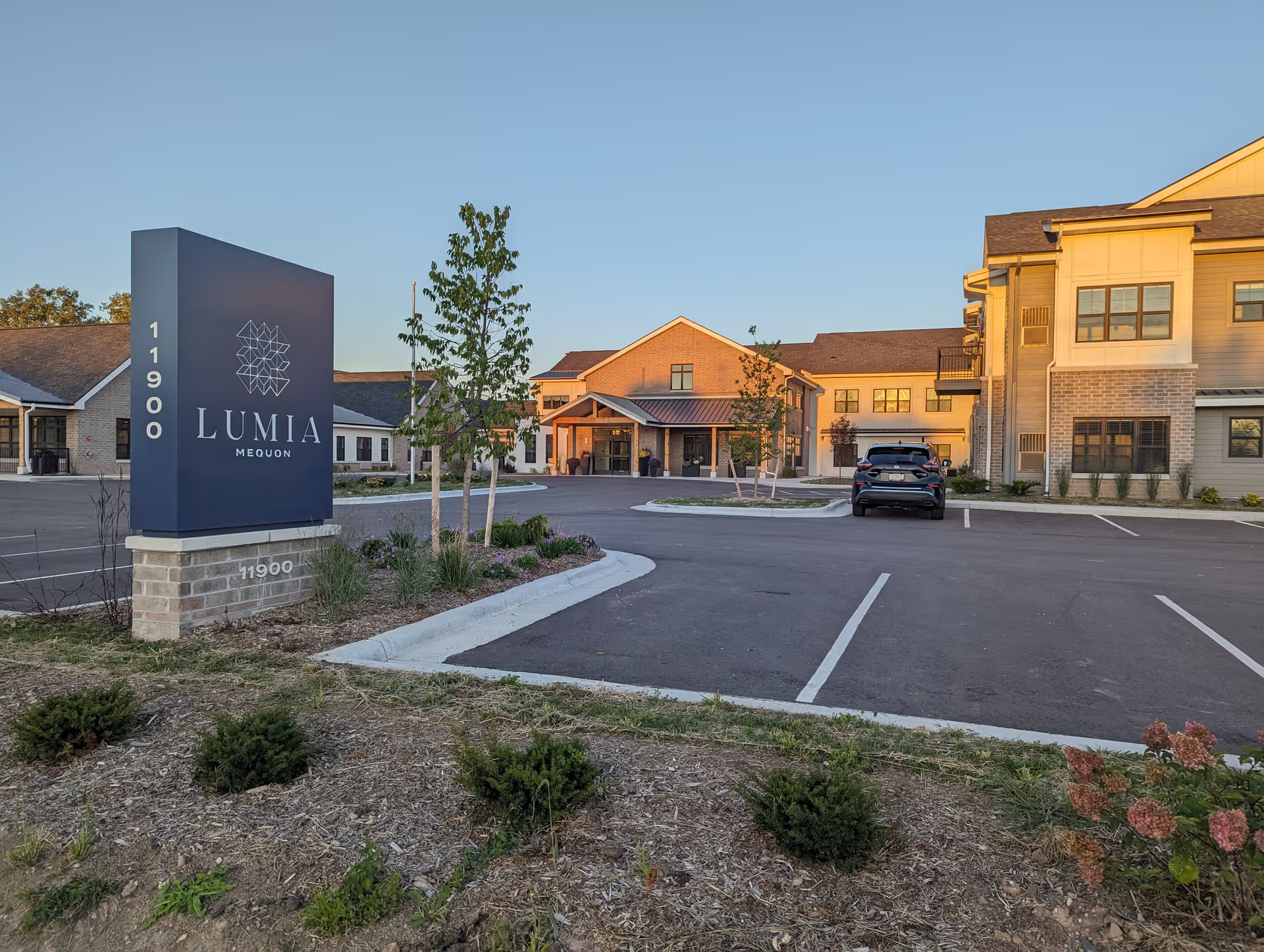
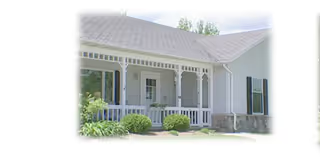
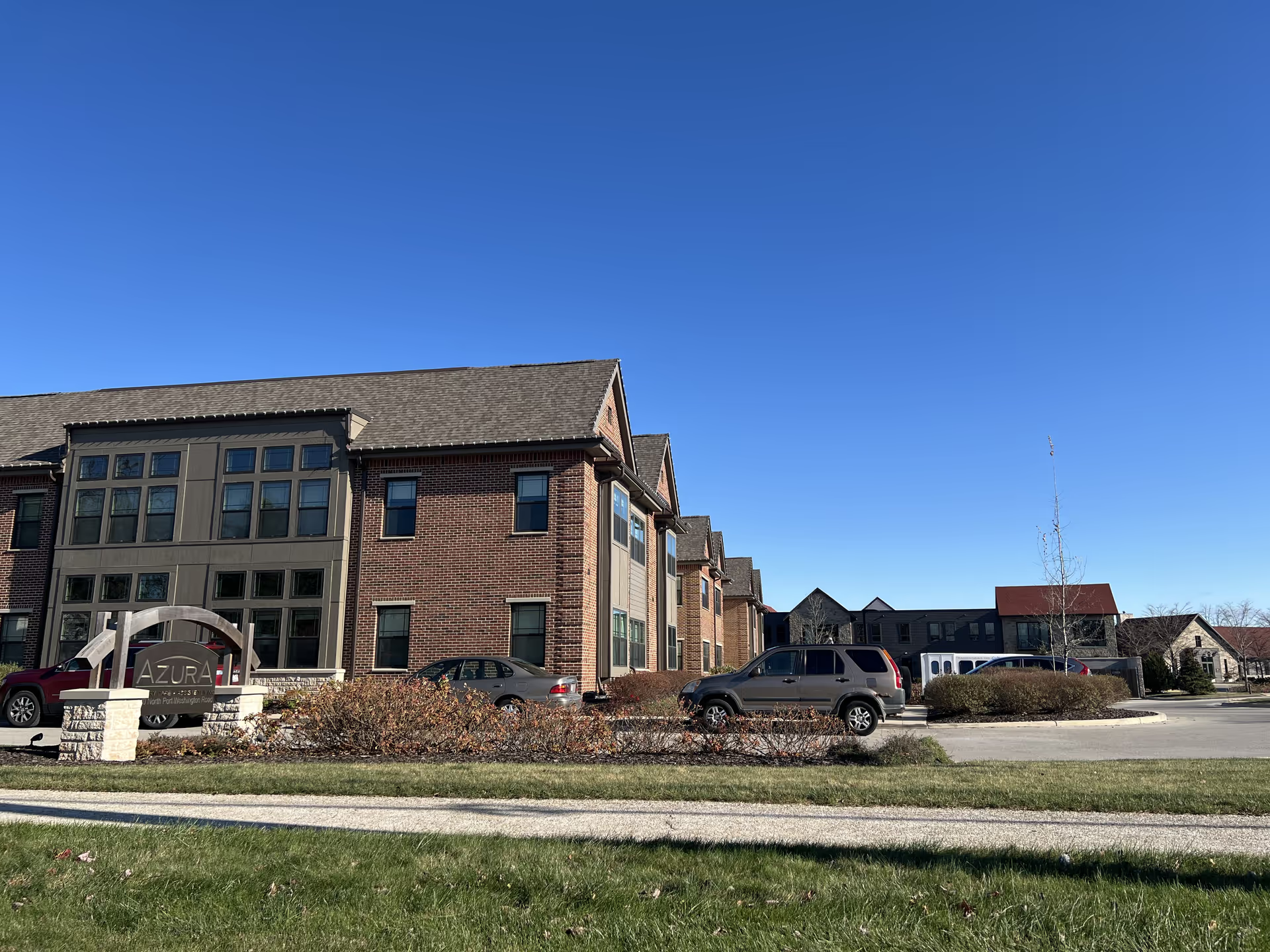
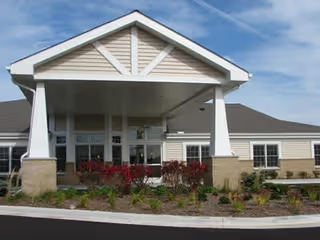
StoryPoint Mequon elicits a broadly mixed but predominately positive set of impressions. Many families emphasize a warm, home-like atmosphere, an attractive, well-kept facility, and staff who are caring, familiar with residents, and skilled in memory-care approaches. Life-enrichment programming, arts and cognitive-stimulation activities, visible social spaces (bar, fireplace), and on-site amenities such as a salon and podiatry are repeatedly noted as strengths. Several reviewers also highlight effective short-term rehabilitation services (OT/PT) and flexible placement options that support couples and staged memory-care transitions.
Direct care quality is a major strength described across reviews: staff are frequently characterized as kind, respectful, and engaged with residents. This is complemented by positive accounts of social integration, weight gain or functional improvement for some residents, and responsive therapy teams. However, a recurring operational theme is inconsistent staffing and higher-than-desired turnover. When staffing is thin, families report that care tasks, housekeeping, and activities are stretched across the same personnel, which can lead to limited personalized interaction, delayed responses to service calls, and inaccuracies in medication administration.
Dining experiences show notable variability. Many reviewers praise nutritious, flavorful meals and special desserts, while others describe smaller portions, missing meal components, difficulty accommodating low-sodium or special diets, and service delays tied to kitchen and wait-staff shortages. There are also comments about additional meal fees or ala-carte charges and perceptions of price escalation over time; prospective families should verify current pricing and what is included in the base fee.
Activities and amenities are frequently cited as a positive driver of resident satisfaction. The community’s programing, music events, crafts, and social spaces foster connections and a family-like feel for many residents. That said, some accounts point to periods with less activity staffing or no full-time activity coordinator, producing more variable participation options depending on the day or staffing mix.
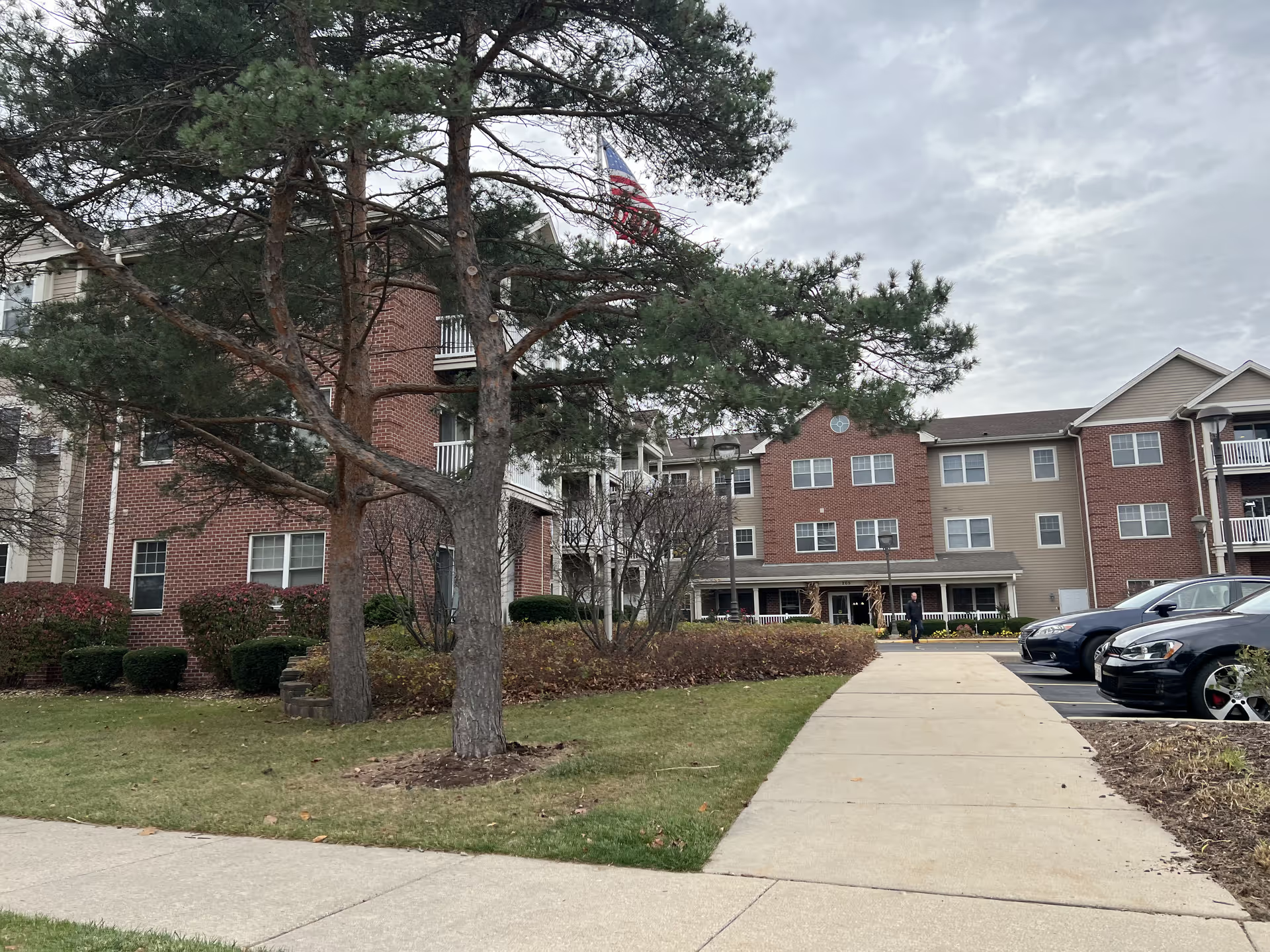
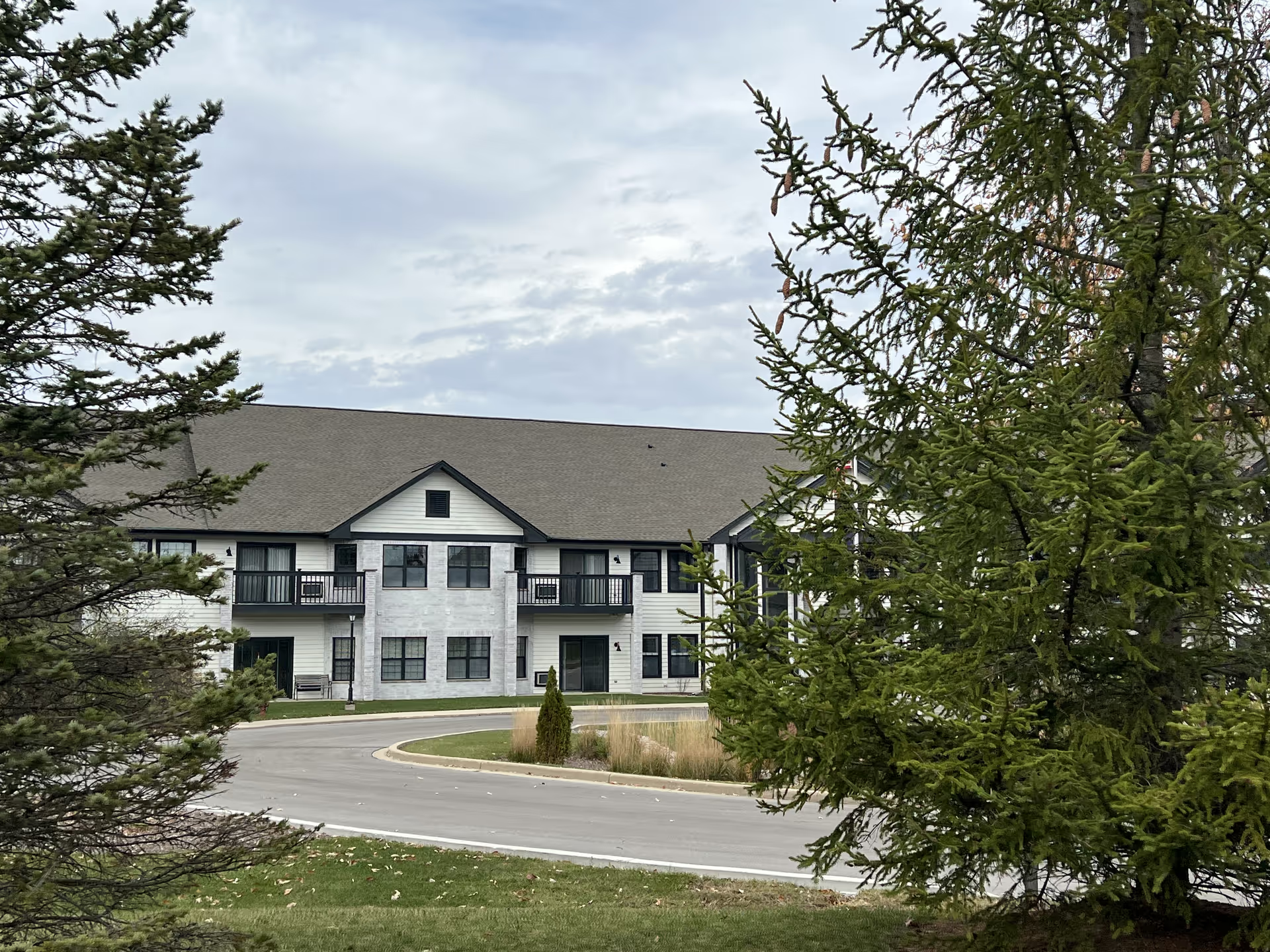
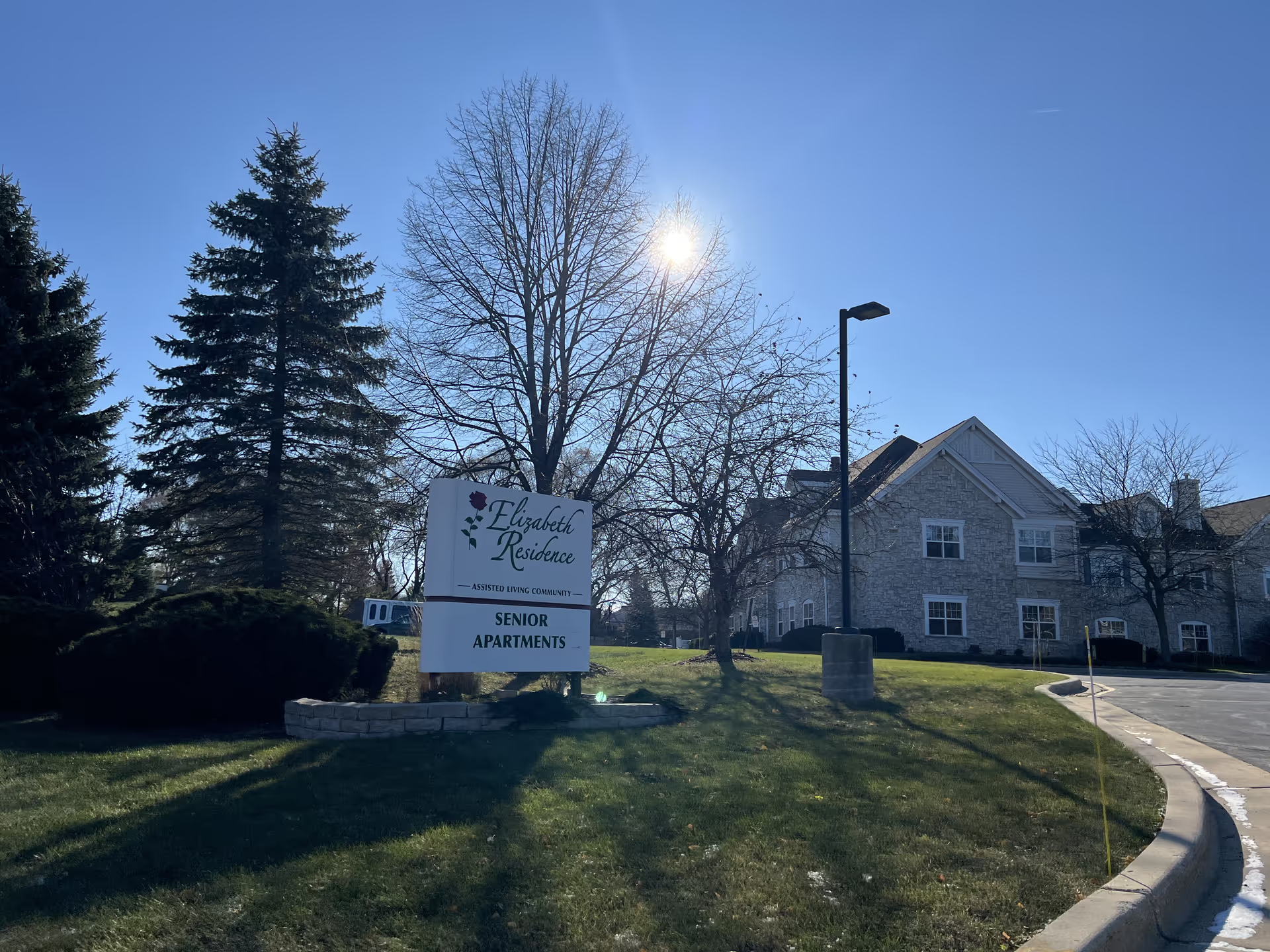
Facility condition is generally described as clean, modern, and accessible, with well-laid-out apartments and common areas. A smaller set of reviews describe maintenance variability and pest-control concerns that required remediation; these appear intermittent but are operational matters families should ask about during a tour. A few residents described a more sterile or institutional ambiance rather than a homelike feel, indicating that subjective experience of the environment can differ by unit or timing.
Management and operations show mixed impressions. Several reviewers commend hands-on leadership and smooth move-in processes, while others describe communication lapses, unresponsiveness from management, and friction when coordinating with outside care providers. In particular, separation between facility services and third-party clinical vendors has produced coordination problems in some cases (for example, inconsistent third-party nurse communication). Other operational weaknesses cited include weekend reception shortages and unclear transportation availability.
Safety and incident history merit careful inquiry. Reviews mention medication accuracy issues, missed or late administration, fall-prevention concerns, and isolated but serious allegations including theft and other misconduct; there are also references to regulatory attention and concerns following adverse clinical events. These are not universal but are significant enough that families should ask for the community’s current incident logs, medication-administration protocols, staffing ratios, fall-prevention procedures, and any regulatory or disciplinary actions during a tour or written disclosure.
Bottom line: StoryPoint Mequon has many attributes that families value—compassionate caregivers, attractive spaces, active programming, and memory-care expertise—but also shows operational fragility in areas tied to staffing, communication, dining consistency, and coordination with external care vendors. Prospective residents and families would benefit from focused questions on current staffing levels and turnover, medication-management safeguards, meal accommodations and fees, pest-control and maintenance history, weekend staffing, and how third-party clinical services are coordinated and supervised. Asking for written policies and recent performance indicators will help determine whether the community’s strengths align with an individual resident’s needs.