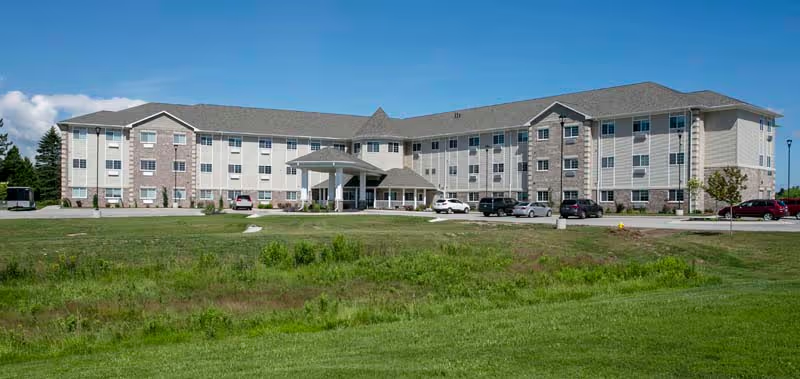
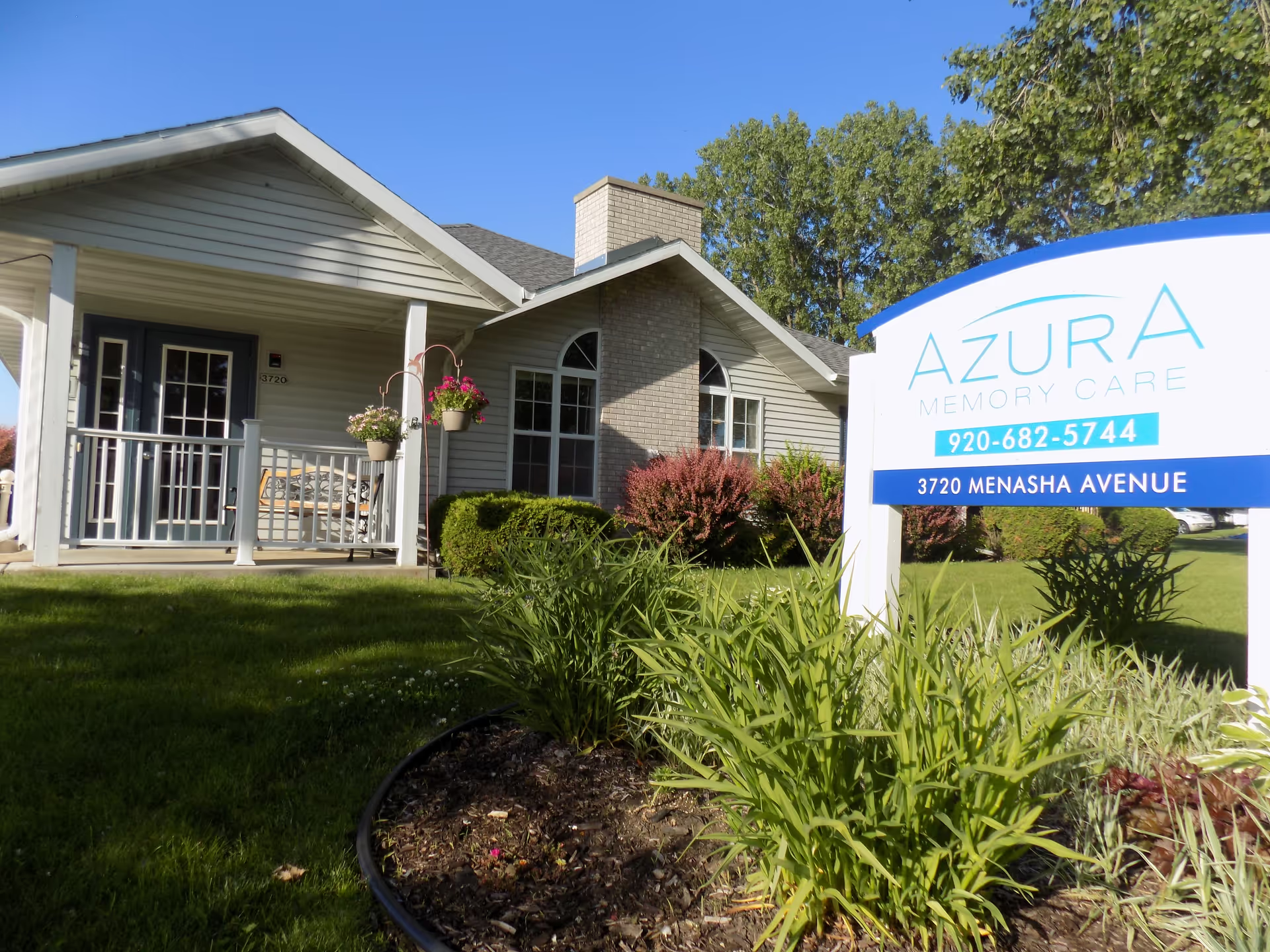
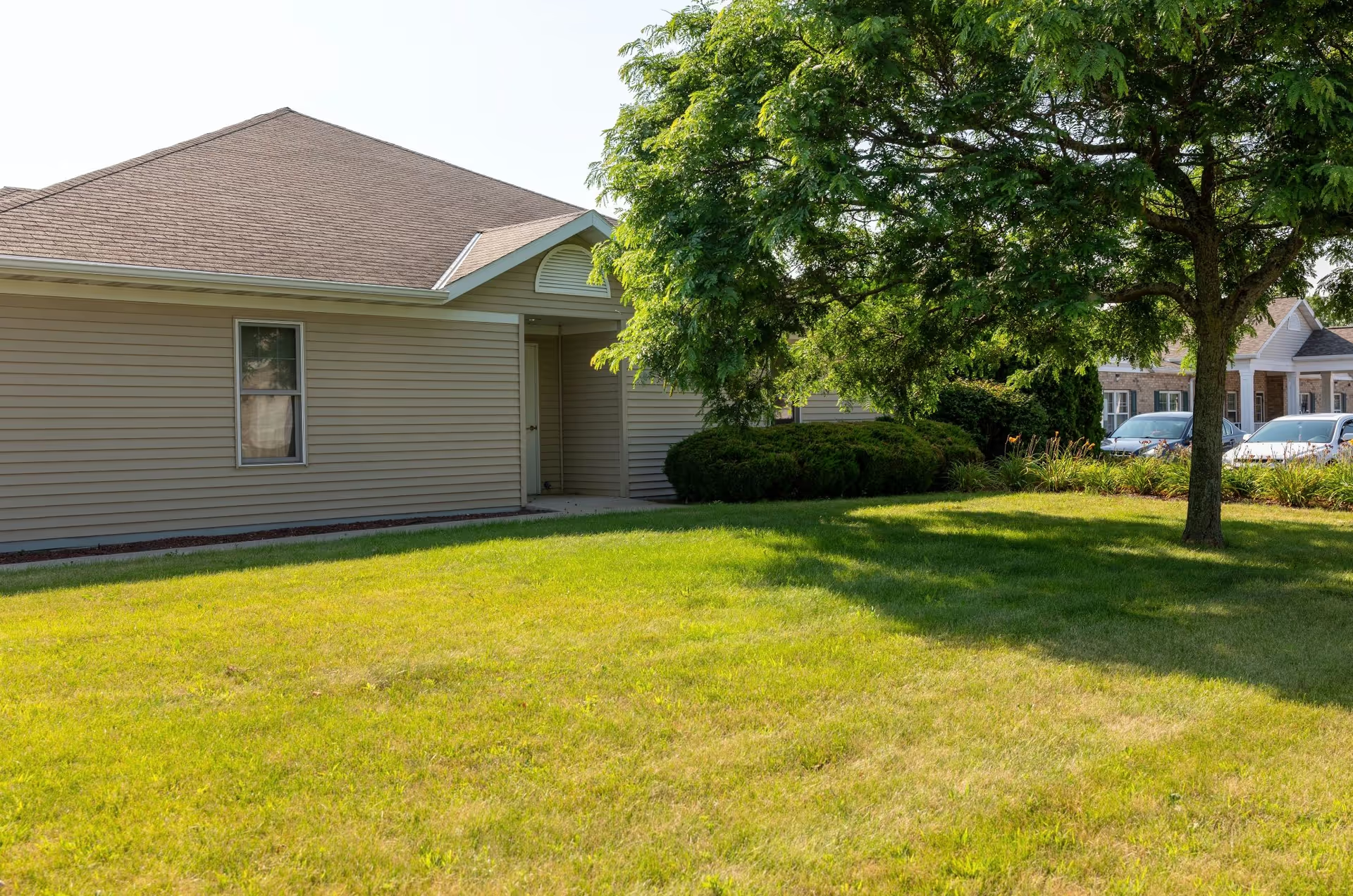
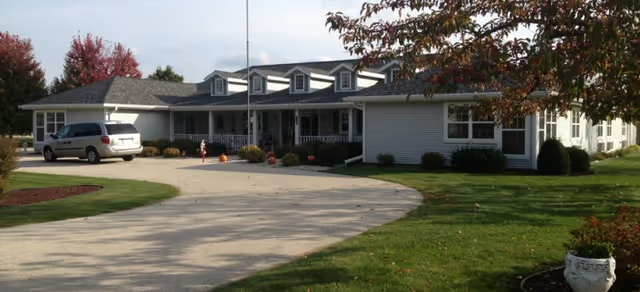
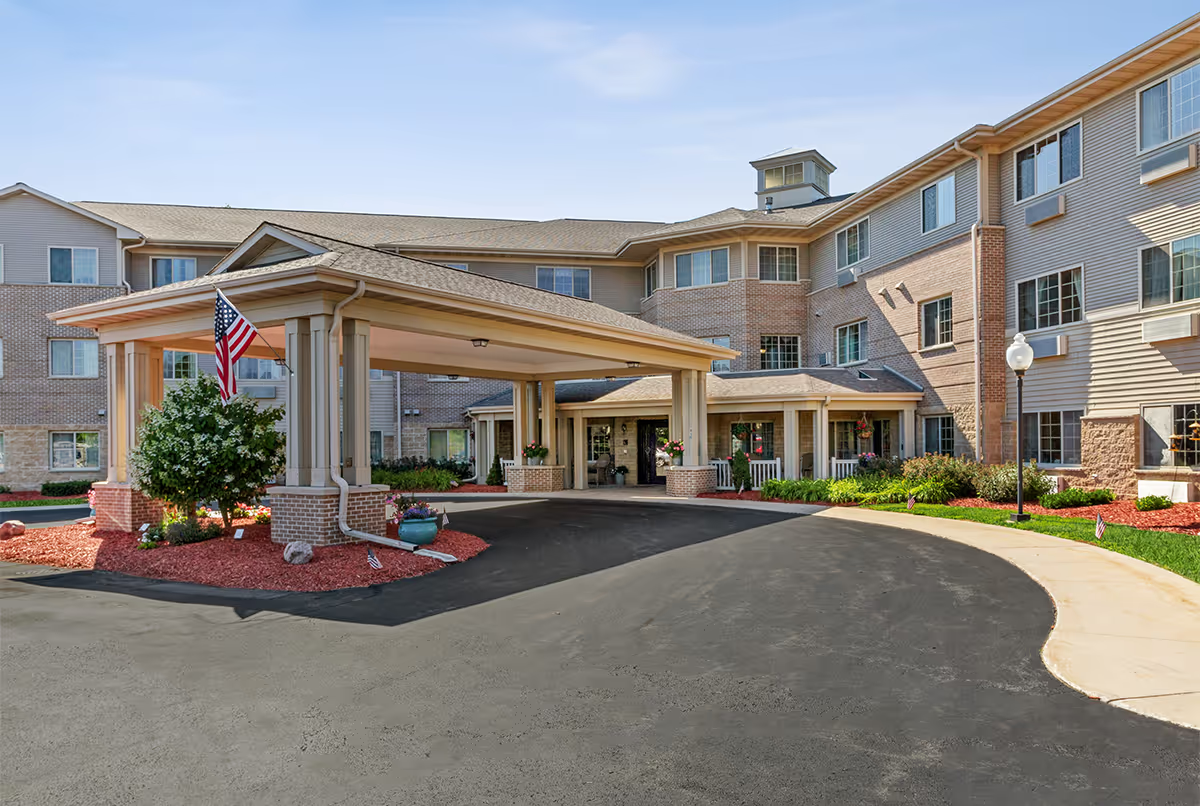
Care Partners Assisted Living elicits mixed but specific impressions. Many comments emphasize strengths in direct caregiving: staff are frequently described as compassionate, knowledgeable, and attentive, with timely responses and routine updates about resident needs and changes. The facility's scale and atmosphere are commonly characterized as small, homelike, cozy, clean, and well maintained, which supports individualized interaction and positive family memories.
Leadership presence is a noted asset in several accounts; on-site managers and named staff receive gratitude for hands-on involvement and visible support of floor staff. That leadership involvement appears to contribute to staff dedication and a culture of personalized attention for residents. At the same time, other accounts indicate operational inconsistencies: concerns about communication with families, perceived disregard for resident or staff concerns, and higher-than-desired staff turnover. These patterns suggest variability in experience that may be related to management stability or staffing continuity.
Activity offerings are a clear positive. Families describe engaging programming, outings that include relatives, and resident-centered events (for example, outdoor grilling activities) that generate positive memories. Dining and amenity information is limited in the available summaries; reviewers did not provide consistent descriptions of menu quality, meal service continuity, or other facility amenities, leaving dining an area requiring further inquiry.
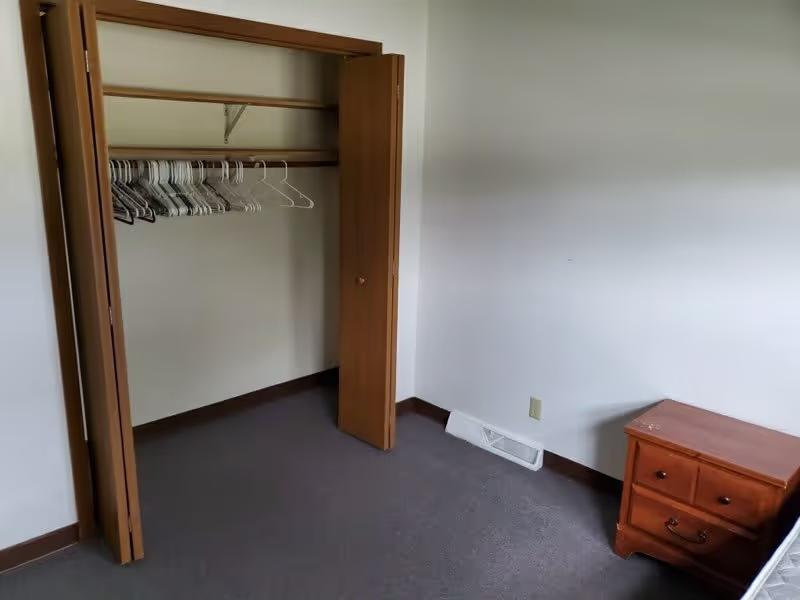
The physical environment is generally praised for cleanliness and organization, but reviewers note constraints related to room size and overall facility capacity. For prospective residents and families, the trade-off appears to be between a smaller, more intimate setting with attentive staff and potential limitations in private living space and variability in administrative practices.
Notable patterns: positive direct-care interactions and engaging activities contrast with operational issues such as communication gaps, leadership inconsistency, and staff turnover. Prospective families should ask targeted questions about staffing ratios and stability, communication protocols, dining programs and sample menus, room dimensions and storage, and examples of how the facility addresses family concerns and care-plan changes to determine whether the facility’s strengths align with their priorities.