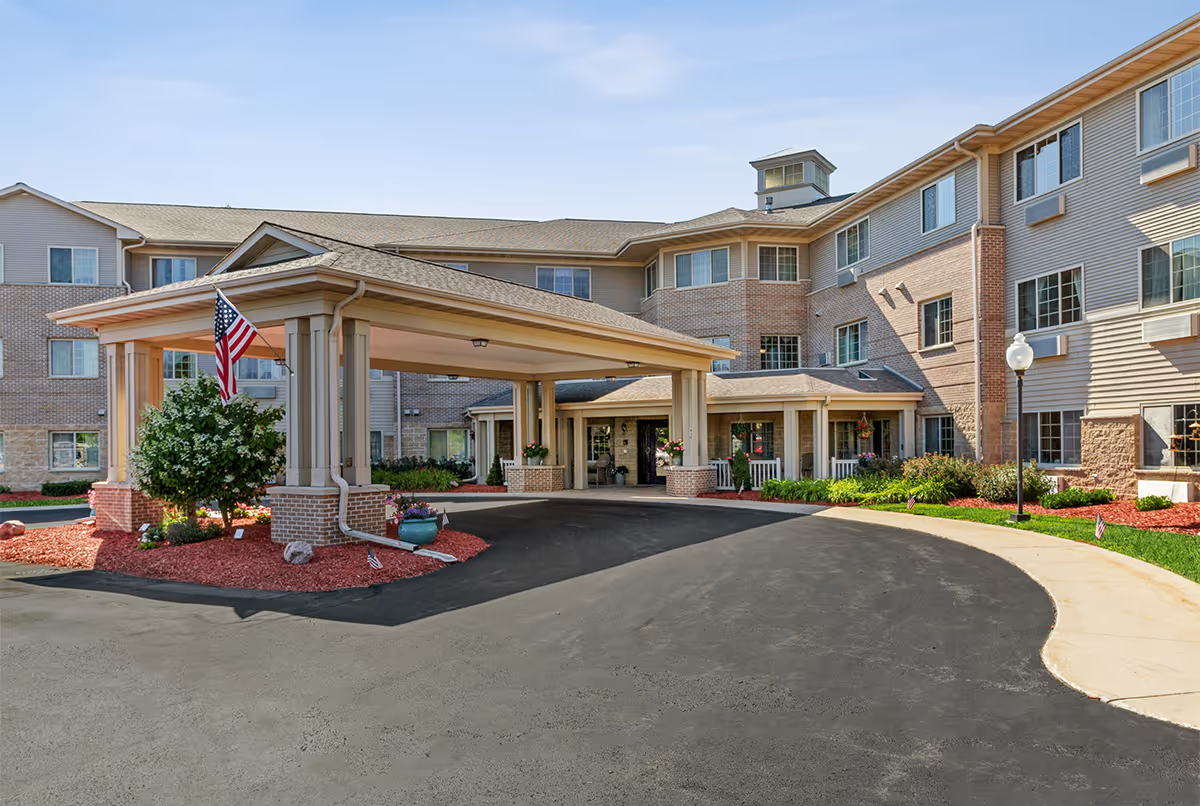
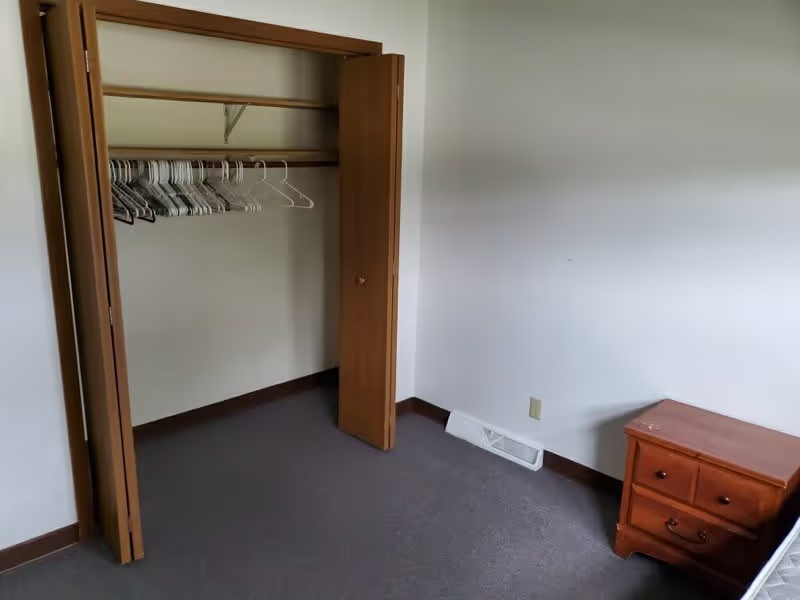
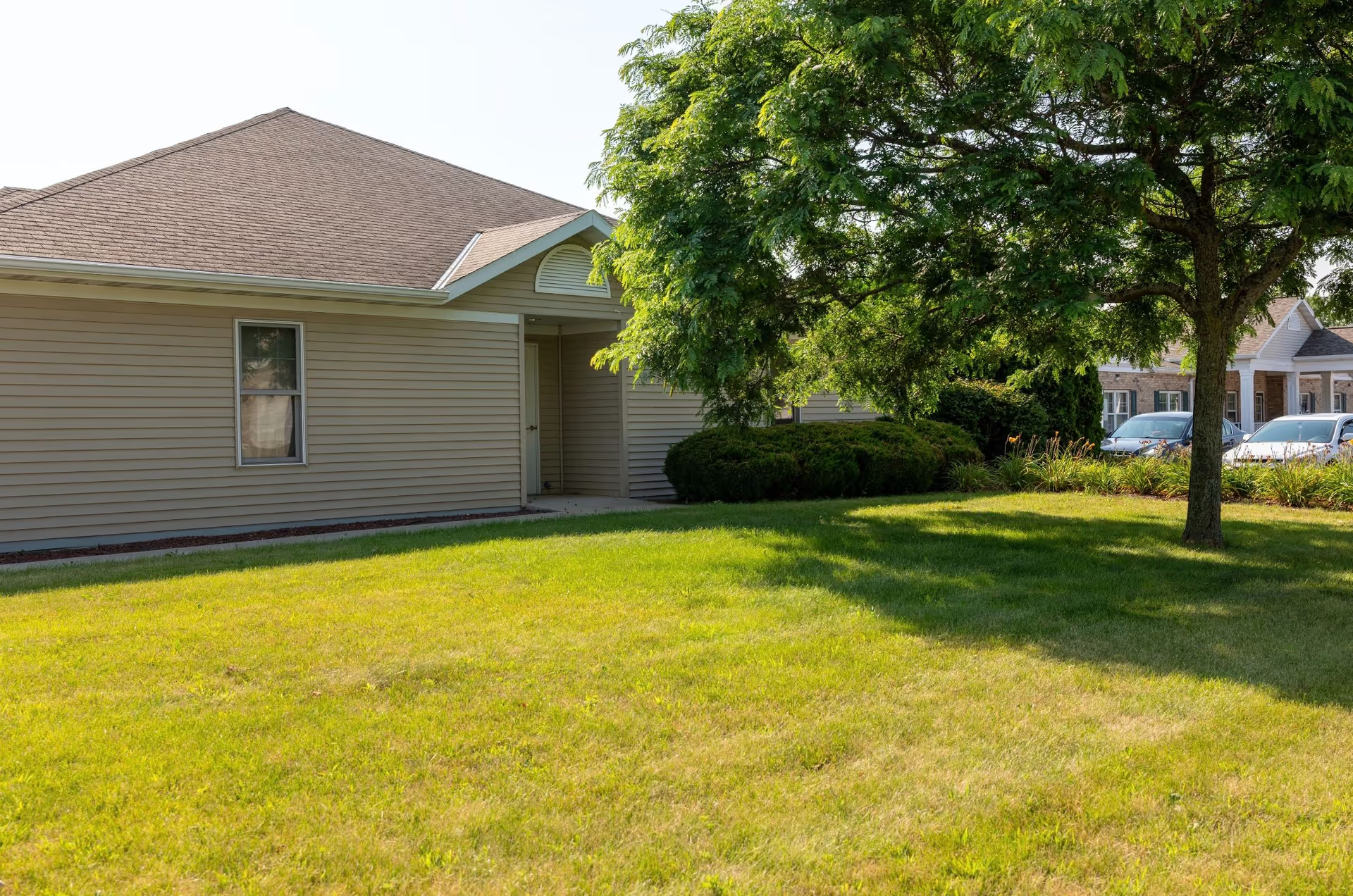
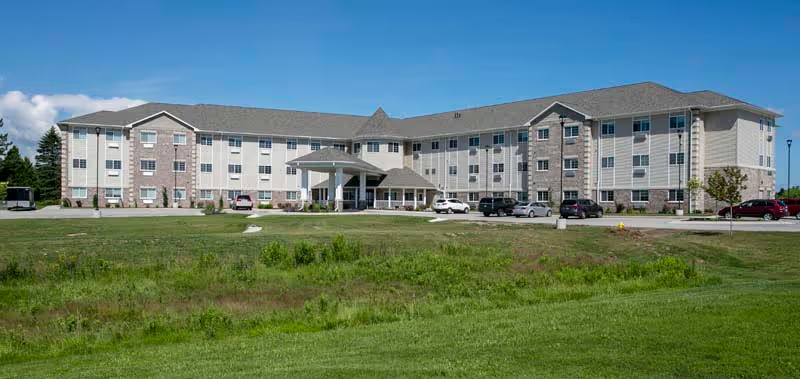
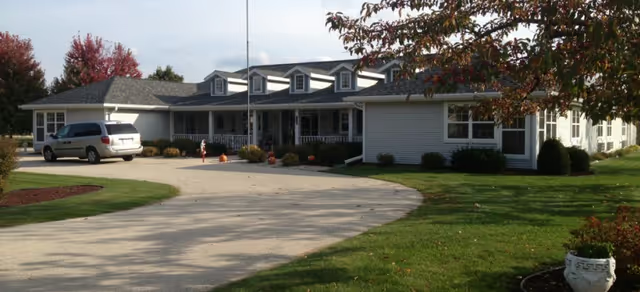
Frontida Assisted Living of Manitowoc is consistently described as a bright, attractive, and home-like facility with clean dining spaces, spacious private rooms with en-suite bathrooms, and comfortable common areas that include large windows and an outdoor patio. Many families and residents highlight a welcoming atmosphere and good curb appeal. The physical environment supports personalization of rooms and provides accessible common spaces for socialization and therapies.
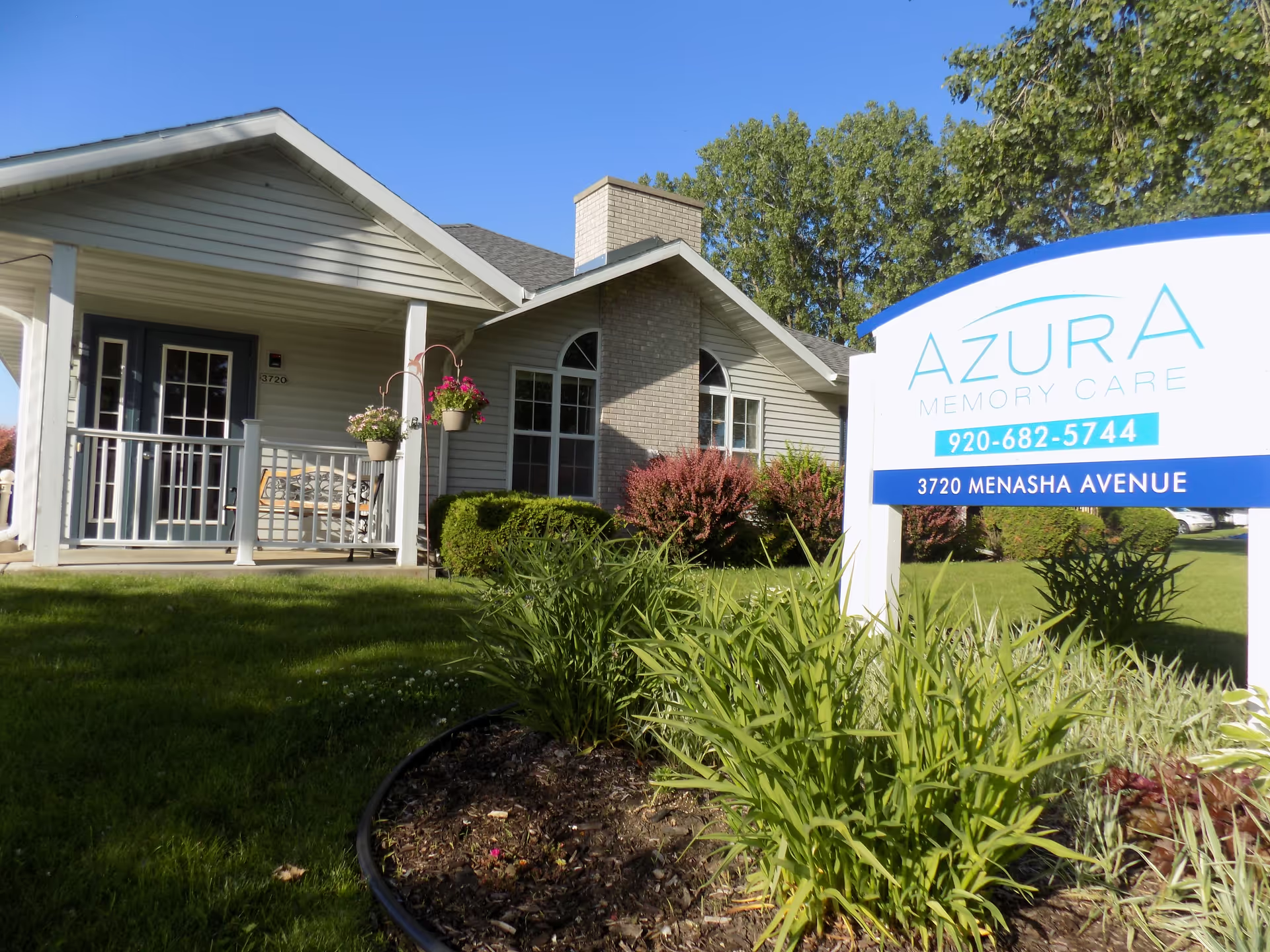
Care quality is frequently characterized by compassionate, attentive staff and a team-oriented culture. Reviewers cite knowledgeable clinical and therapy services, including in-house physical therapy and a strong PTA presence, and several accounts emphasize comfort-focused end-of-life care and hydration and comfort monitoring. There is also a memory-care option and programming aimed at residents with cognitive impairment, and many families report positive dementia care experiences.
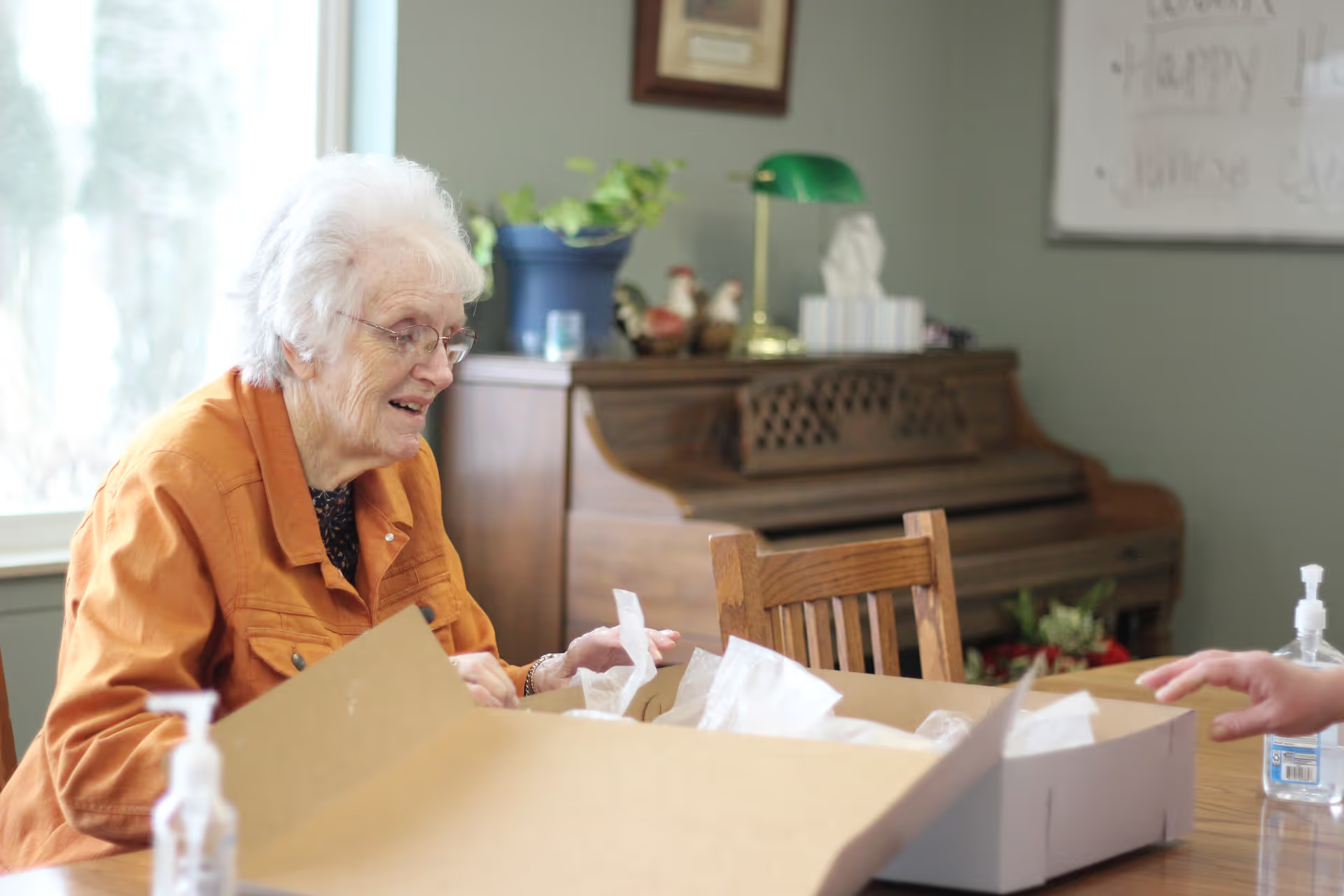
The facility offers a structured life-enrichment program with regular music, singing, dancing, crafting, and exercise sessions; musical guests and engaging events are noted strengths. Families praise new or improved dining and life-enrichment programs under recent leadership changes. Staff assistance with admissions and transfers is described as helpful by multiple reviewers, and many recommend the community for its caring teams and supportive guidance.
At the same time, a pattern of operational weaknesses emerges. Staffing instability and leadership turnover have been cited, and several families identify inconsistencies in staff professionalism and communication tone—examples include curt responses and communication lapses with families. More operationally substantive concerns include medication-administration and documentation gaps, missing or delayed care-plan documentation, and delays in responding to resident needs. These issues have led some families to increase direct oversight of care.
Administrative processes also show variability: paperwork processing and billing transparency are areas of concern, with accounts of delayed paperwork and unclear extra charges or respite billing. Activity programming quality is uneven; while many events are engaging, others are described as limited in resources (for example, modest activity supplies) or poorly managed for noise level. Practical facility-level requests include expanded on-site laundry capacity and equipment.
Overall, Frontida presents many strengths that appeal to residents seeking a warm, activity-rich assisted living environment with supportive therapy services and recent programmatic improvements. Prospective residents and families should weigh these positives against the documented operational areas—particularly around staffing consistency, medication/documentation practices, family communication, and administrative transparency—and consider asking targeted questions during a tour about current staffing stability, medication protocols, care-plan timing, billing policies, and how activity noise and laundry needs are managed.