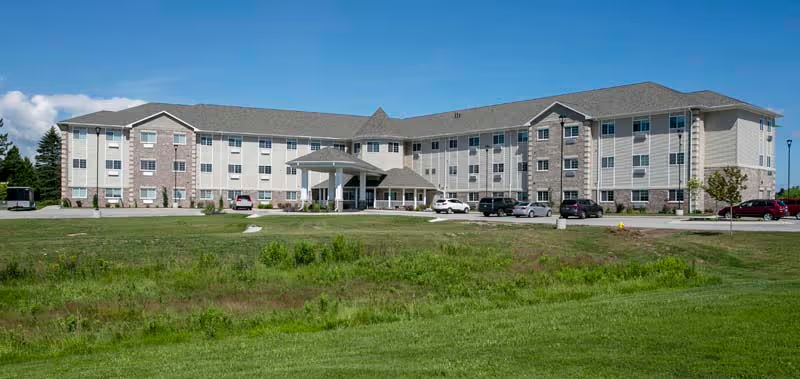
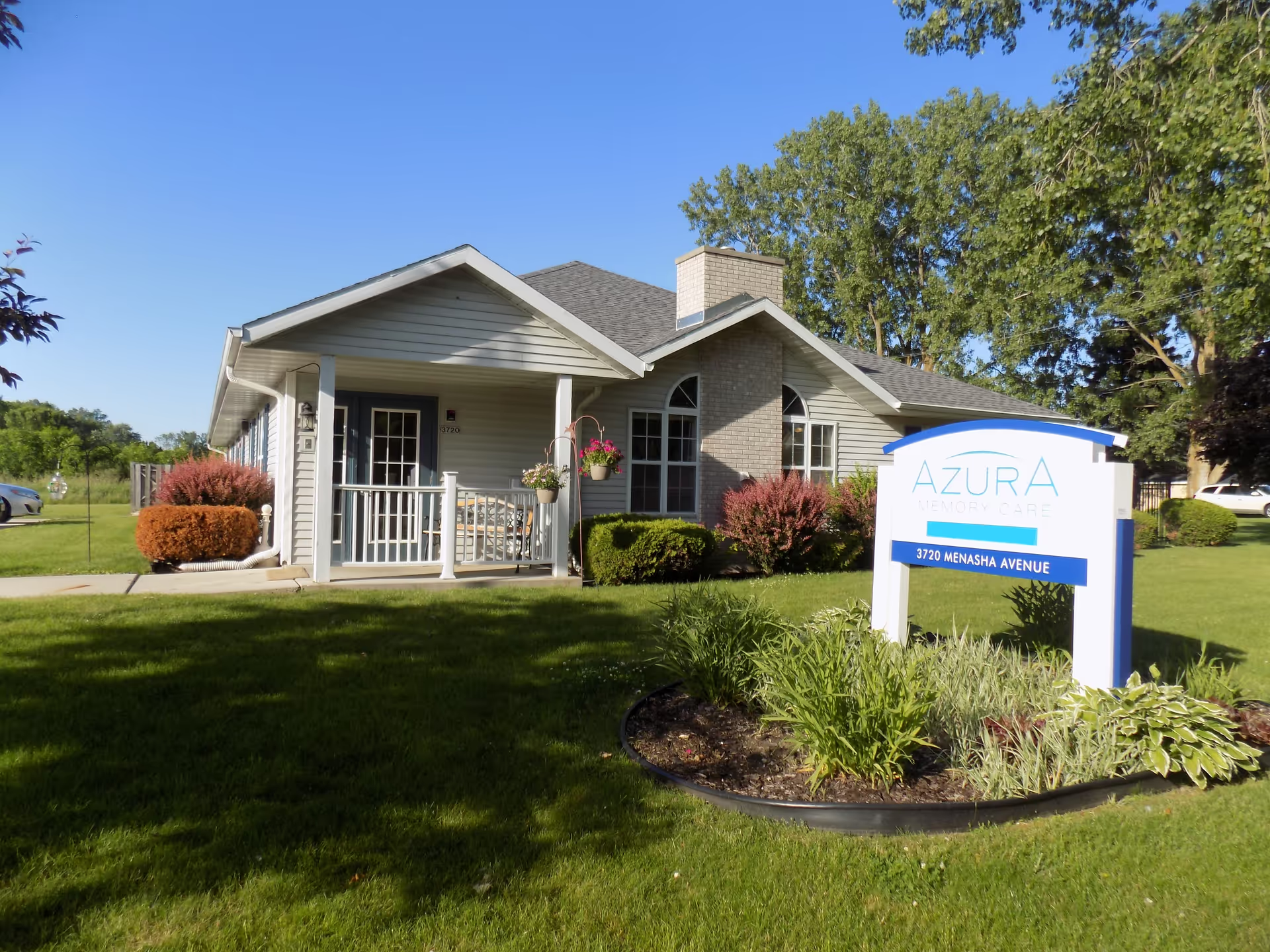
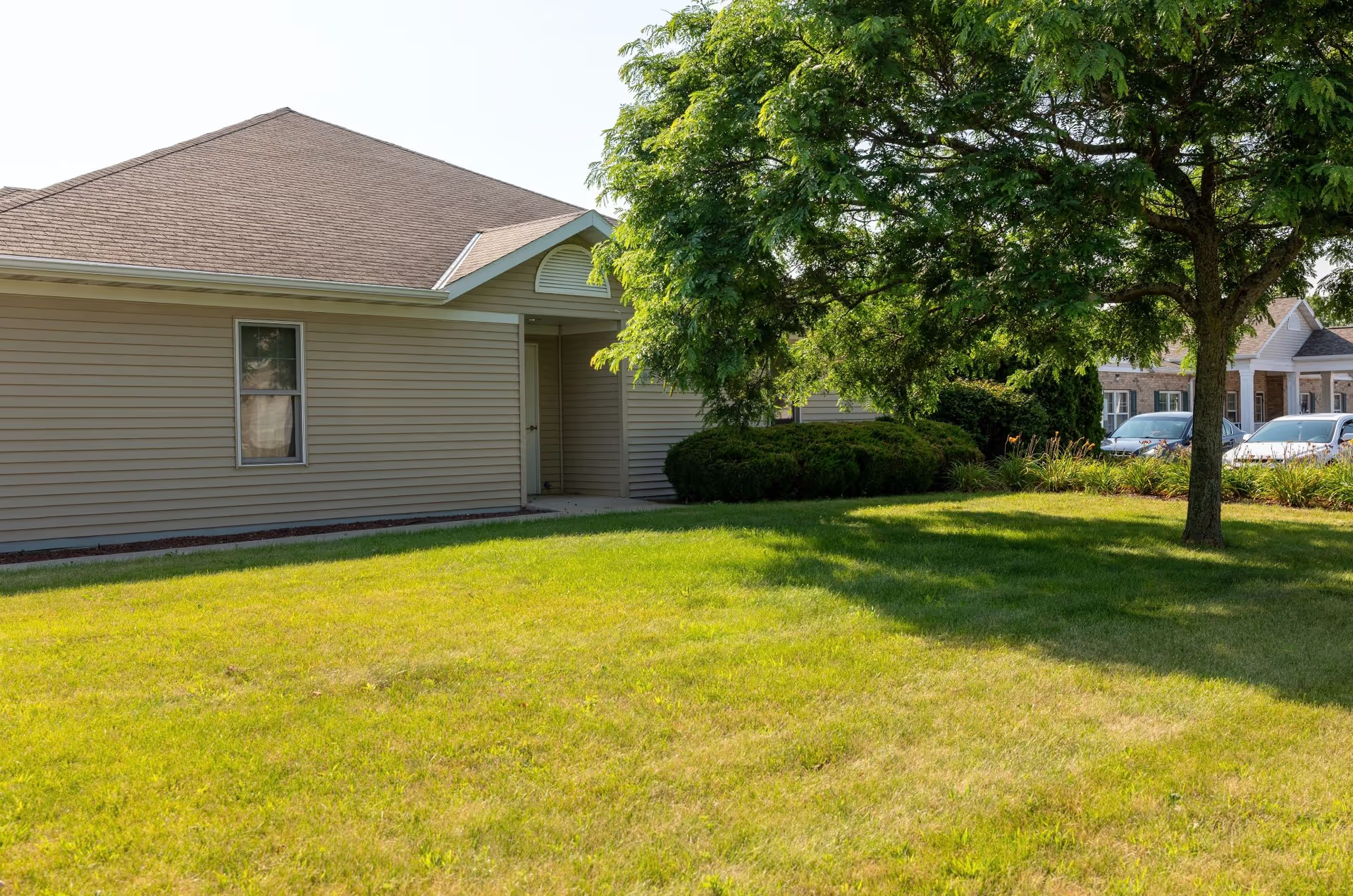
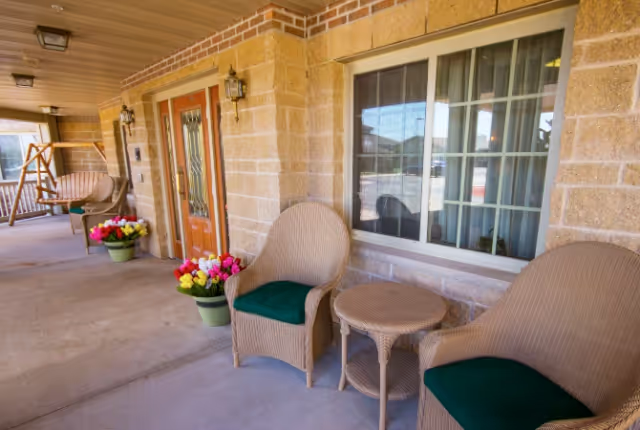
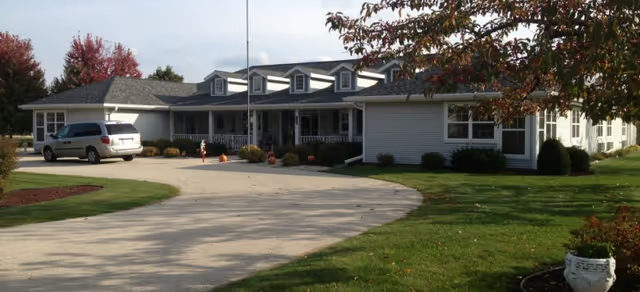
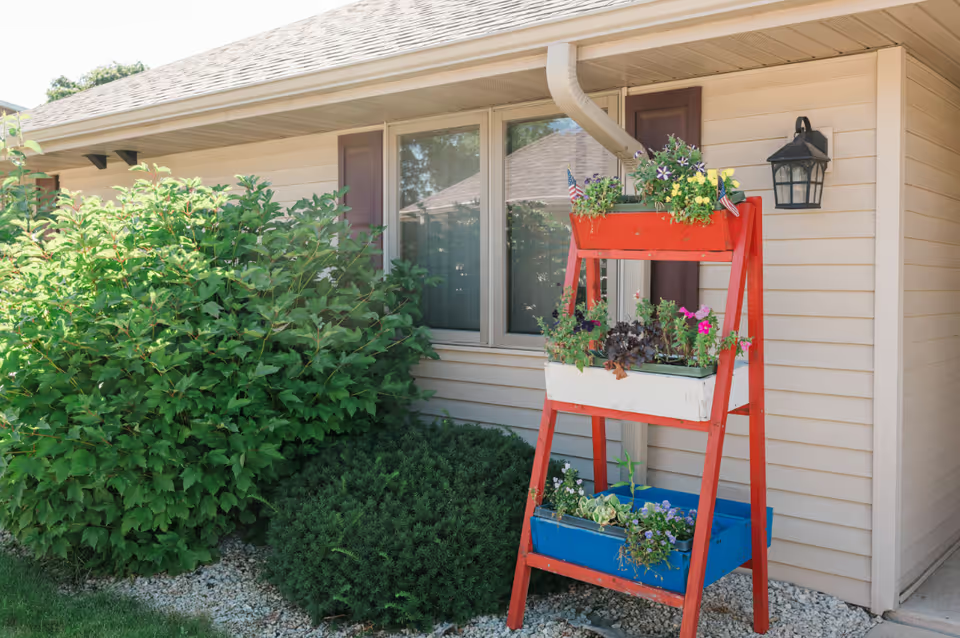
Magnolia Meadows presents as a small, home-like assisted-living option with features that appeal to families seeking a residential atmosphere. The community is described as a 19-room home with private rooms that frequently include en-suite or half-bath facilities, garden views, and recently updated interiors. The facility offers flexible admission terms (pay-per-day billing and no long-term contract), end-of-life care capability, and accessible tour scheduling. Service offerings commonly cited as strengths include an on-site chef providing three meals daily, transportation, laundry, and memory-care activities such as games and bingo.
Care quality perceptions are mixed. Many reviewers described compassionate, knowledgeable caregivers and positive experiences in the dementia/memory-care unit; specific staff and managers were praised for empathy and professionalism in some accounts. At the same time, other accounts raise serious operational concerns. These include allegations of staff theft and descriptions of weak follow-up on incidents, inconsistent staff presentation and professionalism, and concerns about medication-management oversight. Several reviewers raised issues tied to basic personal care and housekeeping—missed bathing schedules, laundry misplacement, and variable sanitation standards—suggesting uneven consistency in day-to-day care delivery.
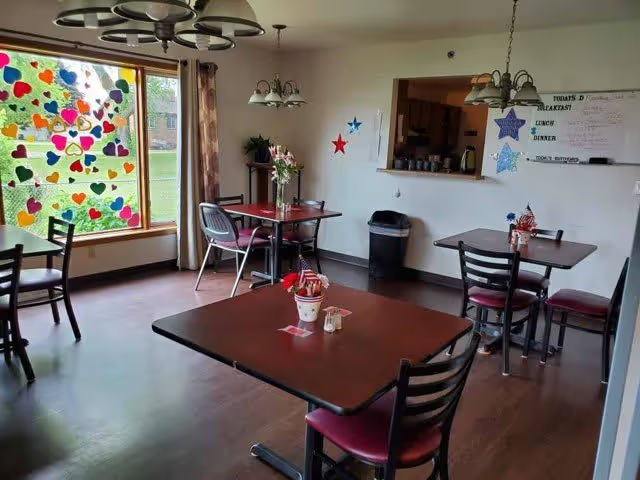
Staffing and management present a contrast: some families found staff helpful, engaged, and appropriately trained for memory care, while other families described unresponsiveness from leadership, difficulty reaching the facility by phone, and limited accountability after incidents. These patterns point to potential variability in staff training, supervision, and communication processes. Dining and social programming generally receive positive comments—homey dining room, regular meals prepared on-site, and active engagement opportunities—though perceptions of friendliness and the overall social atmosphere vary with staffing levels.
For prospective residents and families, the facility’s small size and modern units, combined with flexible financial arrangements and included services, are attractive features. However, the pattern of operational concerns—asset security, staff oversight, medication procedures, housekeeping consistency, and communication responsiveness—warrants direct inquiry during a visit. Recommended topics to verify on tour include staff-to-resident ratios and scheduling, background-check and supervision practices, medication-administration protocols and audits, incident-reporting and family-notification procedures, laundry and housekeeping workflows, and examples of recent corrective actions from management. Confirming these operational details and speaking with current families can help balance the facility’s residential strengths against the variability described in some accounts.