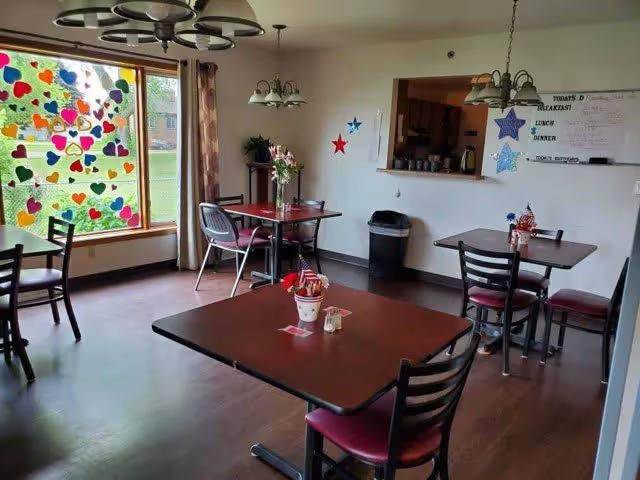
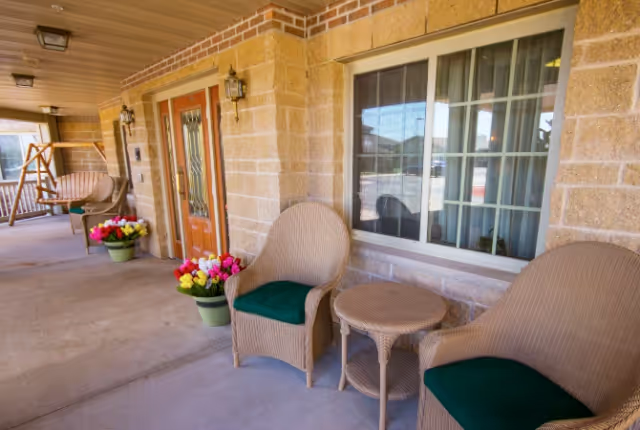
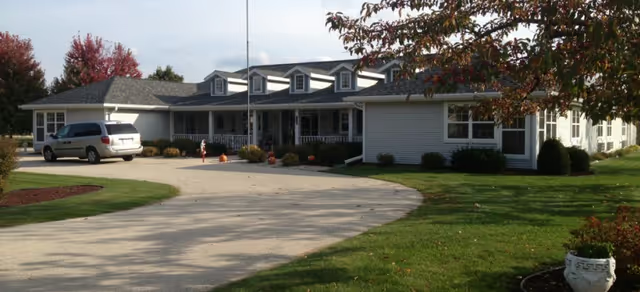
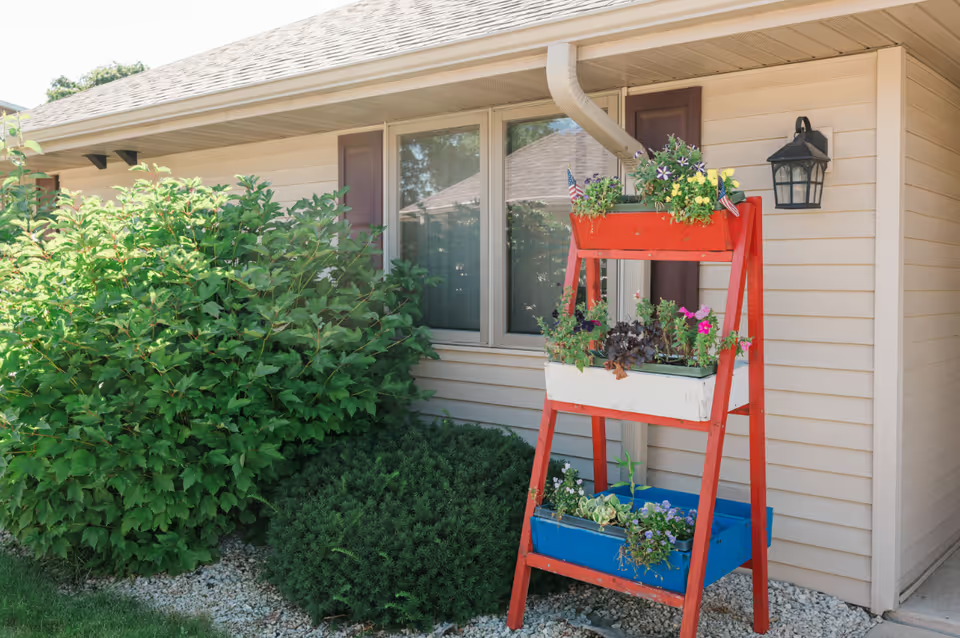
The reviews create a mixed portrait of North Ridge Health and Rehabilitation Center. Strengths are concentrated in rehabilitation, certain direct-care staff, and activity programming: many observers noted strong therapy outcomes (physical and occupational therapy), helpful CNAs, an active activities calendar supported by a large communal space, and outdoor patios and courtyard that residents can access. Several comments also mention pleasant common-area features (an aquarium and birds), a generally welcoming atmosphere among some staff, and reports of improved cleanliness and appearance over time.
Care quality appears variable. Positive accounts emphasize effective therapy and individual caregivers who provide compassionate, resident-centered assistance. However, there are consistent operational concerns about nursing coverage and responsiveness. Reviewers described slow responses to call lights and medication delays, staffing shortages that leave units thinly covered, and at least one unit with complex respiratory needs (trach/ventilator) where families expressed specific safety concerns. Clinical gaps mentioned include inconsistent wound and oxygen management and occurrences of pressure-related injuries and infection risk that families attribute to delayed attention. These patterns suggest that care reliability can depend heavily on which shift or staff members are present.
Staffing and communication are recurring themes. While some staff — including CNAs, therapists, and a few licensed clinicians — are praised for their compassion and skill, reviewers also cited inconsistent conduct, difficulties reaching nurses by phone, delayed or unclear clinical updates, and instances of confrontational or unprofessional communication from certain administrative or social-work personnel. Several reviews described scheduling problems, last-minute shift cancellations, and a lack of clear follow-up from management. These administrative weaknesses have contributed to family mistrust and prompted some relocations.
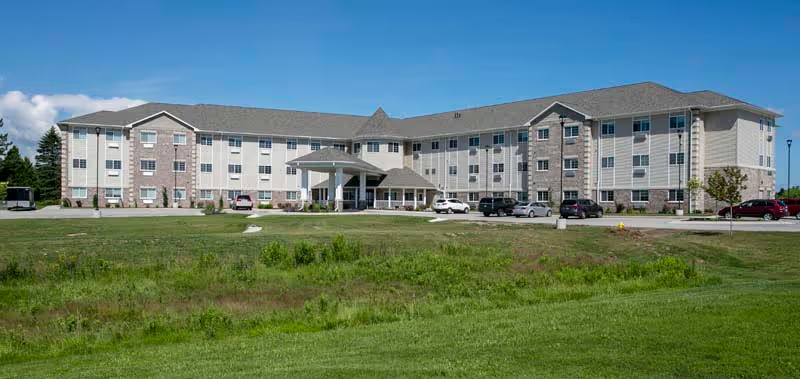
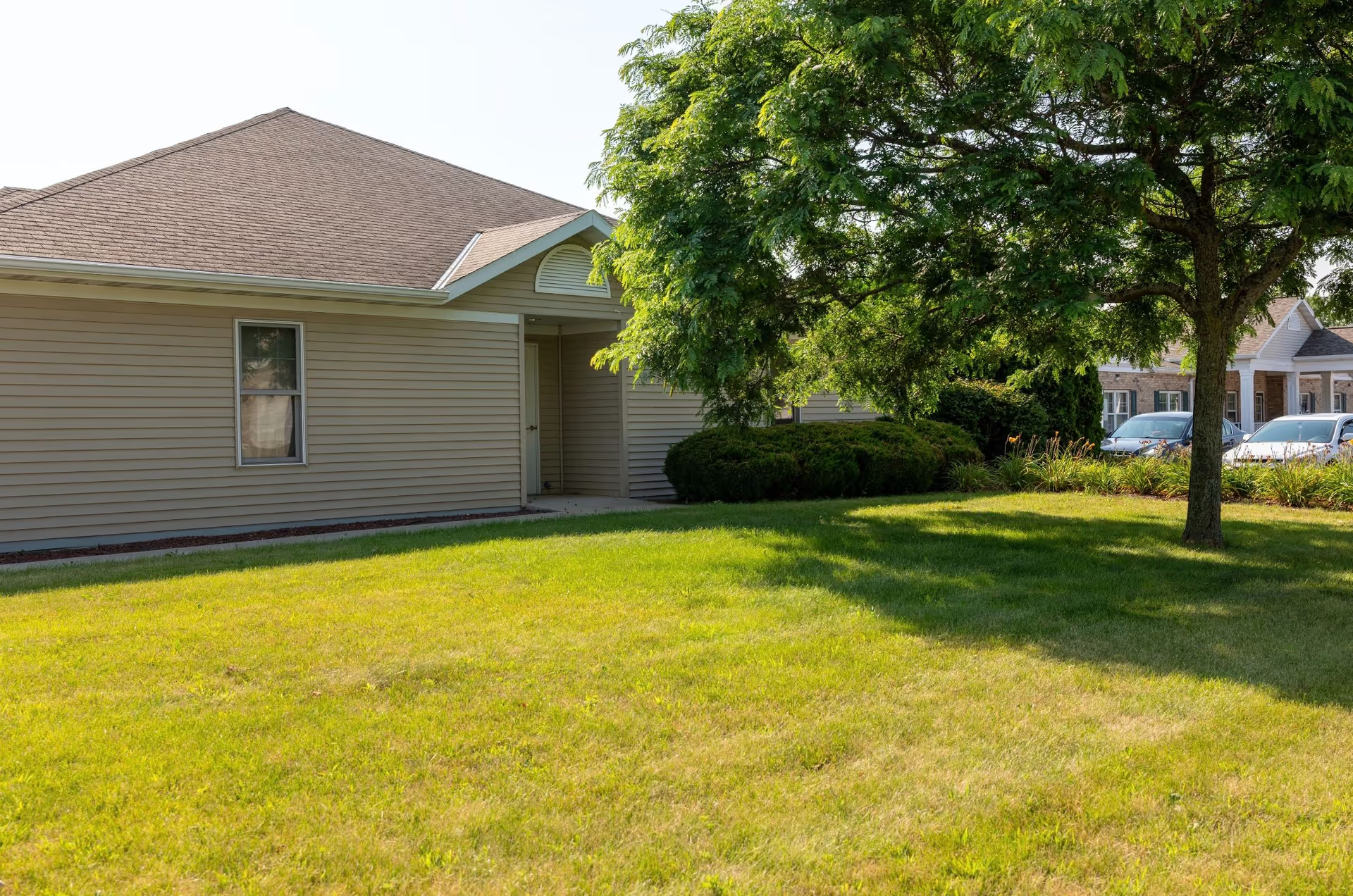
Dining and supplies show mixed performance. Menu postings and occasional positive meal experiences were reported, but other reviewers described repetitive or underprepared meals and linked that to limited dietary budgets. Separate operational concerns include supply shortages (medical and ancillary) that reviewers said affected routine care delivery. Facility condition and maintenance are additional areas of concern: reviewers noted an older kitchen and equipment, an aging HVAC system, cracked exterior masonry, and doorways or circulation routes that do not meet accessibility expectations in parts of the building.
Activities and environment are relative strengths. In addition to formal therapy, the facility’s activity staff and programming receive positive mentions, and outdoor spaces and communal features are appreciated by residents and families. Workplace feedback is similarly mixed: some employees and former staff describe a supportive environment with growth opportunities and high job satisfaction, while other accounts describe managerial shortcomings and inconsistent supervisory accountability.
Taken together, the pattern is one of uneven performance: strong rehabilitation services and engaging activities alongside operational and management weaknesses that affect day-to-day care reliability. Prospective residents and families should verify current staffing ratios, ask about call-response metrics, review infection-control and pressure-injury prevention practices, inspect accessibility and maintenance of the physical plant, and request details on dining budgets and clinical oversight for complex needs (for example, ventilator or tracheostomy care). A targeted tour and specific questions about recent corrective actions will help clarify whether improvements cited by some families have been sustained facility-wide.