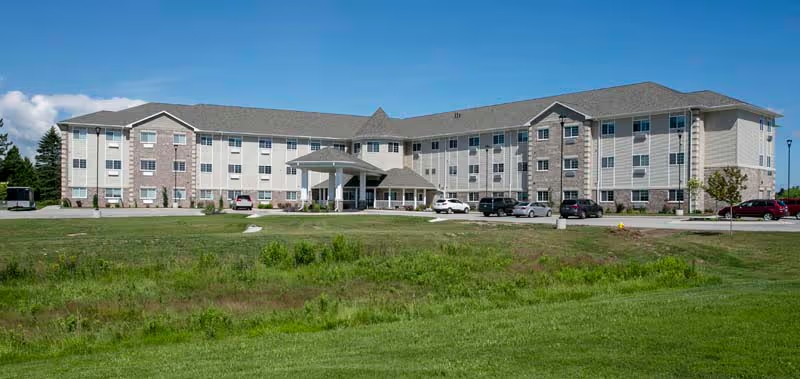
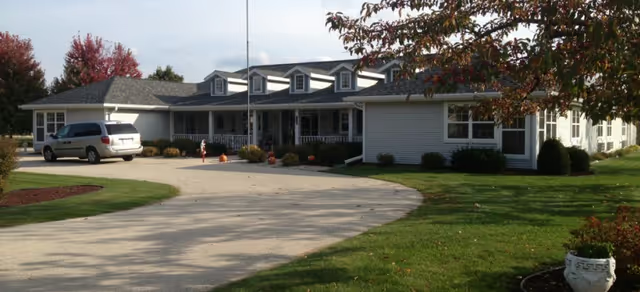
The reviews for River’s Bend Health Services describe a facility with clear strengths in hands-on caregiving, therapy services, and resident engagement, alongside recurring operational weaknesses. Many family members and residents conveyed appreciation for staff who are compassionate, attentive, and familial in their approach; nursing leadership and therapy teams are frequently cited as knowledgeable and effective, producing measurable mobility and rehabilitation improvements for residents. Several reviewers also praised organized discharge planning, accommodating dietary adjustments, thorough housekeeping and laundry, and a robust activities program that includes games, church services, and social hours.
At the same time, a consistent pattern of operational concerns emerges. Staffing levels and scheduling consistency are highlighted as persistent issues that contribute to delayed responses to call lights, slower assistance with toileting and transfers, and uneven availability of therapy and activities. Reviewers noted gaps in medication-administration controls and documentation, and a few accounts described coordination problems with external pharmacies and physicians. These clinical and coordination weaknesses were frequently tied to broader communication breakdowns across shifts and between the facility and families.
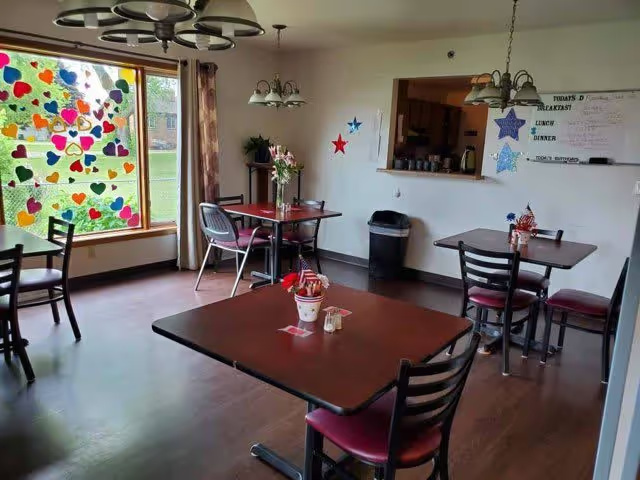
Dining and environmental maintenance appear variable. Some families reported accommodating meal planning and responsive dietary service, while others described frequent meal delays, cold or bland food, and missed service. Cleanliness assessments are similarly mixed: many reviewers describe a clean, comfortable interior and effective housekeeping, whereas others raised sanitation concerns, cluttered hallways, and odor issues near entrances. Infection-control practices also drew attention, with at least one outbreak in a rehab area noted alongside commendations for compassionate care during COVID-restricted periods.
Safety and leadership oversight are additional areas of concern. Several accounts point to fall-prevention and transfer-safety gaps, including inconsistent use of assistive devices and insufficient monitoring after incidents. Reviewers also described times when management presence and incident oversight were perceived as inadequate, which exacerbated worries about response times and care coordination. Staff conduct and tone were generally described in two contrasting ways across reviews: many families praised respectful, resident-centered interactions, while others reported brusque or unhelpful conduct from some employees.
In summary, River’s Bend presents a mixed picture: it offers strong therapeutic services, engaged activities, and numerous examples of compassionate caregiving and good discharge practices; however, persistent issues with staffing consistency, medication and clinical coordination, communication across shifts, and variable dining and environmental maintenance warrant attention. Prospective residents and families should weigh the documented strengths in therapy and family communication against the operational risks identified, and consider discussing staffing patterns, medication protocols, fall-prevention measures, and leadership oversight during a tour or intake conversation.