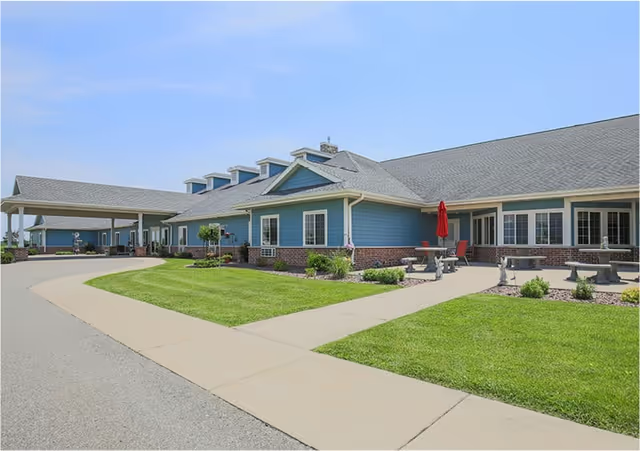
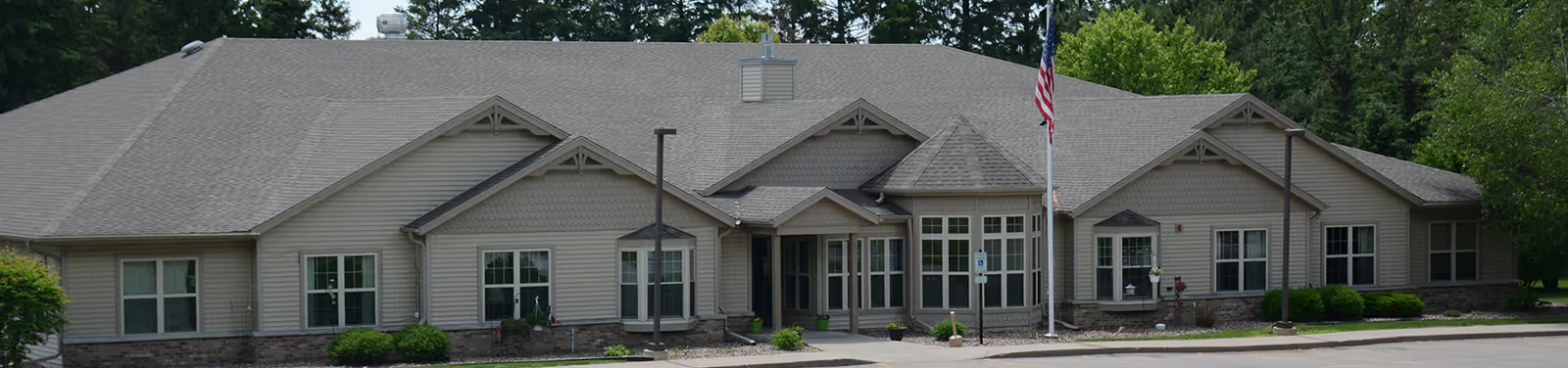
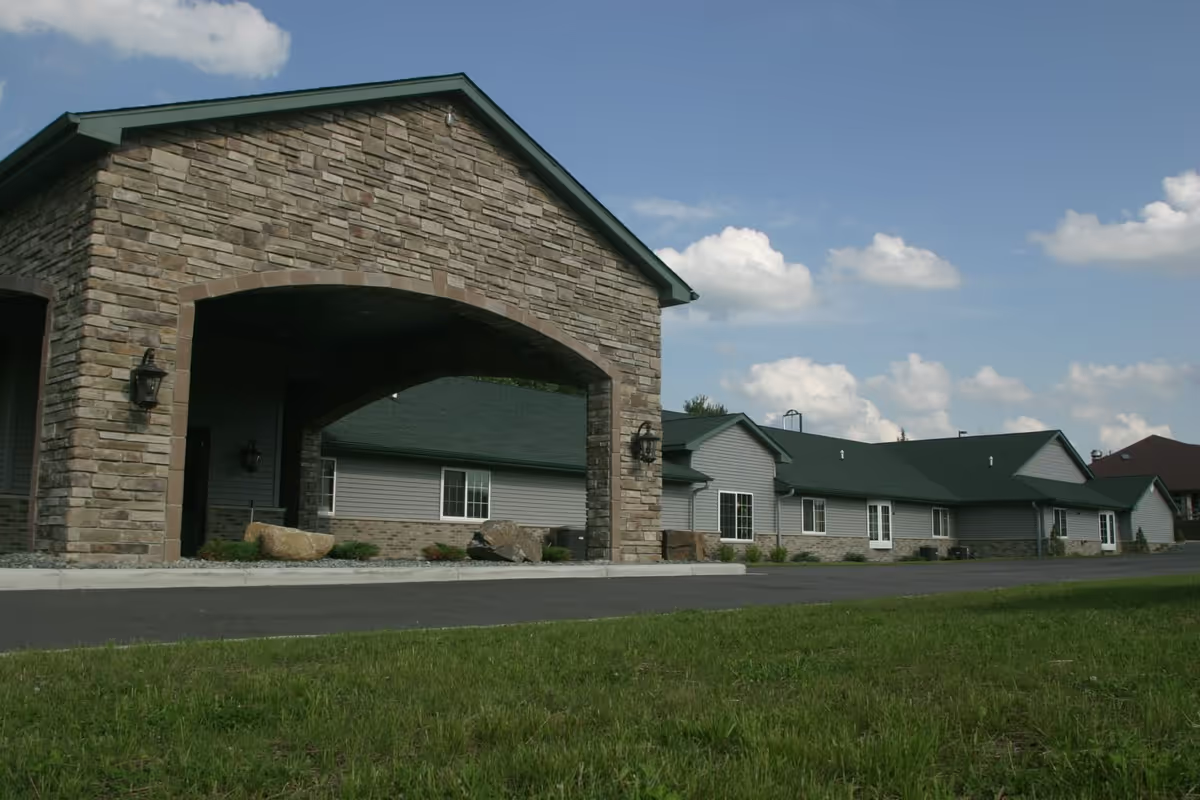
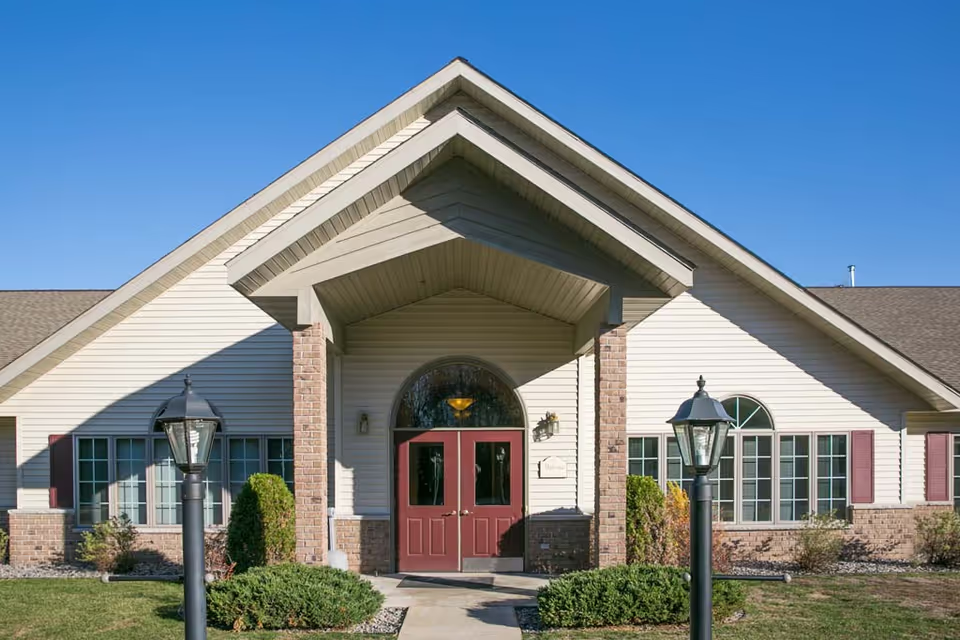
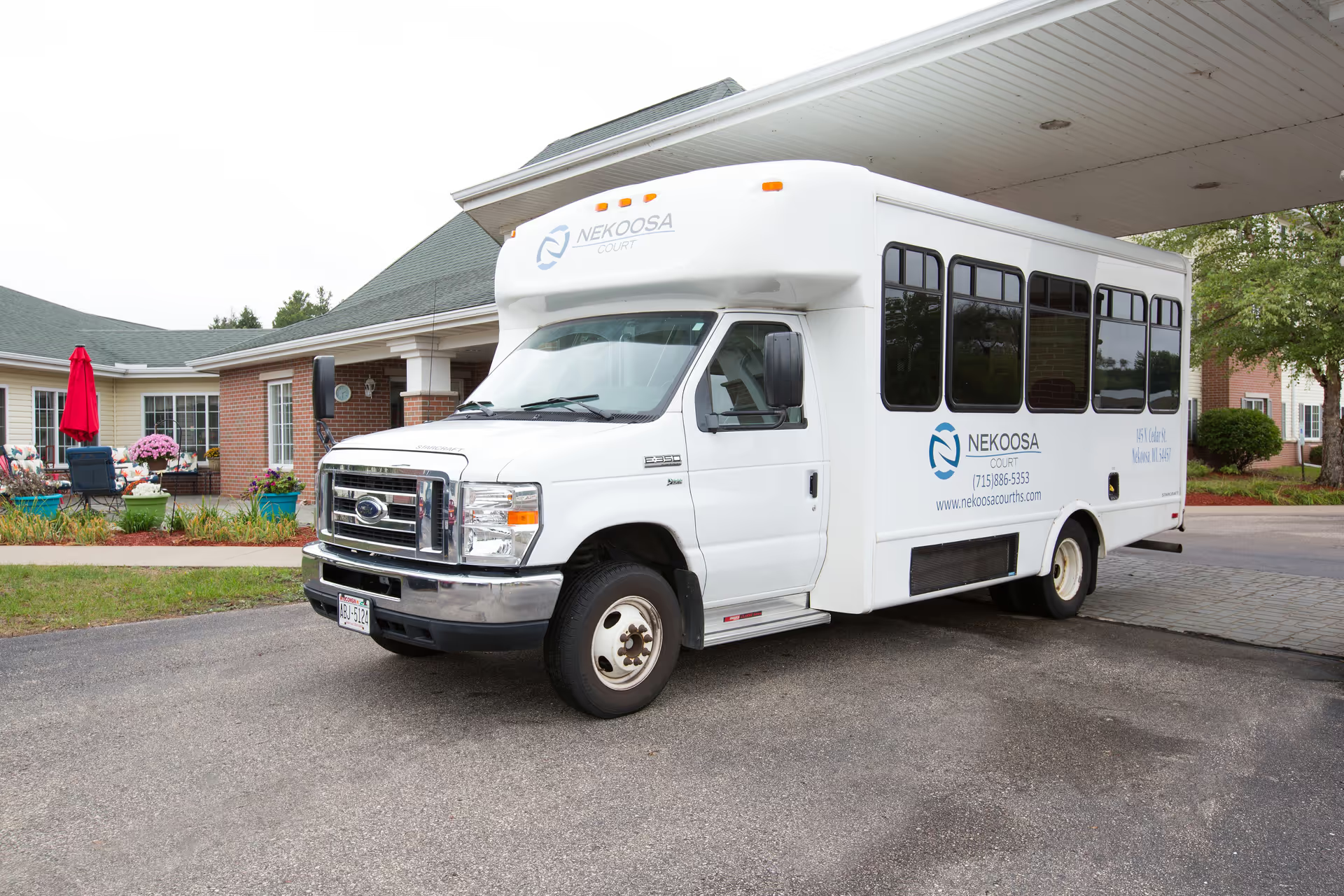
Stoney River Marshfield presents a split profile: many families and residents highlight strong facility features and an active social environment, while others cite operational inconsistencies that affect day-to-day care. The physical plant and amenities receive frequent praise — reviewers note large, bright private rooms with kitchenettes and oversized bathrooms, accessible walk-in showers, attractive common spaces, an on-site salon and barber, theater-style spaces, and a variety of gathering areas. The community hosts a broad activity program (daily calendars, weekly music, exercise, outings and volunteer-led events) and provides transportation options for errands. Several accounts describe a welcoming, family-like atmosphere and staff who engage residents in activities and social dining.
Care quality and staffing show greater variability in the reviews. Many commenters describe attentive, caring staff and experienced clinical personnel who facilitate transitions and support residents; at the same time, there are repeated observations of staffing shortages, high turnover, and uneven training among newer hires. Those operational issues are linked to lapses such as inconsistent personal-care completion, missed checks, and delays in incontinence-related care. Medication-management concerns were raised by multiple reviewers as an area needing improvement. A few families specifically noted limited expertise around end-of-life needs and indicated that higher-acuity or specialized care expectations were not always met.
Dining and activity programs are generally seen as strengths in terms of variety and engagement, with frequent praise for menu options, restaurant-style service, and plentiful portions. However, reviewers also describe inconsistent food quality, menu repetition, occasional order errors, and a noisy, crowded dining room — factors that can diminish the dining experience for some residents. Activities are numerous and well-attended, but turnover in activity leadership and occasional gaps in program continuity were mentioned.
Management and communication receive mixed comments. Positive reports describe helpful admissions staff, on-time clinic transport, and good family interaction. Conversely, others experienced slow or insufficient follow-up from leadership, limited presence of administration during concerns, and interpersonal communication issues. Cleanliness is cited both as a strength (clean, repainted public areas) and as a concern (specific sanitation and maintenance shortcomings in some units and carpets or furniture showing wear). Several families also expressed that the facility’s larger scale and pace may be less suitable for residents seeking a smaller, more intimate setting. Finally, price-value perceptions vary: the facility’s physical amenities and activity offerings justify its cost for many, while others feel the monthly price does not consistently reflect the level of day-to-day care received.
Overall, prospective residents and families should weigh the facility’s strong amenities, active social programming, and many reports of compassionate staff against documented operational challenges — particularly staffing consistency, personal-care follow-through, medication practices, and communication from management. For those needing reliable higher-acuity or specialized end-of-life support, it would be advisable to verify clinical protocols, staffing ratios, and care plans in writing and to arrange follow-up conversations with leadership prior to move-in.