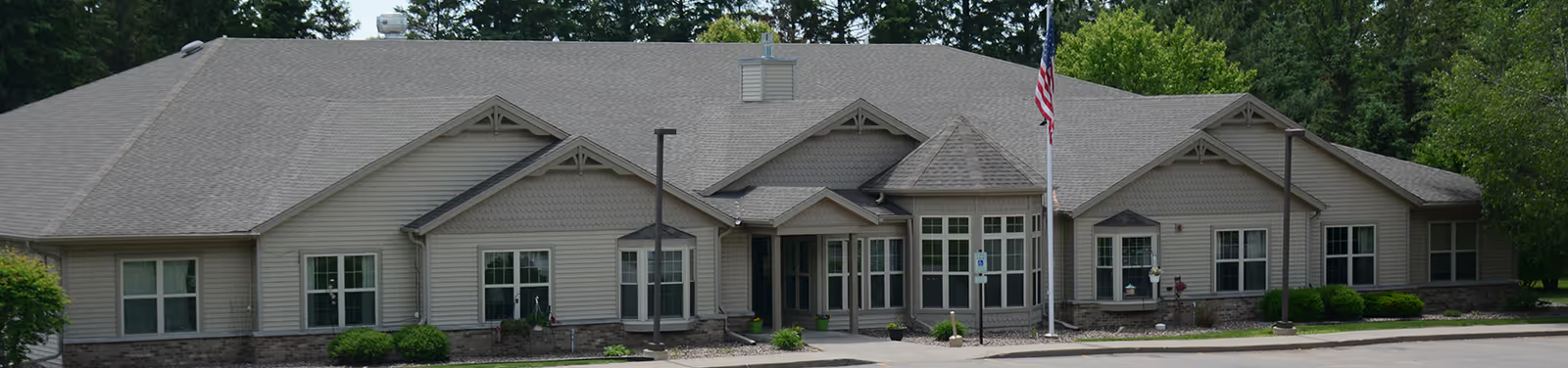
The reviews present a highly mixed picture of VitaCare Living of Medford, with two distinct threads: several strong positive accounts of attentive, compassionate caregiving and good end-of-life support, and a set of strongly negative impressions focused on staffing, engagement, and management priorities. One review awarded an overall rating of 4/5 and praised staff and activities, while others conveyed a sustained lack of resident interaction and responsiveness. Prospective residents and families will find both examples of capable, supportive care and serious operational concerns in these accounts.
Care quality and clinical oversight: Positive comments emphasize compassionate support during residents’ final days and attentive day-to-day caregiving in some cases. Counterbalancing those statements are repeated concerns about inconsistent staffing, delays in attending to resident needs, and gaps in clinical oversight and communication. There are also conduct-related complaints about staff behavior and leadership that reviewers view as significant; these constitute allegations that warrant direct inquiry by families and regulators. Overall, the pattern suggests variability in clinical performance and responsiveness across shifts or units.
Staff and management: Praise for individual staff members and descriptions of supportive interactions coexist with reports of low staff engagement, limited warmth, and an unfriendly communal atmosphere. Several comments characterize management as prioritizing financial considerations over resident experience, which reviewers link to staffing decisions and perceived deficits in supervision. Families should seek clear information on staff-to-resident ratios, leadership turnover, complaint resolution processes, and examples of how management addresses performance concerns.
Activities and social environment: Accounts differ markedly. Some reviewers describe a varied activity program and a home-like atmosphere that supports socialization, while others report minimal activities, depressed residents, and few smiles. This inconsistency indicates the activity program and social climate may depend on staffing, scheduling, or which part of the facility a resident occupies. Confirm the current activities calendar, staffing for programs, and opportunities for individualized engagement during a visit.
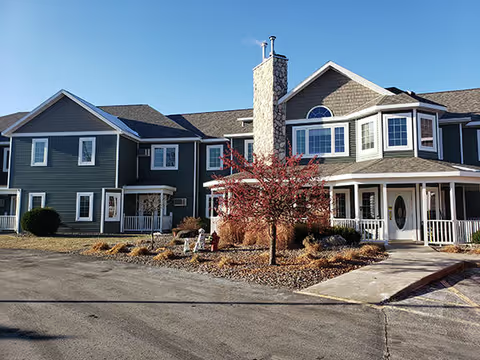
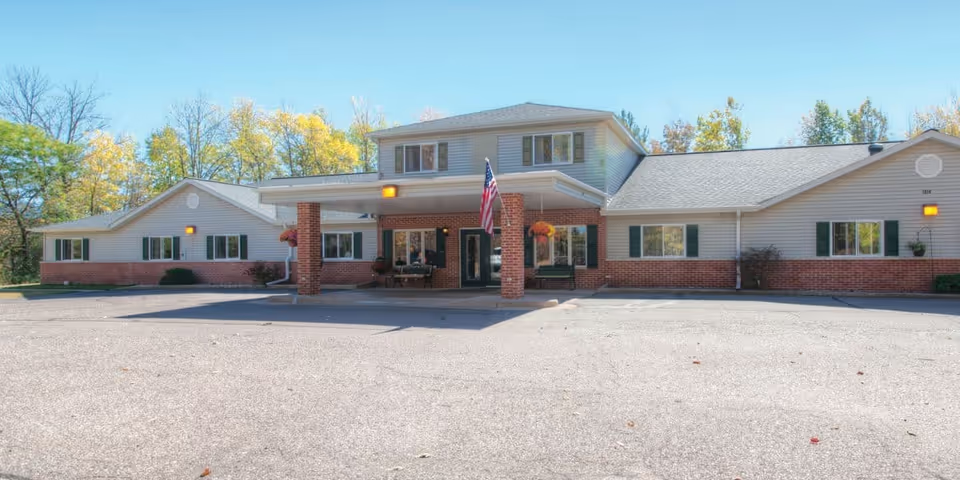
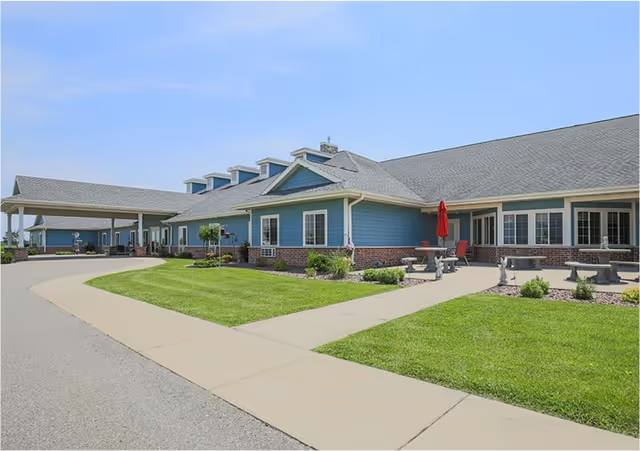
Facilities and amenities: Physical observations include small, sparsely furnished rooms and limited in-room stimulation in some units. A specific practical limitation noted was lack of Wi‑Fi, which affected the ability to play personal music and use internet-based comforts. Conversely, at least one reviewer felt the environment could be home-like when staffing and engagement were adequate. Visitors should inspect room size, furnishing, communal spaces, and connectivity options directly.
Dining and other operational details: Reviews provided little concrete information about dining quality or meal service continuity. Because meal service and nutrition are core to daily living, families should request menus, sample a meal if possible, and ask about procedures for residents with special dietary needs.
Notable patterns and guidance: The dominant pattern is variability — some residents experience attentive, compassionate care, while others encounter staffing shortages, low engagement, and management-related concerns. Given the mix, families considering this facility should arrange an in-person tour, meet direct-care staff and leadership, review staffing levels and schedules, ask about clinical oversight and complaint procedures, confirm available amenities (including Wi‑Fi), and request references from current families. Where serious conduct-related complaints are alleged, follow up with facility management and, if needed, local regulatory authorities for documentation of incident handling and corrective actions.