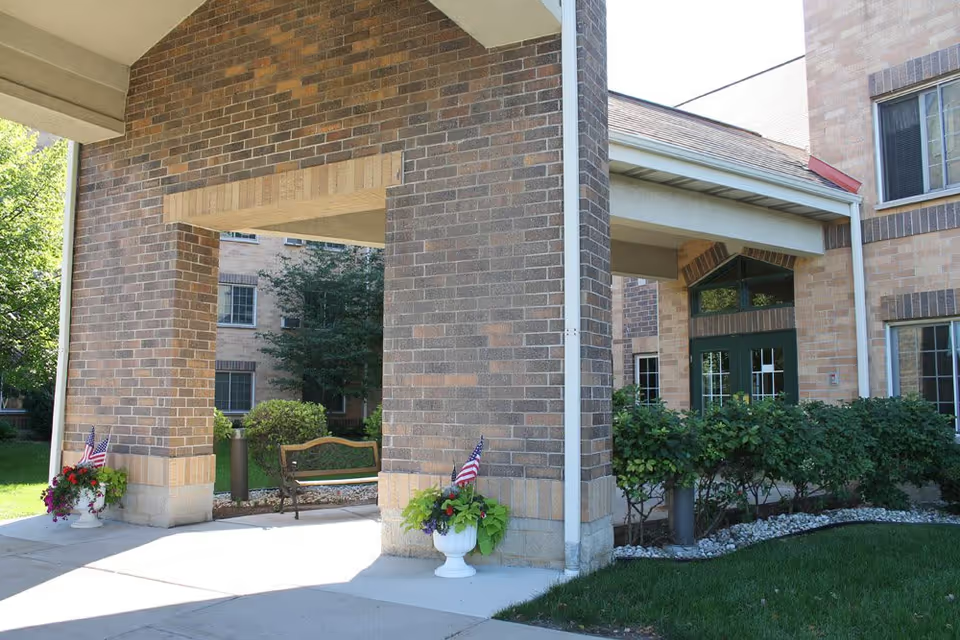
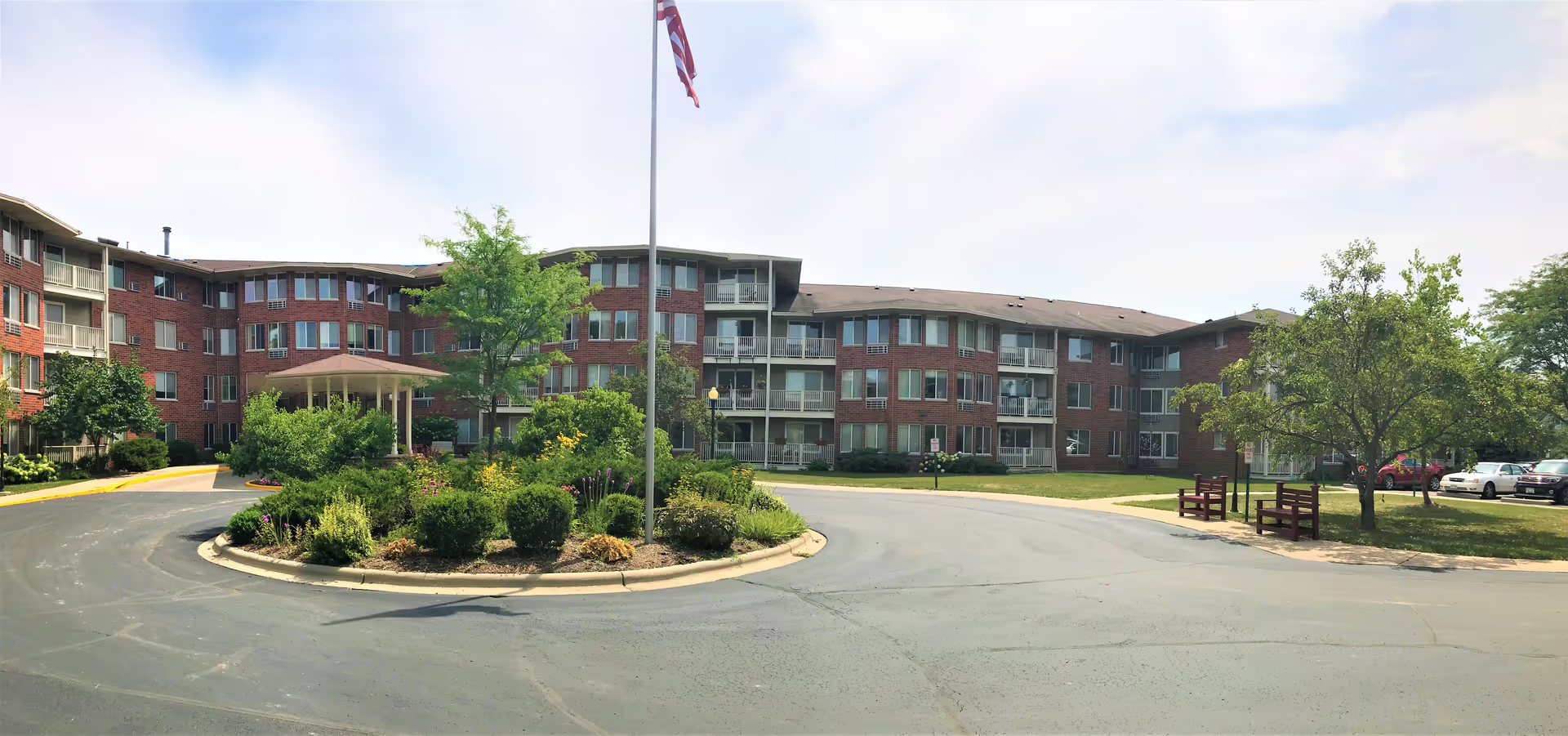
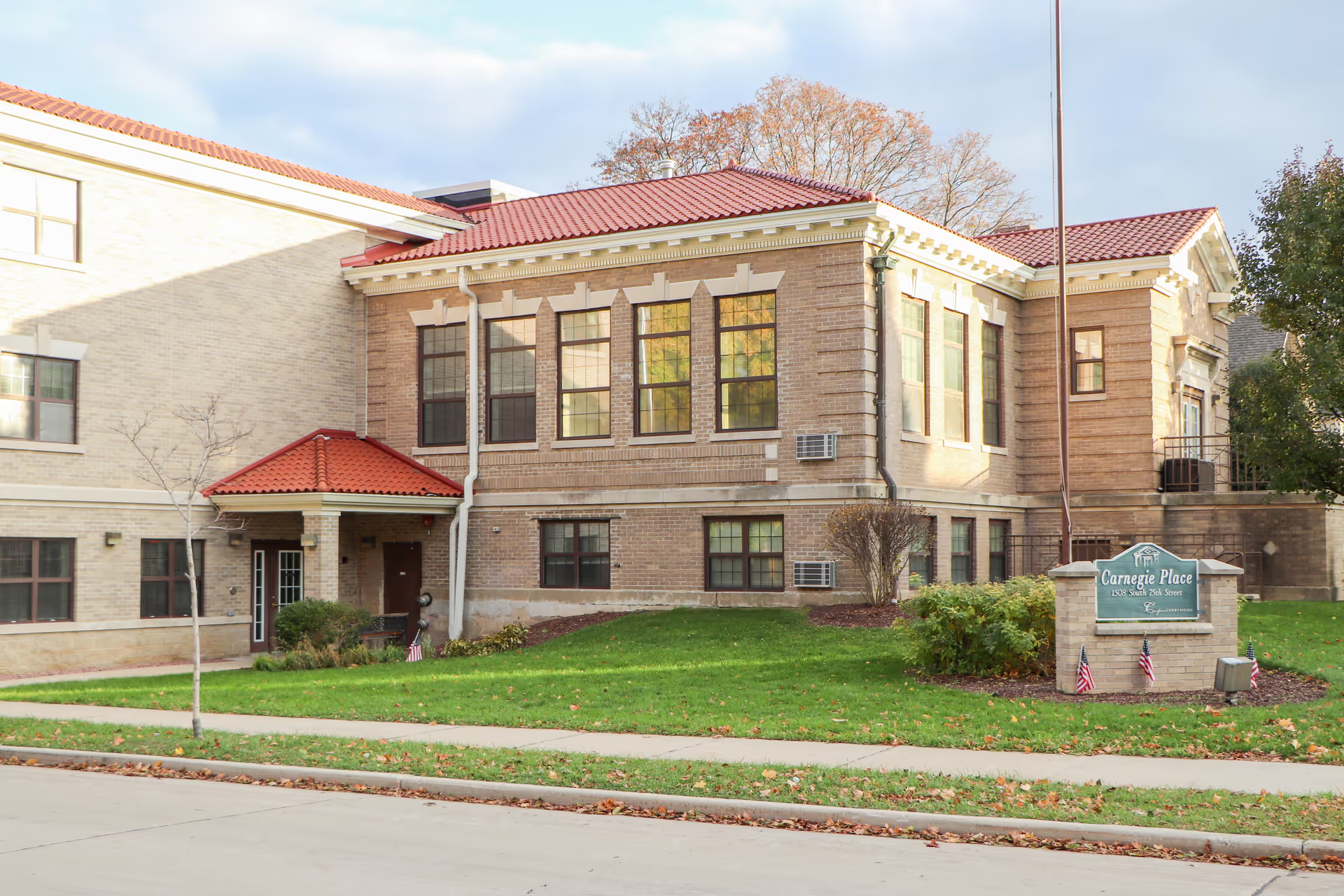
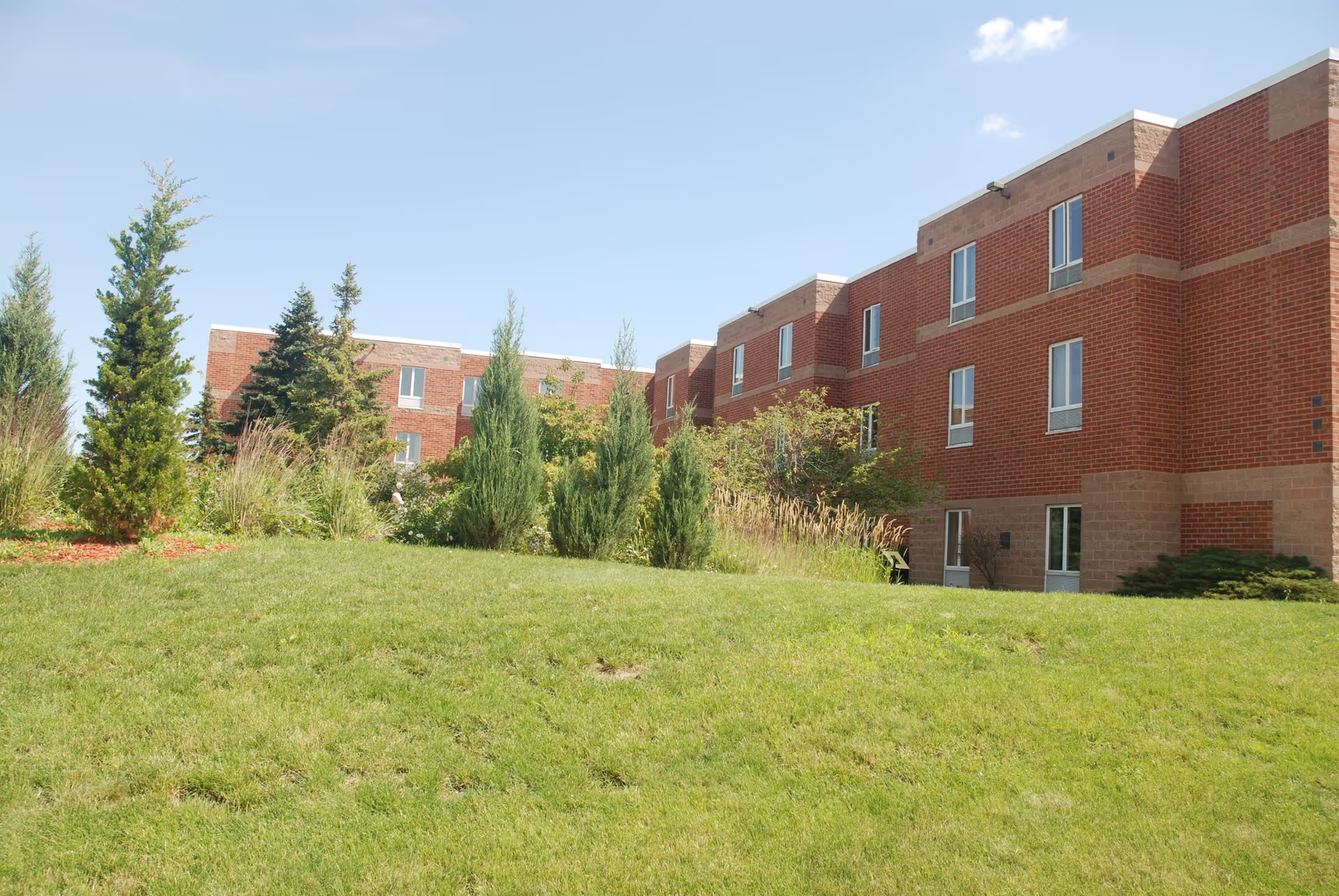
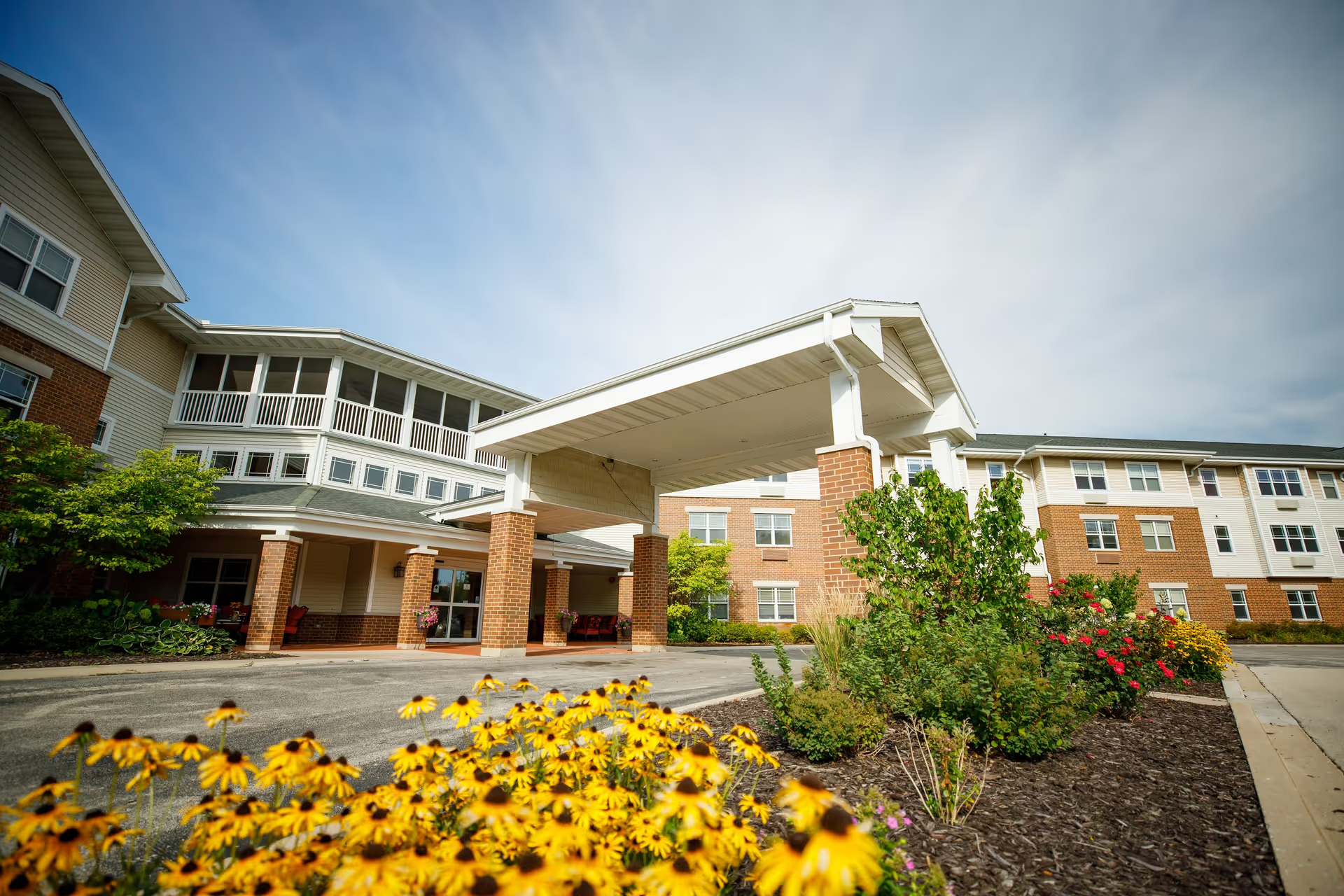
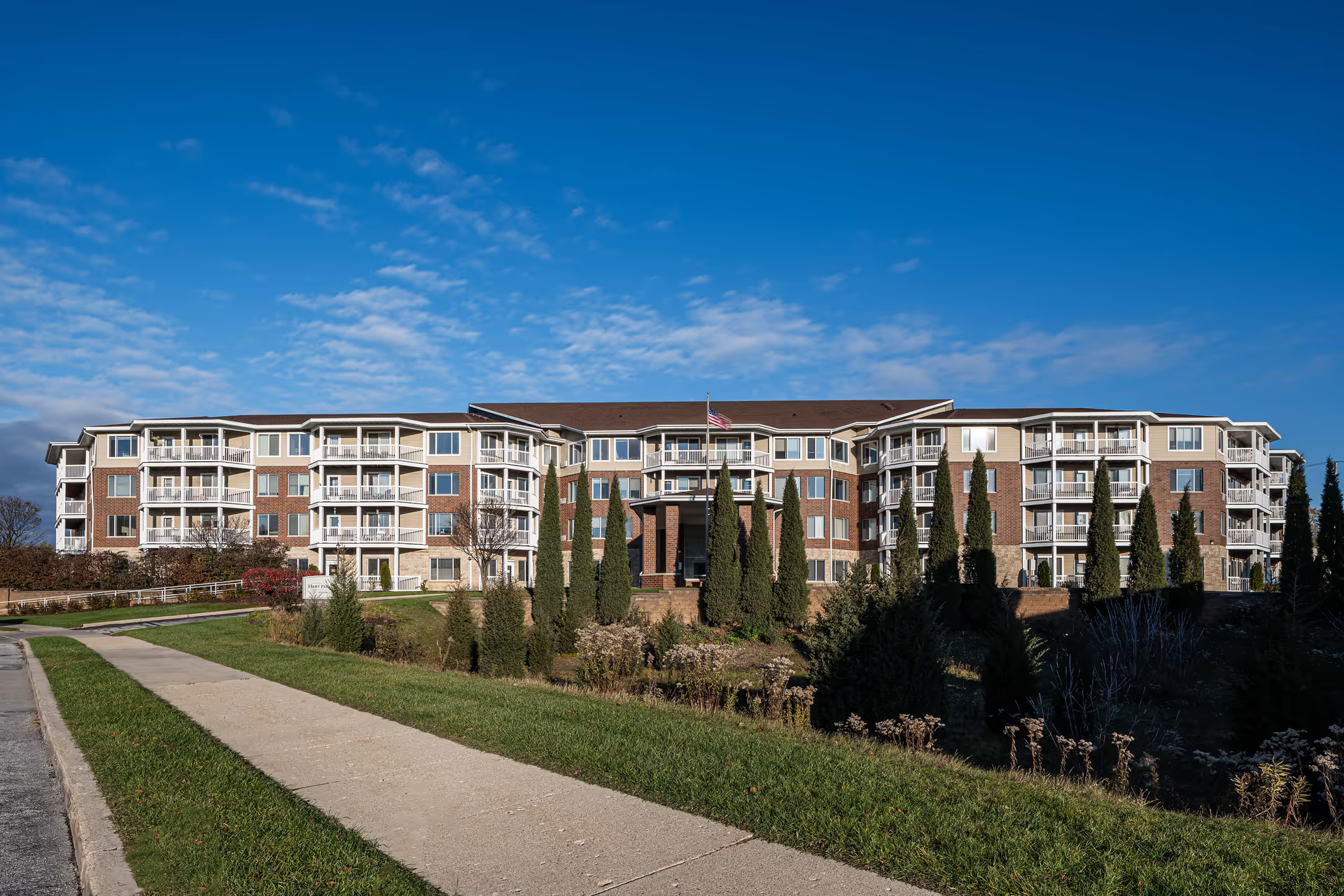
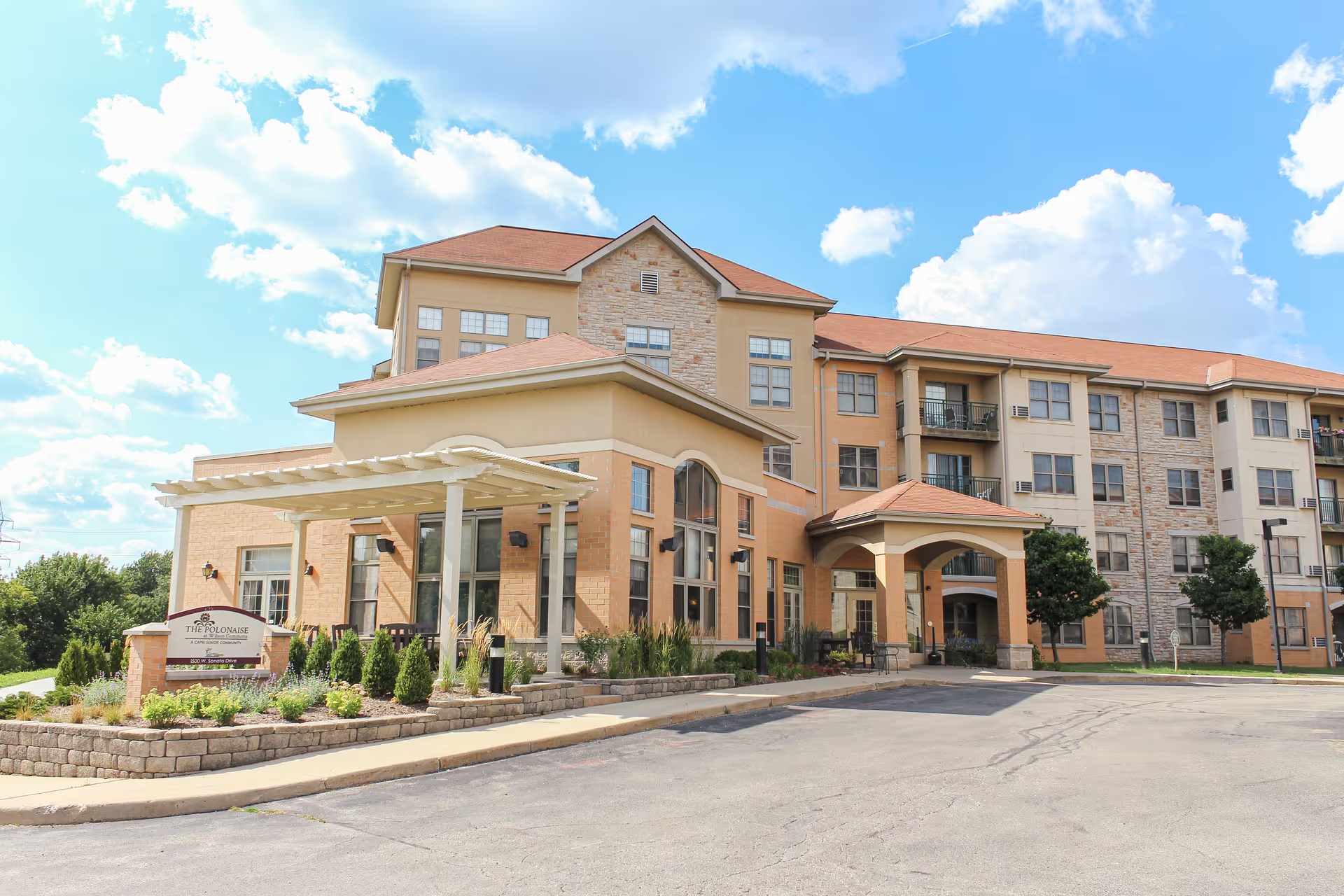
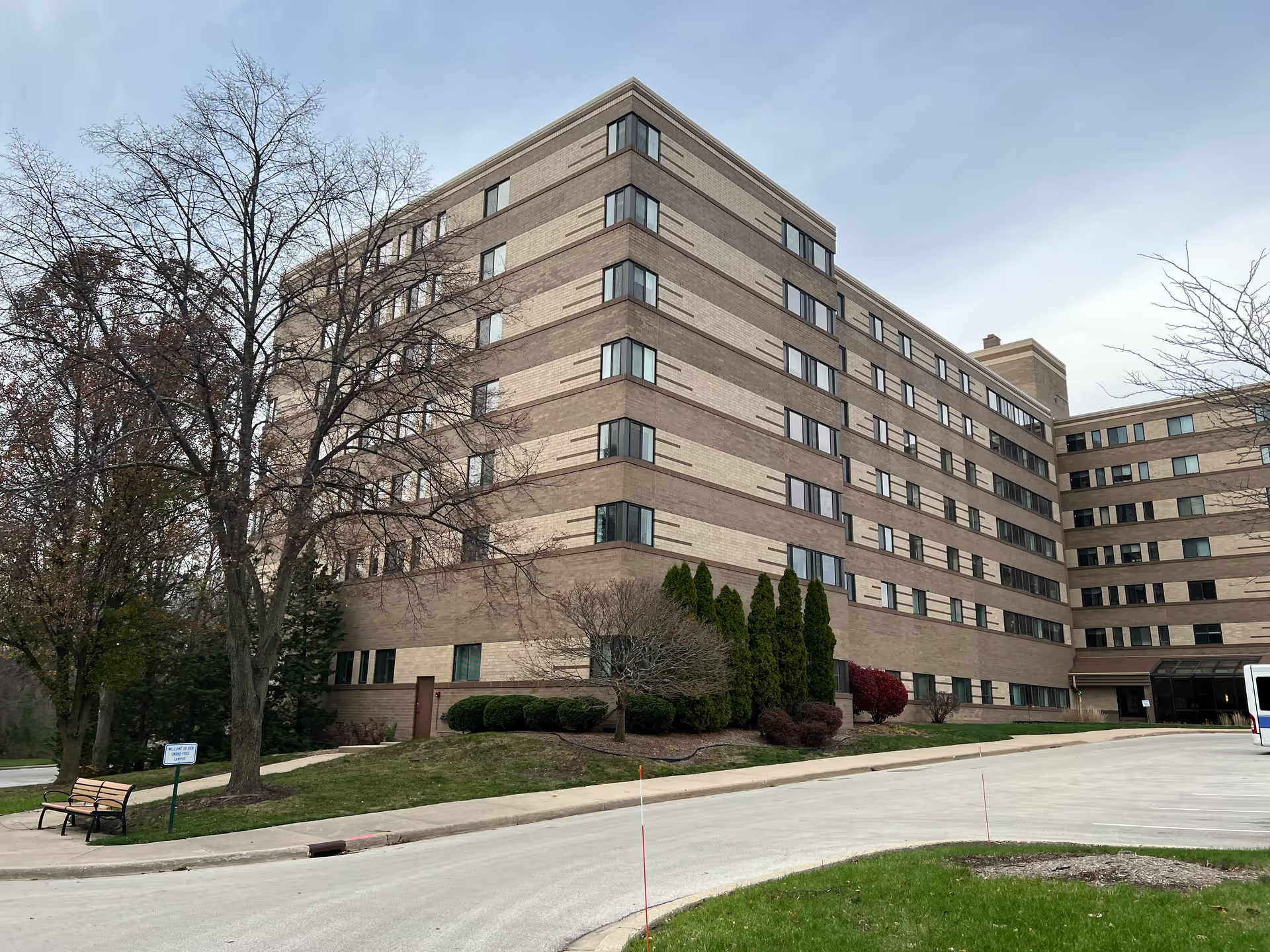
Meadowmere & Mitchell Manor West Allis presents a mixed profile: the campus, apartments and common areas are frequently described as attractive, well-maintained and hotel-like, with a variety of apartment floor plans, outdoor spaces and amenities that many families find comfortable and appealing. Prospective residents will encounter an active activity calendar, visible social programming (music, bingo, group outings, exercise classes), and multiple community spaces such as a chapel, library and movie room. The facility is also connected to a nursing home, which some reviewers view as a strength for continuity of care.
Staffing and direct care receive dual impressions. Numerous comments praise welcoming admissions personnel and many frontline caregivers as friendly, helpful and attentive; several reviewers specifically cited professional tours and staff who create a warm, non-institutional atmosphere. At the same time, recurring operational concerns center on staffing levels and consistency — gaps in coverage, uneven responsiveness to call systems, and variability in staff training and conduct are described. These operational weaknesses manifest as delays in responding to resident calls and emergency devices, and as inconsistent follow-through on family concerns.
Dining and clinical coordination show variability. The dining areas and menus are often described positively for presentation and options, and some reviewers praised food quality and meal service. Conversely, other accounts describe inconsistent meal execution, limited accommodation of special-diet needs (for example, diabetic or other dietary restrictions), and variability in food quality. Clinical-care coordination and transfer processes also drew concern: reviewers described delays or difficulties managing hospital transfers and care transitions, suggesting gaps in clinical oversight and communication protocols.
Activities and lifestyle programming are a relative strength. The activities program is broad, with scheduled social events, off-site excursions and transportation available. An engaged activities director and a range of small-group options contribute to resident engagement. Memory-care capacity and quality, however, were described as limited or uneven compared with the assisted-living portions of the campus; families seeking specialized dementia services should evaluate that level of care specifically.
Facility layout, management changes and sanitation issues are notable patterns. The campus is described as a patchwork of buildings with a complex, maze-like layout that can impede navigation and supervision. Several reviewers associated a decline in service quality with a recent ownership transition, noting changes in staffing and responsiveness. In addition, there are repeated mentions of sanitation variability and pest-control concerns that prospective residents and families should clarify during a visit.
Overall, the facility offers many tangible strengths in environment, activities and amenities, and it may suit residents who prioritize an active social program and attractive common spaces. However, consistent delivery of clinical and responsive care appears uneven across accounts. Families should prioritize direct assessment of emergency-response times, special-diet accommodations, memory-care offerings, and current staffing practices during tours and seek documentation of incident-response protocols and staffing ratios before making decisions. For serious unresolved issues described by some families, including concerns following adverse events, further inquiry with management and regulatory sources is advisable.