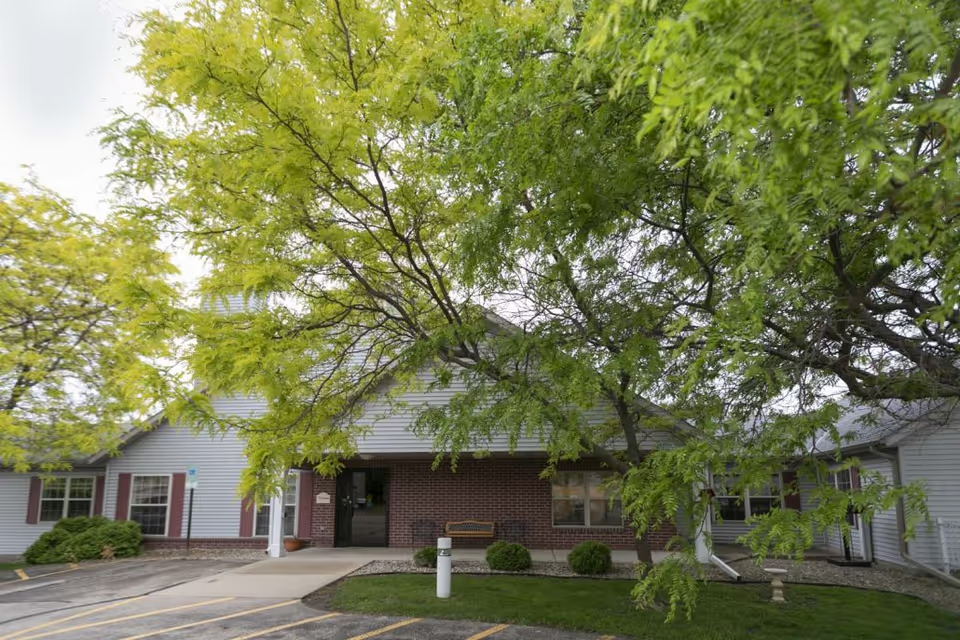
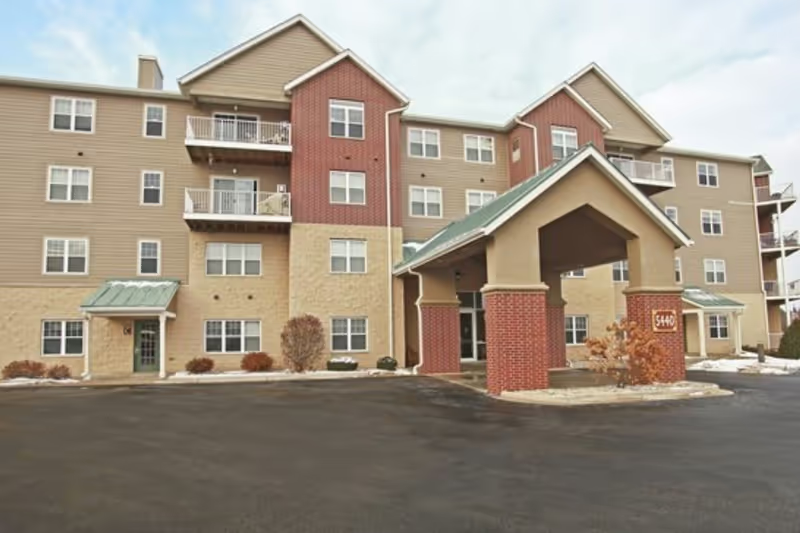
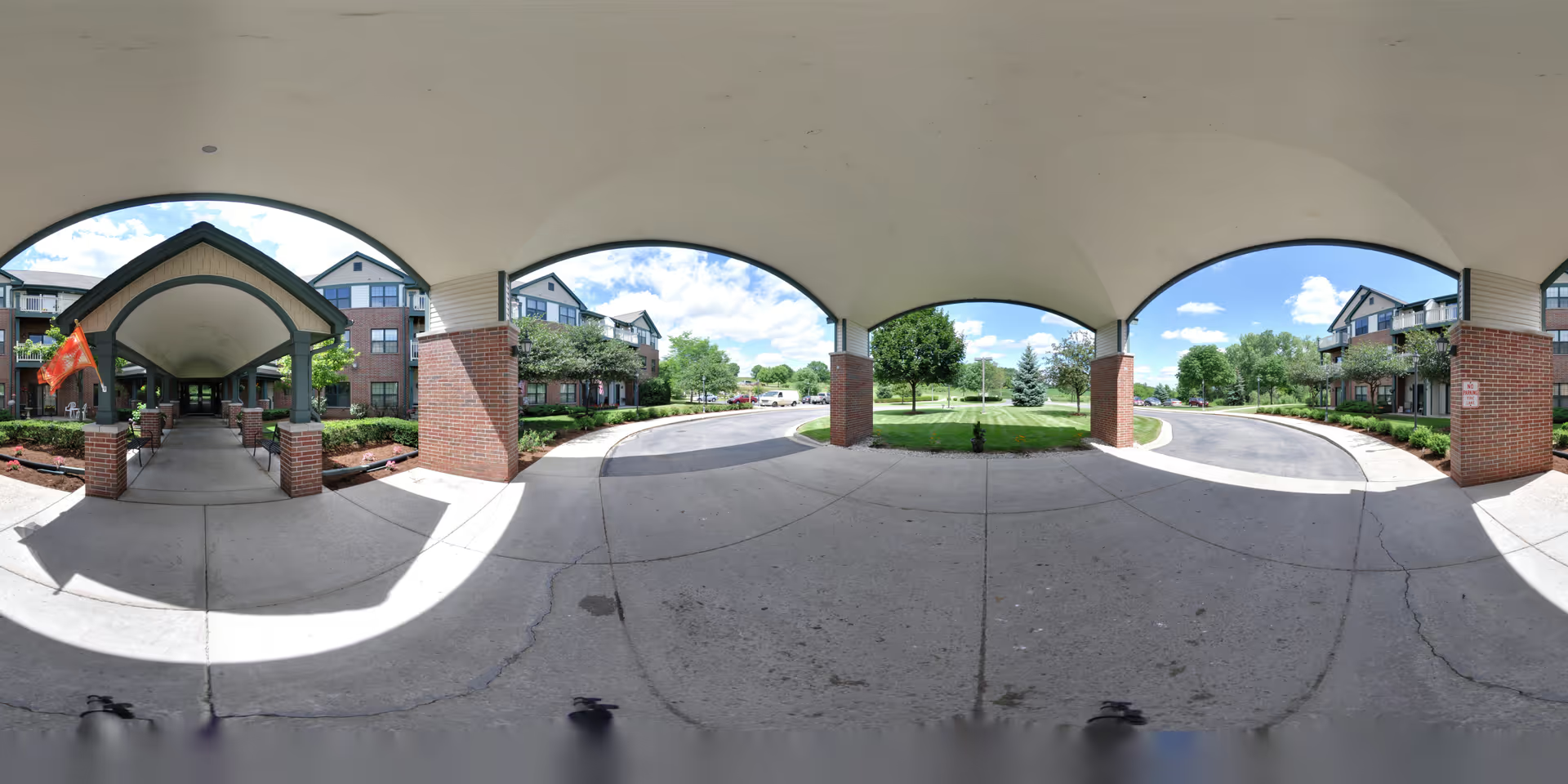
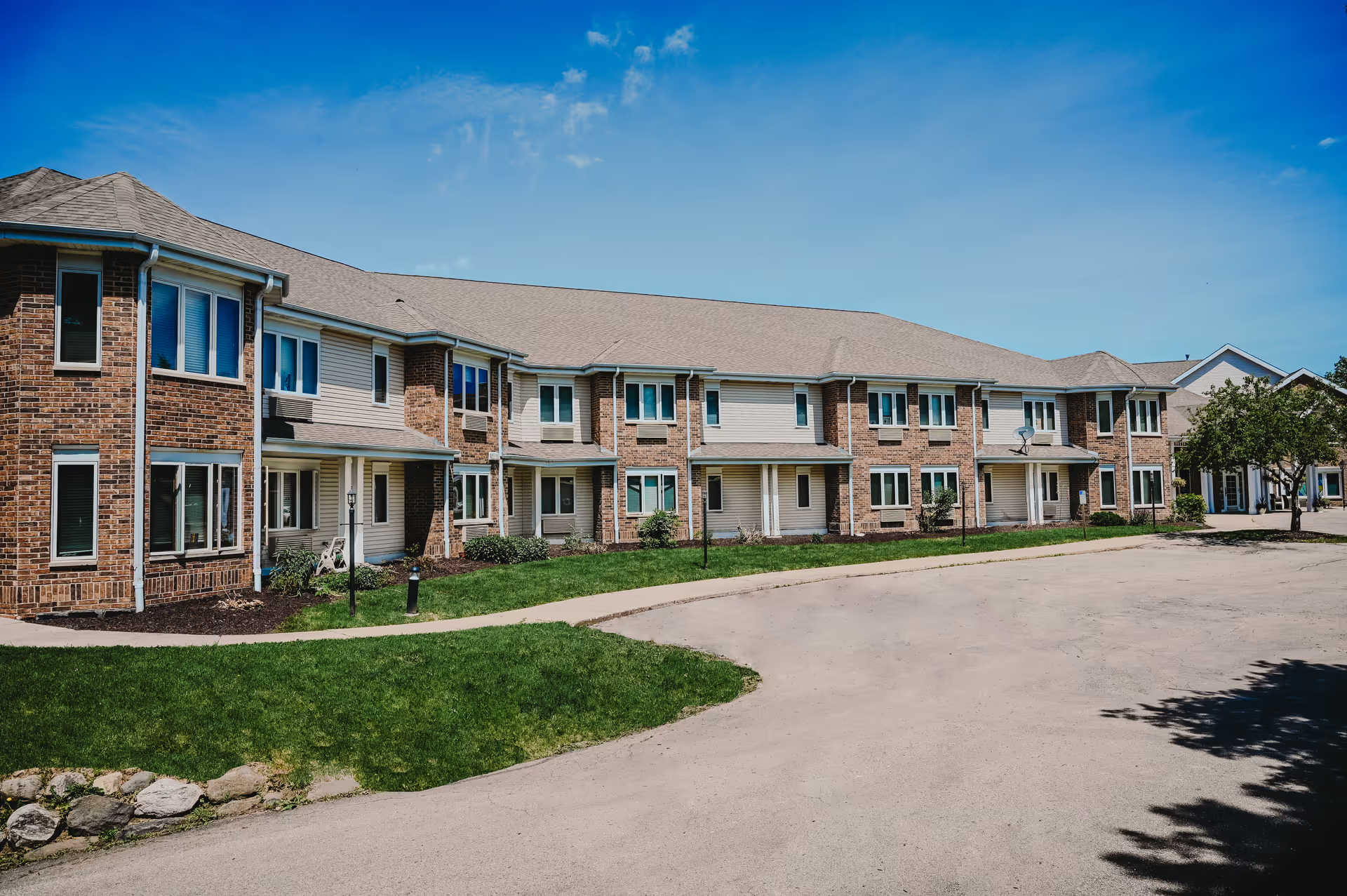
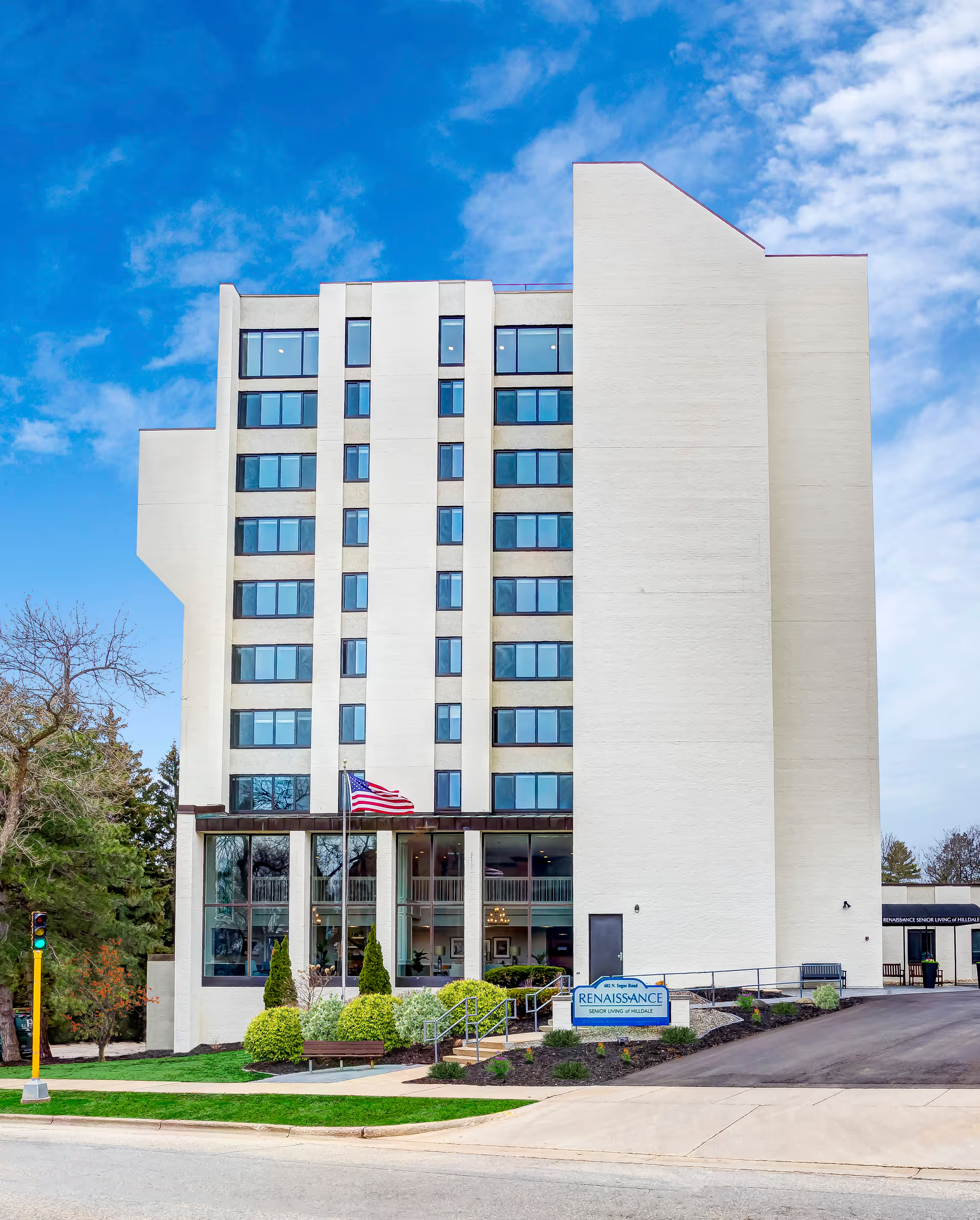
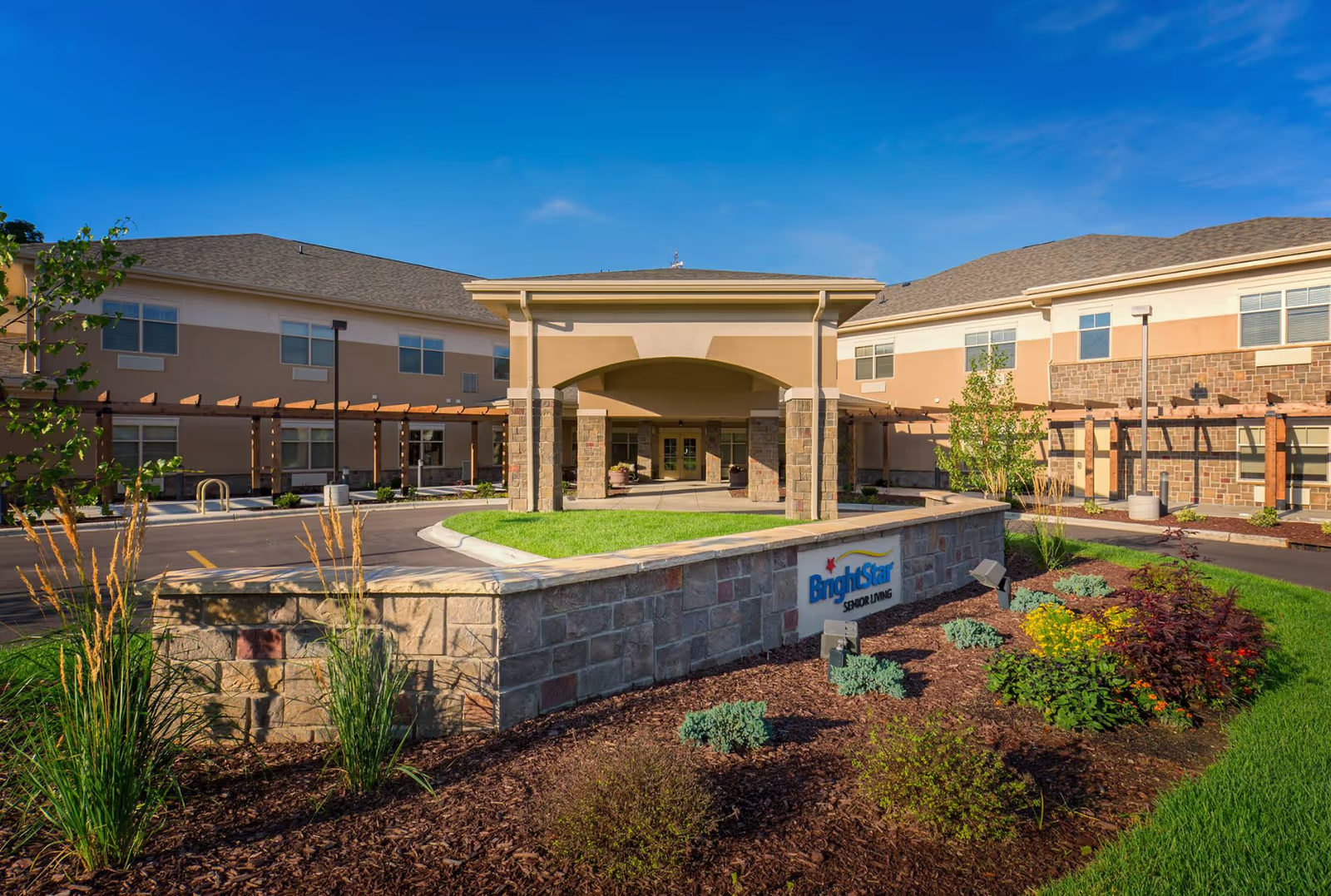
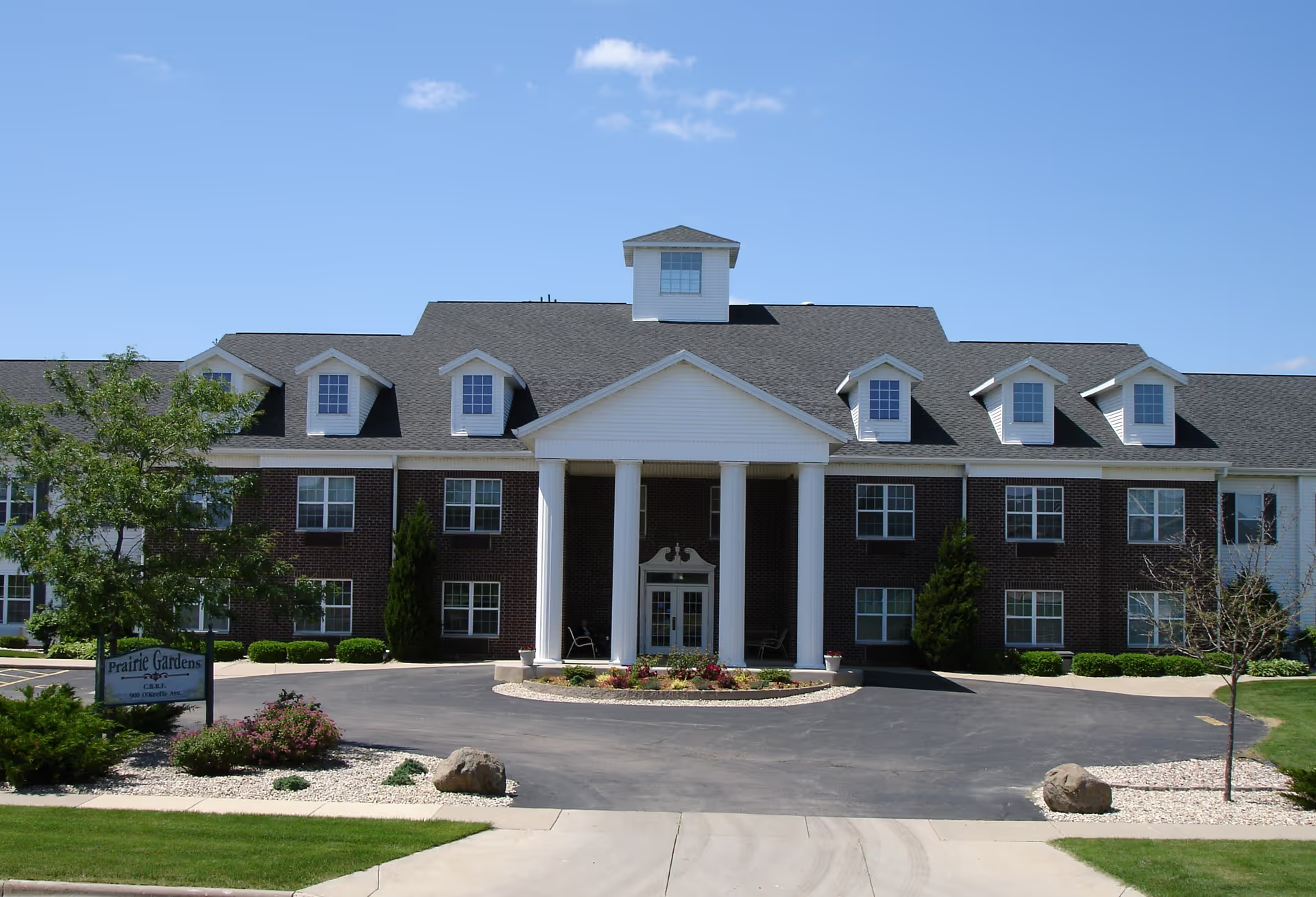
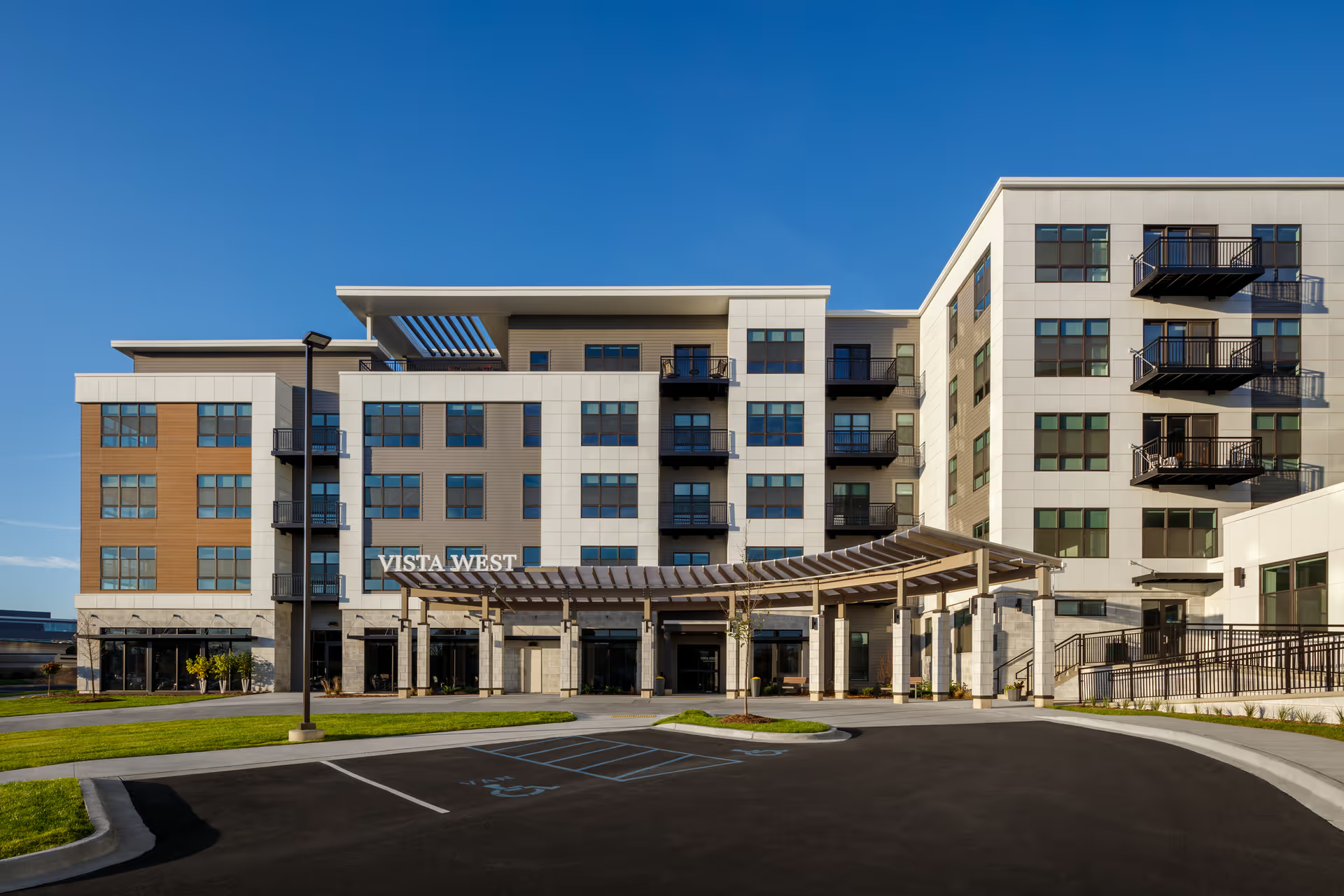
Heritage Senior Campus presents as a modern, amenity-rich community with a substantial set of strengths and recurring operational challenges. Many reviews highlight a hotel-like, well-maintained physical environment, private apartment options (including kitchens and in-unit laundry), a secure memory-care neighborhood with a central courtyard, and a range of on-site amenities such as a salon, spa, library, and restaurant-style dining. The campus also offers rehabilitation services and visiting clinical specialists, and safety features such as pressure alarms and a policy of routine room checks are part of the facility’s practice.
Care quality and staffing produce mixed impressions. Numerous families commend individual caregivers, CNAs with dementia-specific training, and activity staff who provide engaging programming. Staffing ratios cited (around 1:6–8) and policies such as two-hour checks and alarm systems are positive structural elements. At the same time, a pattern of high staff turnover, inconsistent shift coverage (especially nights and weekends), and periodic caregiver overload is commonly described. These operational issues have been linked to delayed responses to requests, gaps in routine personal-care tasks, and inconsistent adherence to care-plan details.
Clinical oversight and medication practices are another area of mixed performance. The community appears to rely on on-call RNs and outside physician/clinic relationships rather than continuous on-site medical staff in all units; this arrangement supports some clinical needs but limits on-site medical interventions. Reviews indicate concerns about medication administration consistency and documentation, and observers recommend confirming the current clinical staffing model and escalation procedures during a visit.
Dining and activities are frequently noted as strengths but with variability. Many reviewers praise the menu variety, restaurant-style service, sensory dining approaches in memory care, and special events such as barbecues and monthly dinners. Conversely, other families describe inconsistent meal temperature, portioning, and service practices, as well as occasional reliance on disposable serviceware. The activities program is characterized by a broad calendar and creative staff, yet its consistency and frequency can fluctuate with staffing levels and occupancy; the activities director and certain staff members receive consistent positive mention.
Operational and management themes recur across reviews. Leadership turnover and communication gaps between families and administration are commonly cited, which can affect follow-through on promised services, billing transparency, and responsiveness to complaints. Fee complexity is another theme — base rent plus tiered care fees and occasional extra charges — and several reviewers suggest confirming contractual terms, refund policies, and fee-increase practices in writing. Additional operational pain points include front-desk/phone accessibility issues, occasional maintenance or housekeeping follow-through problems, and limited outdoor walking paths or resident-accessible grounds beyond the secured courtyard.
Overall, Heritage Senior Campus may be a strong fit for families prioritizing a modern facility, secure memory-care environment, and a robust activity and amenities program — provided they verify current staffing levels, clinical coverage, and contractual terms. Prospective residents and families should arrange a detailed tour, meet nursing and management staff, review the care-plan and medication protocols, and ask for documentation of staffing patterns (including night/weekend coverage), infection-control and sanitation policies, and any extra fees. Those considering the community for higher-acuity needs should particularly confirm on-site clinical availability and the facility’s processes for care escalation and continuity.