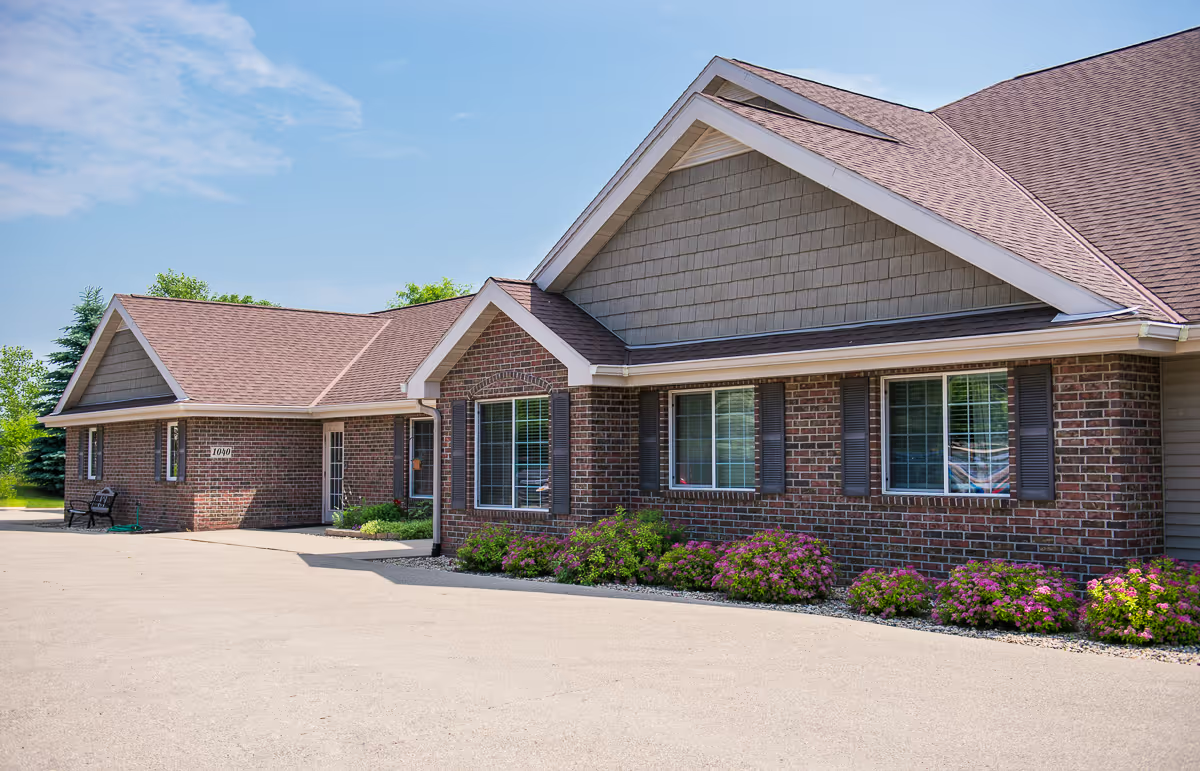
Prairie Gardens presents as a small, locally owned assisted living community with a consistently praised caregiving team and a home-like atmosphere. Families and visitors commonly described staff as compassionate, attentive, and long-tenured; reviewers highlighted quick response times, 24-hour assistance features (life-line and pull-cord systems), and visible fall-prevention awareness. The smaller size and husband-and-wife ownership contribute to a personalized, family-like environment where residents tend to be welcoming and social.
Care quality appears to be a core strength for residents whose needs align with the community’s scope. Nursing and caregiving staff receive repeated commendations for responsiveness and empathy, and staff continuity is cited as supportive for transitions. At the same time, the facility’s clinical scope is limited: there is no dedicated memory/dementia unit and policies require transfers when residents develop certain higher-level needs (for example, inability to eat independently, wandering, or combative behavior). Reviewers also raised operational concerns about medication handling that makes medications visible in common spaces and about occasional variability in management engagement and family communication.
Dining and activities are notable aspects of daily life. The community offers a restaurant-style dining room, a full-time cook, and home-style meals that many residents enjoy; there are daily meal options and regular meal service. Some families described the meal program as structured or rigid, with assigned seating and a set schedule that may not suit everyone’s preferences. Programming is active for a small community: dedicated activity staff run bingo, card games, seasonal crafts, movies, and social events, and an on-site beauty shop provides regular grooming services.
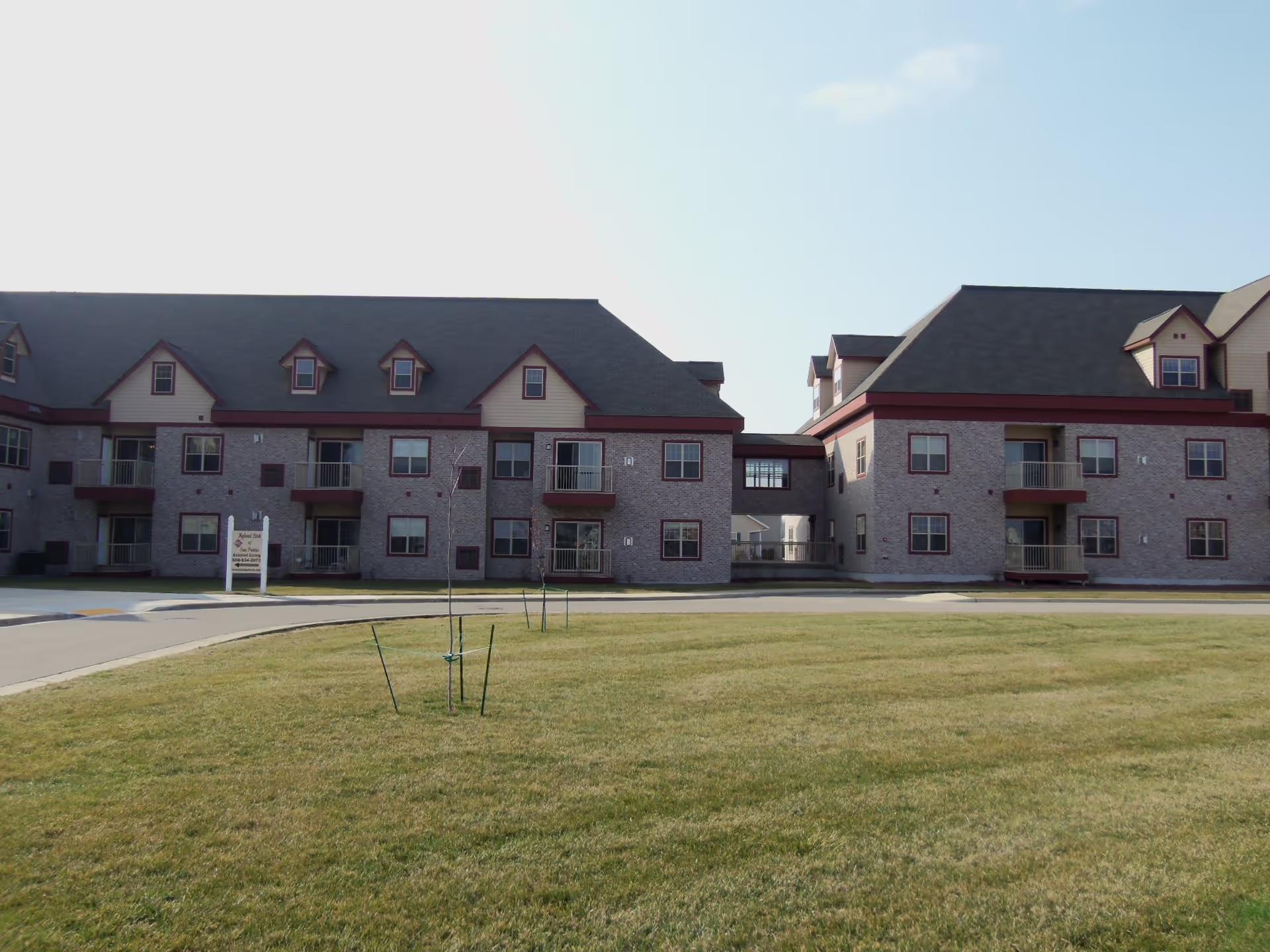
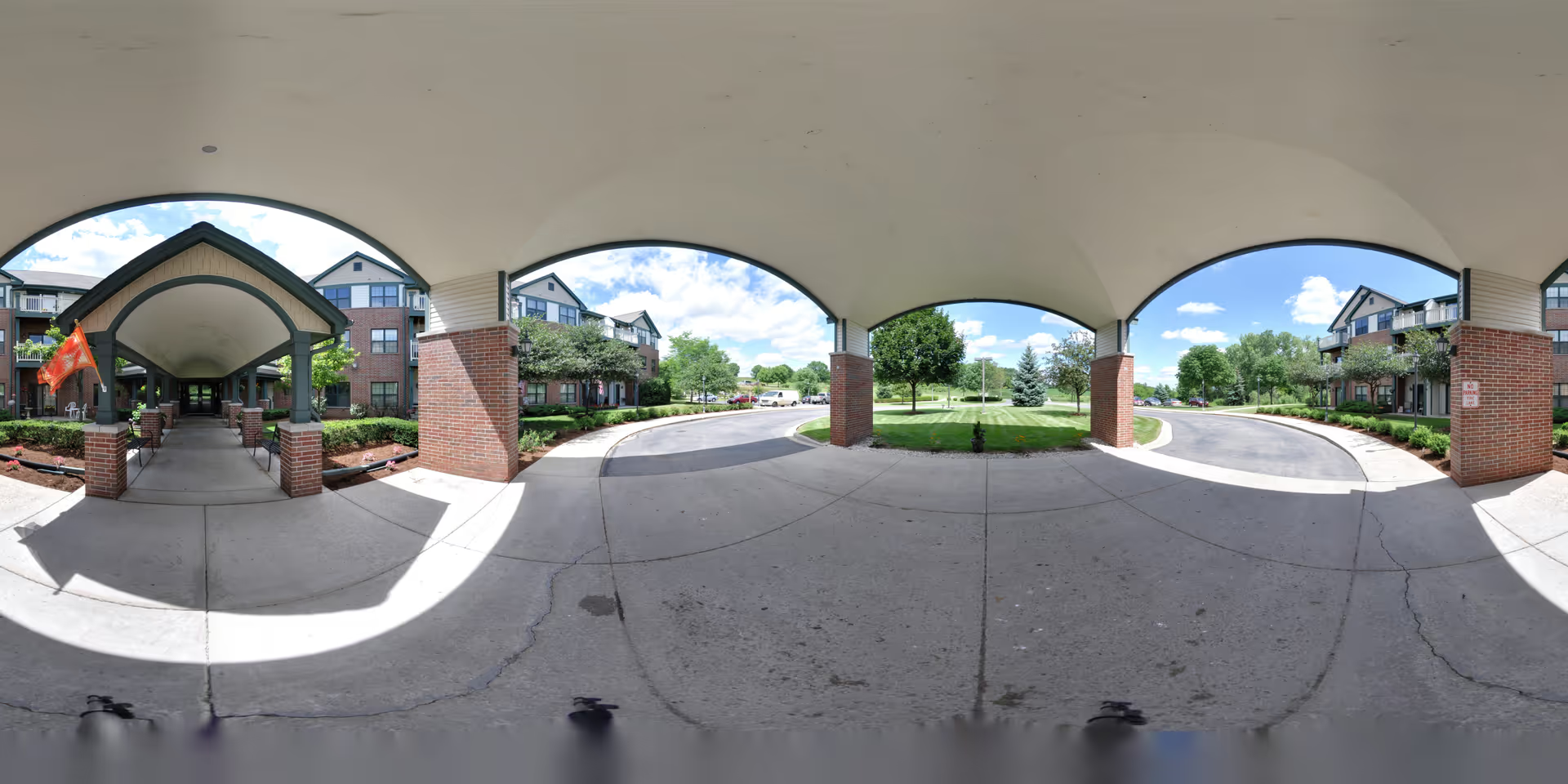
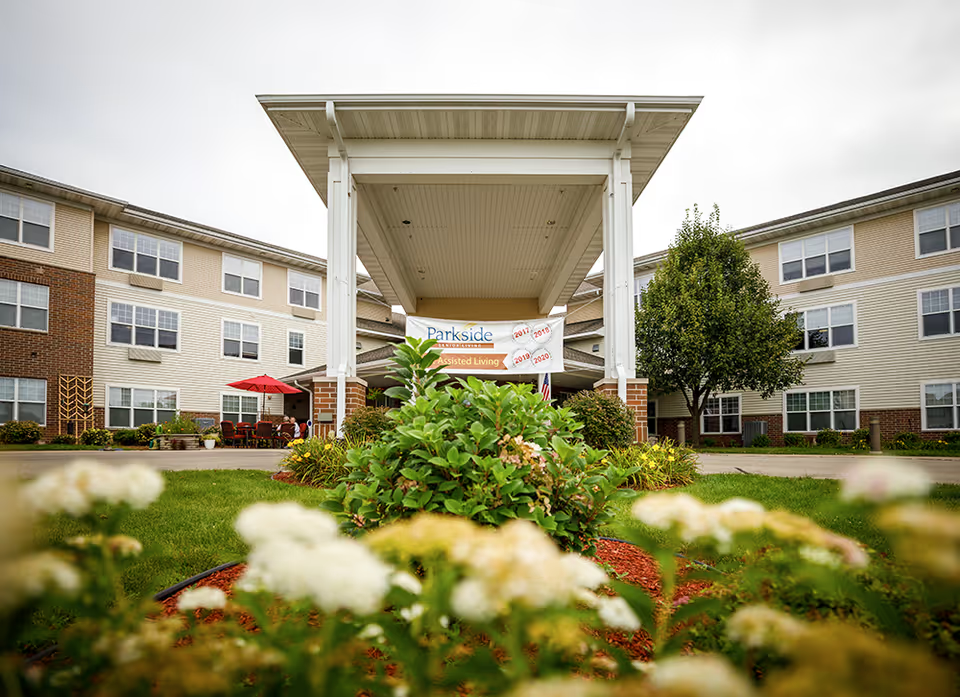
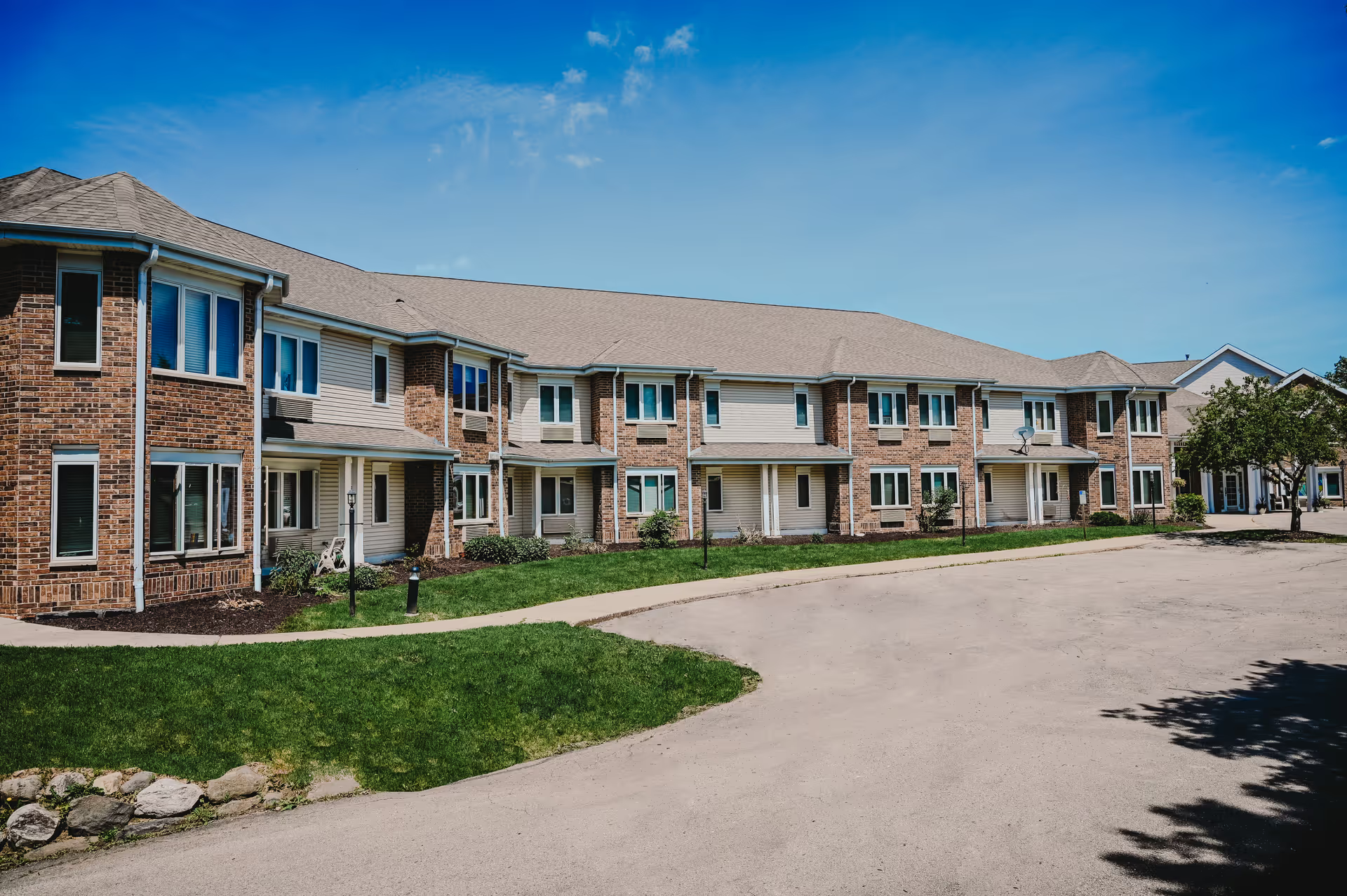
Physical facilities combine practical accessibility with a modest, older aesthetic. Apartments are generally described as spacious and wheelchair-accessible, often featuring kitchenettes and large bathrooms, but unit storage can be limited. The building and grounds are kept clean and well-maintained, with a sizable garden and patio for outdoor time. Practical limitations include restricted evening access (building locked after a set hour), dated decor in some areas, and operational practices that may inconvenience families during transitions.
Overall, Prairie Gardens is likely a good fit for prospective residents seeking a smaller, community-oriented assisted living setting with attentive staff, solid social programming, and reasonable all-inclusive pricing. It is less suitable for individuals who require dementia-specific programming or steadily increasing clinical support without the prospect of transfer. Families considering the community should confirm current medication-management practices, clarify transfer policies for escalating care needs, and discuss visitation flexibility and communication preferences with management prior to move-in.