Hyland Campus presents as a well-appointed independent and assisted living community with consistent praise for its caregiving culture and campus environment. Many families and residents describe caregivers as compassionate, attentive, and communicative; several accounts emphasize strong family communication, supportive transitions during end-of-life, and proactive outreach during periods of isolation or infection-control. The community’s ability to provide a flexible pathway from independent to assisted living is a frequently noted operational strength that can simplify transitions as needs change.
Staff quality is a prominent positive: front-line caregivers, nurses, and supervisors are routinely described as knowledgeable, kind, and responsive. Individual staff members and supervisors are often credited with developing strong, trust-based relationships with residents and families. At the same time, reviewers also describe periods of leadership and staffing turnover; when turnover occurs it can affect continuity of care and organizational consistency. Overall, the staffing culture is seen as caring, but continuity can vary depending on recent administrative stability.
Dining and activities are central to the resident experience. The facility offers a varied menu with accommodations for dietary needs and many reviewers praise meal variety and service, though a subset of comments indicates variability in food quality and execution. Activity programming is generally robust — with exercise classes, art, outings, car shows, and community events — and many residents report active social engagement and frequent excursions. However, activity consistency and visibility (for example, the activity log or room-level engagement) were described as uneven by some, suggesting programming strength but variable delivery across times or households.
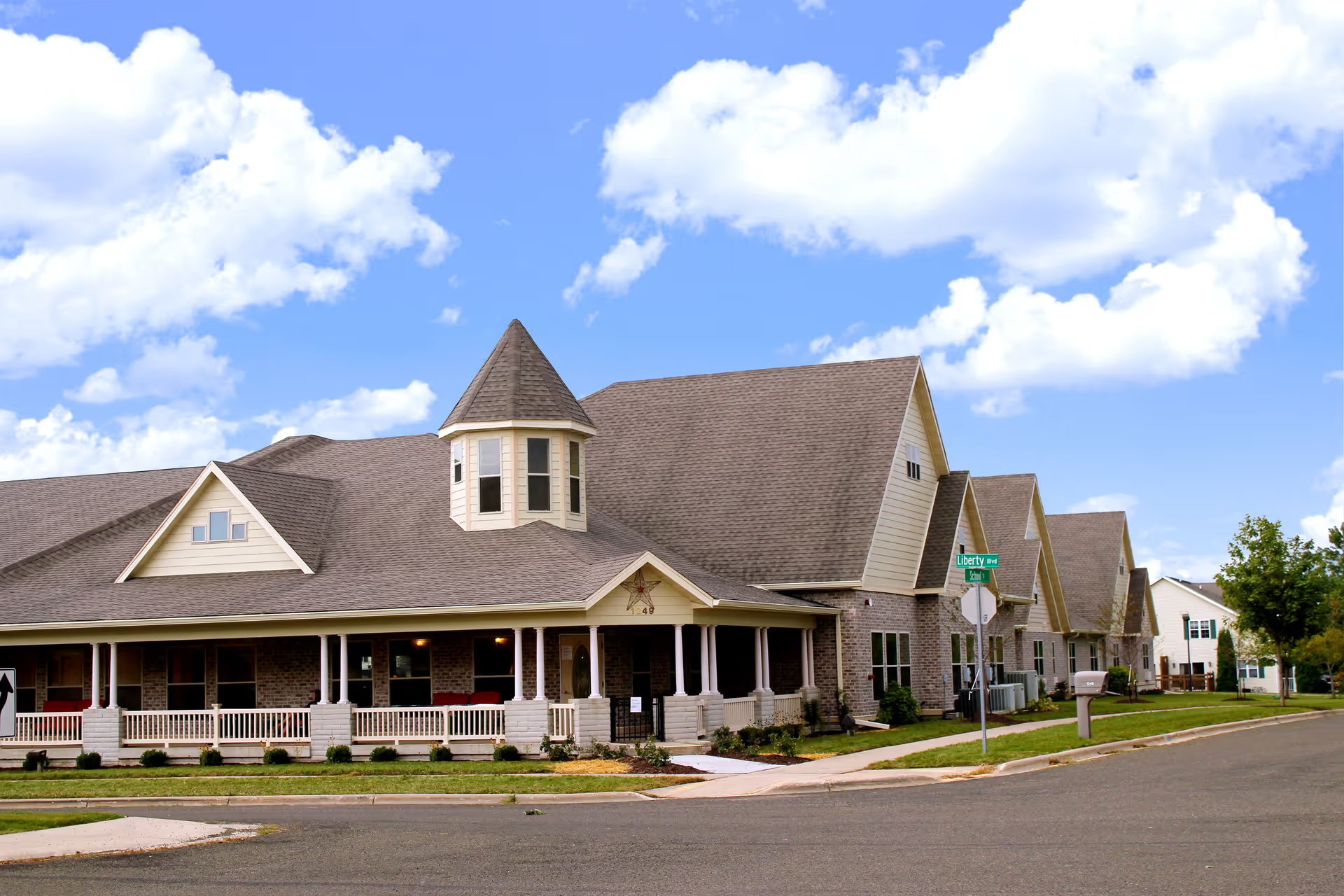
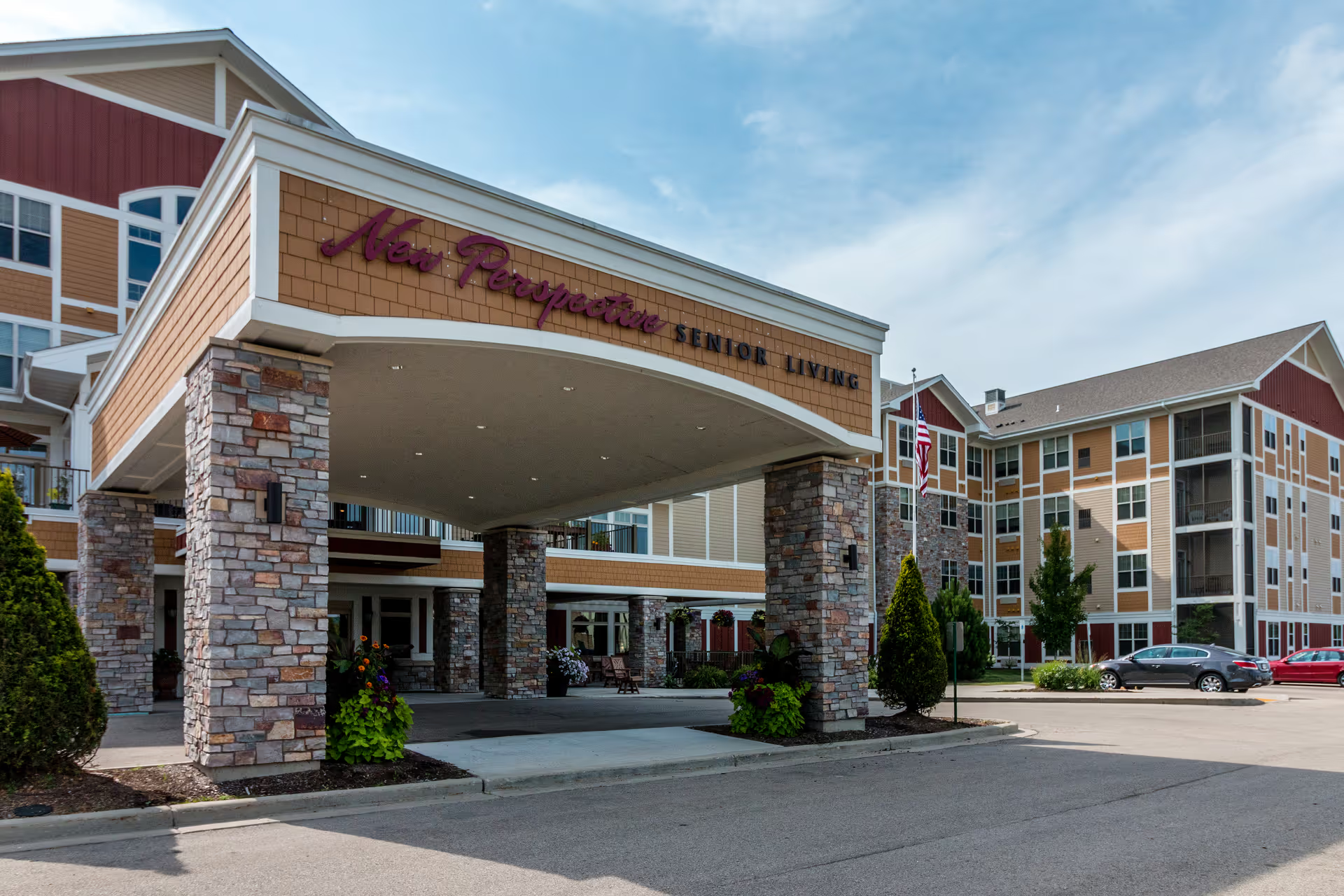
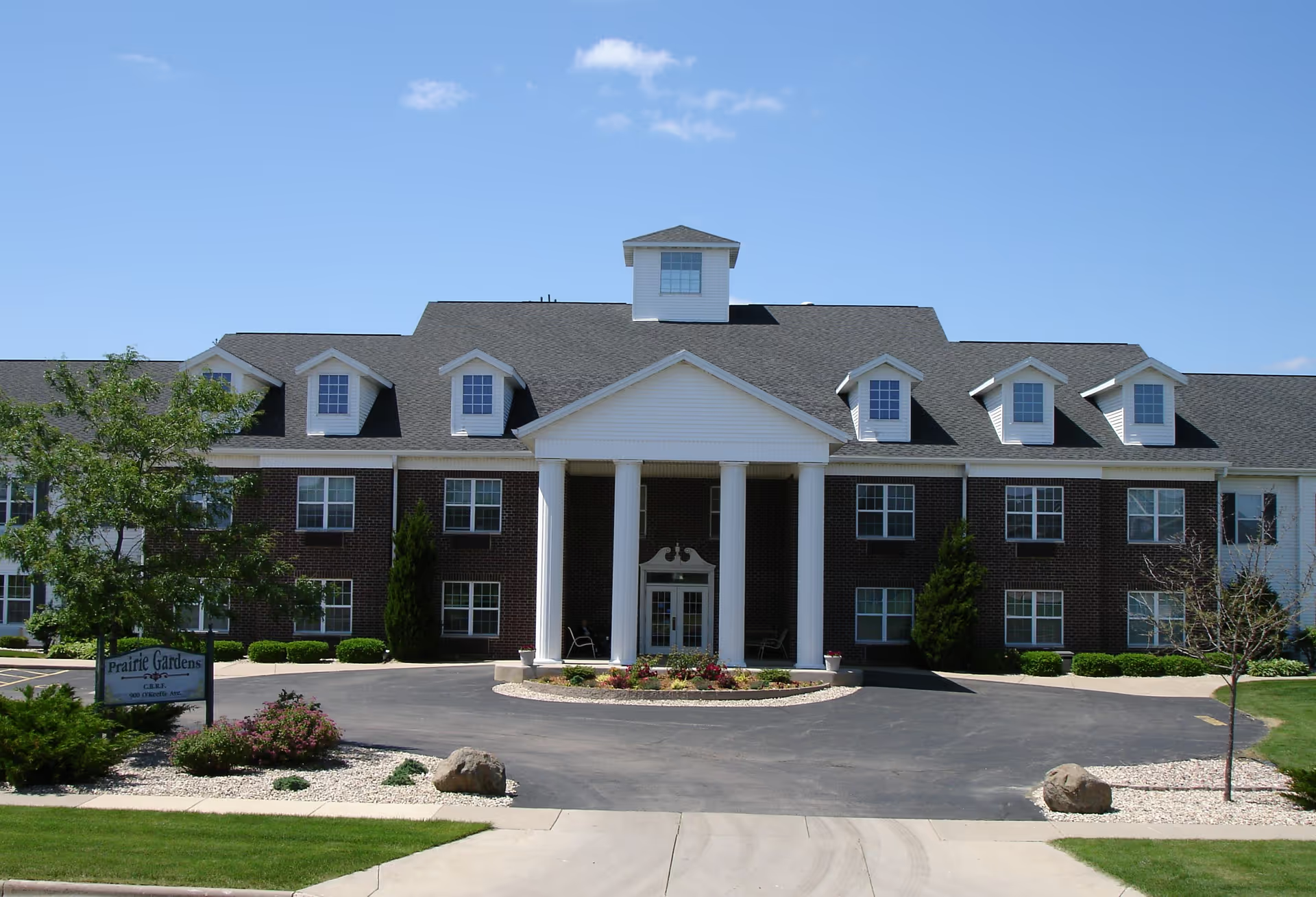
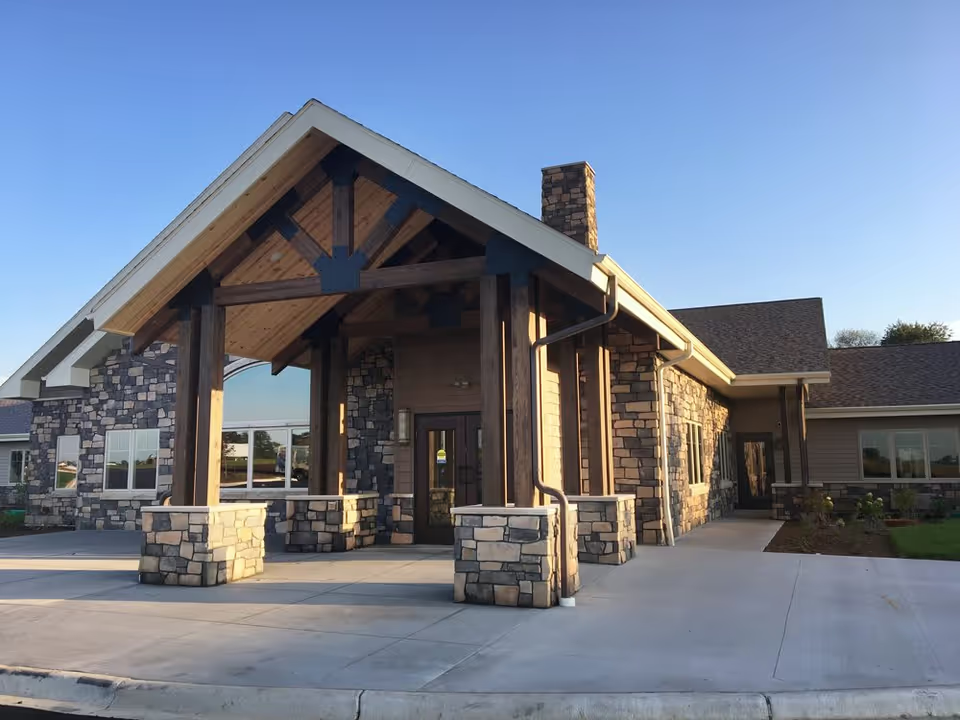
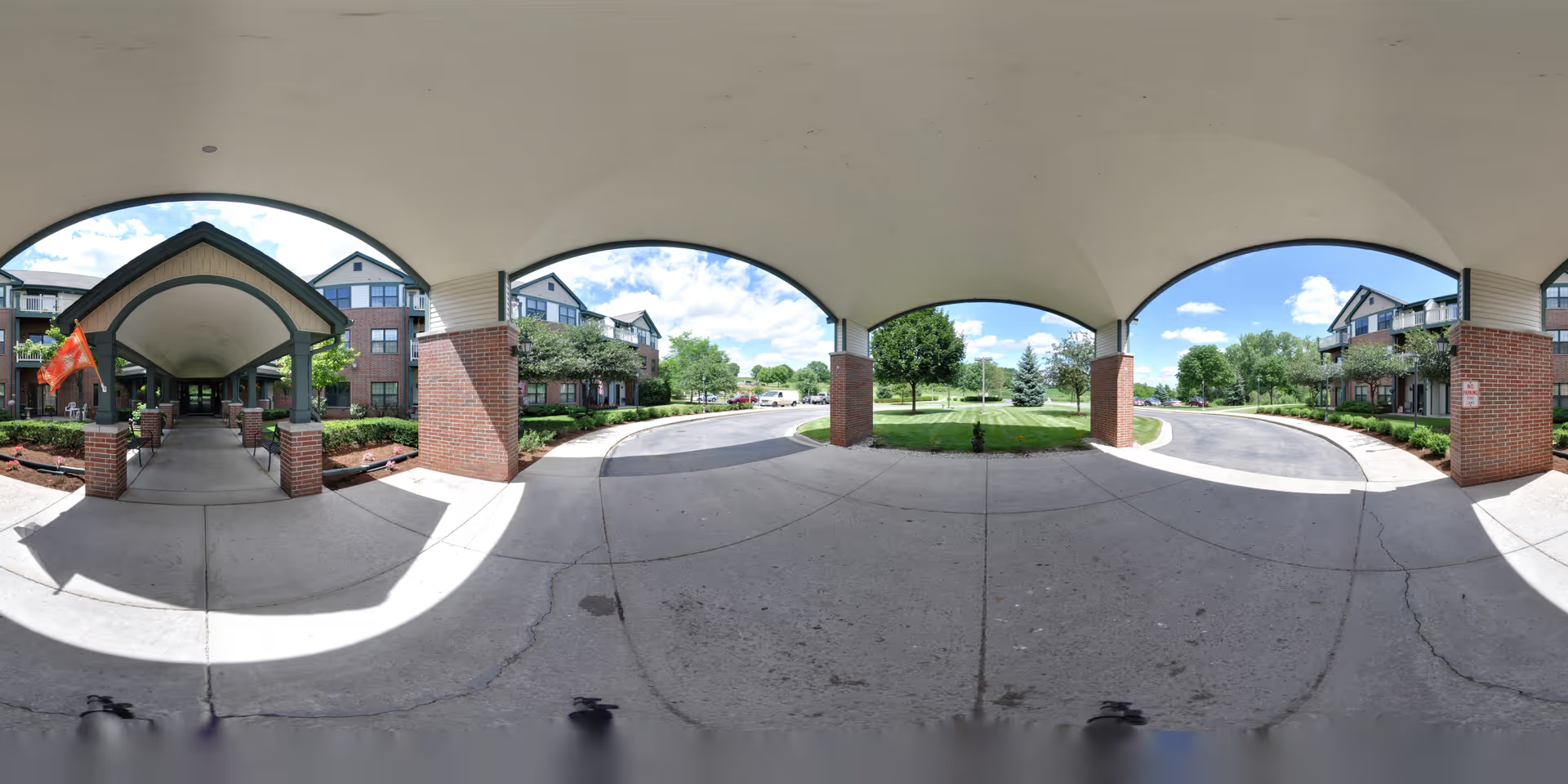
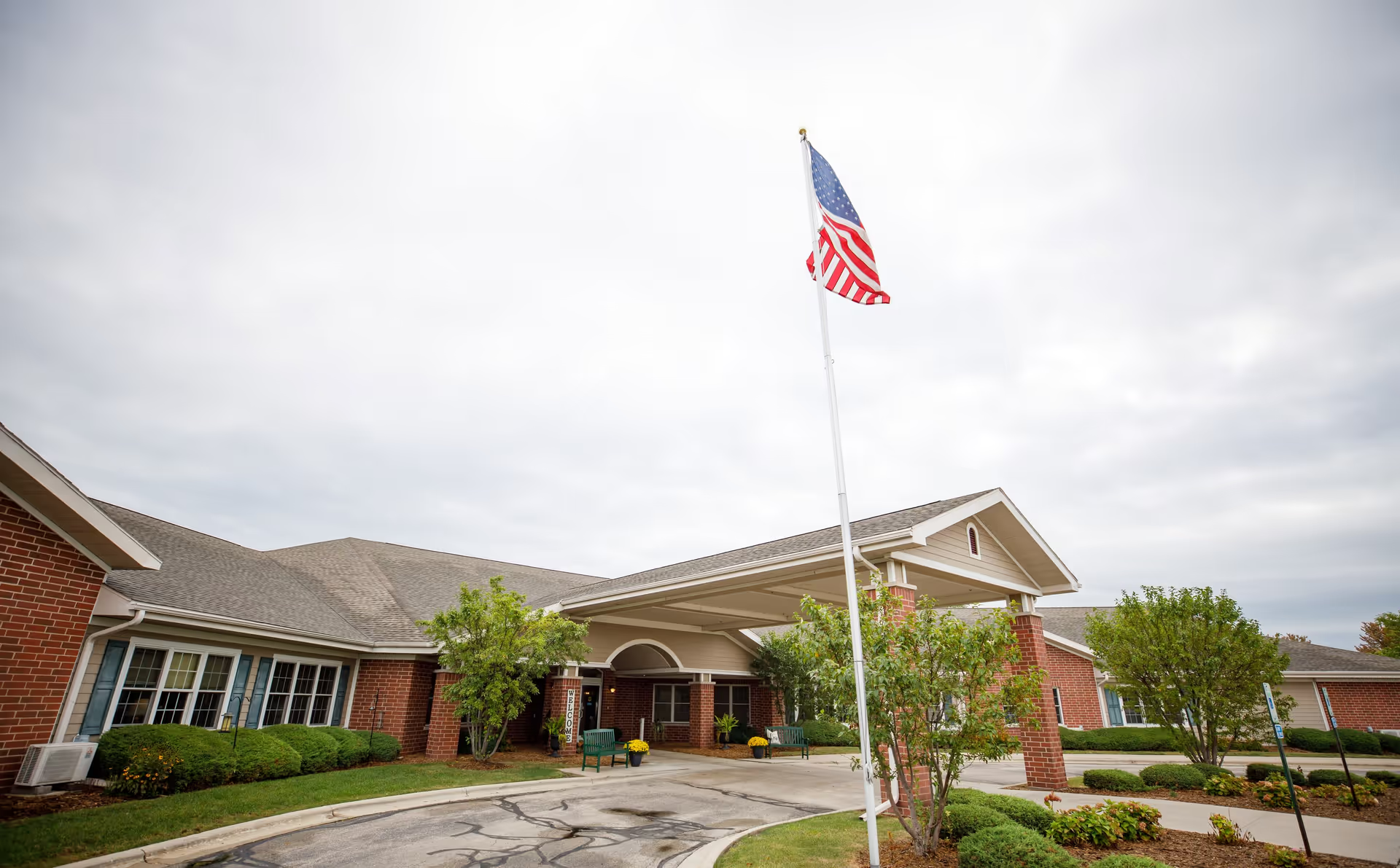
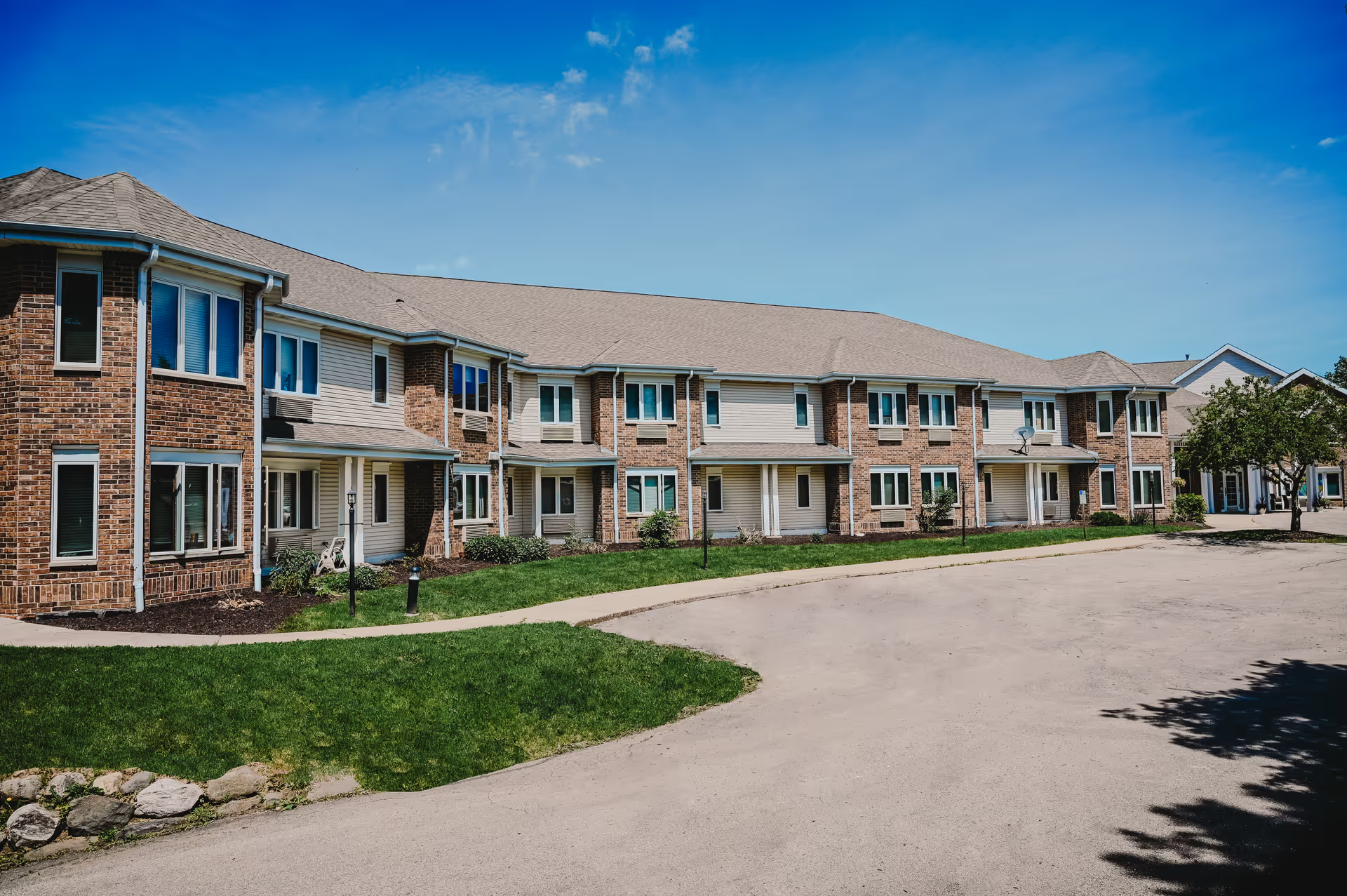
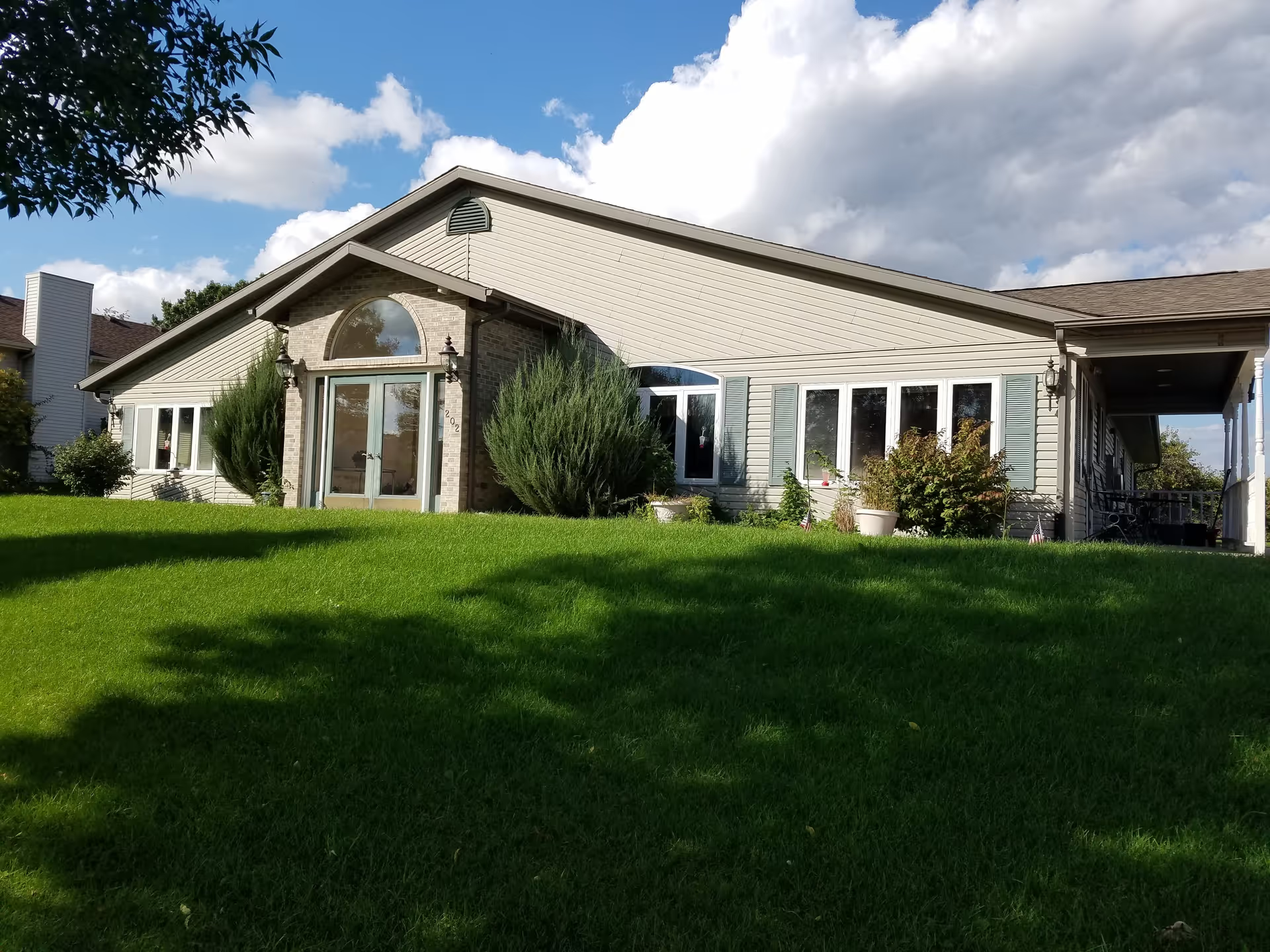
Facilities and amenities receive strong positive feedback: apartments are frequently described as spacious, modern, and well-maintained, with included appliances and desirable features such as fireplaces and a movie theater. The campus is large, attractive, and offers secure parking and shuttle services; these transportation options are seen as practical and afford independence. That said, the campus scale and layout can present mobility and access challenges for residents who have difficulty walking to distant dining areas or central amenities. There are also isolated operational concerns regarding maintenance and sanitation — including water-damage remediation and uncleaned rooms in some instances — indicating room for improvement in upkeep and routine maintenance responsiveness.
Management and operational patterns are mixed. Many reviewers praise directors and on-site managers for helpfulness and responsiveness; others cite organizational disruptions tied to administrative turnover, which can lead to uneven processes such as room changes or move-in coordination. Additional out-of-pocket costs for underground or secured parking and some optional services are part of the financial picture and should be confirmed during planning conversations.
In summary, Hyland Campus is characterized by a strong caregiving ethos, an attractive physical plant, and a lively activities program that many residents and families value. Prospective residents should weigh the facility’s scale and layout against individual mobility needs, confirm current management stability and staffing continuity, and clarify optional fees and move-in logistics. For families prioritizing compassionate care, varied programming, and spacious apartments, Hyland Campus is frequently recommended; for those who require tightly consistent operational processes or closer proximity of services within a compact footprint, further inquiry and an in-person visit are advisable.