Reviewers describe a facility with distinct strengths alongside notable operational weaknesses. Strengths commonly cited include a warm, family-like atmosphere supported by caregiving staff who are frequently described as compassionate and hands-on. Several reviewers singled out engaged executive leadership and directors who make personal visits and participate in direct care tasks, and many families praised attentive end-of-life support. The community’s apartment-style, spacious rooms and inviting common areas, along with onsite therapy services and accessible transportation, contribute to a residential feel that appeals to fairly independent seniors.
Care quality appears mixed. Positive accounts highlight helpful CNAs, supportive nursing, effective physical-therapy follow-up, and nursing staff willing to assist beyond core duties. At the same time, other reviewers raised serious operational concerns: inconsistent staffing (especially on night and second shifts), delays in attending to residents’ personal-care needs, incontinence-care concerns, and missed or delayed medication administration. These issues suggest variability in day-to-day clinical reliability; several families concluded the community is better suited to residents who are fairly independent rather than high-acuity needs.
Dining is a commonly discussed area. Many reviewers praised flavorful, hot meals, fresh salads, and a dynamic dining environment; special events and social meals are seen as positive. However, others noted variable meal quality, limited menu variety at times, and occasional interruptions to service continuity. Laundry and housekeeping services are offered and often appreciated, but consistency of housekeeping at the apartment level was flagged as uneven — with some accounts of prolonged delays in cleaning and maintenance issues (including mold or odor concerns in specific units).
Activities and social programming receive mixed feedback. There are frequent references to organized events (exercise classes, card games, paint nights, outings, holiday activities) that foster engagement. Conversely, reviewers also reported periods with limited staff-led engagement, particularly when short staffing is present, and variability in the vibrancy of programming between shifts.
Management, communication, and billing present a clear pattern of mixed experiences. Positive comments point to directors and managers who are responsive, implement improvements, and provide hands-on support. Negative comments include inconsistent communication with families, billing and invoicing errors, delays in refunds, and concerns about administrative organization. Leadership turnover was noted in multiple accounts, which appears to correlate with both improvements in some cases and instability in others.
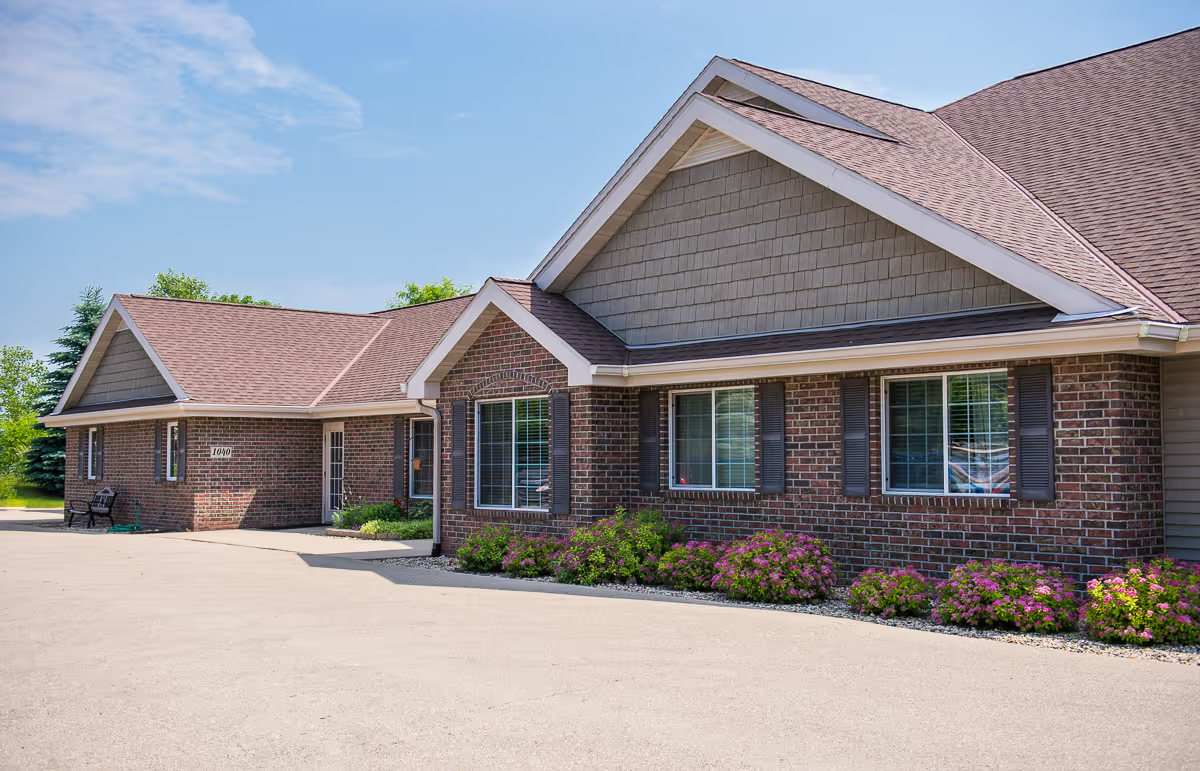
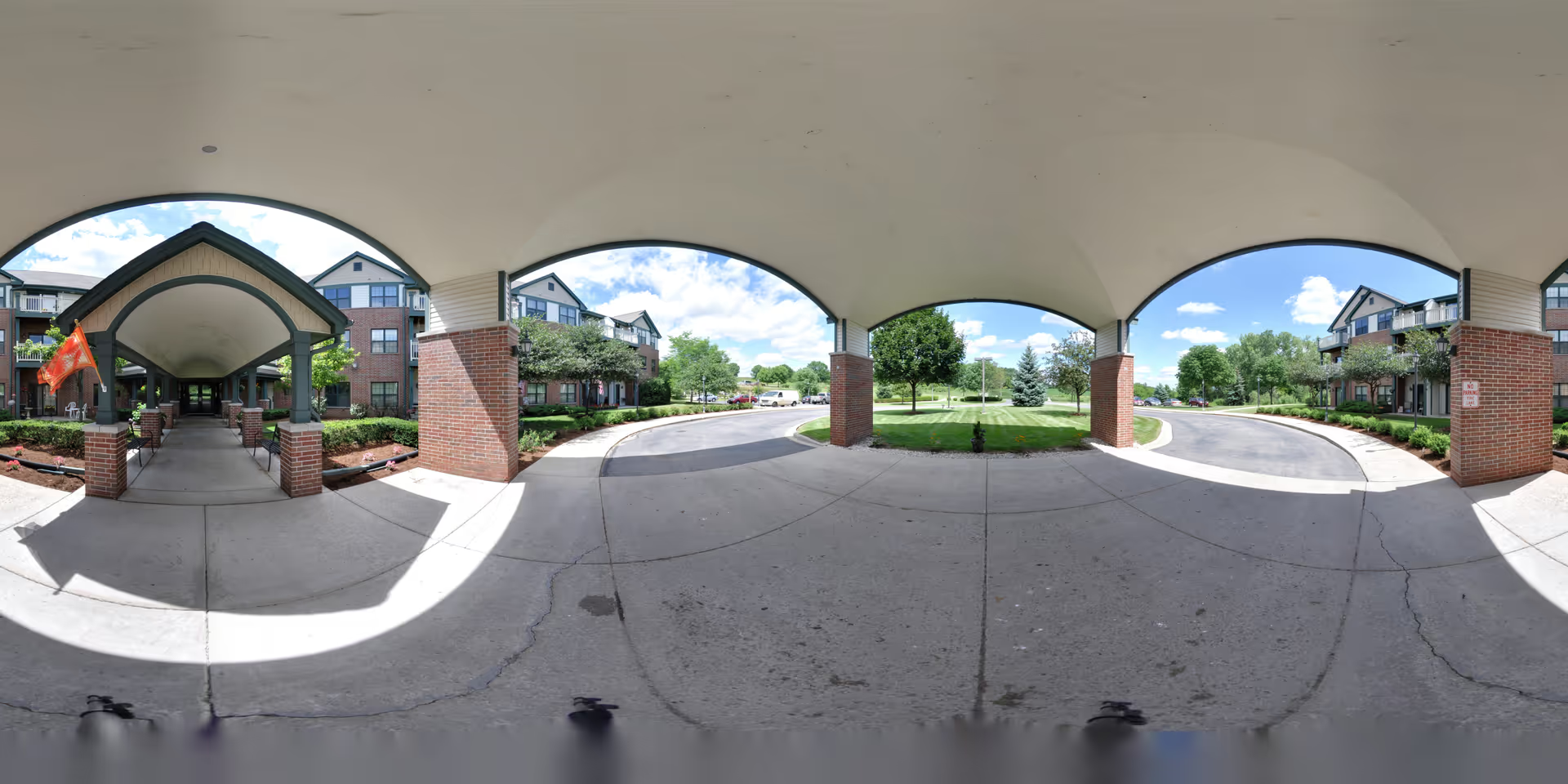
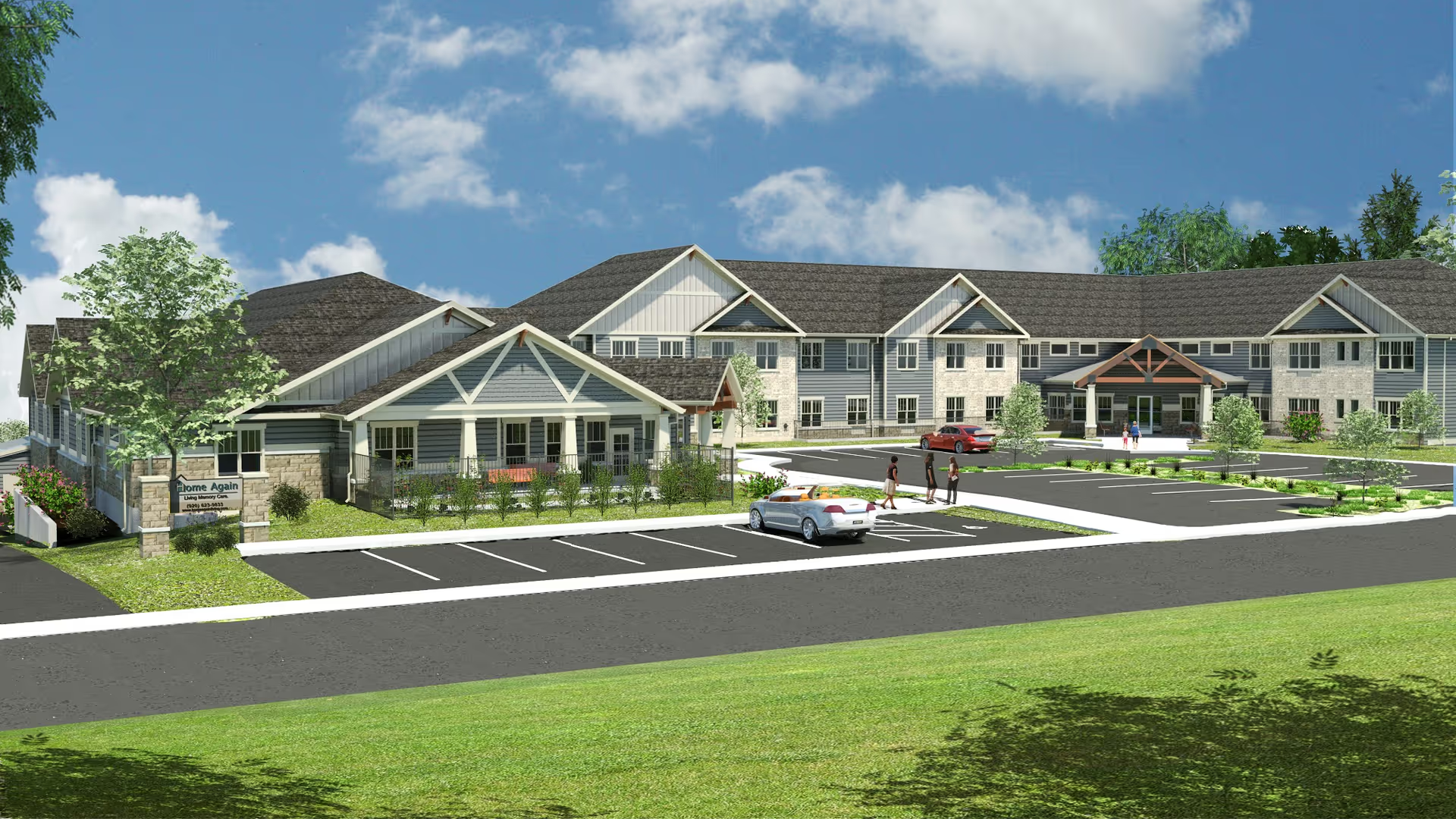
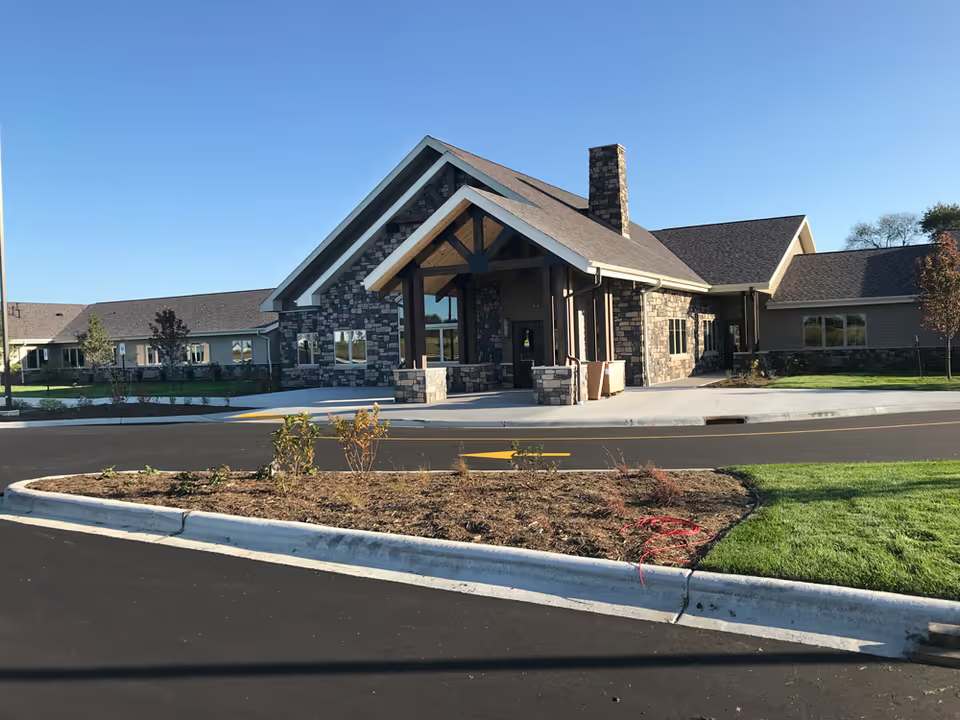
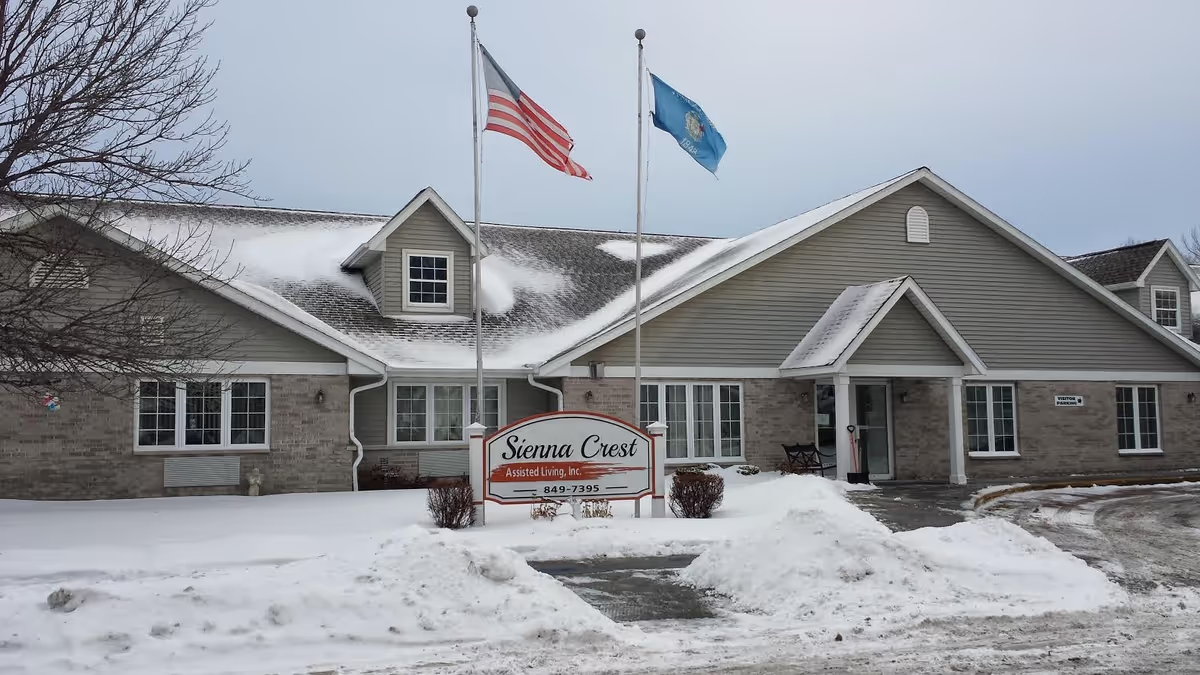
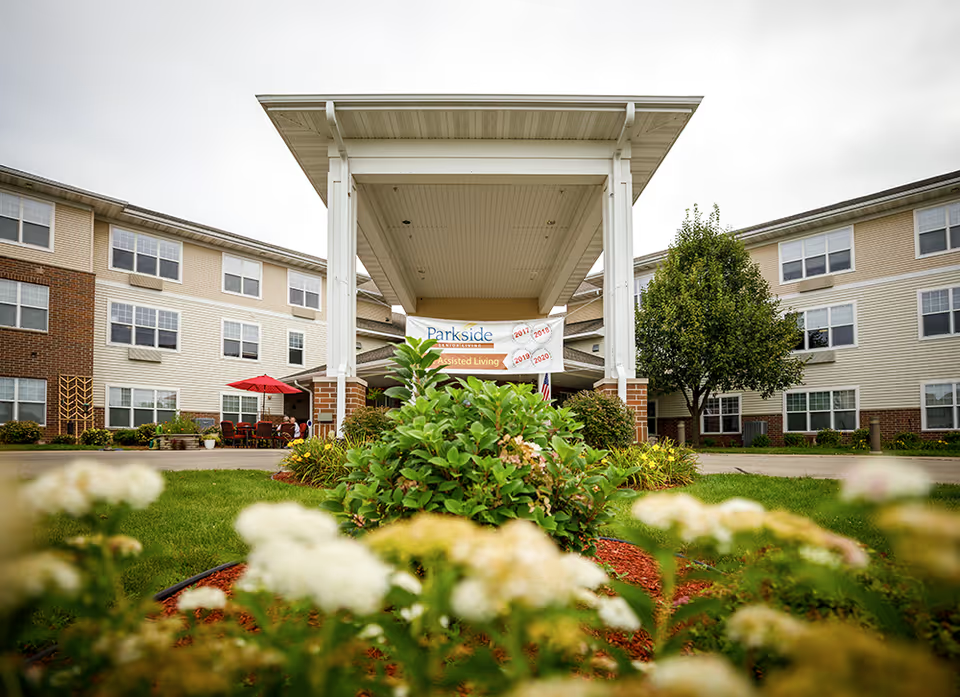
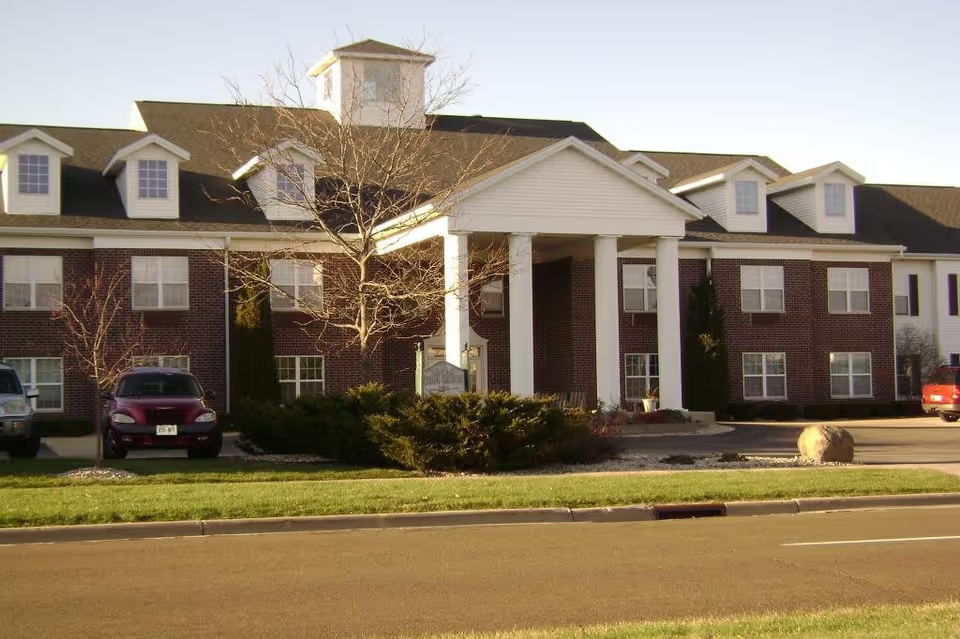
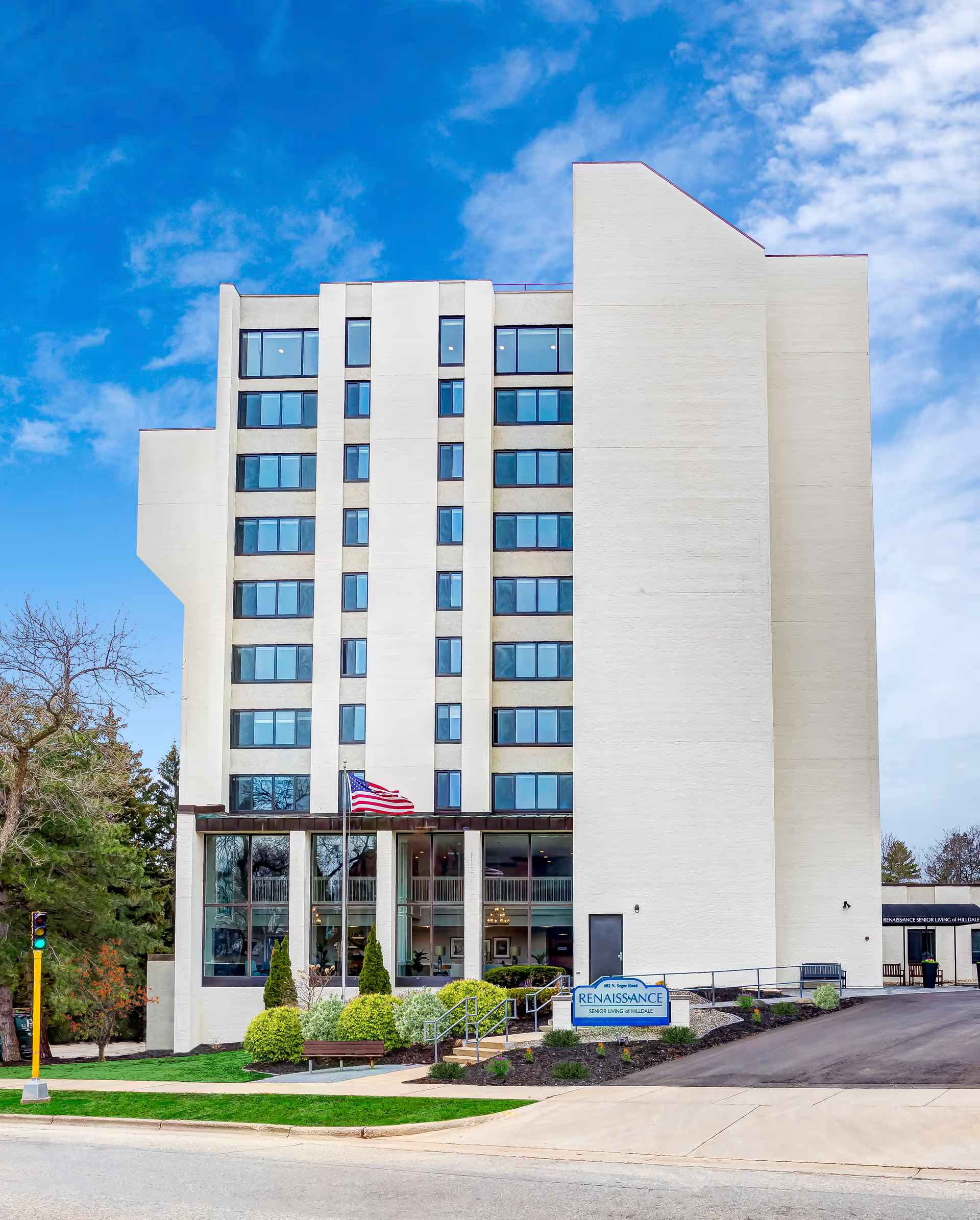
Facilities and maintenance show strengths in overall campus appearance, landscaping, and attractive common areas, but reviewers noted variability across individual apartments. Maintenance concerns included uneven upkeep, occasional cleanliness and sanitation issues in specific rooms or bathrooms, and the need for cosmetic updates in parts of the building.
Notable patterns for prospective residents and families: the community offers strong social and residential qualities and can deliver attentive, compassionate care when adequately staffed and when leadership is engaged. However, there are recurring operational weaknesses — particularly inconsistent staffing, lapses in personal-care and medication processes, and administrative/billing irregularities — that may affect residents who require higher-acuity or highly consistent clinical oversight. A recommended approach for families is to tour multiple times, meet direct-care staff and nursing leadership, ask specifically about recent staffing levels, medication-administration protocols, housekeeping schedules, and billing practices, and consider whether the community’s current staffing model matches the prospective resident’s acuity and care expectations.