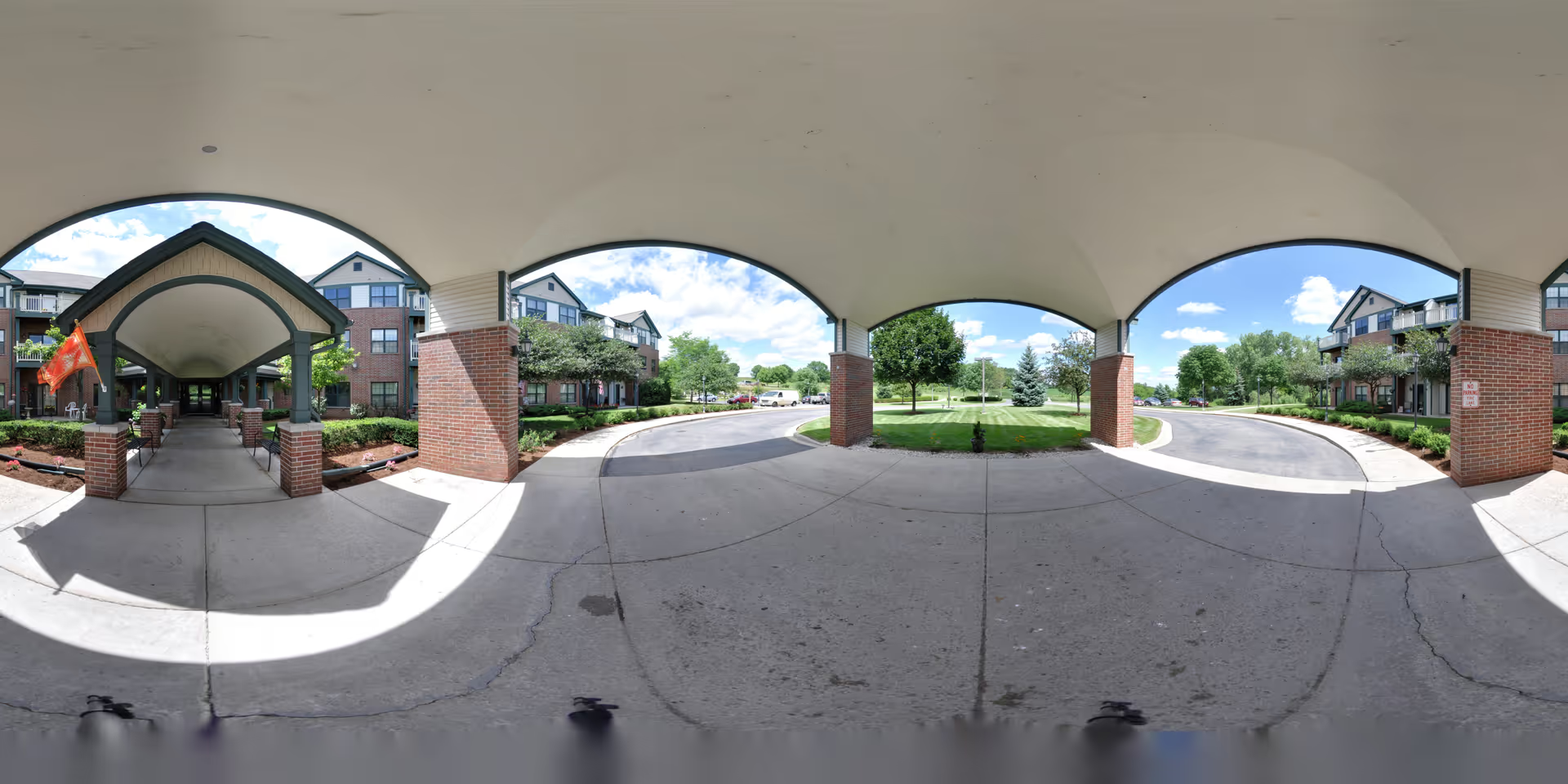
Sienna Crest Assisted Living is described by reviewers as a small, home-like community with bright, cheery common areas and a personal-feel culture. The facility’s physical environment is generally clean and well maintained, with private rooms that include en-suite bathrooms and in-room kitchenettes (mini-fridge and microwave). Common-area amenities cited include a dining room with restaurant-style service, a small library with a fireplace, and an on-site beauty salon. Several reviewers highlighted a welcoming decor and homelike scent, indicating consistent upkeep even where finishes appear dated.
Staff and care received the most consistent praise. Reviewers characterize the staff as warm, compassionate, and attentive; examples include frequent checks, friendly nurses, and staff who provide emotional support and coordination with physicians. Families noted personalized touches such as bringing in favorite magazines, having staff pagers and in-room help cords for assistance, and proactive communication from management in many cases. That said, a pattern emerged around care scope: the community appears to limit admissions and the level of hands-on help for residents who cannot transfer independently. A small number of families reported disappointment when the facility could not meet higher-dependency transfer needs, suggesting constraints in staffing, training, or policy for residents requiring more intensive assistance.
Dining and activities are strengths in the reviewers’ accounts. Meals are generally reported as enjoyable and served in a restaurant-style setting; pricing was described as fair and competitive. Activities programming is varied but not excessive—examples include movies, crafts, bingo, balloon volleyball, exercise, rosary and pastor visits, puzzle tables, and intergenerational events like school-class crafts. Reviewers noted that the schedule feels balanced and that residents tend to participate and enjoy the offerings.
From a management and operational perspective, reviewers commonly described responsive leadership and coordinated medical communication, with some praising the manager’s attentiveness. The facility’s smaller size contributes to a personal staff–resident relationship and easier access to staff, but it also correlates with limitations in clinical capability and capacity for higher-acuity care. While overall impressions skew positive—highlighting compassionate staff, cleanliness, engaging activities, and reasonable cost—prospective residents and families should verify the facility’s admission criteria and care scope if the resident has transfer or other higher-dependency needs. A tour and direct discussion about staffing ratios, transfer protocols, and emergency procedures are advisable to ensure the community can meet specific clinical requirements.