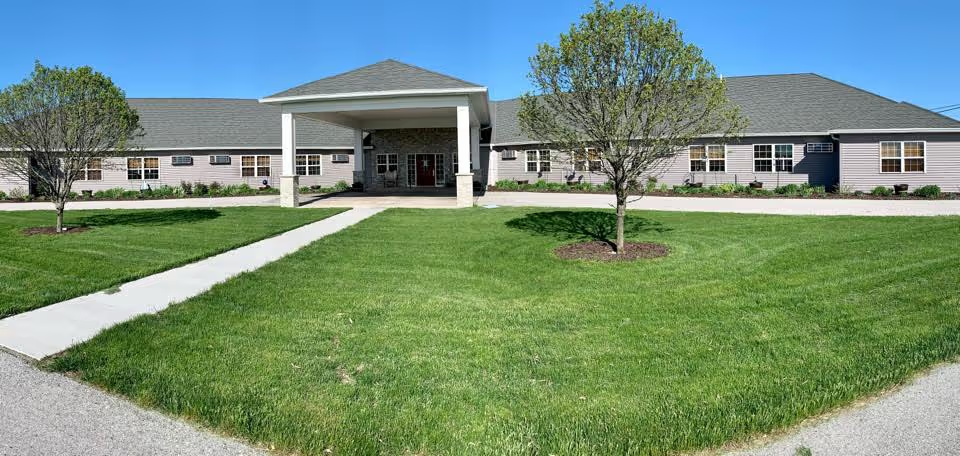
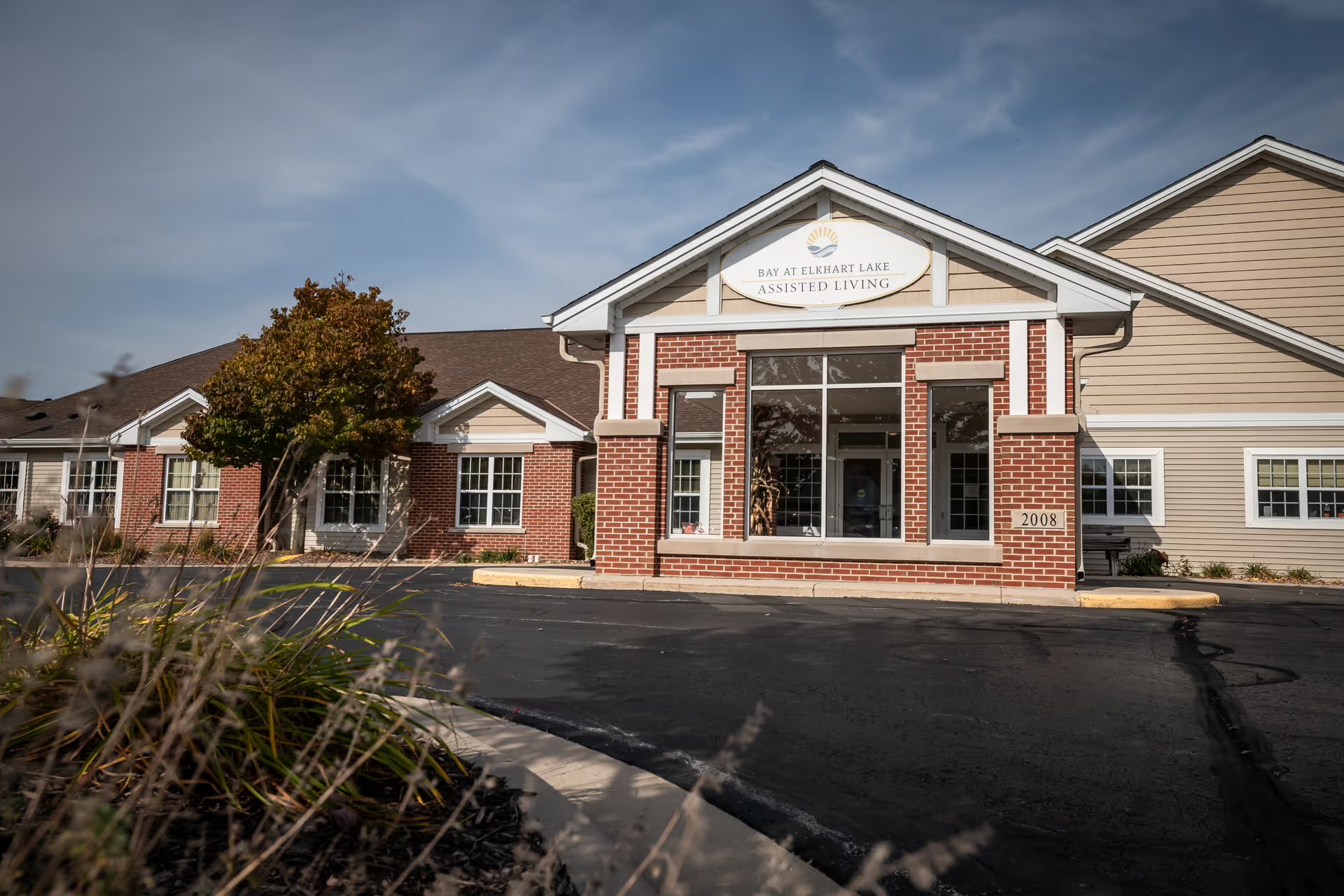
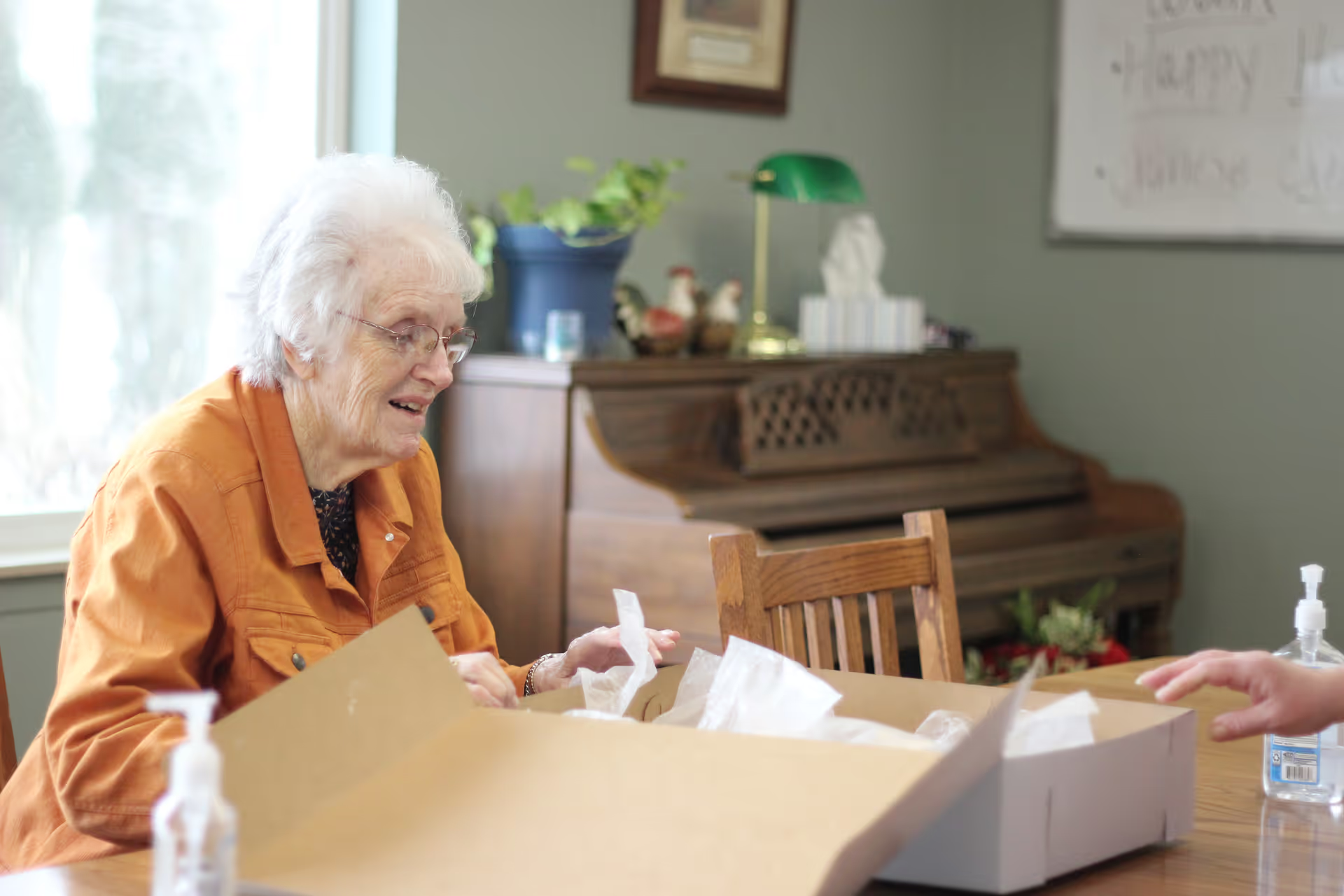
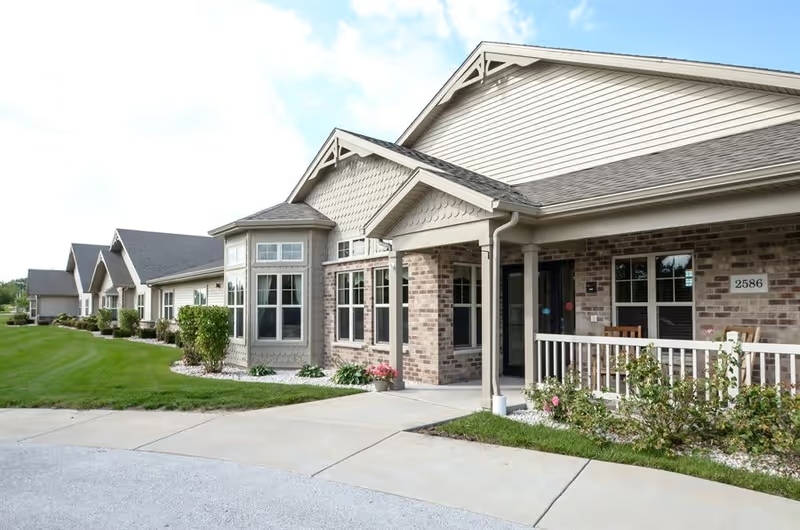
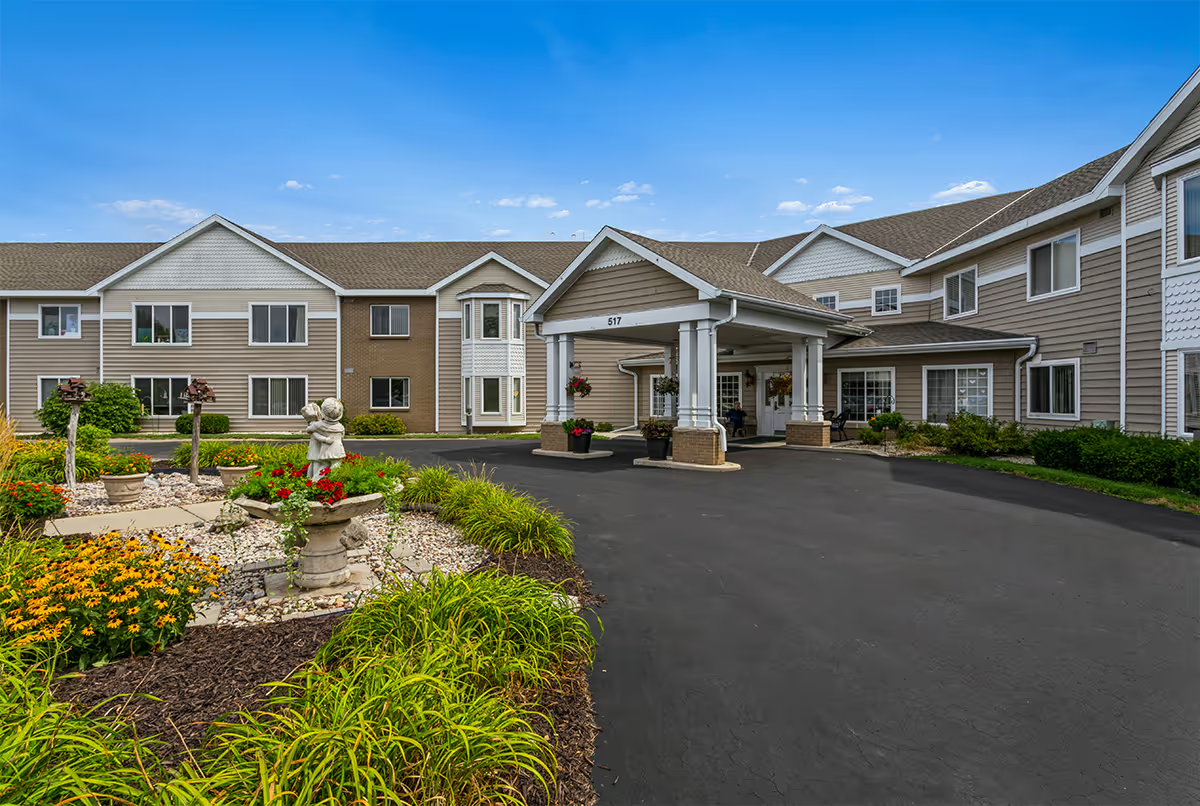
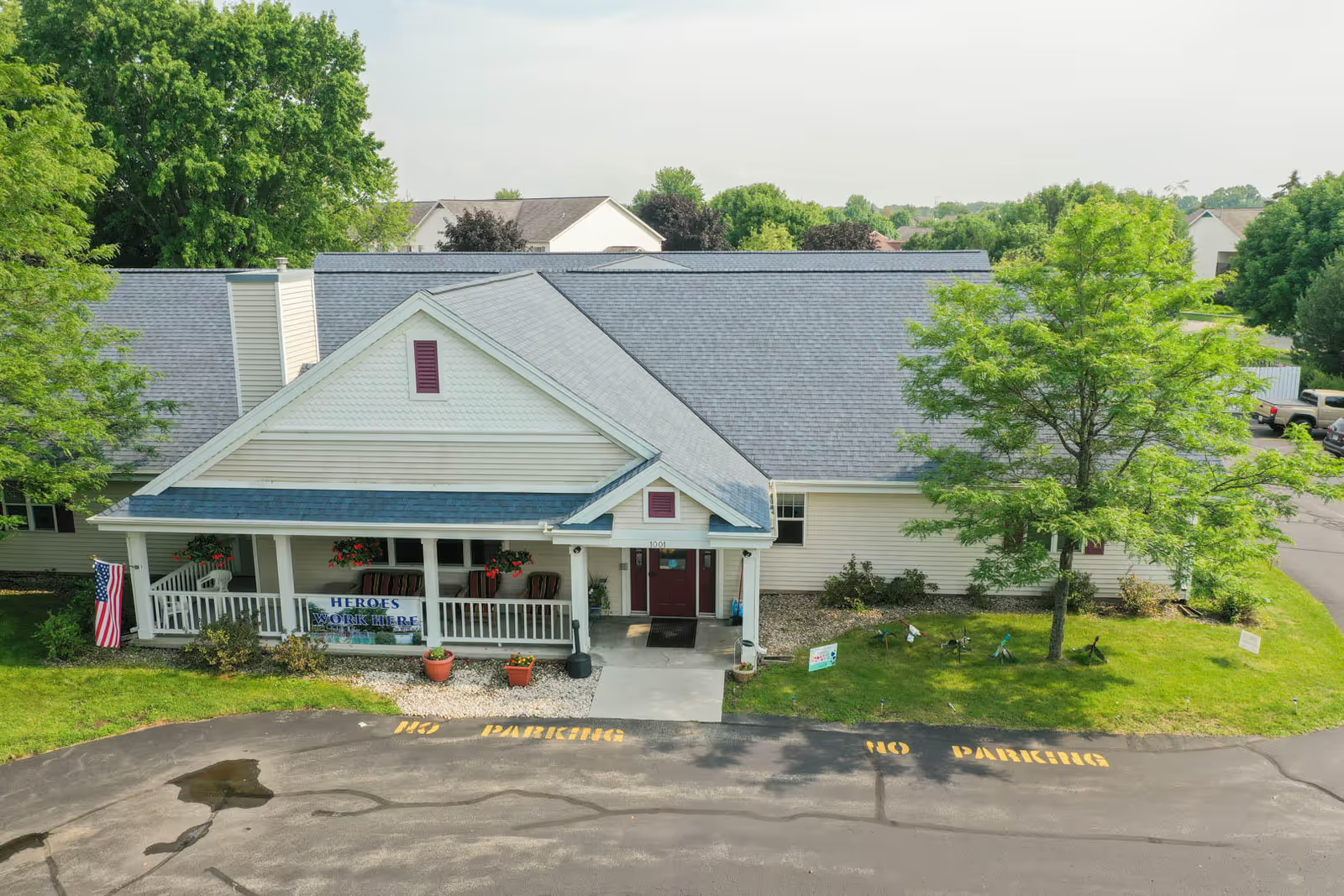
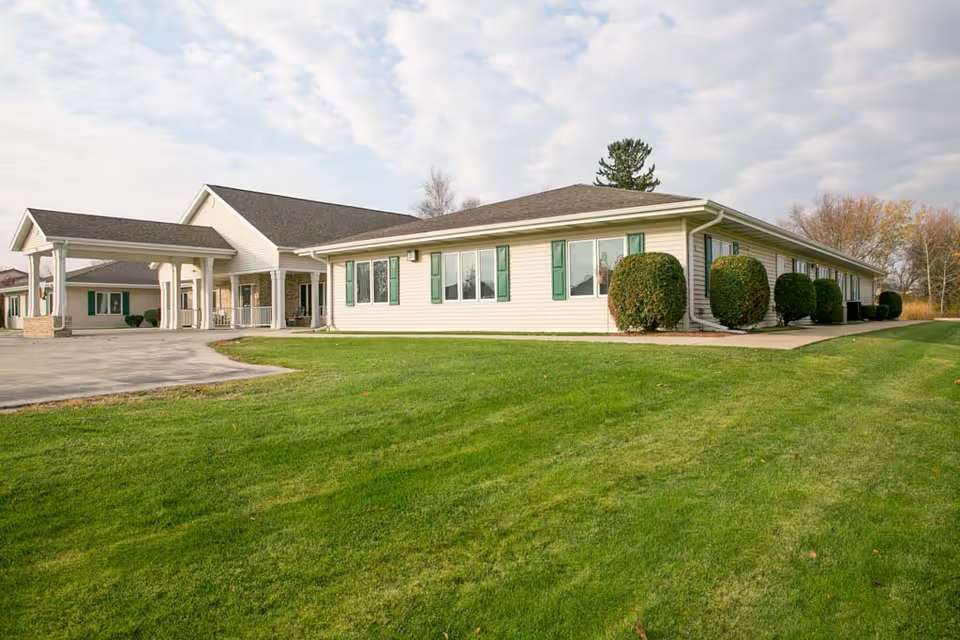
Overall impression: Reviews describe LakeHouse New Holstein / Willowpark Place as a well-maintained, attractive assisted‑living community with a strong staff culture. Many accounts emphasize a caring, accessible team and active leadership presence, resulting in a homelike atmosphere and a sense of safety for residents. The facility’s appearance, cleanliness, and festive communal spaces are consistently highlighted as strengths.
Care and staff: Care quality is portrayed as a core strength. Reviewers consistently describe attentive, compassionate caregivers and nursing staff who are responsive to resident needs; an on‑call nurse is singled out as particularly valuable. Staff dedication and teamwork are recurring themes, and several comments reflect pride and longevity among employees. That said, there is evidence of unevenness in day‑to‑day staffing performance and occasional coverage gaps, which aligns with remarks about mixed staff experiences and the impact of staff turnover on programming continuity.
Dining: Dining is generally seen positively. Many reviewers praise well‑prepared, varied meals and menu choices; small touches such as fresh‑baked items were noted. However, a subset of feedback points to inconsistent food quality and perceptions of value, suggesting that meal experience may vary by day or by dining shift.
Activities and social life: Activity programming is a clear asset. The community offers frequent and varied programming (exercise classes, bingo, social events), transportation to appointments and shopping, and updated dining/social areas that support resident interaction. Activity continuity has been affected at times by personnel changes — notably activity‑director departures — which reviewers call out as creating temporary lapses in programming.
Facilities and living spaces: The physical plant is regularly described as clean, attractive, and well cared for, with homelike decor and amenities (fireplace, festive decorations). Many residents appreciate suite‑style units with small kitchenettes that allow simple meal preparation. At the same time, some units are characterized as small, and limited private living space is a recurring practical consideration for prospective residents.
Management and operations: Leadership involvement and a resident‑focused culture are frequently praised, but operational gaps appear in several areas. Notable themes include administrative–clinical communication gaps, occasional billing and financial communication problems, and limited transparency about the use of outside therapy providers. These issues are operational in nature and have influenced families’ perceptions of value and clarity.
Notable patterns and considerations: The dominant pattern is of a community with strong relational care and an attractive, activity‑rich environment that many residents and families recommend. Potential residents should weigh the benefits of the facility’s staff culture, cleanliness, and activity options against operational caveats: verify current activity staffing, clarify billing practices and what therapy services are included or outsourced, and tour specific unit types to assess room size. Prospective families will likely find the facility appealing but may want to ask targeted questions about program continuity, staffing levels, and financial transparency during their decision process.