Country View Assisted Living elicits a mix of strongly positive and strongly critical impressions. Many families and visitors describe warm, personable caregiving staff who engage residents, communicate proactively with families, and collaborate with therapists. Positive operational features include on-call licensed nursing coverage, three daily meals described as nutritious, transportation for appointments, and a range of activities and off-site events that staff actively participate in. The facility also offers varied room sizes and some modern amenities; recent ownership and training investments are cited as contributing to ongoing improvements.
Care and staffing show a divided pattern. On the positive side, reviewers describe a team-based approach, empathic caregivers who ‘‘treat residents like family,’’ and clear examples of staff going above and beyond. At the same time, multiple operational concerns appear repeatedly: chronic understaffing and high turnover, inconsistent caregiver clinical skills, bedside-care gaps, and weaknesses in transfer/mobility-safety practices. These patterns have been associated with delays in attending to residents and difficulties accessing a primary visiting physician. Prospective families should therefore ask specific questions about staffing ratios, turnover, and staff training during a tour.
Dining and activities are generally noted as strengths but with variability. Several families praised food quality and nutrition and appreciated on-site dining and social meals. Activity programming includes bingo, outings, music, dancing, crafts, bowling, and holiday events; staff involvement is frequently highlighted as a positive. However, other accounts describe residents with little meaningful engagement and limited programming, indicating inconsistency in activity delivery between shifts or units.
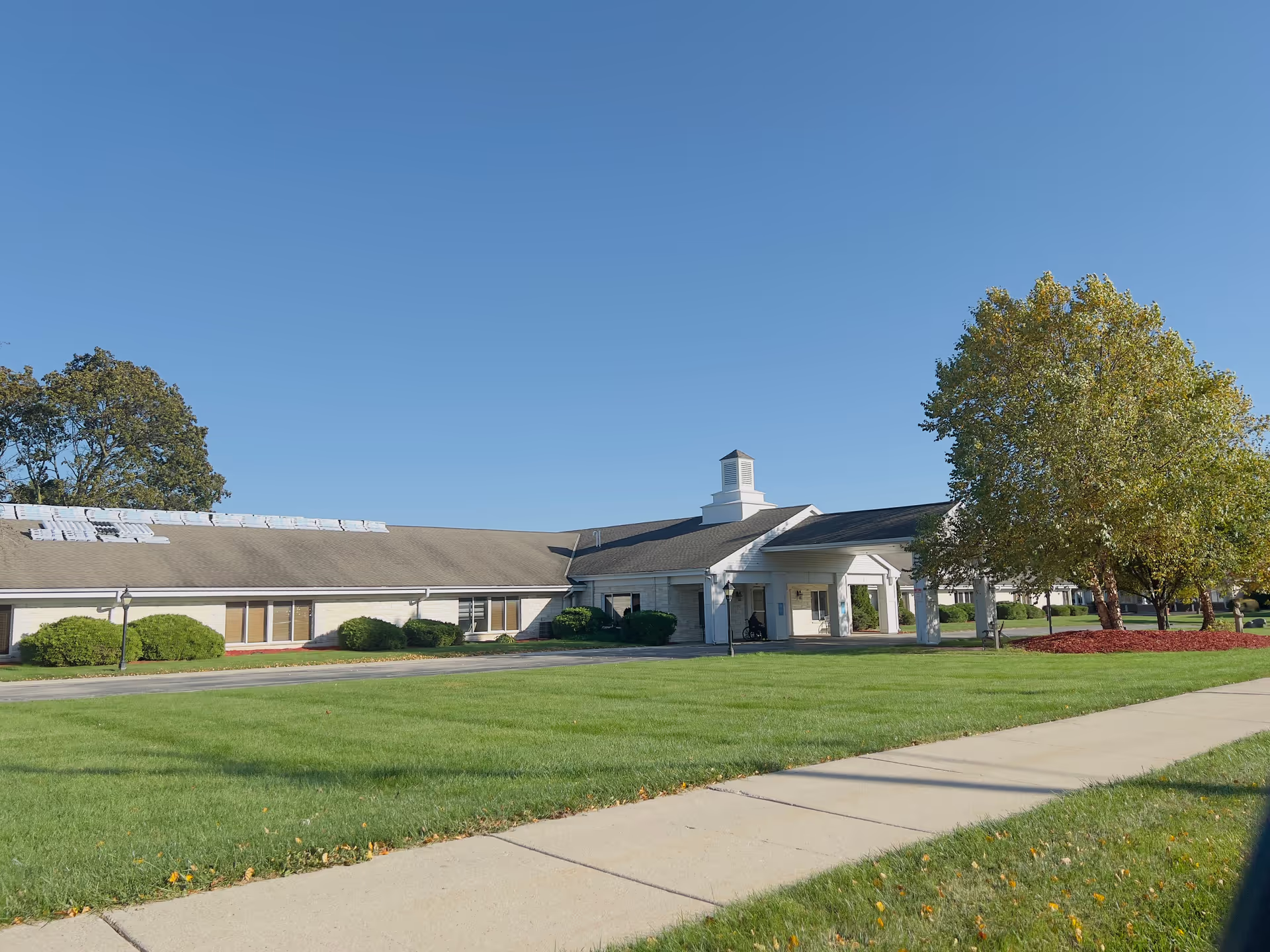
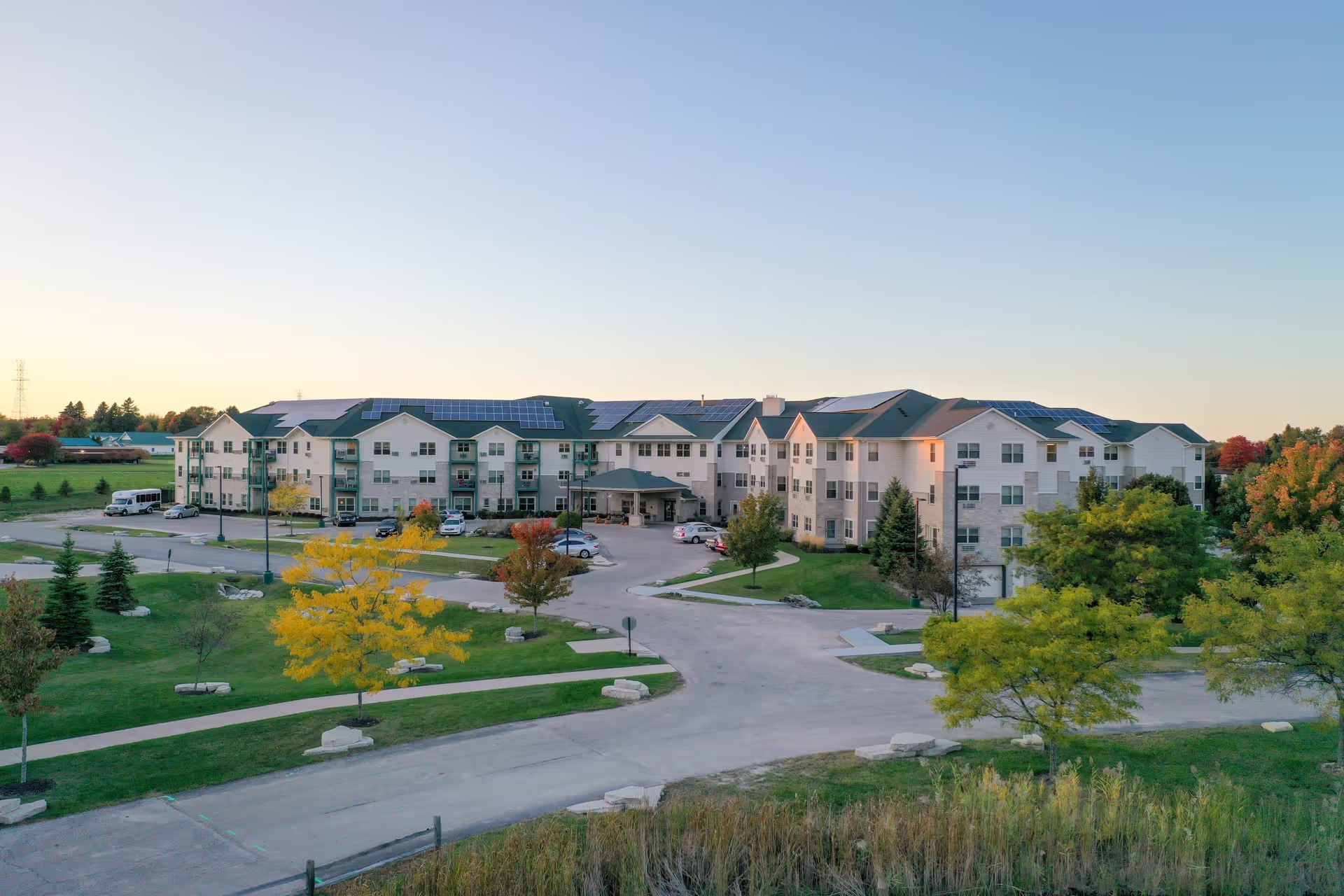
The physical plant and accommodations are mixed. Some reviewers describe a newer building with comfortable room sizes, elevators, whirlpool amenities, and family visiting areas. Others note limitations such as a layout adapted from a previous use (former school), a relative scarcity of private rooms and independent-living units, and some rooms lacking windows. Cleanliness and odor control were raised as concerns in certain areas, so environmental standards appear variable.
Management and organizational practices present important contrasts. Some families report personable, proactive administration and visible investment in staff education under new ownership. Conversely, other accounts describe unprofessional conduct by management, insensitive admissions/tour interactions, breaches of confidentiality and workforce-practice concerns, and perceived prioritization of finances over resident experience. There is also mention of a past allegation of serious misconduct; prospective families should review any available regulatory records and ask management directly about the facility’s incident-reporting and corrective-action processes.
Overall, Country View may suit families seeking a smaller assisted-living environment with active staff involvement, therapy access, and regular programming — particularly where room configuration and amenities match the resident’s needs. However, the facility shows variability in staffing consistency, clinical practices, environmental maintenance, and management responsiveness. Prospective residents and families should perform an in-person tour that includes direct observation of staff–resident interactions, questions about staffing levels and training, review of recent inspection or complaint history, clarification on private-room availability and transfer protocols, and a discussion of how the facility communicates incidents to families.