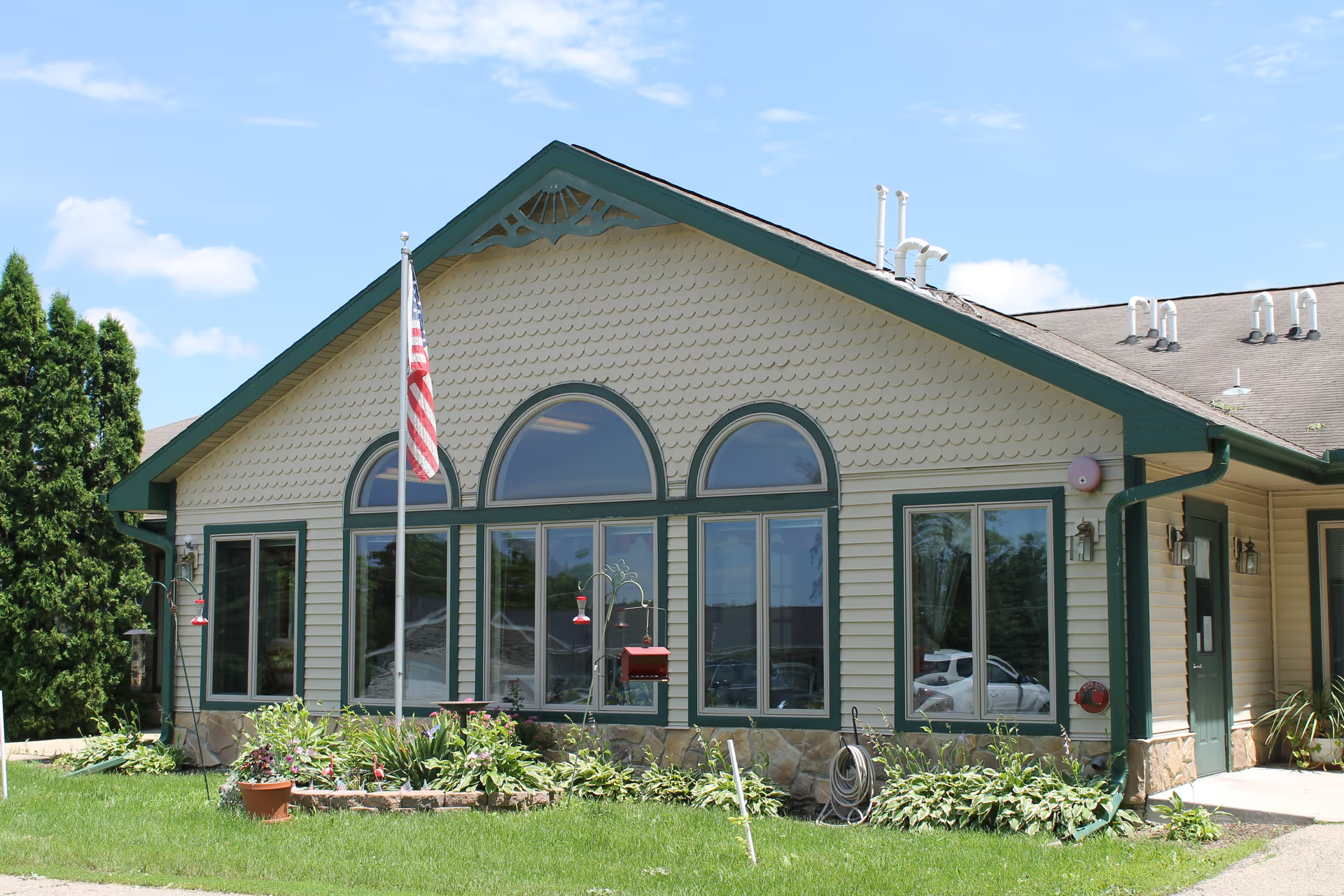
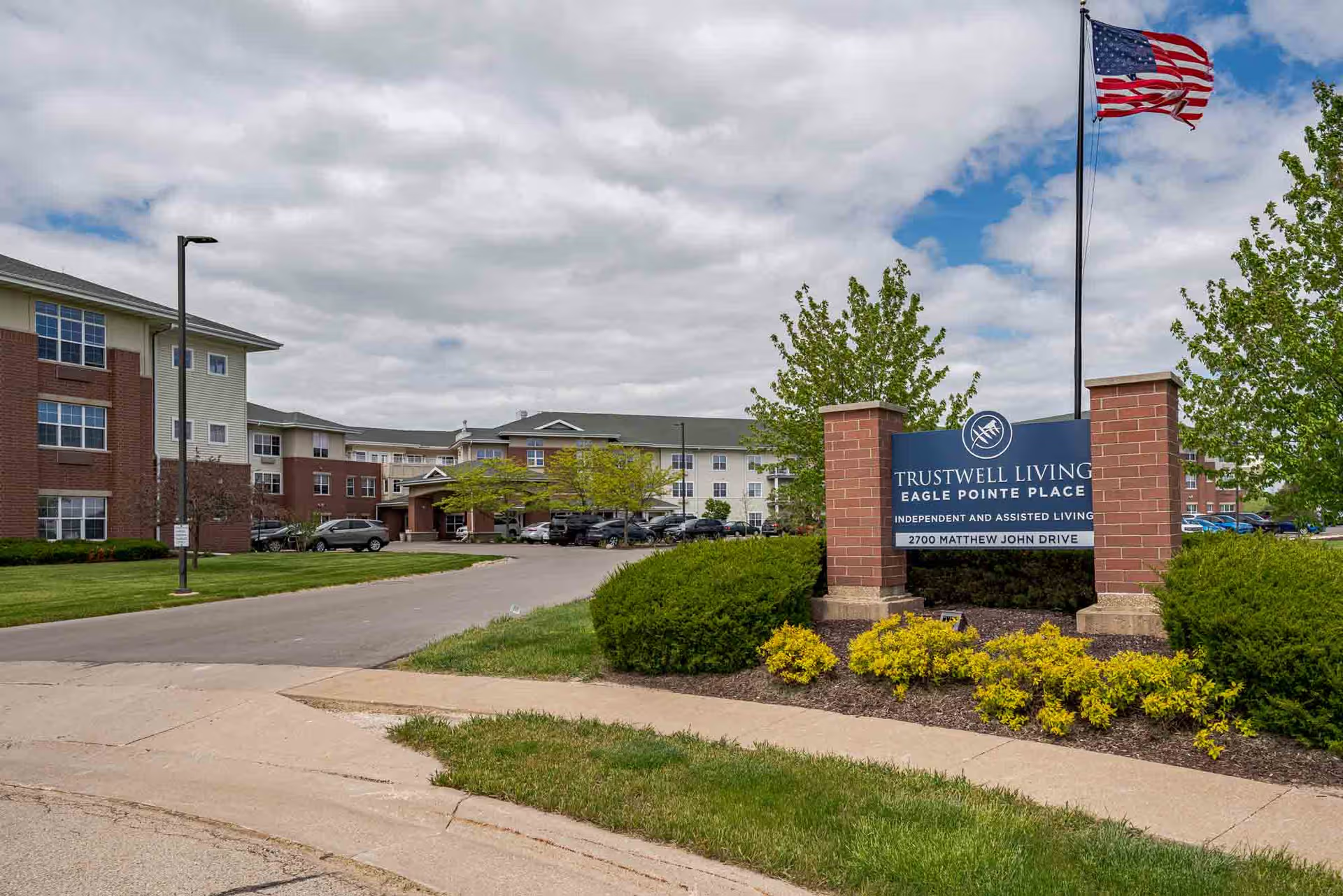
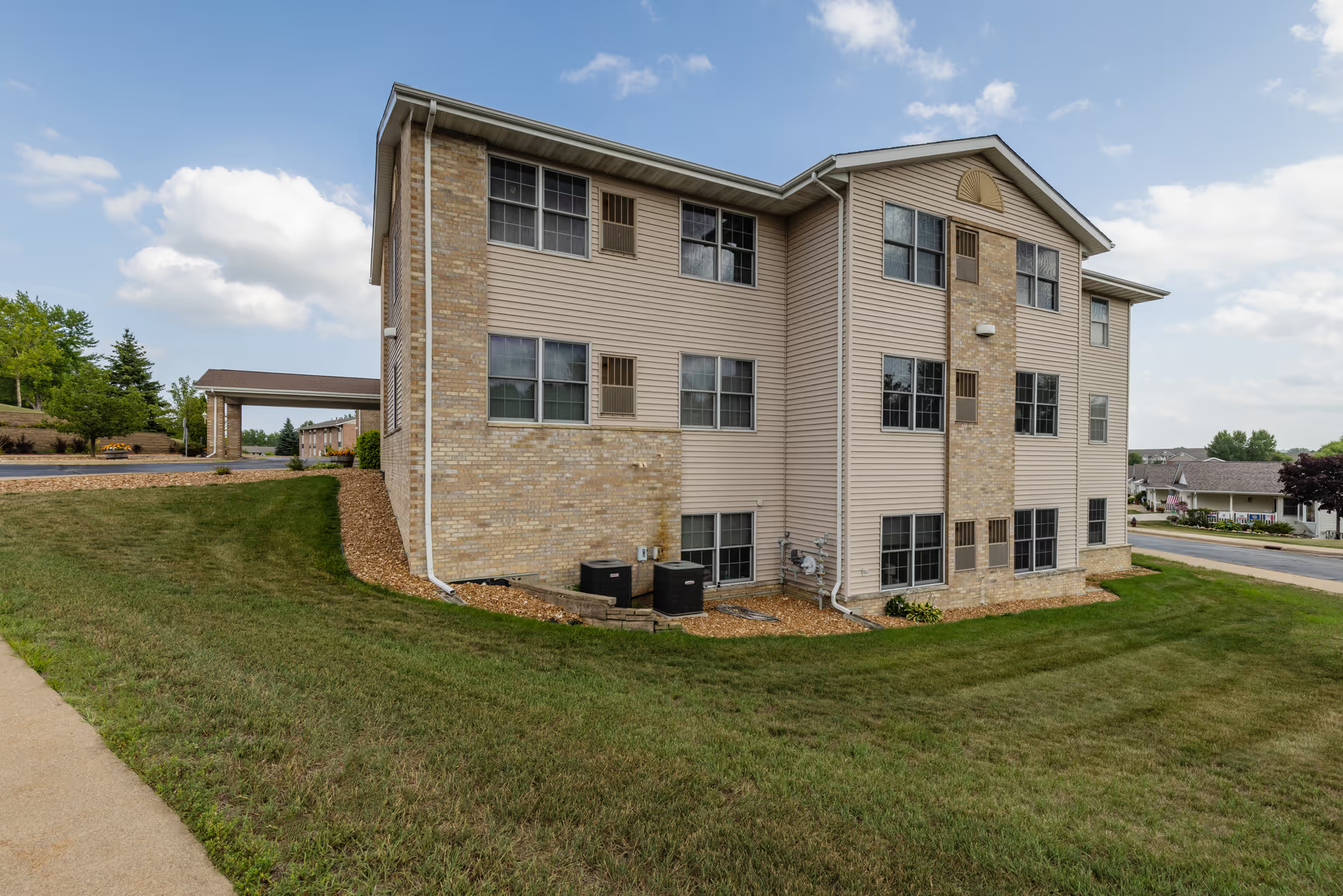
Reviews present a mixed but informative picture: many families and residents praise the facility's strong rehabilitation program, clinical capability for complex post‑operative needs (including IV therapy and bariatric recovery), and an overall clean, modern environment. Repeated positive comments focus on a therapy department that achieves good return‑to‑home outcomes, a dedicated caregiving staff that many describe as compassionate and team‑oriented, and a robust activities schedule that includes music, bingo, outings, and accessible common spaces such as a sunroom and large activities room.
Care quality is a clear strength in many accounts: therapists, admissions and discharge planners, and numerous caregivers receive high marks for responsiveness, clinical skill, and helping residents regain function. The facility is noted as suitable for both short‑term rehabilitation and longer‑term residence when care needs are met. At the same time, feedback also highlights variability in day‑to‑day clinical operations. Concerns center on inconsistent staffing levels and turnover, delays in responding to call lights and bathroom needs, and gaps in supervision and transfer‑safety practices. These operational weaknesses have been linked in some accounts to safety and monitoring problems and to uneven experiences between shifts or units.
Dining and activities are frequently described as positive contributors to resident quality of life: organized events, holiday outings, regular social programming, and daily linen service are consistently mentioned as strengths. Food quality descriptions vary; while some reviewers found meals excellent, others characterized the cuisine as institutional in style. Prospective residents should clarify meal options and special dietary accommodations during intake.
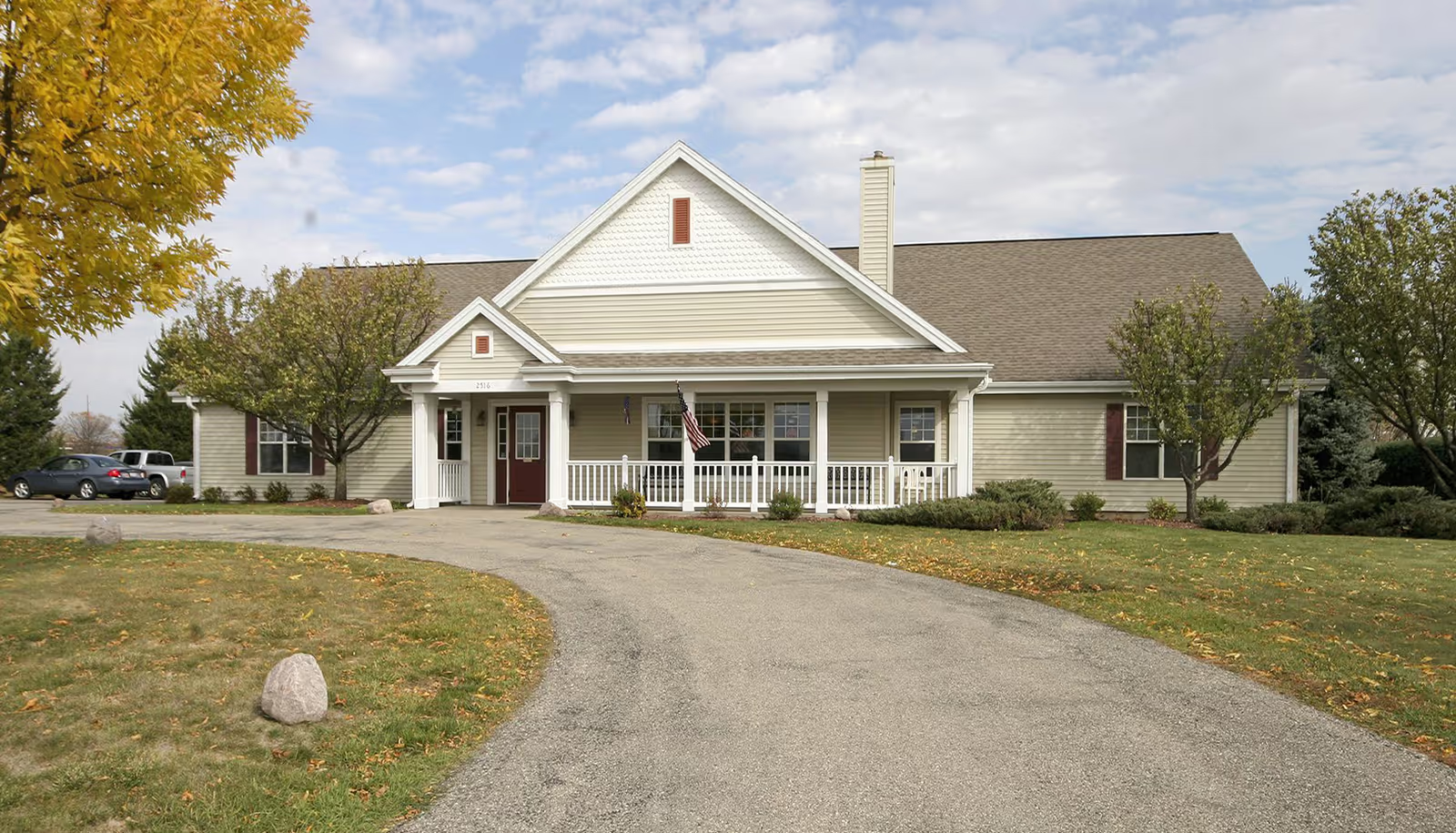
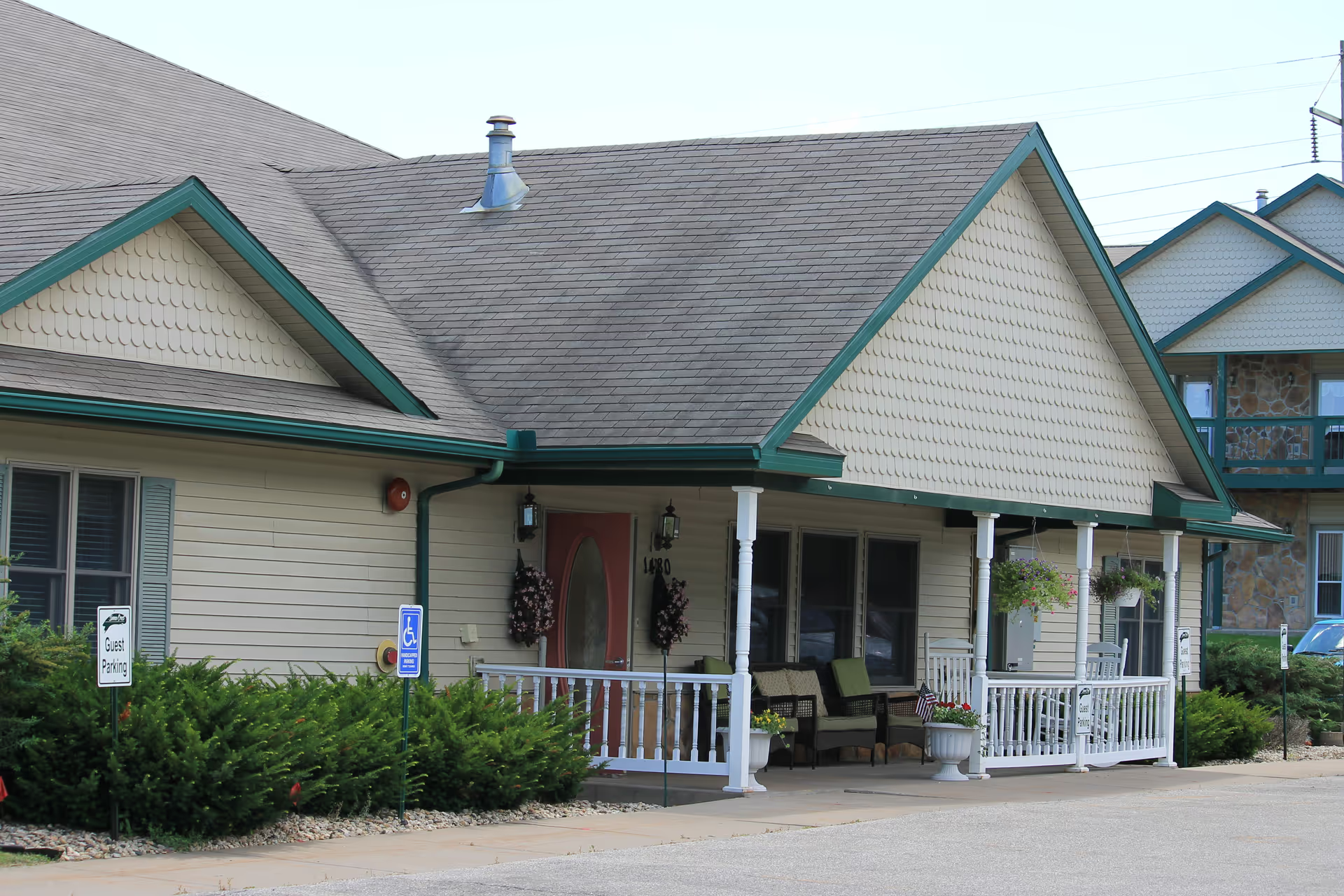
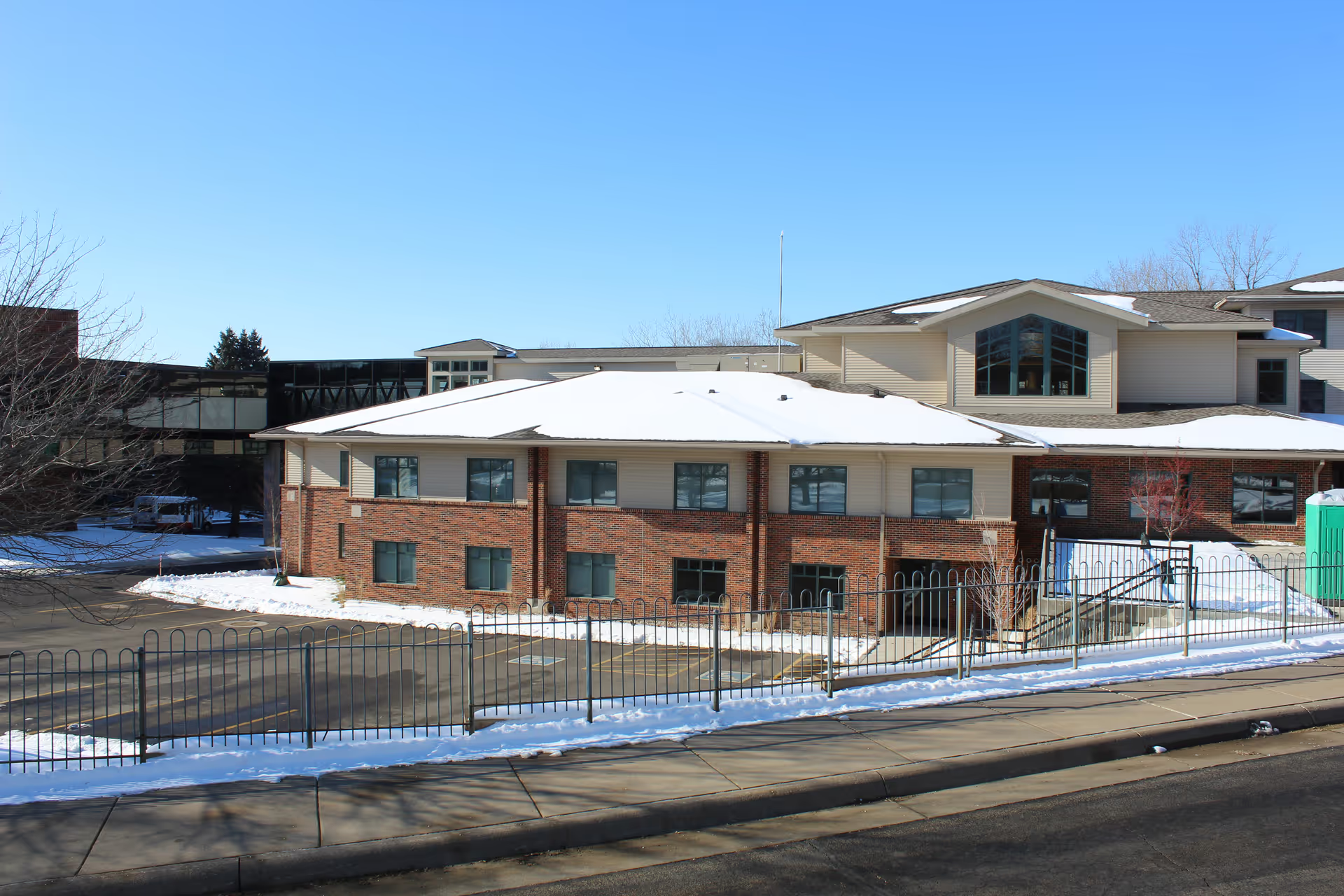
The physical plant is generally praised for being clean, modern, and well maintained, with pleasant common areas and outdoor space. However, resident rooms are commonly described as relatively small and darker than the public spaces, which may affect residents who prioritize private room size or natural light. The facility's size (approximately 99 beds) and layout mean resident experience can differ by unit and staffing pattern.
Management and regulatory patterns warrant careful consideration. Feedback indicates variable administrative engagement — some families describe active, helpful leadership, while others report limited interaction from management and slow responsiveness to concerns. Most notably, the facility has documented regulatory deficiencies (19 on a state survey), which indicates areas requiring corrective action; prospective families should request the facility’s corrective action plan and follow‑up outcomes.
Bottom line: Edenbrook Platteville appears to offer strong rehabilitative services, capable clinical care for complex needs, and an engaging, homey community for many residents. However, there are operational and oversight inconsistencies—staffing stability, responsiveness, clinical communication, room size/lighting, and documented regulatory deficiencies—that prospective residents and families should evaluate. Recommended pre‑admission questions include current staffing ratios and turnover, fall‑prevention and alarm‑response protocols, the status of corrective actions from the state survey, therapy goals and communication pathways with physicians, and room availability/lighting options.