Overall impression Our House Senior Living - Platteville Assisted Care is described by families and visitors as a small, home-like community with a strong emphasis on personalized caregiving and a supportive staff culture. Reviewers frequently cite an experienced RN director and visible leadership presence, ongoing staff education, and regular psychiatry rounds as indicators of clinical oversight. Many comments highlight staff kindness, attentiveness, and a welcoming atmosphere that contributes to a positive environment for residents and employees alike.
Care and staff Care quality is a consistent strength in the feedback: caregivers are characterized as patient, detail-oriented, and engaged with residents. The facility's clinical leadership and psychiatry involvement suggest an organized approach to medical and behavioral needs appropriate to the population served. At the same time, a subset of observations point to variability in staff responsiveness and helpfulness; prospective families may want to ask about staffing ratios, shift coverage, and communication protocols to assess consistency during visits.
Dining and activities Meal service receives positive comments, with nutritious options and attention to breakfast noted specifically. Activities are frequently described as varied and well-run, with many reviewers praising the range and frequency of programs that foster participation and social connection. However, there are indications of uneven resident engagement in daily activities—some residents are very involved while others appear less active—so evaluating schedule flexibility and individualized activity plans may be useful for families.
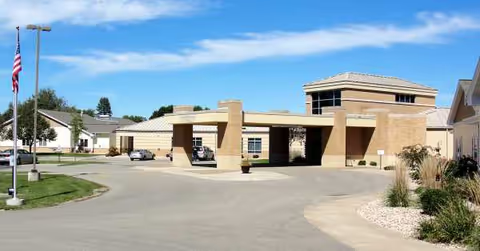
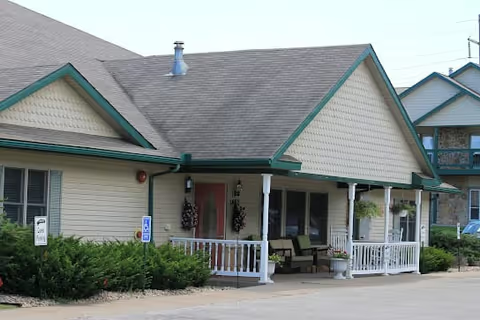
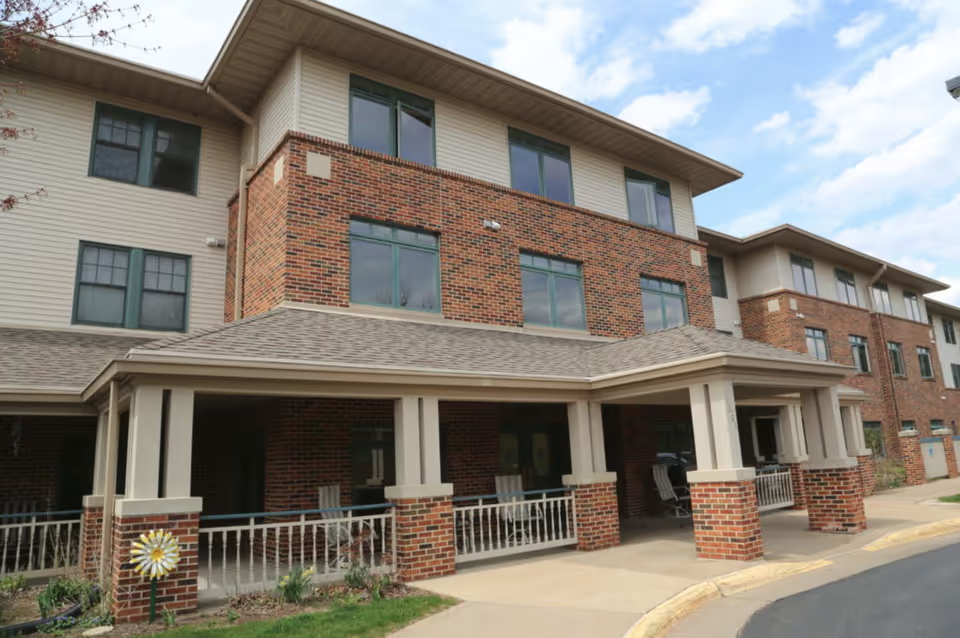
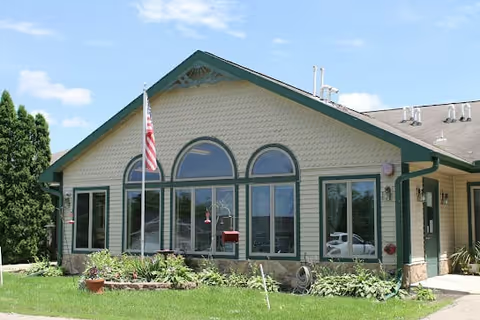
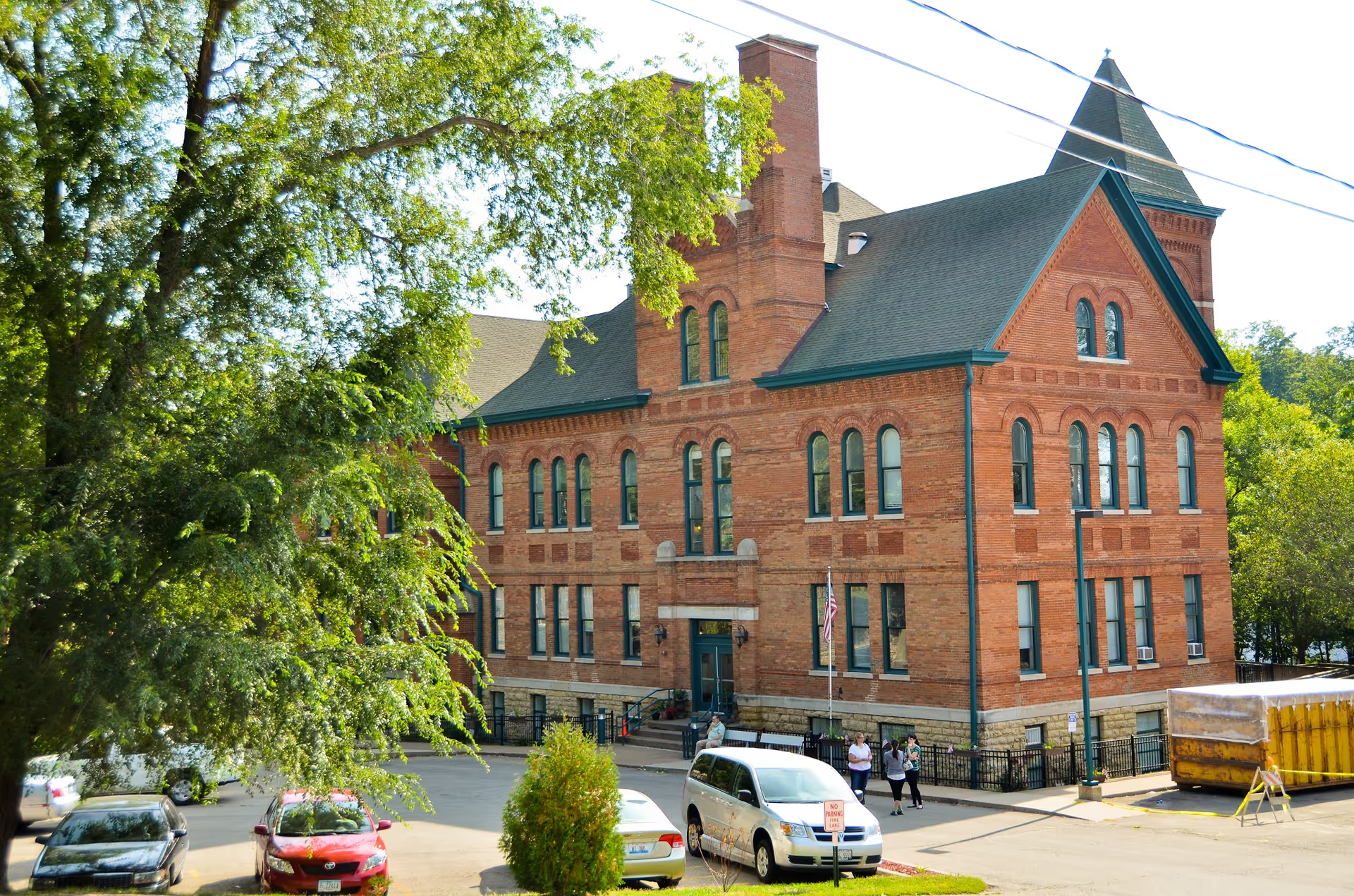
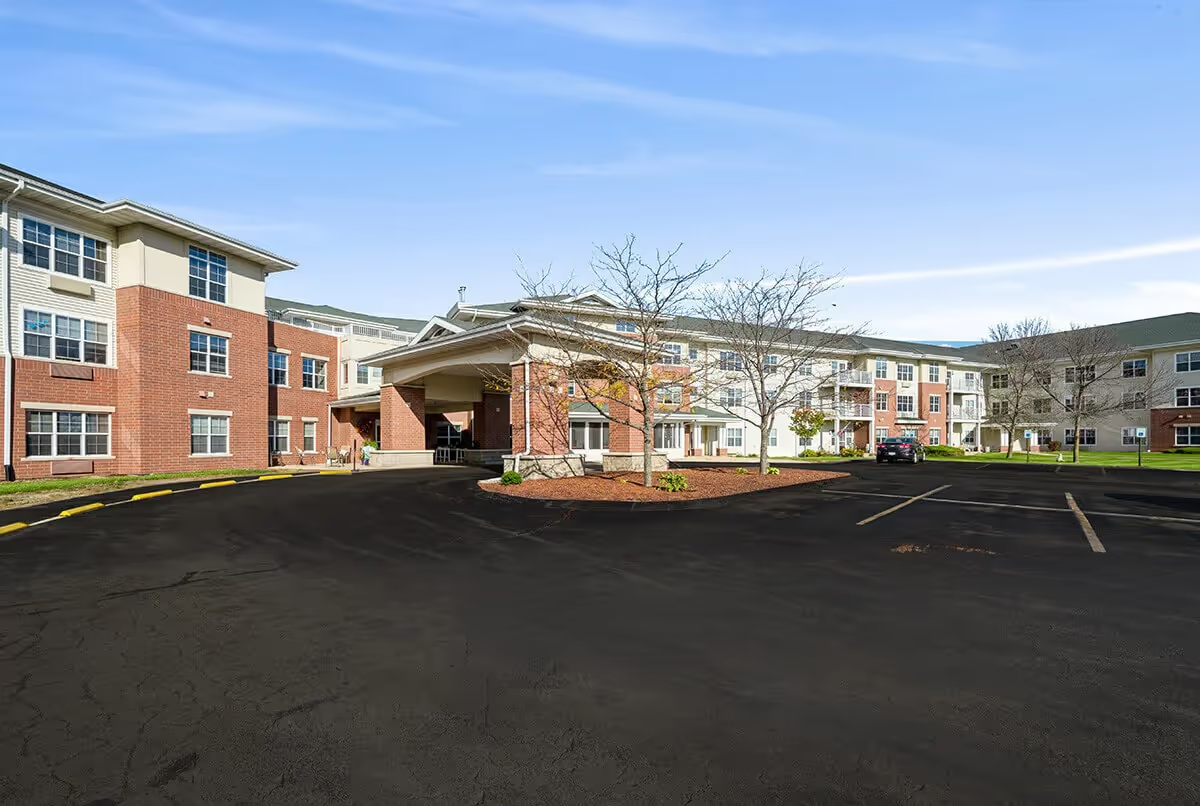
Facilities and operations The physical facility is generally portrayed as well-maintained, cozy, and laid out to feel residential rather than institutional. That said, there are some sanitation and odor concerns referenced in a small number of accounts; this suggests possible variability in housekeeping or odor-control practices in communal spaces. Operationally the community is often at high occupancy, which can limit immediate availability. Additionally, the community appears to focus on residents with early-stage memory impairment, which may be a benefit for families seeking that level of support but a limitation if higher-acuity care is required.
Management and notable patterns Leadership and the director receive repeated praise for visibility and engagement; reviewers perceive an invested management team and a positive workplace culture. The notable patterns to weigh are the combination of strong hands-on caregiving and clinical oversight alongside occasional inconsistencies in cleanliness and staff responsiveness, and the practical limitations of occupancy and resident-acuity acceptance. Prospective residents and families should consider touring the community, asking about current occupancy, housekeeping protocols, staff turnover, and the scope of memory-care services to determine fit.