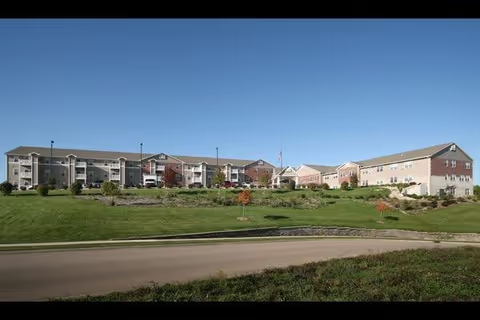
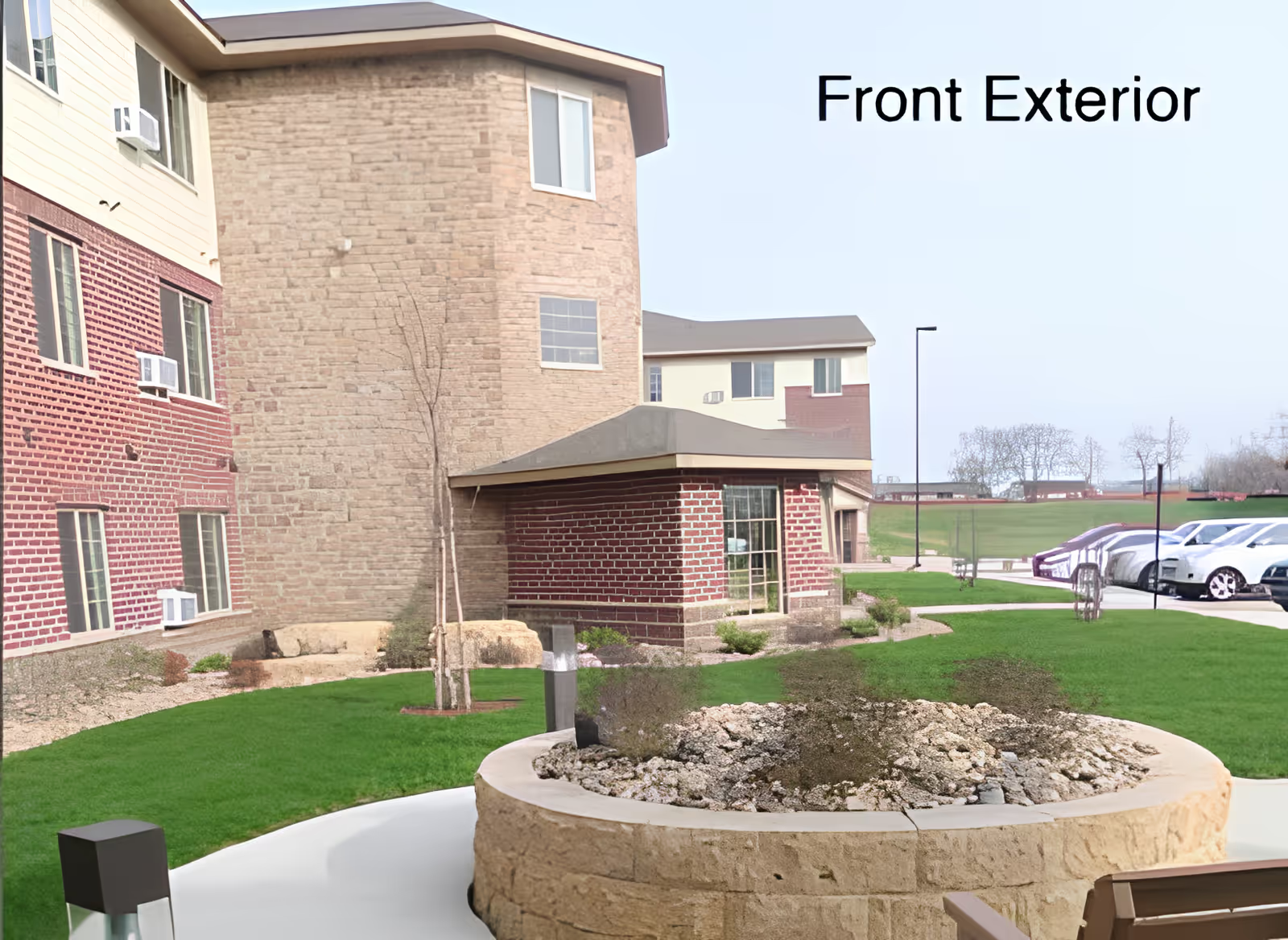
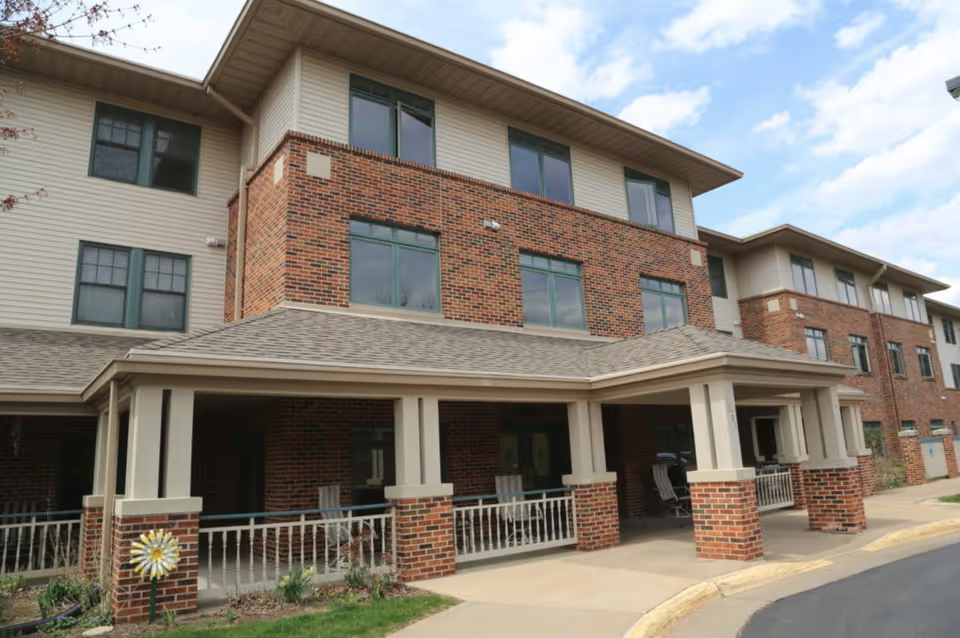
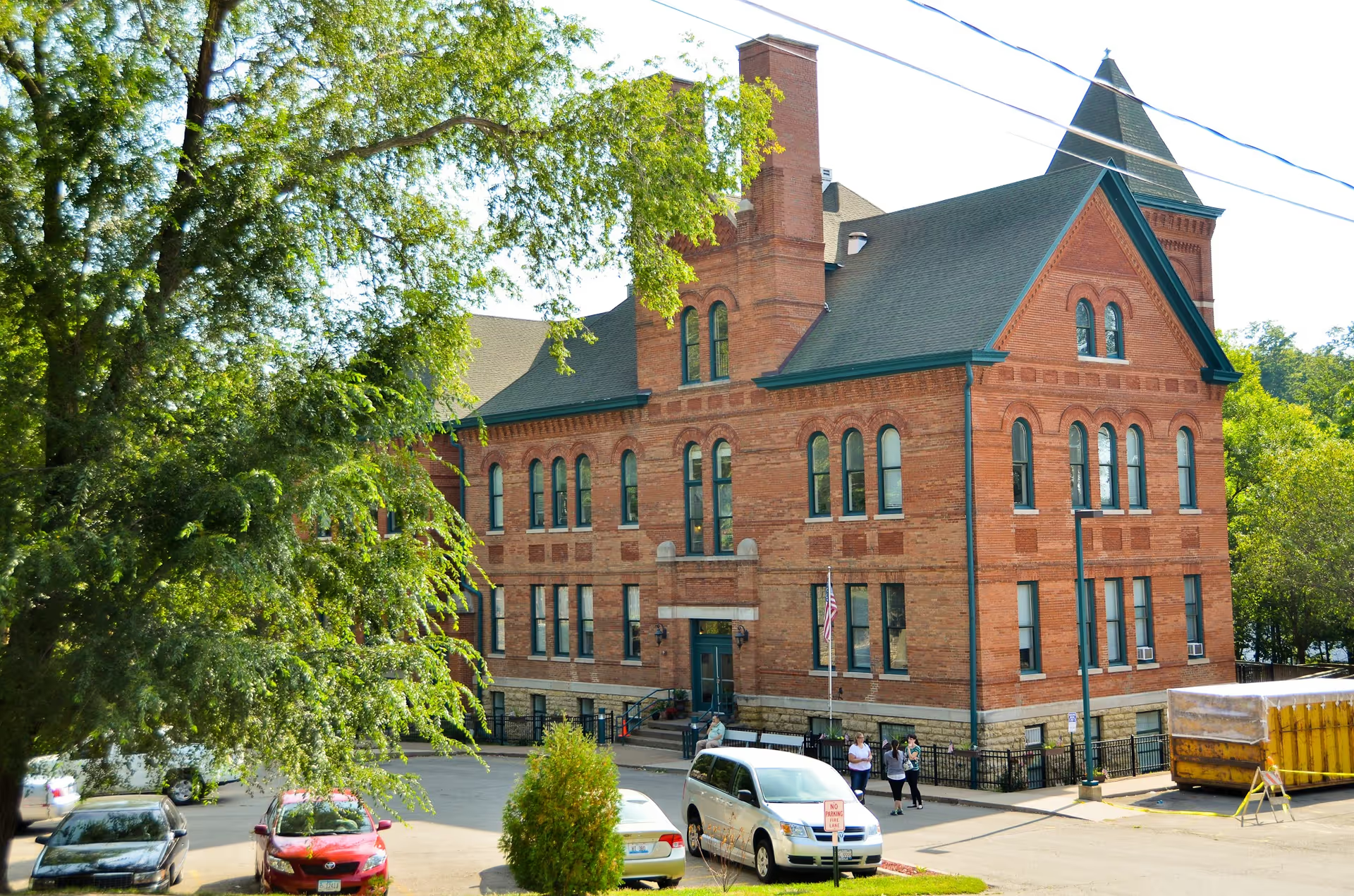
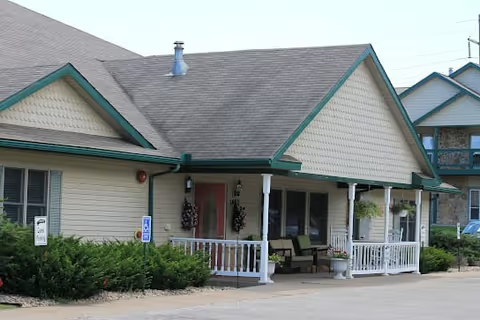
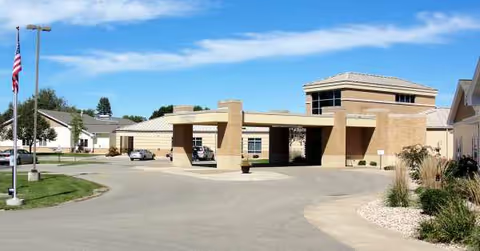
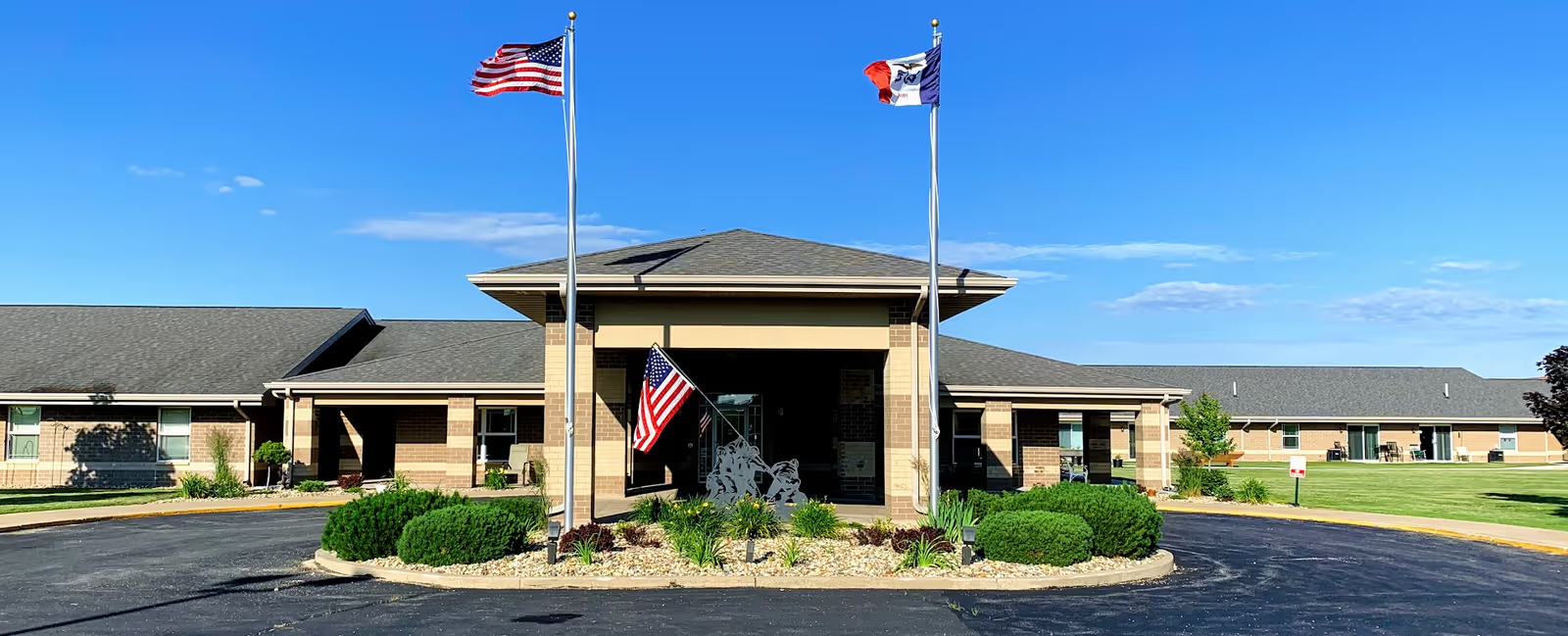
Eagle Pointe Place is described as a large, well-maintained community with a bright, homey atmosphere and substantial social programming. Reviewers consistently praise the facility’s physical setting — attractive common areas, outdoor patios and garden spaces, and a range of apartment sizes — as well as amenity offerings such as an on-site salon, therapeutic pool, and included housekeeping/laundry. The community’s proximity to shopping and its transportation services for appointments and outings are also seen as practical advantages.
Staff and clinical care are a mixed picture. Many families highlight compassionate, relationship-focused caregivers, attentive front-desk and admissions staff, weekday RN coverage, and effective day‑time assistance with medications and activities. Those strengths support a social, engaging environment with numerous musical events, happy hours, exercise classes, and daily activities that residents find meaningful. At the same time, reviewers identify operational weaknesses that affect clinical continuity: frequent staff turnover, inconsistent night-time clinical coverage, and gaps in escalation or emergency response processes. Several accounts describe delayed clinical attention or confusion during acute events, and these have contributed to concerns about safety and reliability for higher-acuity needs.
Dining and programming receive contrasting feedback. Activity programming, especially live music, recreational outings, and water-aerobics, is frequently singled out as a major positive and a driver of resident satisfaction. Meals and dining service generate more varied opinions: some guests appreciate the community meals and variety, while others find portion sizes, temperature, and menu variety inconsistent and not always suitable for residents with specific dietary or age-related needs. Weekend programming and activity continuity occasionally appear limited, creating variability in resident engagement depending on timing and staffing.
Facility operations and management present a recurring theme. Families note strengths in admissions and certain long‑term staff who build strong resident relationships, but they also describe inconsistent communications about care plans, billing, and monitoring-service contacts. There are multiple references to strict infection-control and visitation policies during public-health events, sometimes experienced as inflexible, and to adversarial handling of move-outs or discharge processes. Reviewers also raise concerns about billing transparency, extra fees, and perceived corporate priorities. Accessibility within the large building is mentioned as a practical concern for some residents because distances to elevators, dining, and activities can be considerable for those with limited mobility.
Overall, Eagle Pointe Place appears to offer a warm, activity-rich community with many amenities and caring staff members who foster social connection. However, prospective residents and families should evaluate clinical needs and management practices carefully: ask specific questions about night staffing and emergency protocols, memory-care options, meal accommodations, move-out policies, billing details, and the facility’s approach to staff retention and family communication. Experiences vary, with several families noting clear improvements over time, while others highlight operational gaps that matter for residents with higher medical or cognitive needs.