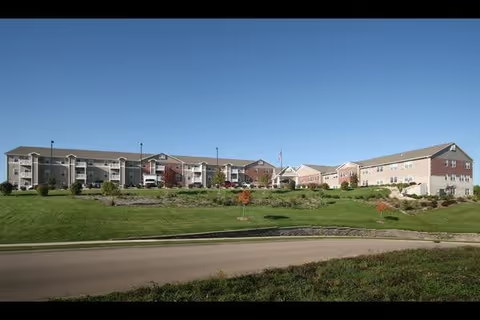
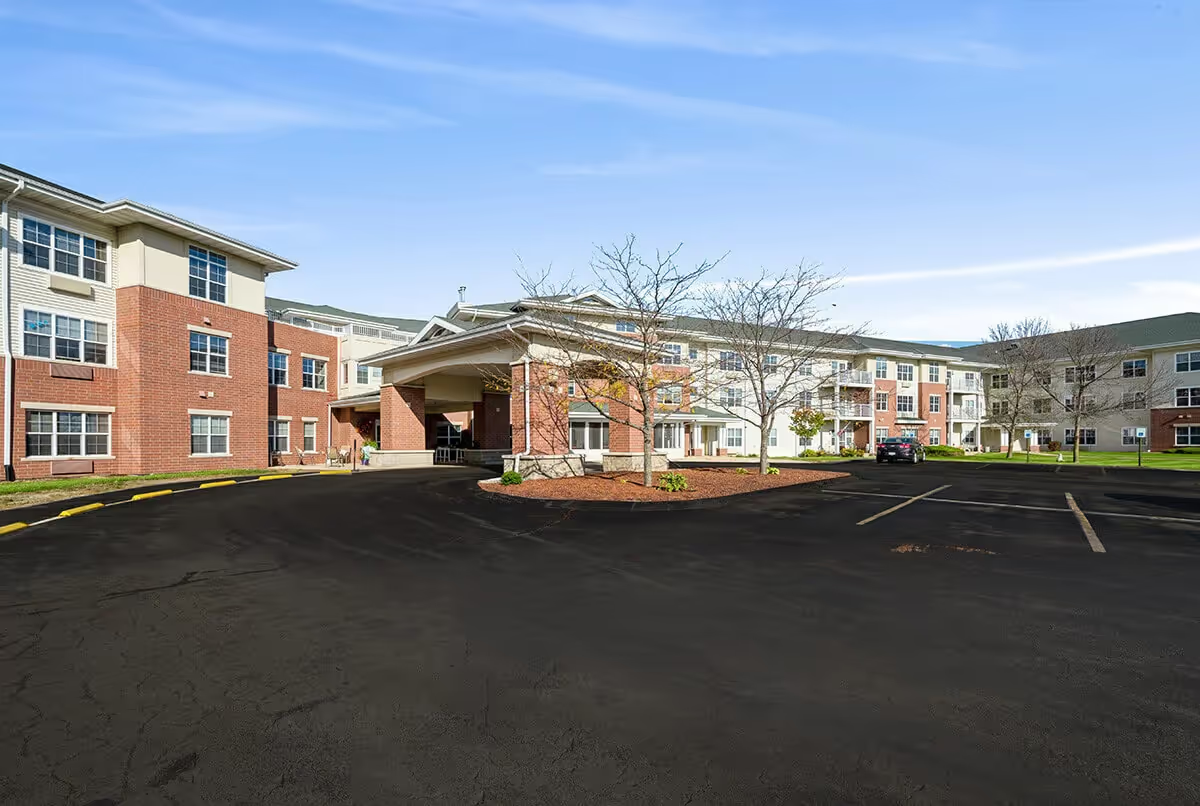
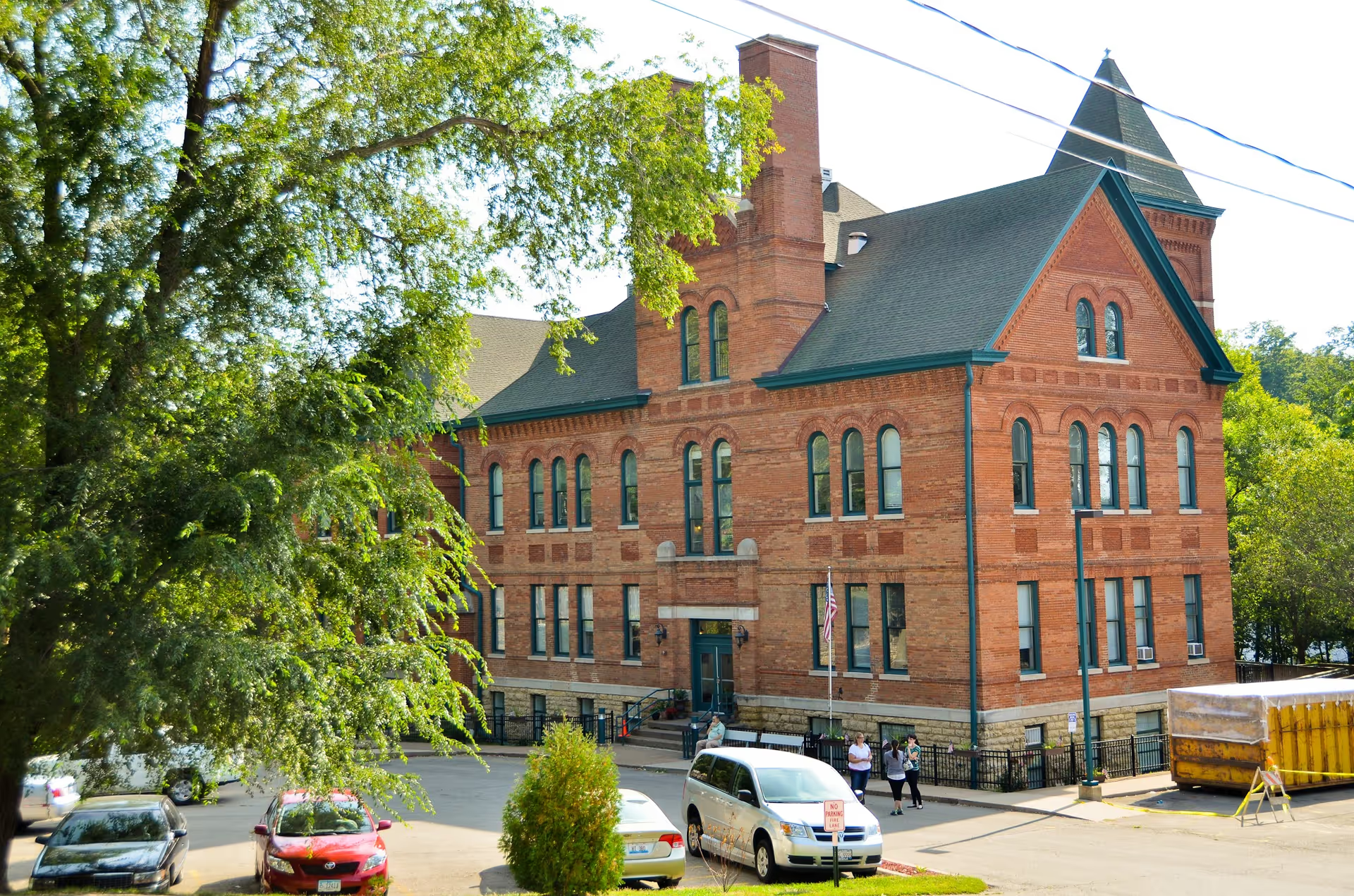
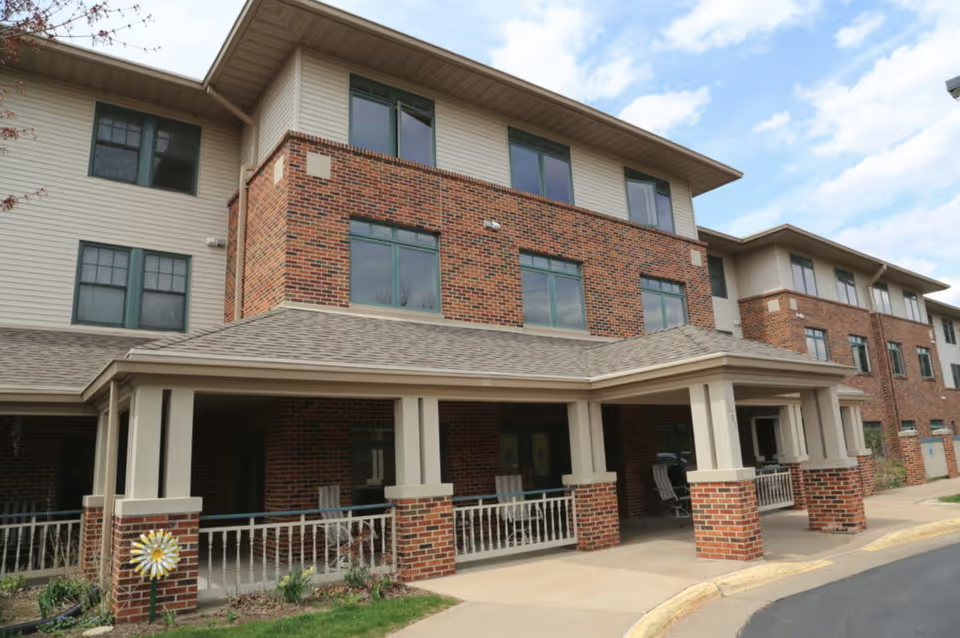
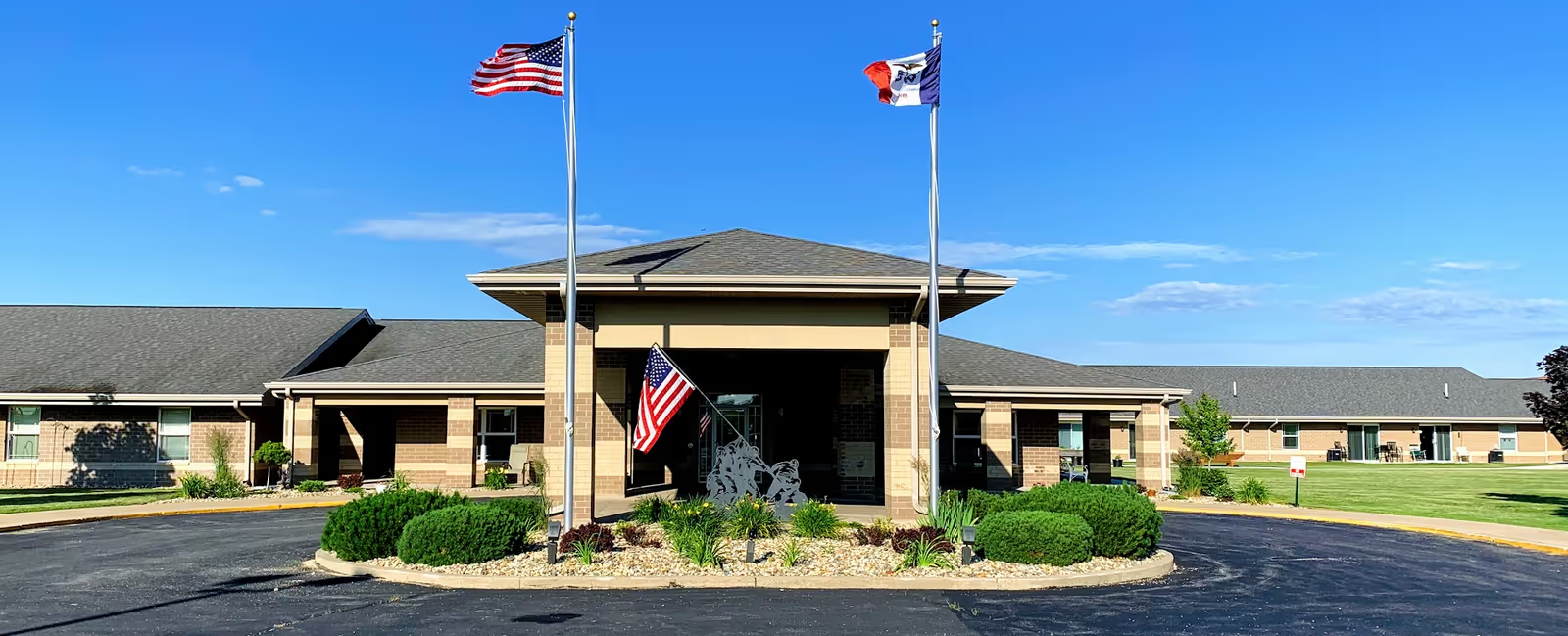
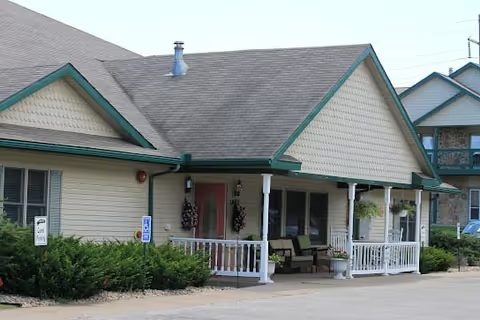
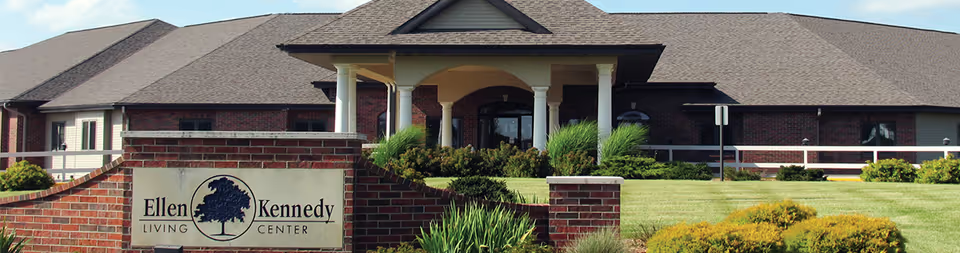
The Rose of Dubuque presents as a well-maintained independent-living community with an attractive physical plant and active social programming. Reviewers consistently describe the building and apartments as impressive and clean, and they note outdoor amenities such as garden seating. The facility appears oriented toward residents who are largely independent but appreciate on-site supports and conveniences rather than high-acuity medical care.
Staff interactions are a consistent strength in the reviews. Many accounts emphasize friendly, compassionate employees and a generally welcoming resident population. Families and prospective residents described feeling reassured and relieved by the admissions process and by staff demeanor; several comments specifically praise the administrator for being caring and confident. These observations suggest strengths in day-to-day resident interaction and in the social environment.
Dining is an area of notable variability. Some reviews describe the food and dining services as excellent, while others characterize meals as unacceptable. The aggregate impression is of uneven meal quality and differing resident satisfaction with menu offerings and preparation. For prospective residents, this indicates a need to sample meals and ask management about menu cycles, accommodations for preferences, and meal service policies prior to making a placement decision.
Activity programming is another positive theme. Reviews reference many scheduled activities, special projects, games, and recreational options that provide engagement and structure for residents. The presence of varied programming and opportunities for social interaction aligns with an environment that supports independent living and social wellbeing.
Management and policy enforcement generate mixed impressions. While some reviewers find the administration reassuring and accommodating, others describe a more controlling or authoritarian management style and strict enforcement of rules. A few comments indicate that certain interpersonal techniques used by leadership are perceived as infantilizing by residents or families. These contrasting perspectives point to variability in how management communicates and applies policies, and they may affect how comfortable residents feel with autonomy and daily routines.
Overall patterns indicate a community that excels at social environment, cleanliness, and activity offerings, and that is appropriate for older adults who can live with minimal-to-moderate assistance. The most consistent operational concerns to probe during a visit are dining quality and management style — both of which appear to produce polarized experiences. Recommended due diligence for prospective residents: schedule a meal sample, observe interactions between staff and residents, review resident rules and contract language about autonomy, and discuss the facility’s capacity to meet higher-dependency care needs if that is a potential future requirement.