Overall impression: Milestone Senior Living Rhinelander presents a mixed picture. Many families and visitors describe a pleasant, well-kept community with active programming and staff who are kind and helpful. At the same time, recurring operational weaknesses — especially around staffing, care-plan follow through, and administrative responsiveness — generate significant variability in resident experience.
Care and clinical concerns: Strengths include attentive direct-care interactions and the facility's ability to respond to acute medical needs. However, reviewers consistently describe inconsistent implementation of individualized care plans, lapses in scheduled personal care (including showering), and gaps in diet management for residents with specific medical needs such as diabetes. There are also cited gaps in coordination with hospice and external clinicians in some cases. These patterns suggest variability in clinical processes and handoffs rather than uniform clinical practice across the community.
Staff and conduct: Staff behavior is characterized in two contrasting ways. Numerous accounts emphasize compassionate, helpful, and knowledgeable aides and nurses who form strong relationships with residents and families. Others raise concerns about staff conduct, tone, and accountability, and note occasions when supervisors were not present or responsive. Chronic understaffing and uneven coverage were frequently mentioned and are likely contributors to delays in care and reduced staff visibility in parts of the building.
Dining and nutrition: The community provides three meals daily with a varied menu and some families praised the food quality. Yet, there are also reports of inconsistent adherence to special dietary needs, which indicates a need to clarify meal-planning and tray-delivery processes for residents with medical diets.
Activities and social life: Activity programming is a clear strength. Reviewers praise an engaged activities director, a range of offerings (exercise classes, Bingo, Bunko, crafts), special events (drive-through hero day, boat outings in the past), and dedicated activity rooms. Families value these opportunities and the overall social engagement available to residents.
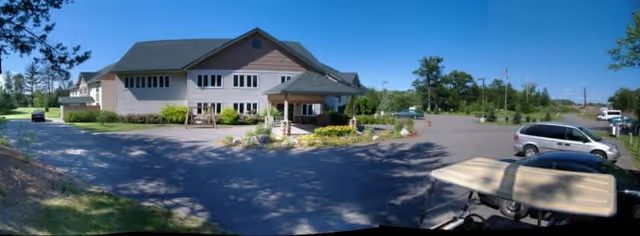
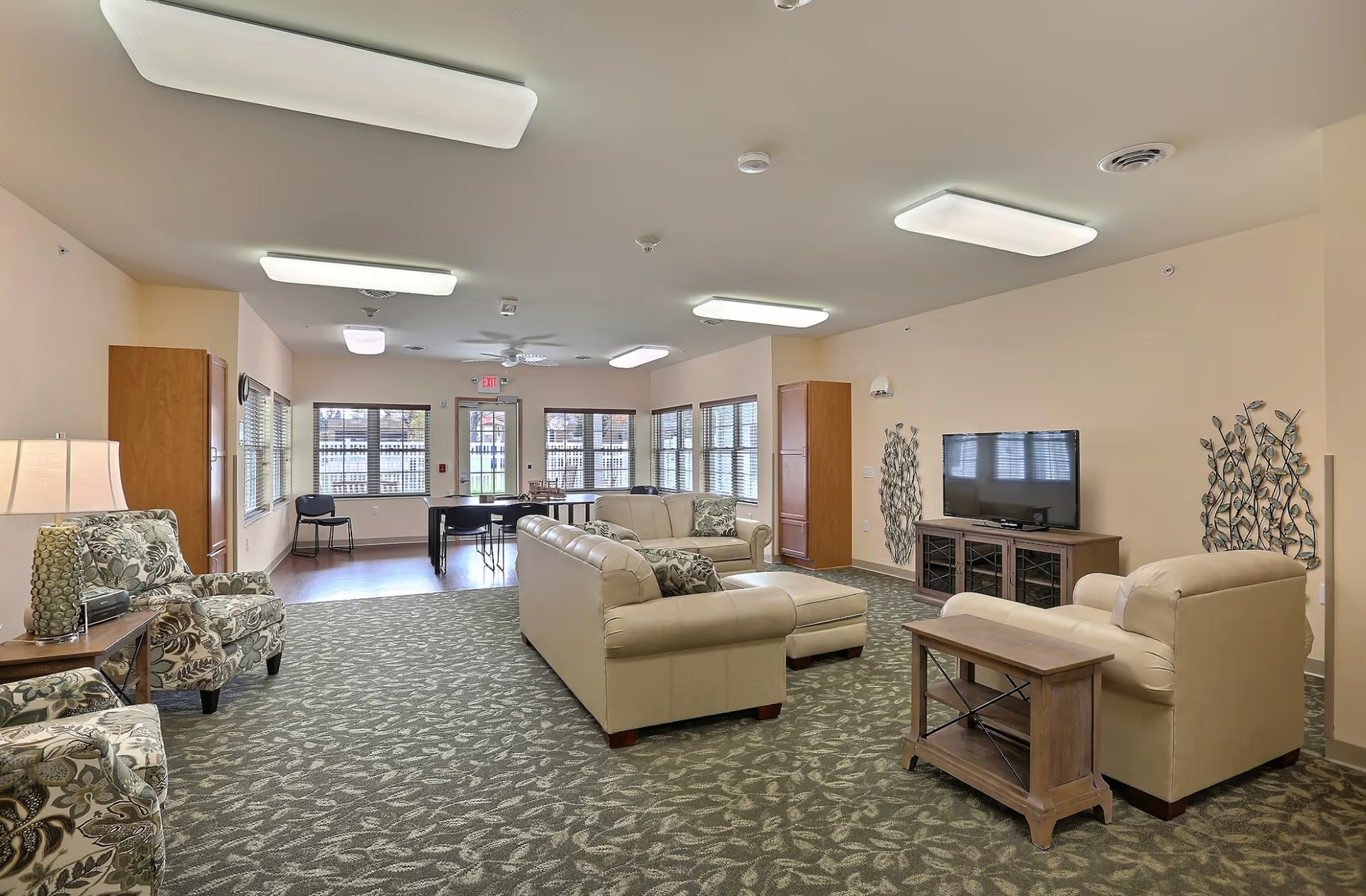
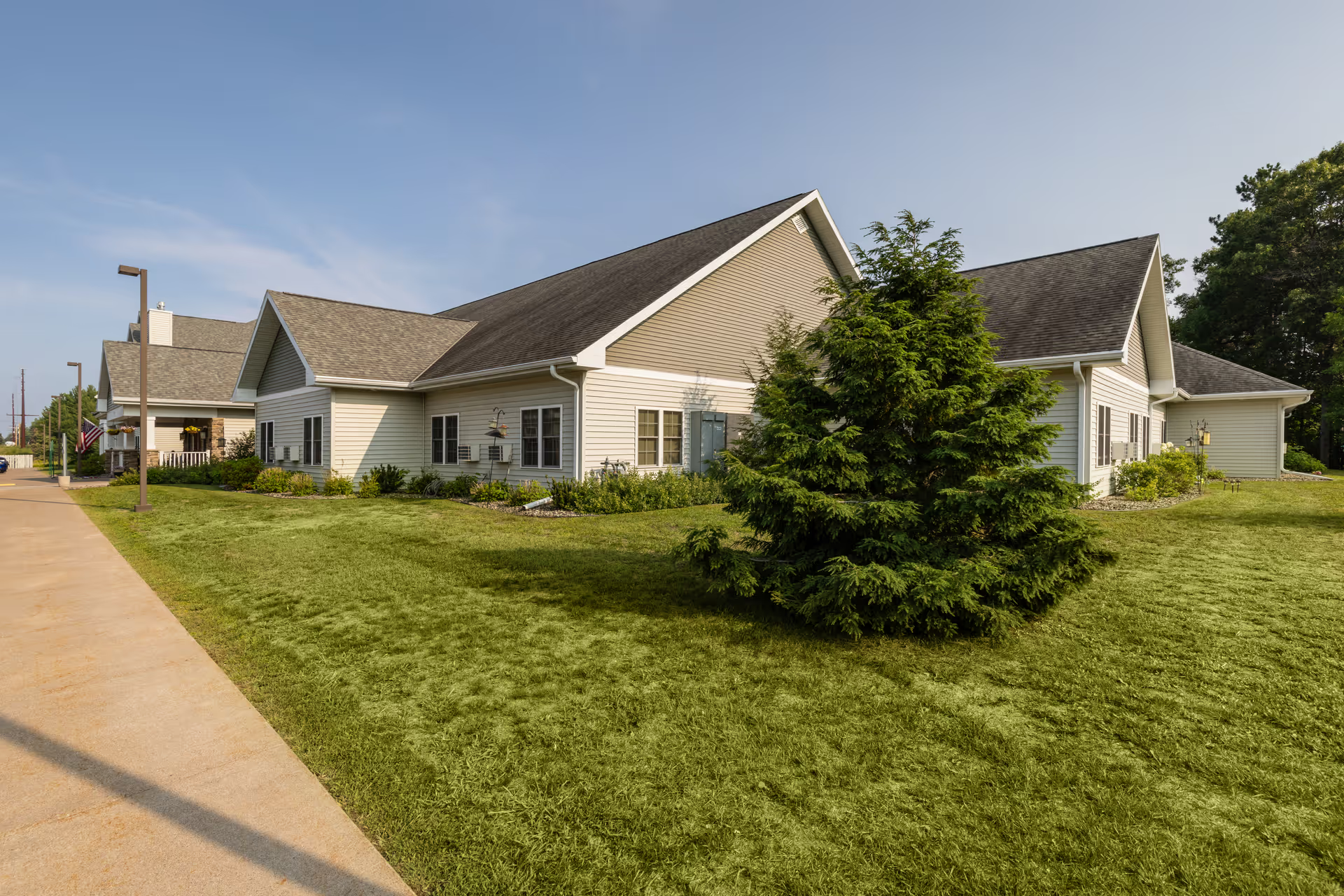
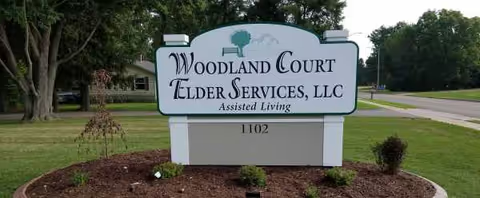
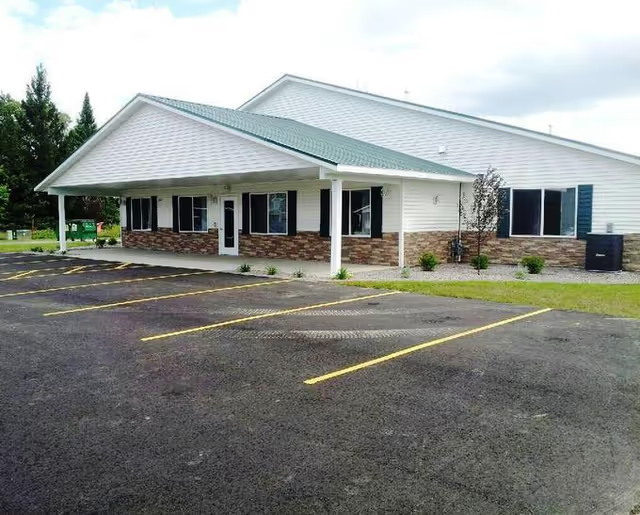
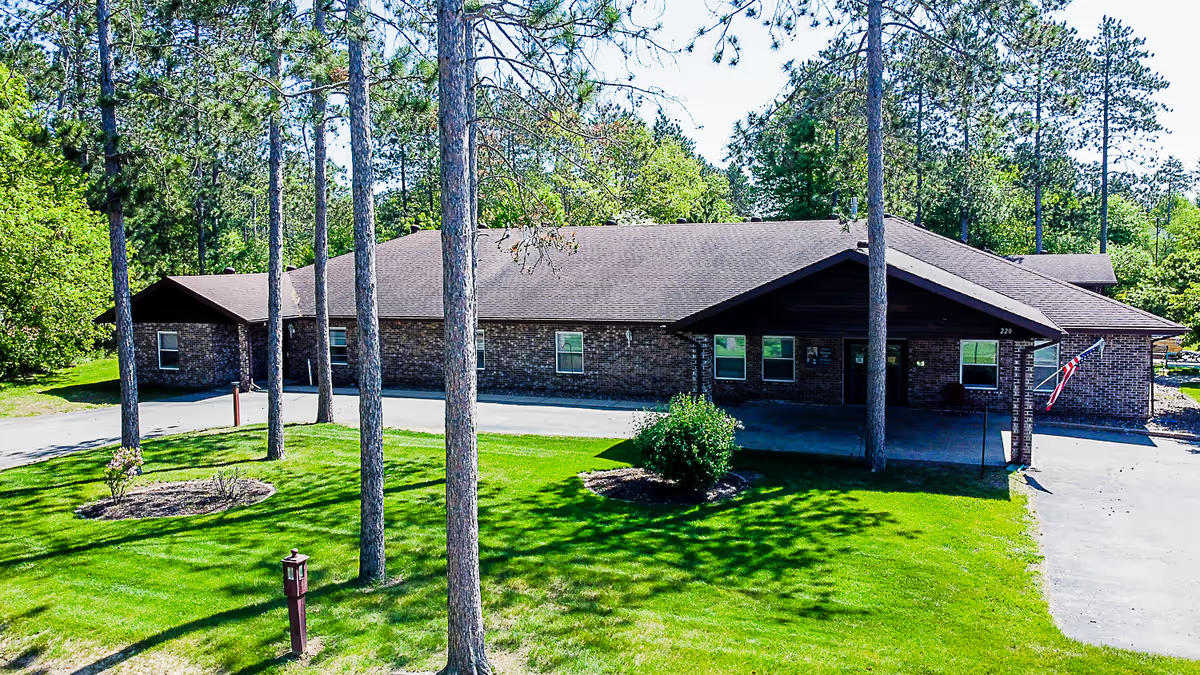
Facilities and environment: Many reviewers describe attractive, up-to-date interiors in parts of the building, brand-new furniture in some rooms, and well-maintained grounds and gardens. On-site amenities such as a salon, library, and laundry add convenience. However, there are reports of uneven room upkeep and worn furnishings in some units, plus sanitation and odor concerns in certain resident rooms or common areas, indicating inconsistent housekeeping standards across the property.
Management and administration: A recurring theme is limited administrative presence and responsiveness. Reviewers mention absent managers or empty offices, difficulty reaching administrators for questions, and a perception of weak supervisory follow-through when issues are raised. This gap in visible leadership appears linked to accountability problems and inconsistent resolution of family concerns.
Notable patterns and recommendations: The community earns repeated praise for its activities, grounds, and many frontline staff members, and several families describe excellent, even exceptional, care and responsiveness. At the same time, operational inconsistencies — staffing levels, care-plan adherence, communication with families, and variable housekeeping — create mixed outcomes. Prospective residents and families should tour multiple units, ask about current staffing ratios, review how care plans are updated and audited, inquire about dietary management processes, observe activity programming, and request contact procedures for escalation to administration. These checks can help align expectations with the specific unit and team that will be providing care.