Reviews indicate a mixed but informative picture. Strengths are concentrated in frontline caregiving and programming: many family members and residents describe staff as caring, patient, and attentive, with several accounts of staff going above and beyond. The activities program is frequently praised — an active director and daily programming, including holiday events and musical entertainment, are noted as positive contributors to resident engagement. Meals are generally described as well-balanced and attentive to dietary needs, and the facility offers some practical advantages such as clean, accessible rooms, walk-in showers, a responsive maintenance team, and a Medicaid transition option.
Care quality shows both positive and concerning patterns. On the positive side, reviewers highlight individualized attention, anticipatory care that fits resident schedules, and supportive hospice assistance from specific staff members. Conversely, a recurrent operational theme is understaffing and high turnover. Reviewers describe delays in assistance, inconsistent follow-through on personal-care tasks, and variable sanitation/incontinence-care practices. These staffing pressures are also tied to concerns about staff morale and administrative support for caregivers.
Safety and management are areas with notable variability. Several comments indicate gaps in supervision and safety protocols for residents with cognitive impairment, including instances where residents with dementia were able to leave secure areas; families also described a serious incident involving staff conduct that raised concerns about management response. Communication with families is inconsistent in some cases, including delayed or absent emergency notifications and dissatisfaction with administrative phone responsiveness. New ownership was mentioned as bringing an improved focus on resident welfare and staff quality by some reviewers, suggesting changes may be underway, but management responsiveness remains an area families advised to probe.
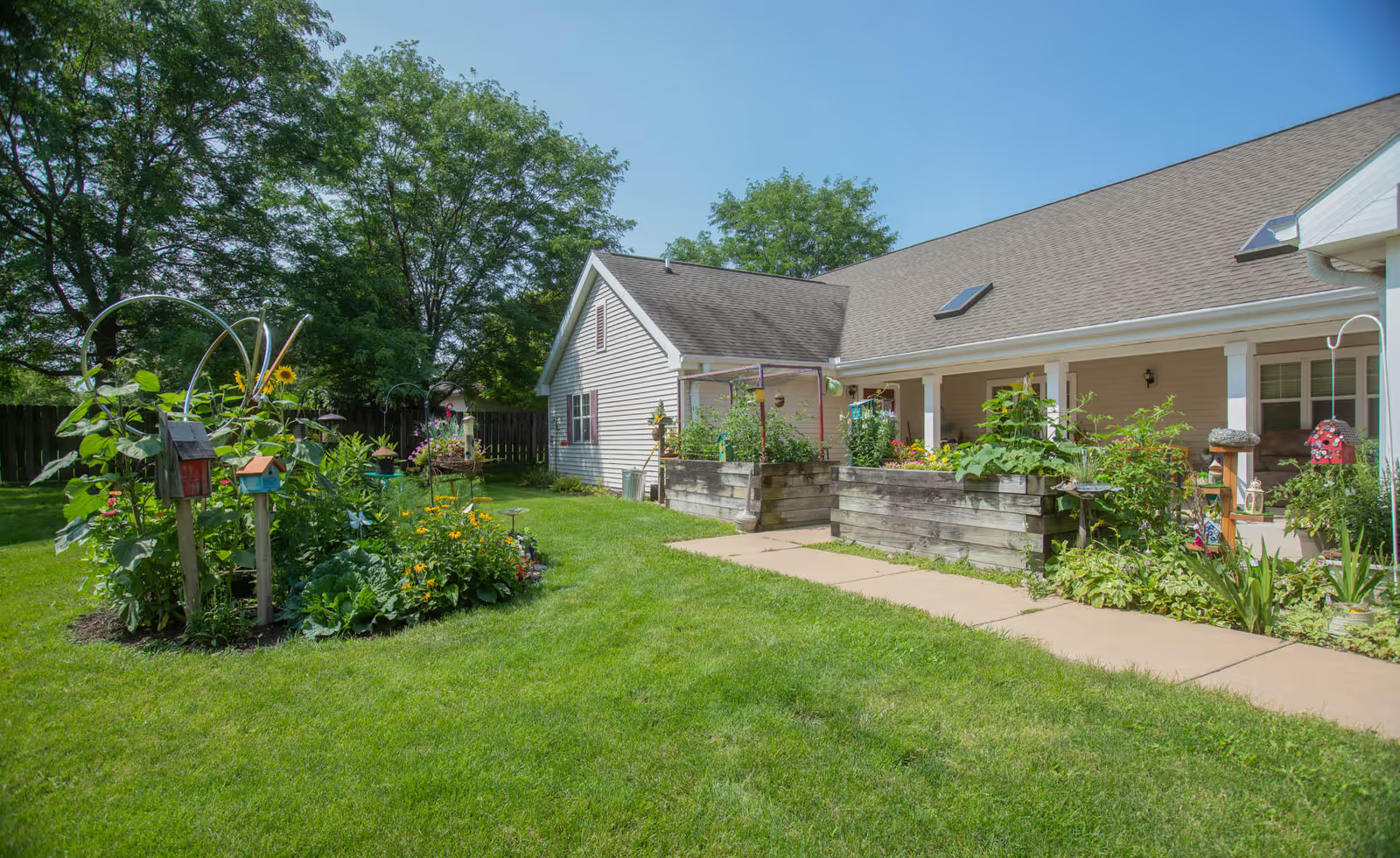
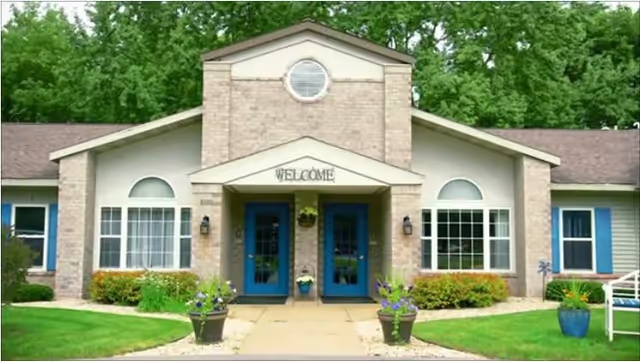
Facilities and lifestyle elements are mostly positive but with tradeoffs. The environment is described as comfortable and home-like, with clean rooms and active social programming. Dining is favorably reviewed for quality and dietary attention, though there is limited flexibility in ordering (no à la carte option) and some families questioned value relative to cost. Prospective residents and families should balance the clear strengths in staff-resident interactions, activities, and physical accessibility against systemic issues tied to staffing, supervision of cognitively impaired residents, and administrative communication. Recommended questions at a tour include current staffing ratios and turnover, protocols for supervision and emergency notification, incontinence- and sanitation-care processes, memory-care placement criteria, and detailed explanations of dining and pricing options.