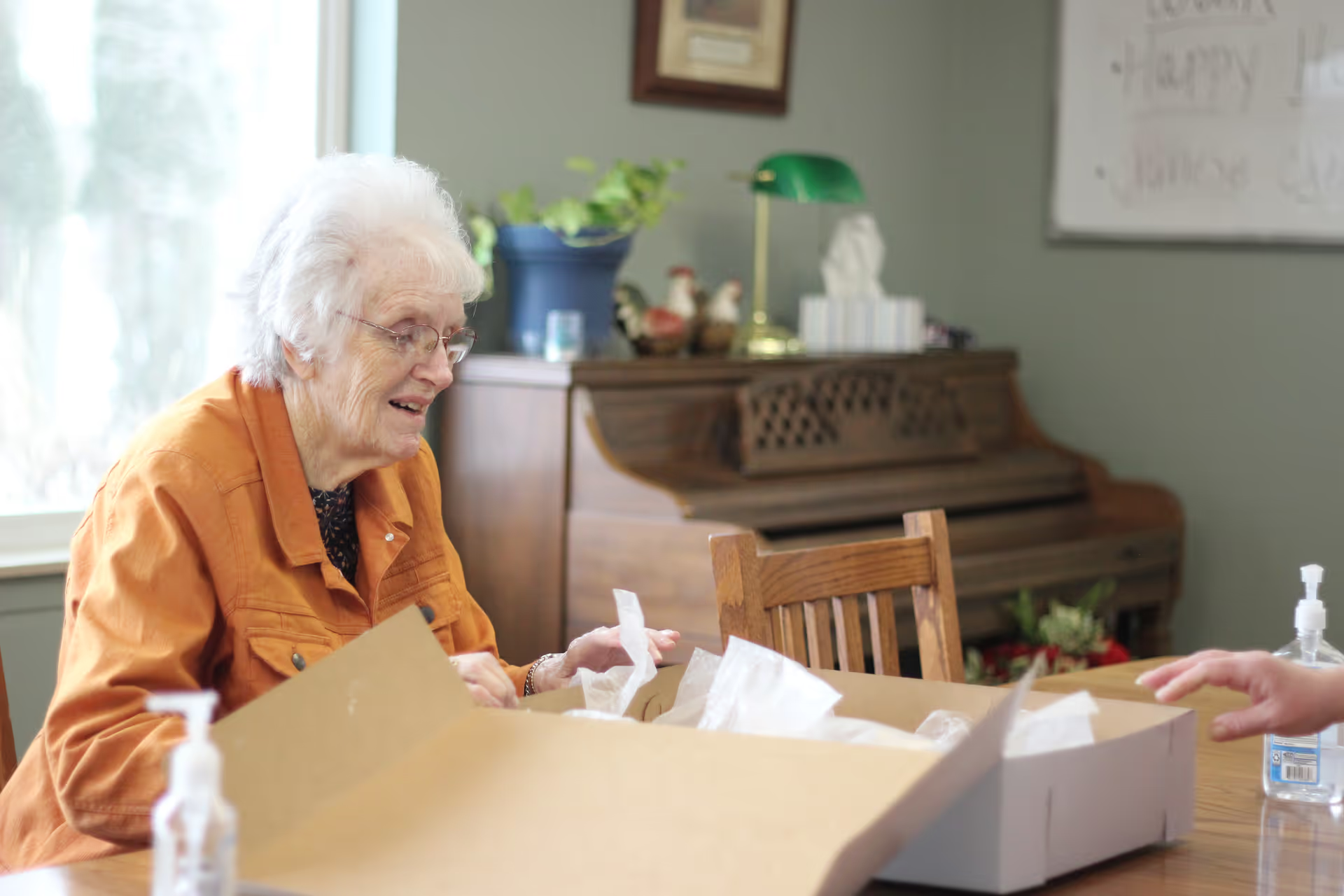
Overall impression: Reviews reflect a facility with several clear strengths — particularly around direct caregiving. Many families and short- or long-term residents describe nursing and CNA staff as kind, experienced, and approachable, and they frequently praise the director of nursing and collaborative teamwork. Residents’ rooms are often described as clean, and there is evidence of a welcoming front-line culture: staff are regularly characterized as friendly, responsive, and accommodating. The community offers varied activities that include accommodations for residents with limited mobility or participation, and reviewers noted a palpable sense of camaraderie among residents.
Care and clinical services: Clinical staffing is generally viewed positively in terms of compassion and team coordination, and contracted therapy services are available on site. However, there are consistent remarks indicating variability in therapy delivery and follow-through; some families experienced disruptions or therapy that did not meet expectations. There are also operational concerns tied to personal care: reviewers raised sanitation and incontinence-care delays, as well as worries about responsiveness to basic care needs. Communication between therapy/clinical teams and families was occasionally cited as a problem, although some communication issues were resolved when raised.
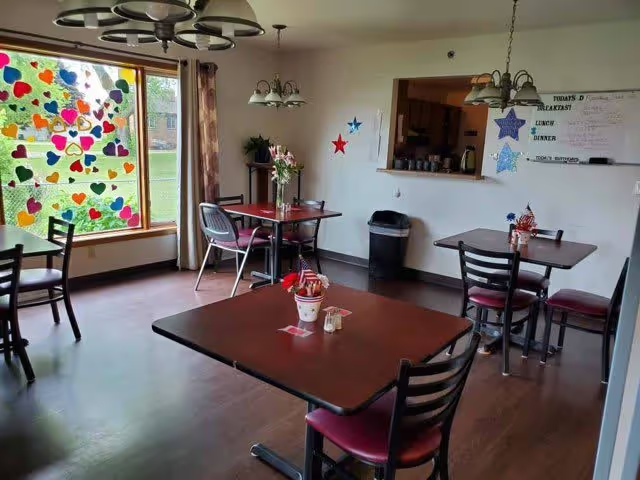
Dining and activities: Meal presentation is often noted favorably — food that looks and smells appetizing and meals that are acceptable to many residents — but dining quality and scheduling appear inconsistent. Several accounts described irregular meal service or dissatisfaction with food quality. Activities programming is a relative strength: the facility offers a variety of social and recreational options and adapts activities for residents who have difficulty participating.
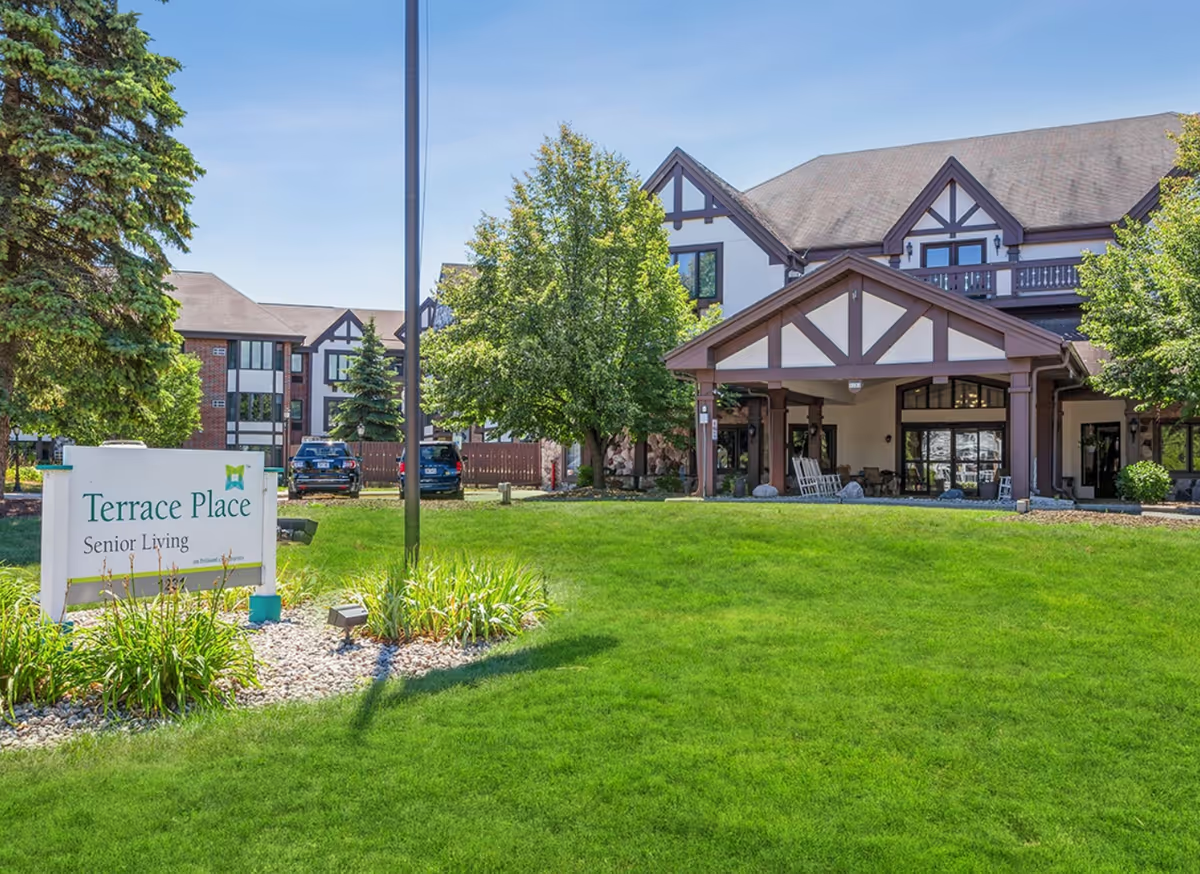
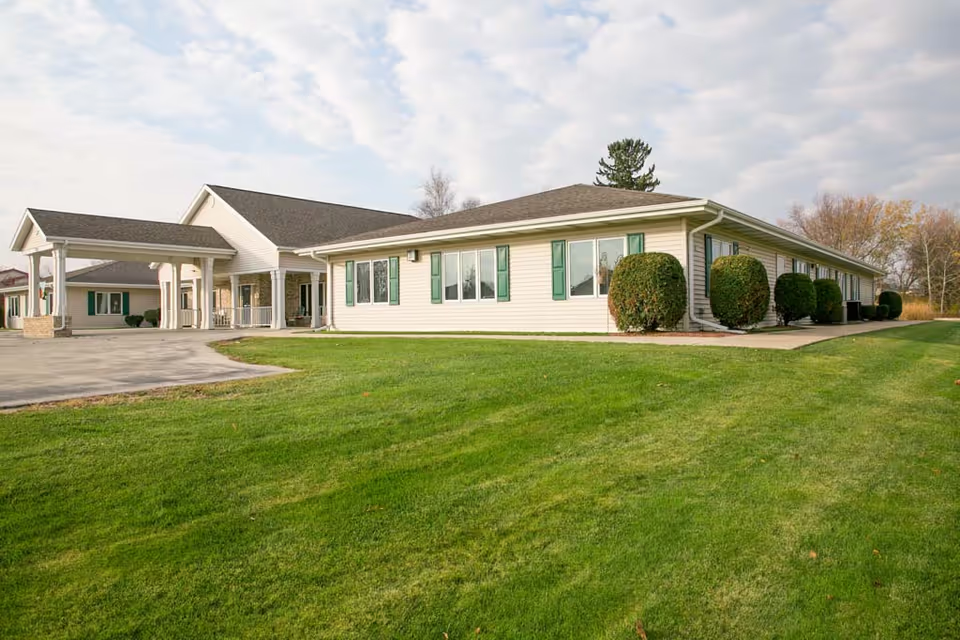
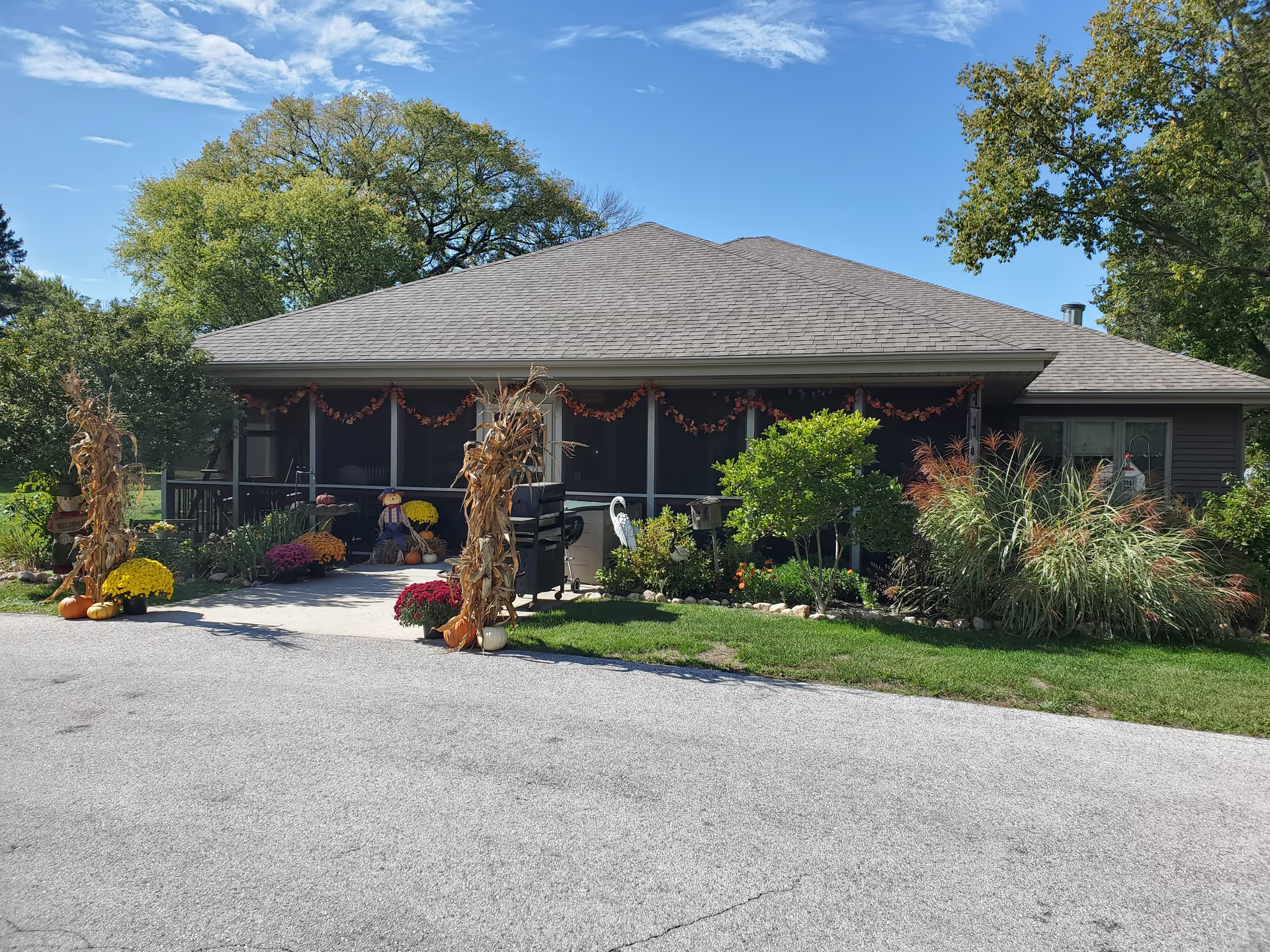
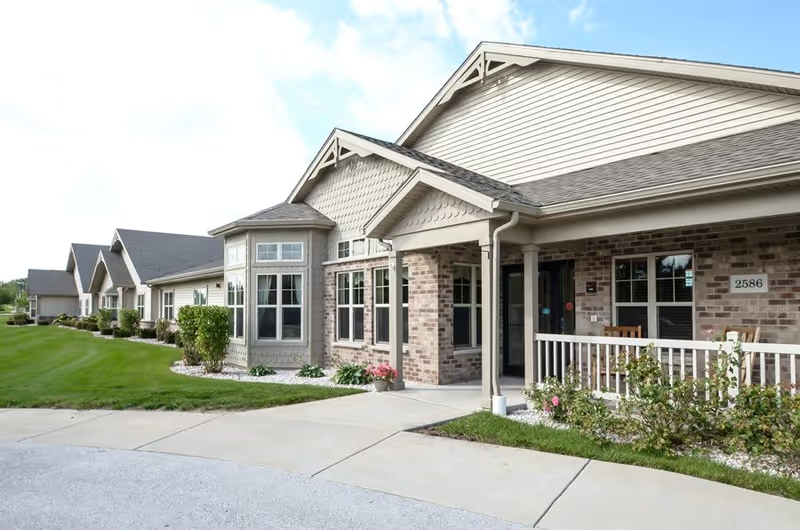
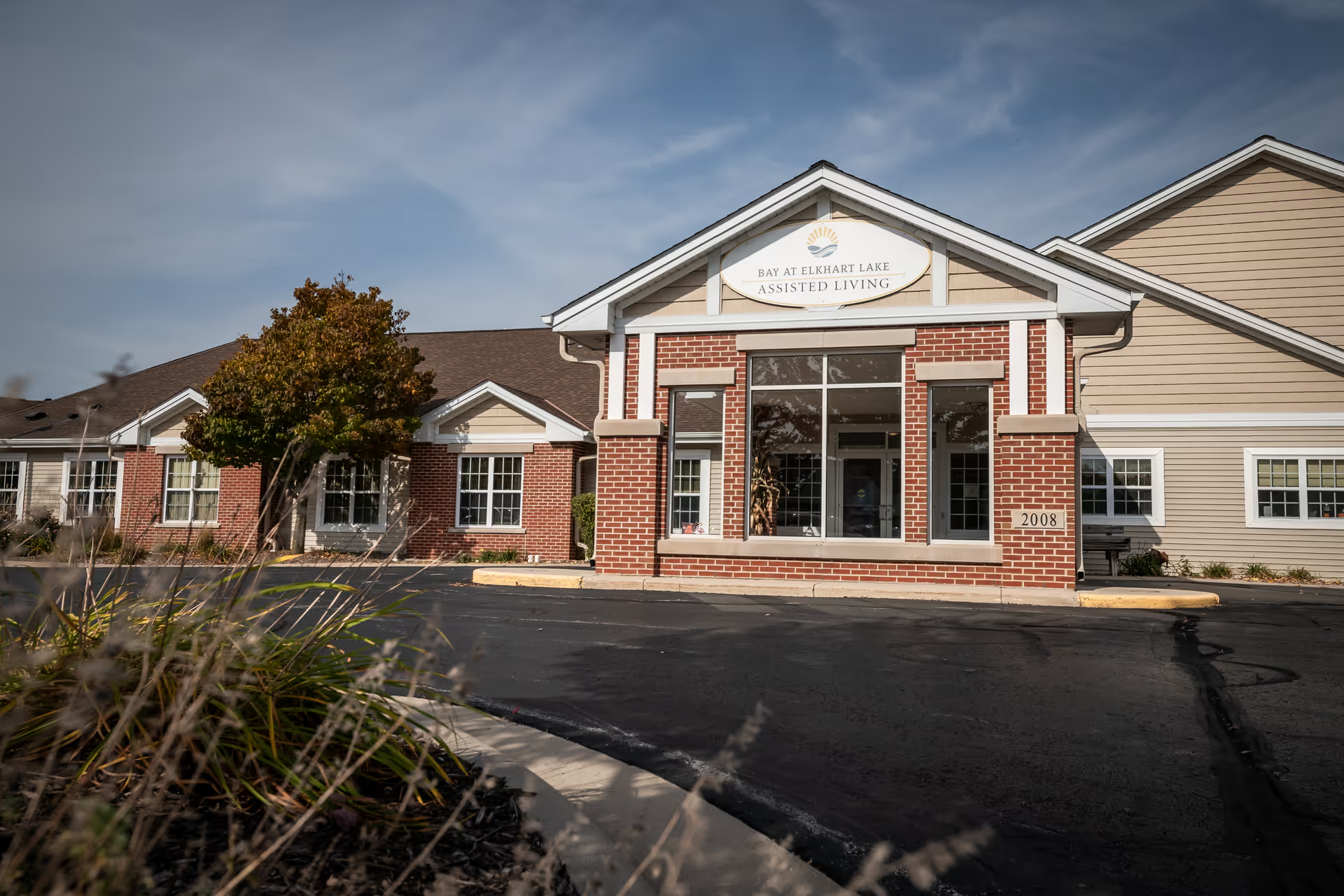
Facilities and management: The physical setting receives mixed feedback. While individual rooms and parts of the facility are described as nice and well-kept, there are mentions of deferred maintenance and areas in need of updates. A subset of reviewers expressed concerns about staff professionalism (including interpersonal conduct) and questioned management priorities and responsiveness; a related concern was a perceived emphasis on financial considerations. Transportation for medical appointments is available and viewed positively.
Notable patterns and guidance for families: The overall pattern is one of strong direct caregiving and community life with operational inconsistencies that can affect individual experiences. Prospective residents and families should observe staffing interactions, ask for detailed therapy schedules and attendance records, clarify dining schedules and menus, inquire about sanitation and incontinence-care protocols, and request information on facility maintenance plans and management escalation procedures. Asking for recent inspection reports or references from current families can help determine whether the cited operational weaknesses are isolated or ongoing.