Care quality at this small Brookdale Sussex community presents a mixed profile. Many reviewers describe personalized attention, staff who learn residents’ names, and leadership that is engaged and compassionate; named leaders and nurses drew frequent praise for hands-on involvement. At the same time, recurring operational issues were raised: inconsistent staff availability and performance, delays in bathing and laundry, sanitation concerns in some rooms and shared areas, and specific reports suggesting gaps in medication-administration oversight. These concerns point to variability in day-to-day clinical execution rather than a single uniform level of care.
Staff and management receive largely positive comments about tone and responsiveness. Administrators and directors are often described as informative, caring, and proactive during tours and family interactions, and many families noted a smooth transition process. Direct-care employees and dining staff were repeatedly characterized as friendly and attentive. However, reviewers also documented instances of uneven supervision and inconsistent enforcement of staff policies, which contributed to perceptions of variability in care and safety practices.
Dining and activities are commonly cited strengths, especially when the community runs home-style meals and accommodates special diets. The dining room and dining staff are frequently praised, with multiple mentions of enjoyable menu items and a positive mealtime atmosphere. Activity programming is another area of positive experience for many residents: planned events, encouragement from the activities director, and regular social programming were highlighted. That said, activity availability appears inconsistent across stays or days; some families reported limited or no observed activities and a desire for a larger, more social environment.
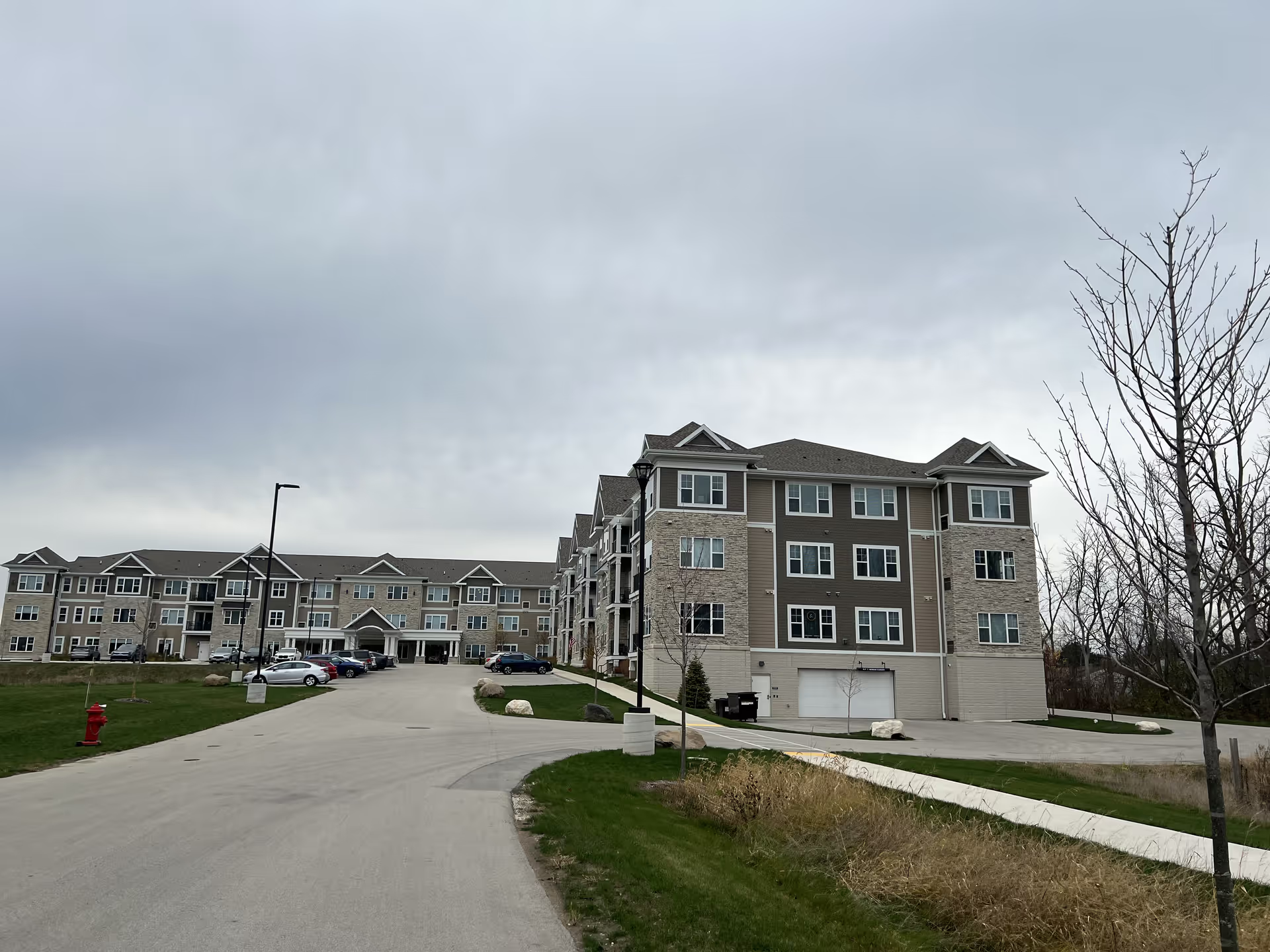
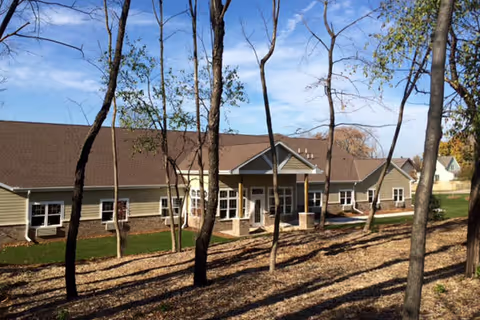
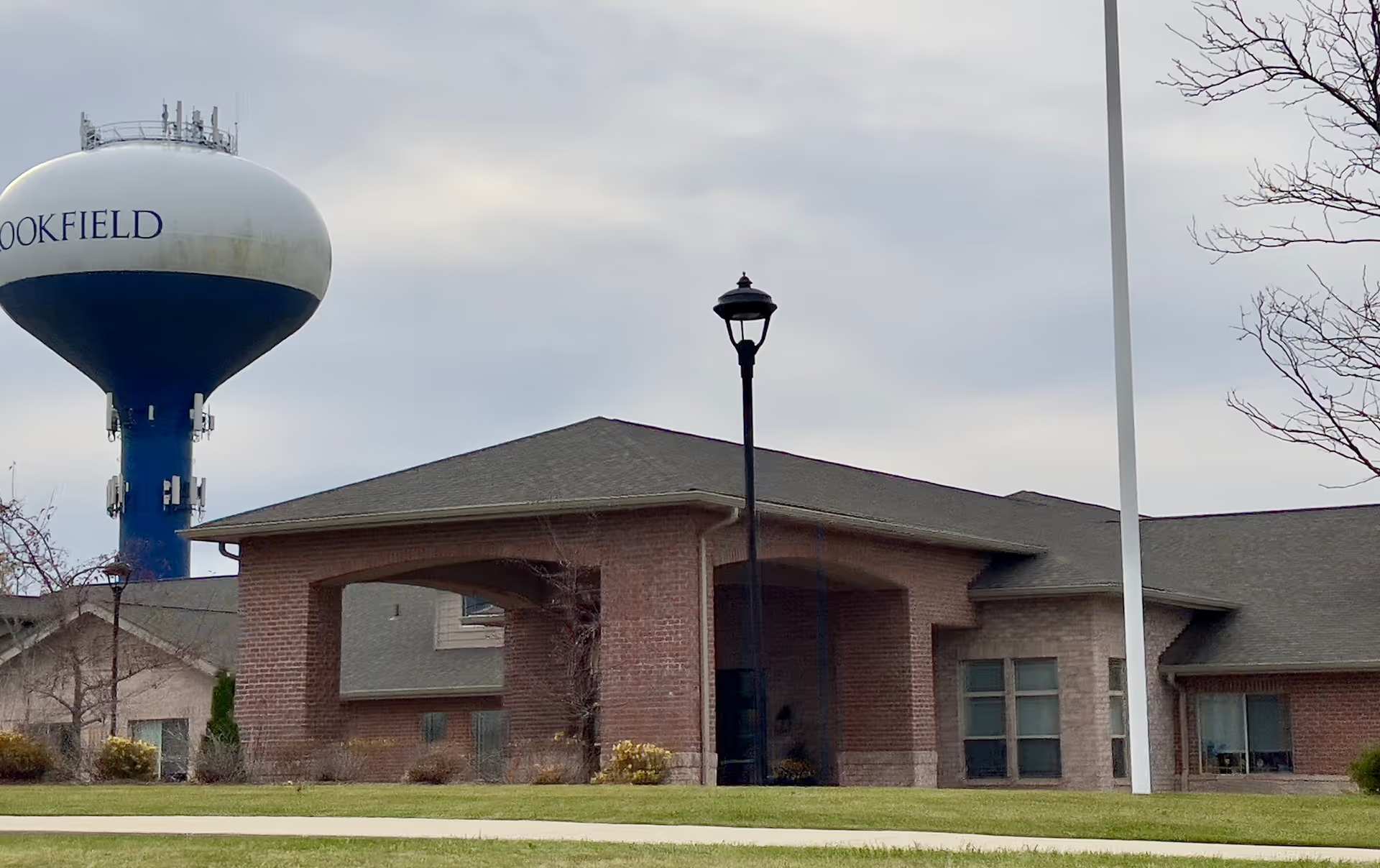
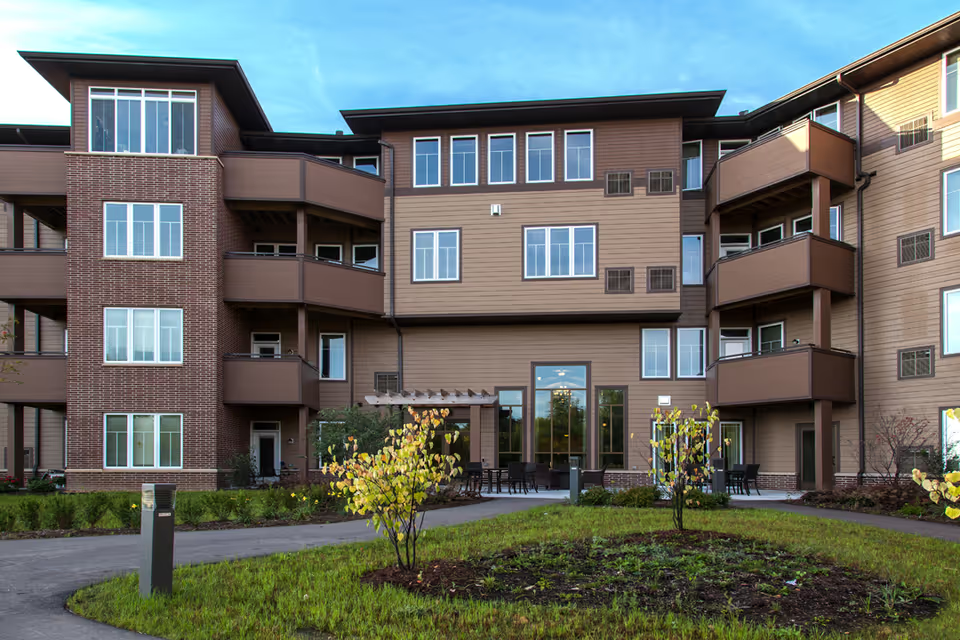
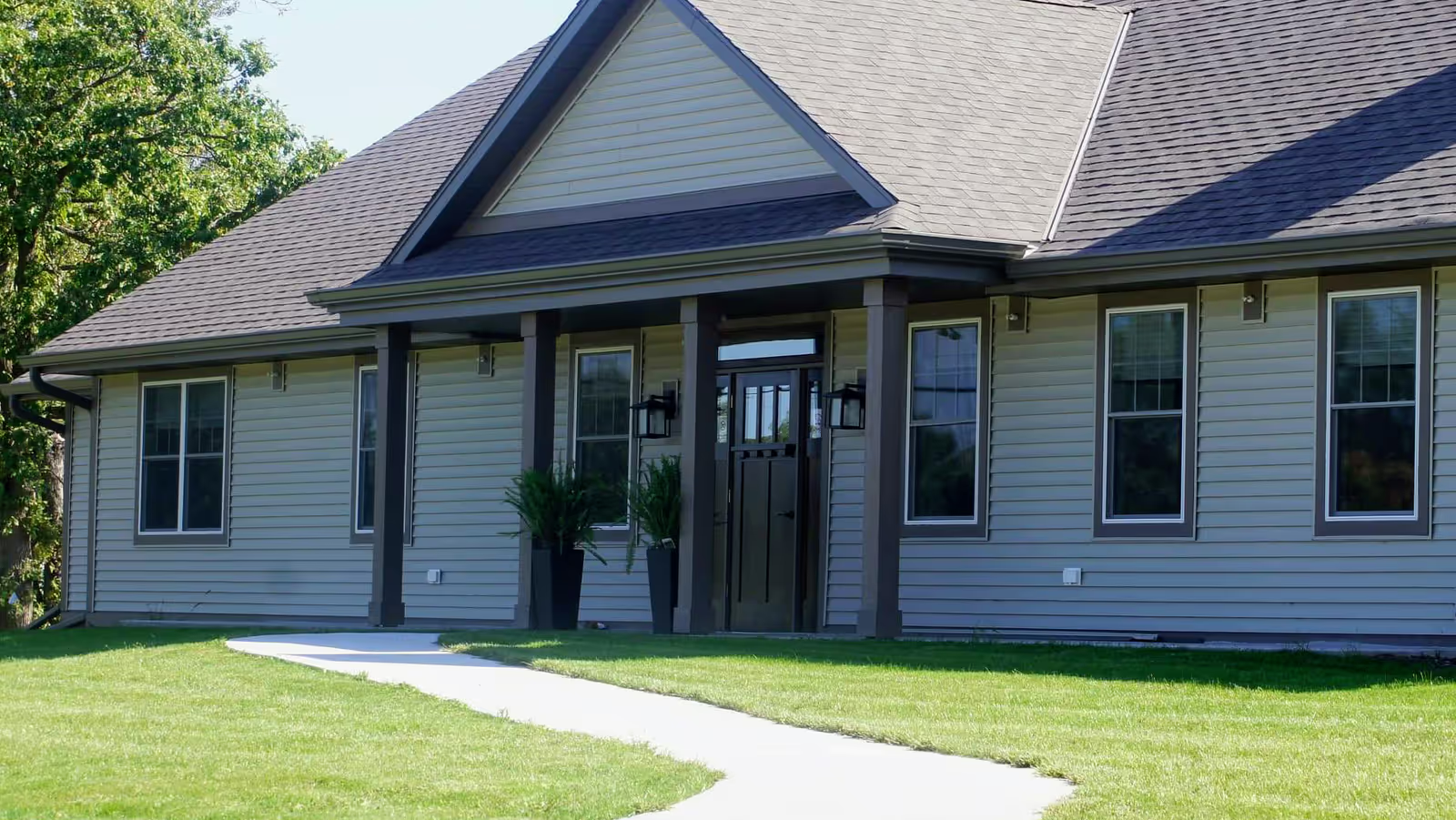
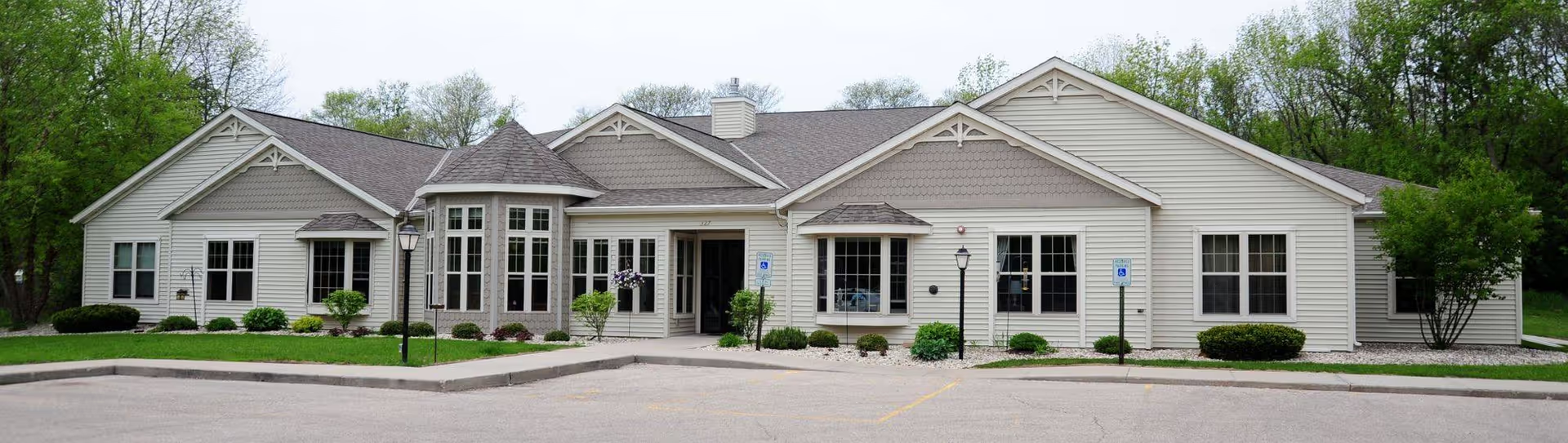
The facility itself is described as home-like and intimate, with accessible outdoor porches and well-maintained common areas that support a cozy atmosphere. Conversely, the physical plant is older and constrained in spaces: rooms are generally small, some layouts have low ceilings and narrow hallways, and one-room studio formats limit private living-space options. These features can create accessibility challenges for wheelchair users and those seeking apartment-style independence. The community is not designed as a locked memory-care environment, and reviewers advised caution if secure wandering prevention is required.
Patterns to note for prospective residents and families: strong leadership and many caring staff members are clear assets, especially in a small, community-oriented setting. However, the facility shows recurring operational weaknesses around staffing consistency, housekeeping/sanitation, medication oversight, and reliability of personal-care services. Administrative issues such as billing transparency and isolated incidents affecting supervision were also mentioned. When evaluating this community, families should confirm current staffing ratios and turnover, sanitation and medication-administration protocols, the activity calendar and resident engagement metrics, accessibility and room dimensions, security arrangements for residents with cognitive impairment, and contract/billing terms to ensure expectations align with their needs.