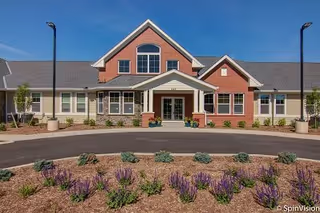
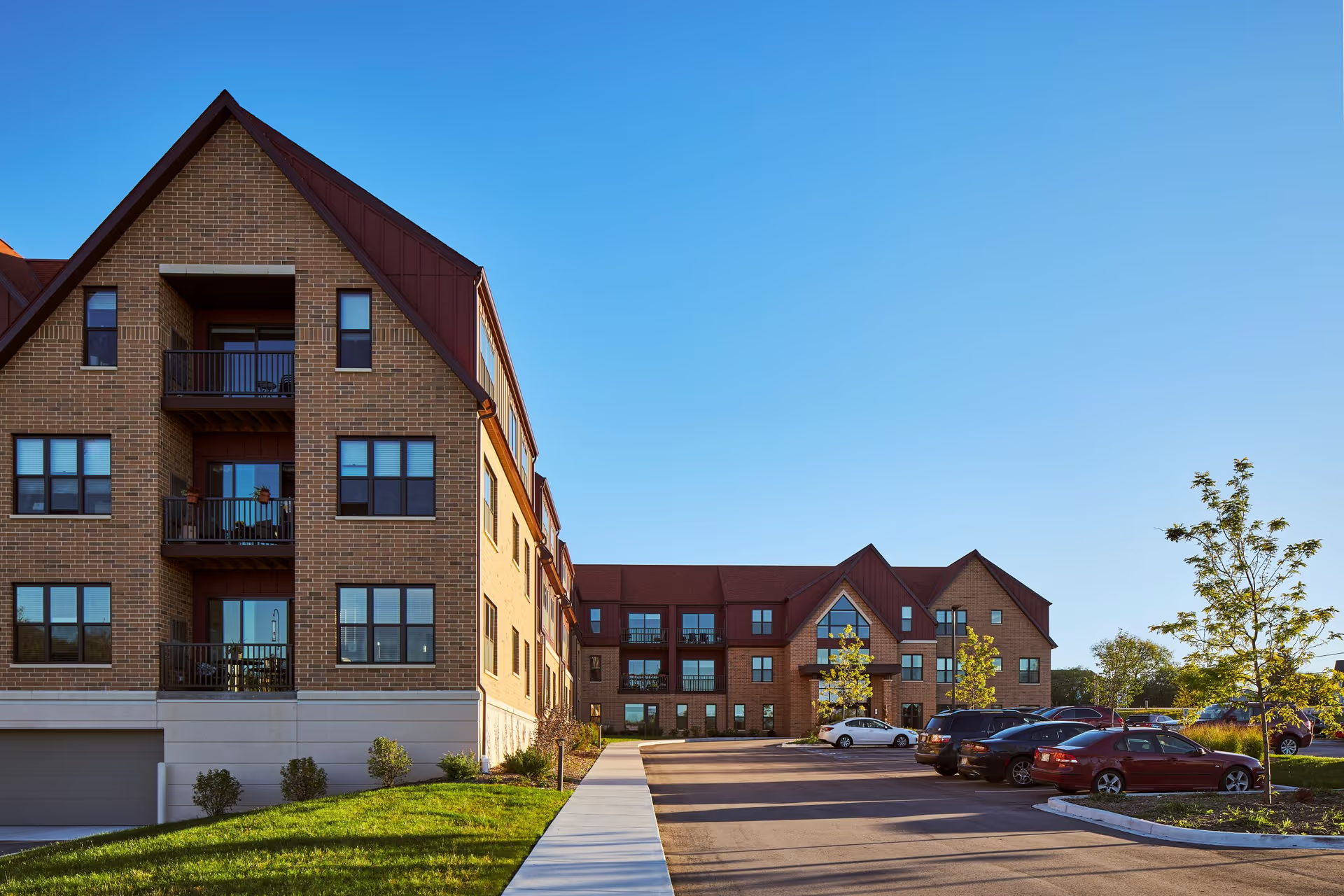
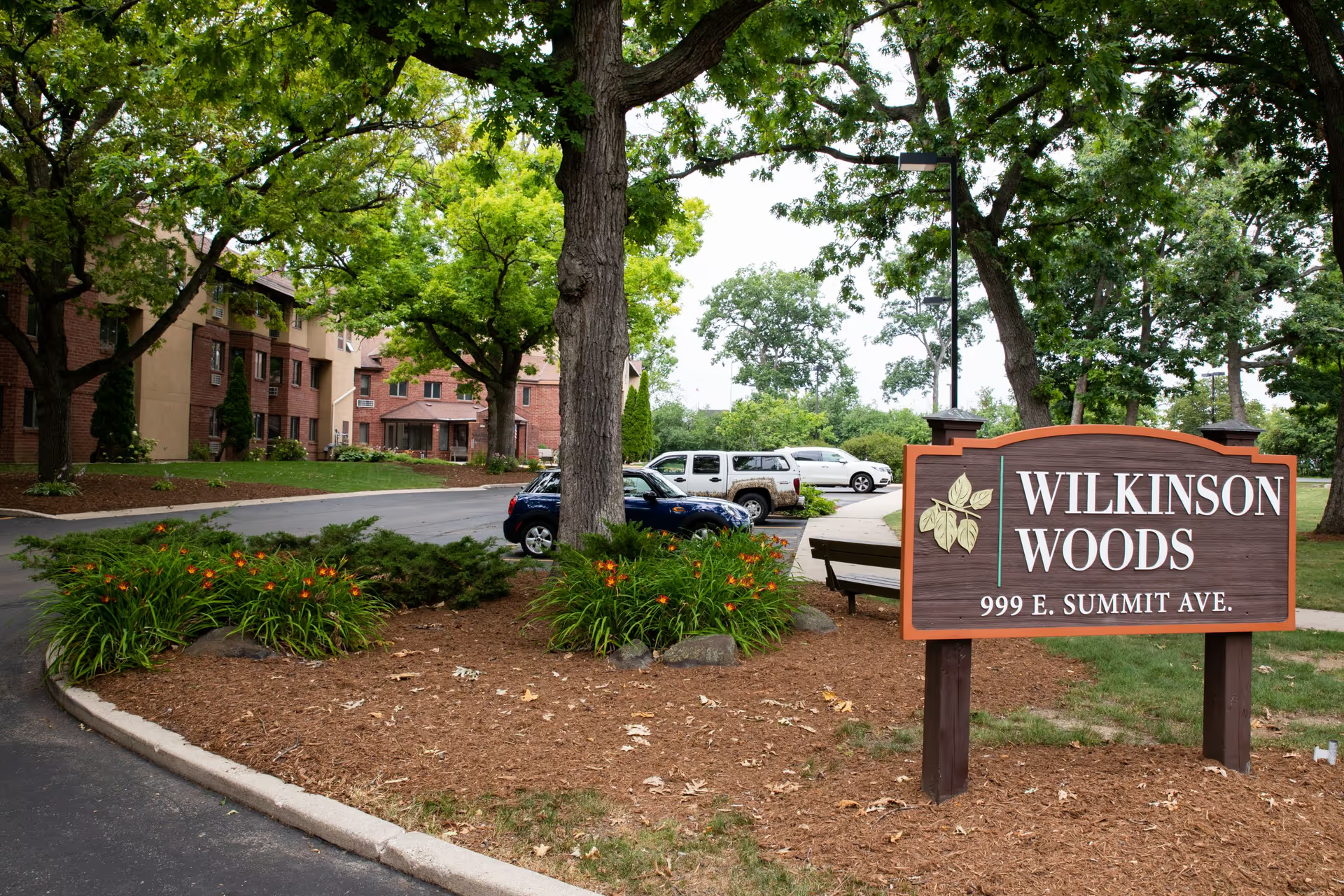
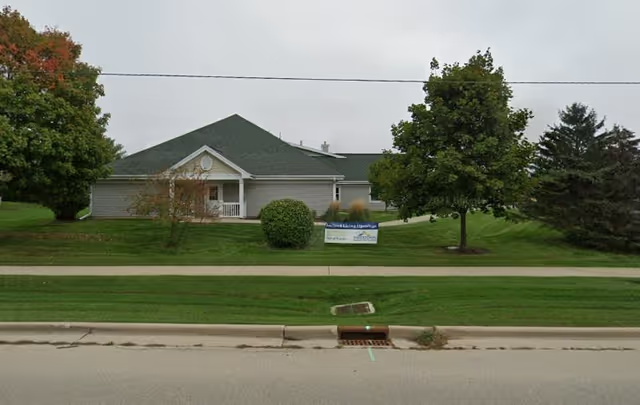
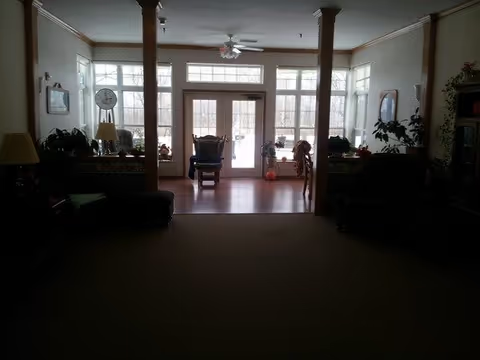
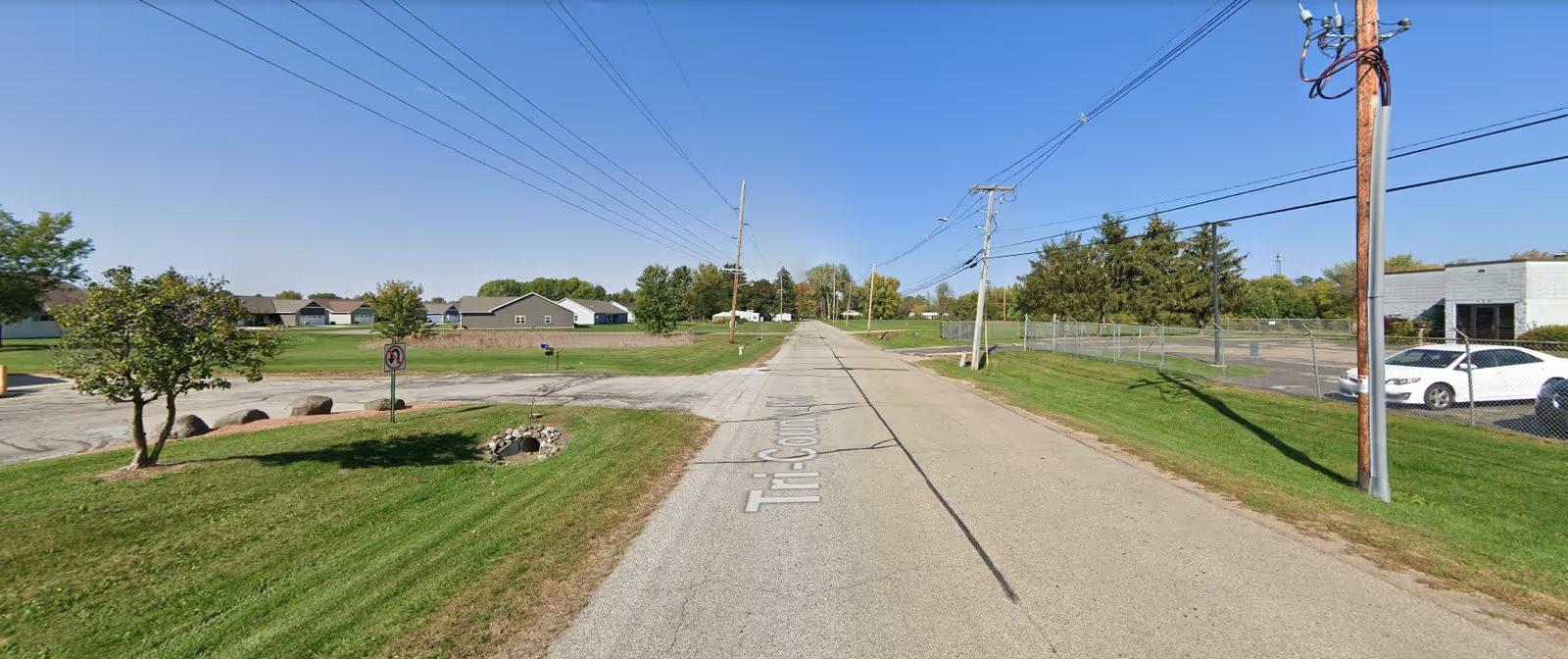
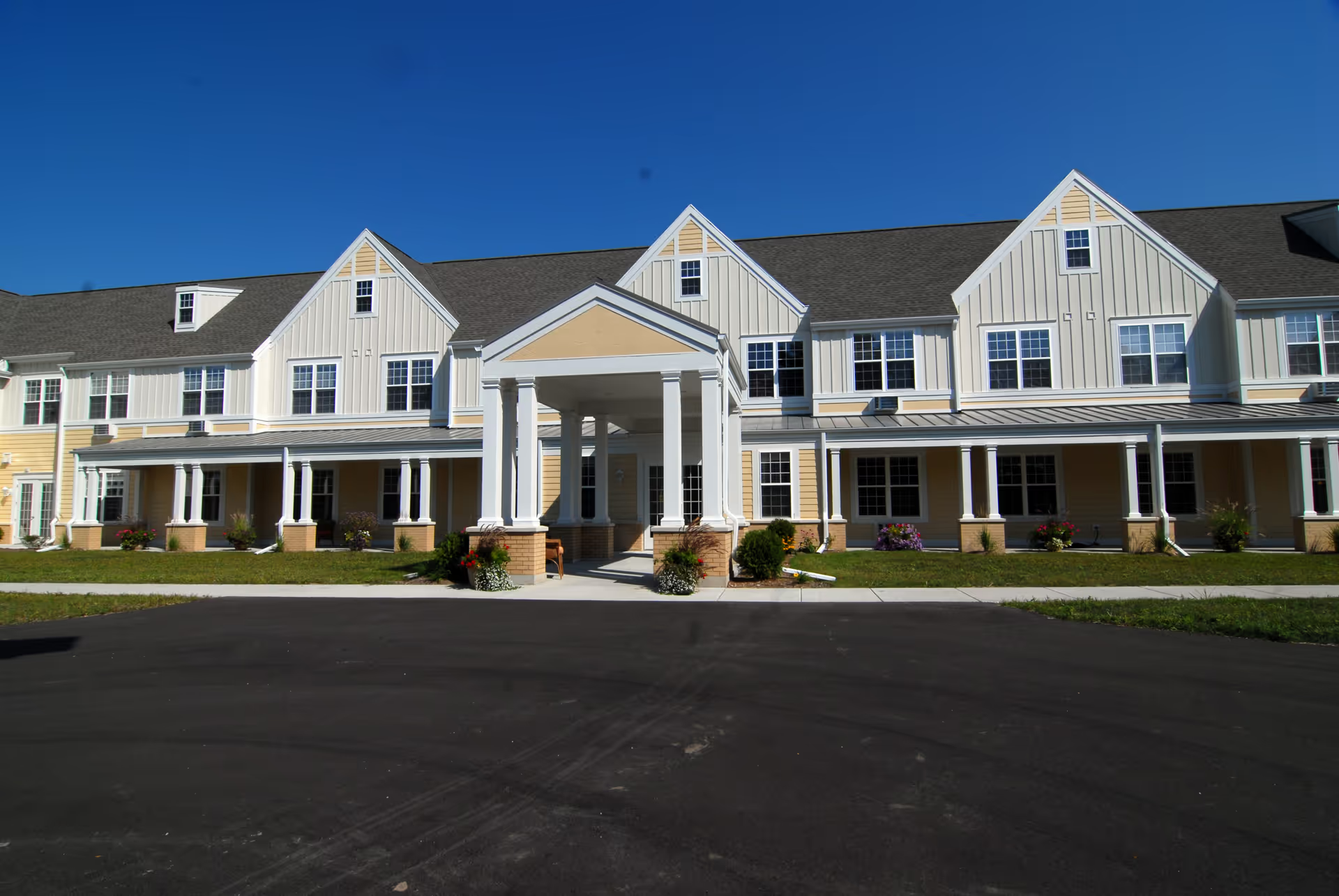
Highland Village I & II Senior Apartments present as a largely community-oriented, activity-rich housing option with a number of physical and service strengths. Many reviewers emphasize accessible apartments, walker-friendly features and safety rails, easy proximity to medical services and grocery shopping, and a rural/semi-rural setting with pleasant views and outdoor space. Common-area cleanliness, a secure lobby, and a roomy front gathering area are repeatedly noted, as is perceived value compared with similar local options.
Care and daily-living supports are described in practical terms: units are handicap-accessible and positioned for independent living, and the setting is walker- and safety-rail friendly. Reviewers highlight convenient access to nearby doctors and a hospital, which may be important for prospective residents with ongoing medical needs. Direct commentary about clinical care or nursing-level services is limited in these summaries; the available information points primarily to environmental accessibility and basic safety features rather than to higher-acuity clinical programs.
Staffing and management present a mixed picture. Several reviewers praise an engaged, attentive on-site manager and responsive maintenance teams, citing quick repair responses and organized monthly resident meetings with transparent maintenance discussions. These practices appear to support an active resident life and a generally positive move-in experience for many. However, other reviews cite inconsistent staff availability, phone unresponsiveness, and elevated turnover—issues that some link to a change in management/ownership. There are also mentions of delayed financial transactions such as deposit refunds. Together these items suggest variable operational reliability: the property can be well-run at times, but prospective residents should verify current staffing stability and communication protocols.
Activities and social life are a consistently strong theme. The community offers a wide variety of organized events—bingo, themed shows, picnics, holiday dancing, shopping trips, and scheduled van service to grocery stores—that support social engagement and independence. Reviewers describe an active calendar that contributes to residents’ sense of home and enjoyment. Dining is not widely discussed in these summaries; social events and outings appear to be the main sources of communal interaction rather than a formal dining program.
Facility-level considerations include small kitchens and relatively compact apartment footprints in some units, occasional temperature-control issues, and expressed concerns about visitor policies and building security practices. While many residents describe the complex as quiet, peaceful, and well-maintained, a subset of reviewers raised questions about how visitor access and lobby security are handled. Prospective residents and their families should ask management for current policies on visitor access, security measures, HVAC/temperature controls, staffing ratios and turnover, and financial procedures such as deposit return timelines.
Overall, Highland Village I & II appear to offer an affordable, social, and accessible living environment with active programming and a number of staff- and facility-level positives. At the same time, variability in communication, staffing continuity, and some operational processes are notable patterns in the feedback. A targeted in-person visit, direct questions about current staffing stability and emergency communication procedures, and a review of written policies on visitors and refundable deposits would help families evaluate whether the community’s present operational state matches their expectations.