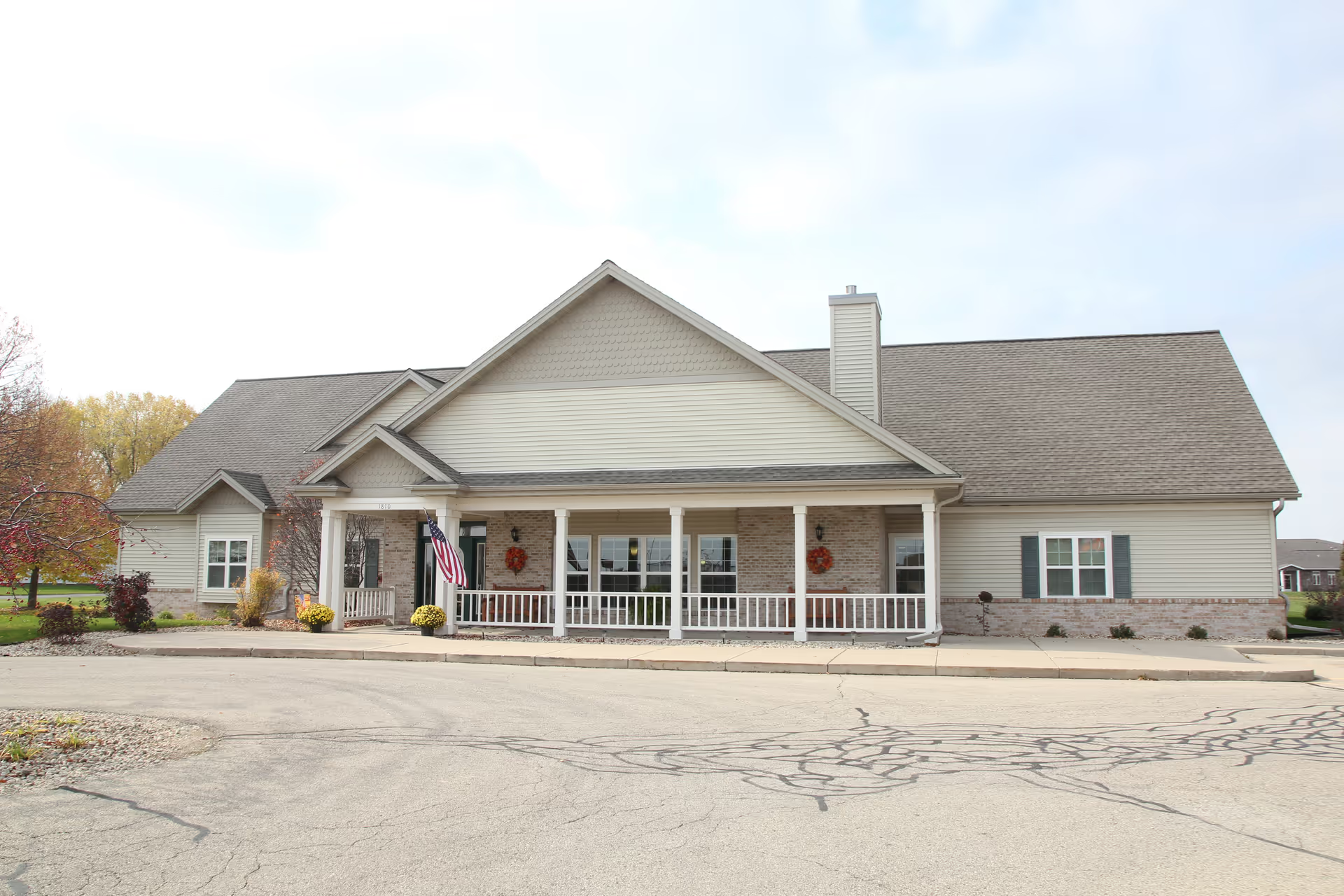
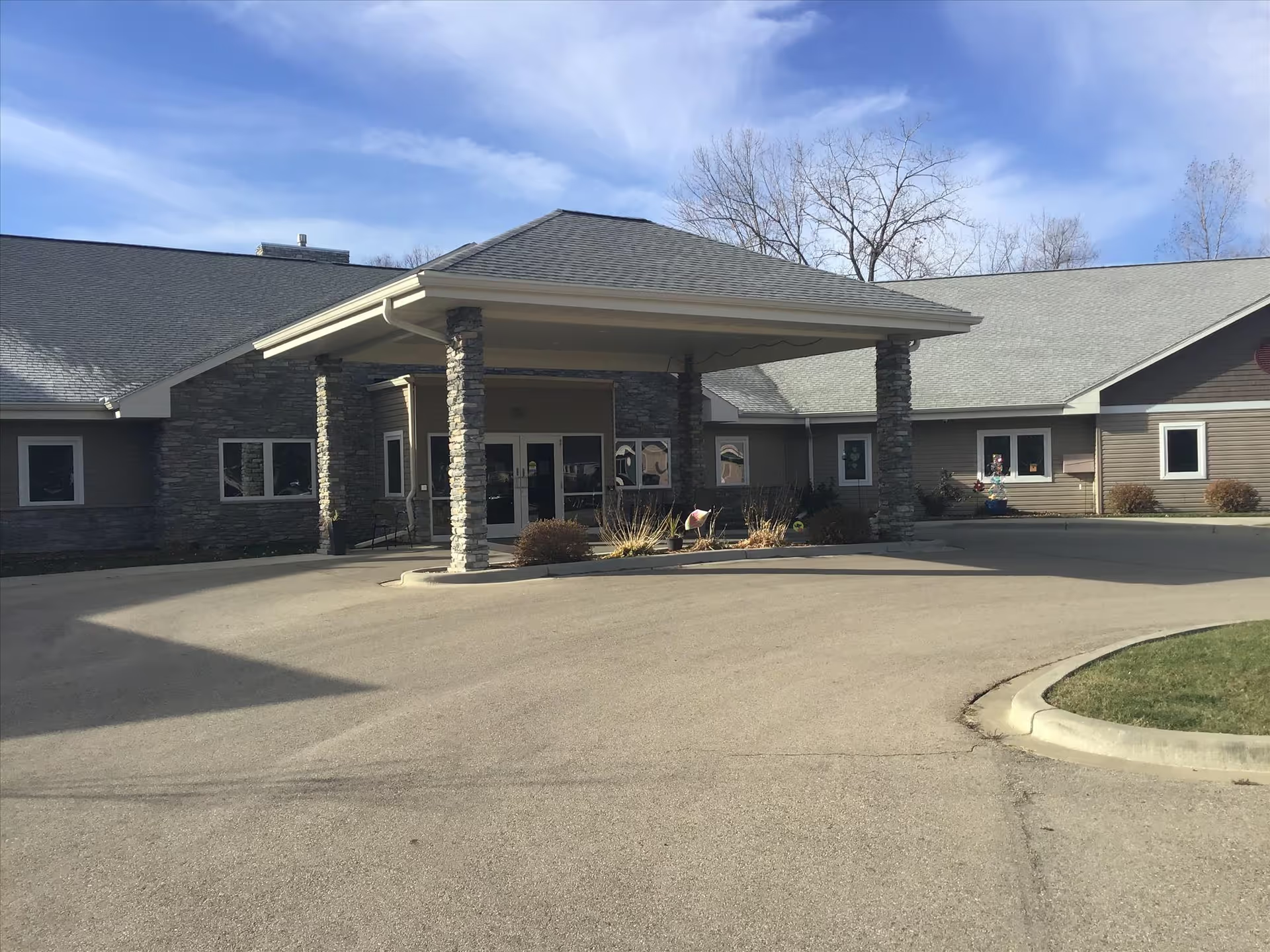
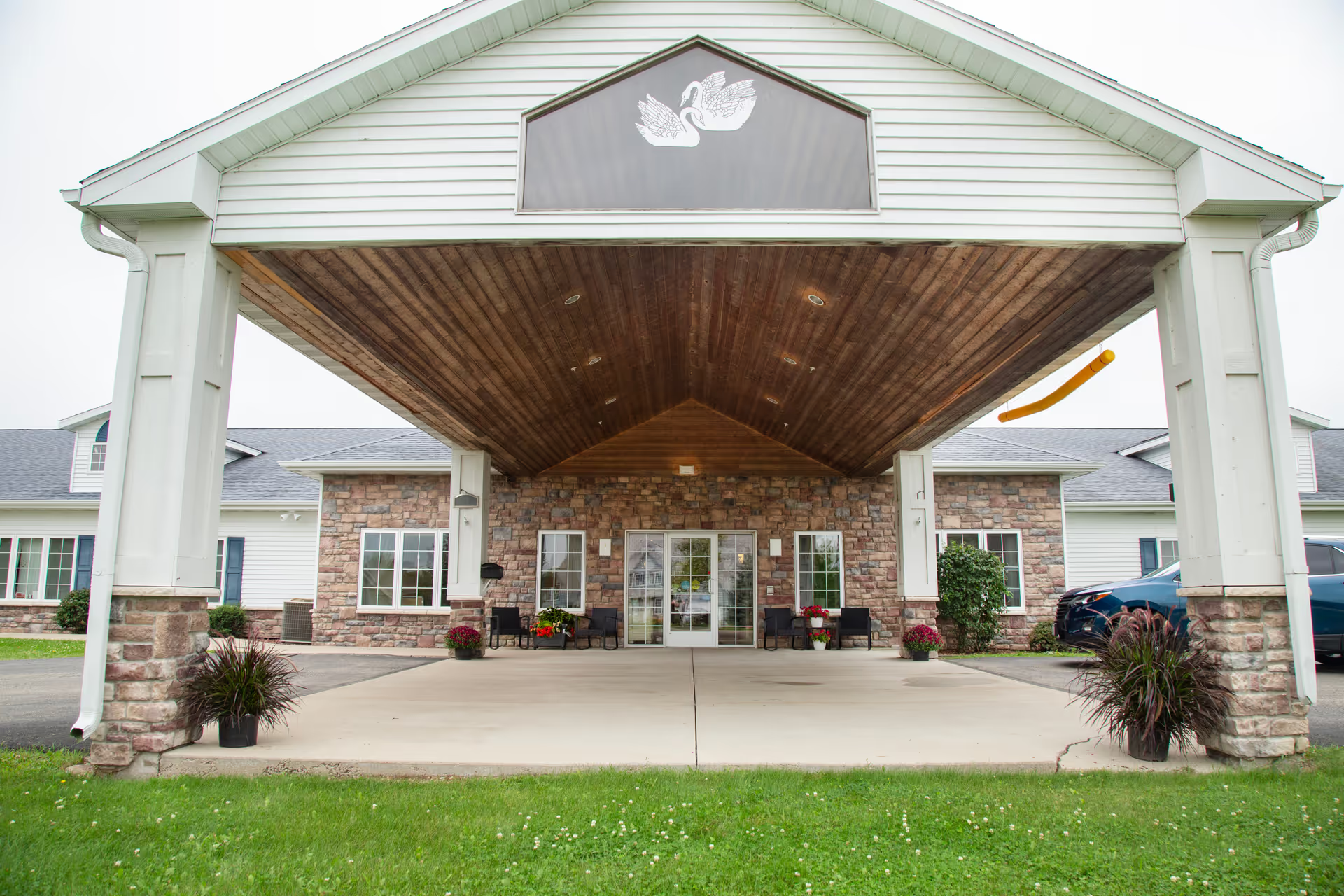
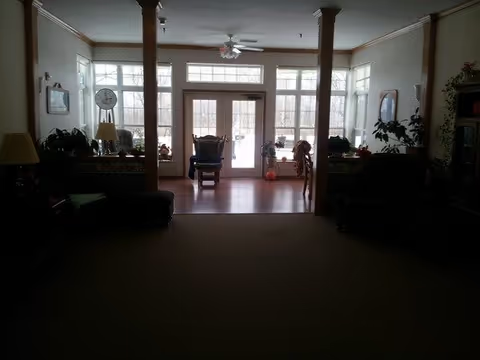
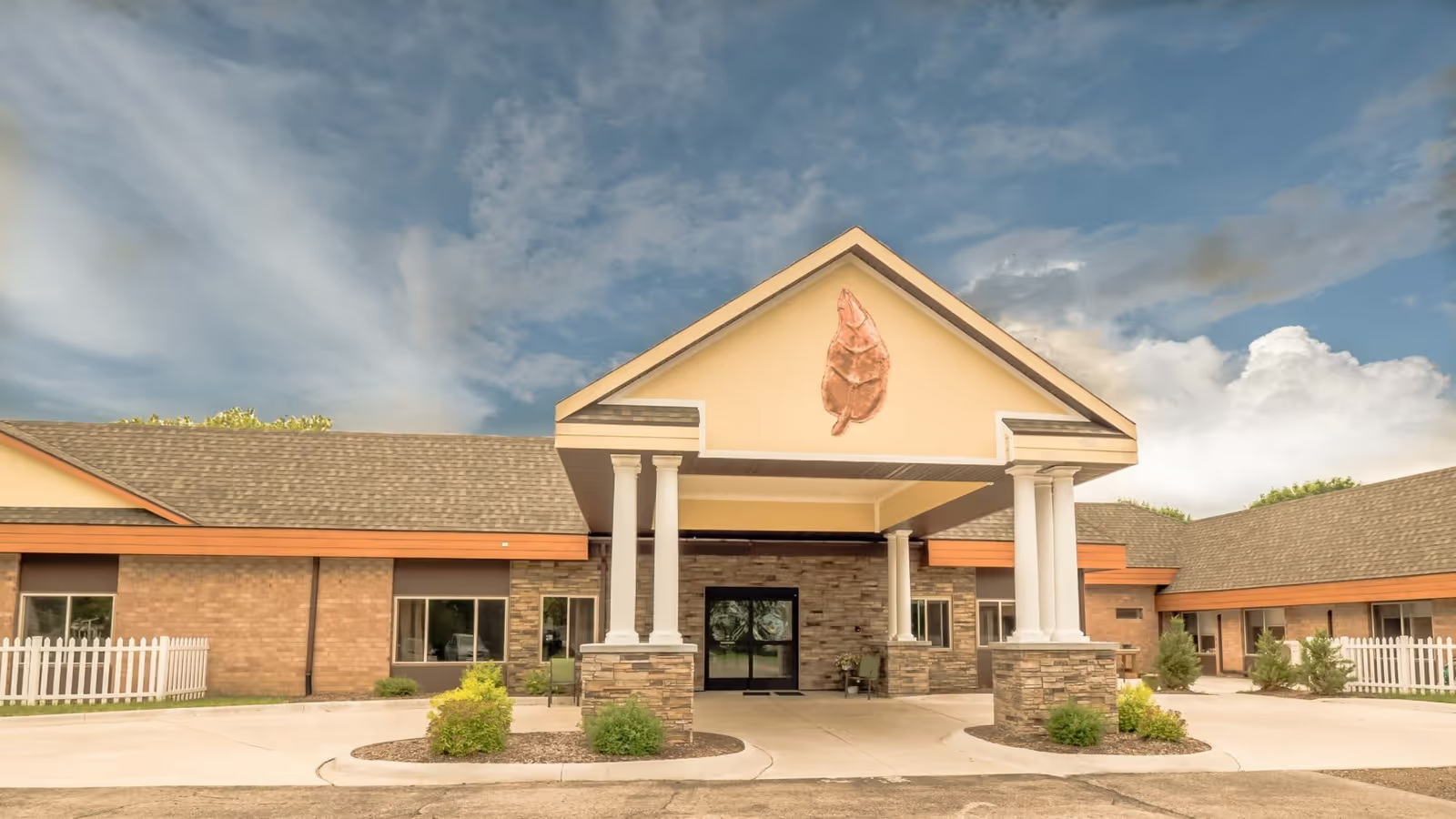
Overall impression: Reviewers consistently describe the facility as clean, modern, and well maintained, with spacious rooms and a rehabilitation-friendly layout. Common strengths include welcoming communal areas, a pleasant dining room, on-site personal services (haircuts, shops), and clearly separated sections for assisted living, nursing, and short-term rehab. Several families described observable health improvements during stays and characterized the environment as home-like and supportive for recovery.
Care and staff: The caregiving team is frequently described as friendly, courteous, and attentive; many comments praise individual caregivers and note positive family communication. At the same time, a recurring operational pattern is constrained staffing, especially on nights and weekends. That issue is associated with reports of longer response times to call bells and periods when staff appear overwhelmed; reviewers link these staffing gaps to slower day-to-day responsiveness despite generally compassionate interactions when staff are available.
Clinical operations: Multiple reviews raise concerns about medication and therapy coordination. Examples cited include delays in medication distribution or availability and therapy scheduling interruptions that some families felt extended recovery timelines. These items point to systemic scheduling and logistics challenges rather than isolated clinical competency issues. Prospective families should confirm current medication-administration protocols, on-site pharmacy access, and therapy scheduling cadence before admission.
Dining, activities, and amenities: Dining receives favorable remarks for taste and presentation, and reviewers appreciate snack availability and a hospitable dining area. The facility offers on-site services that support resident convenience and rehabilitation-focused programming, which reviewers found helpful for short-term recovery stays. Communal spaces and grounds are described as well kept and conducive to social interaction.
Management, admissions, and documentation: Several reviewers expressed frustration with management responsiveness and placement communication; one reviewer made an allegation about an inaccurate discharge notation, which suggests families should verify documentation and discharge procedures directly with administration. Staffing shortages have also been tied to constrained admissions capacity—reviewers noted the facility has, at times, been unable to accept new admissions and that some wings remain closed due to workforce limitations. These are operational capacity concerns worth confirming at the time of inquiry.
Bottom line and practical guidance: The facility’s strengths are its cleanliness, physical environment, on-site rehab capabilities, and generally caring staff. The primary operational risks are staffing variability (nights/weekends), slower response times, and coordination gaps around medications, therapy, and admissions. Families touring or considering placement should ask specific, current questions about staffing ratios and coverage for nights/weekends, medication availability and distribution schedules, typical therapy start times and frequency, and current bed/unit availability and admission policies.