Overall impression: Reviews reflect a polarized experience at this facility. Many families and residents praise the direct-care staff, rehab services, activity program, and the physical amenities such as private apartments, garden areas, chapel, and transportation options. At the same time, a substantial set of operational concerns appears repeatedly, producing variability in quality of care and family satisfaction.
Care quality and clinical oversight: Clinical strengths include an active rehab/therapy center and staff members who are described as skilled and compassionate in some cases. However, reviewers also describe significant clinical and safety gaps: delayed or inconsistent medication administration, failures in fall-prevention and transfer protocols, episodes of serious infections, and uneven infection-control practices. These patterns suggest variability in clinical oversight and handoff processes between units and shifts.
Staff and responsiveness: Direct-care staff are frequently characterized as friendly, caring, and attentive on good days, and several reviewers singled out individual employees and administrators for praise. Conversely, there are recurrent comments about insufficient staffing levels, especially on weekends and evenings, leading to slow responses to call lights and pendant alarms, delayed personal-care assistance, and periods when residents are under-supervised. Families also describe inconsistent communication from management and front-office staff, including difficulty reaching administrators and uncertainty about points of contact.
Dining and nutrition: Dining experiences are mixed. Positive reports note pleasant dining rooms, attentive service, and enjoyable meals for many residents. Negative feedback highlights cold or poorly prepared entrees, long delays in meal delivery (including missed or heavily delayed trays), and variability in portioning and presentation. These indicate inconsistencies in kitchen staffing or meal-service coordination across shifts.
Activities and social life: Activity programming is a clear strength in many accounts. Concerts, outings, bus trips, on-site events, and therapy-animal visits are commonly praised and appear to contribute to resident engagement and satisfaction, particularly in independent living and some assisted settings. That said, reviewers note that activity consistency can vary by unit, and some residents reported limited interaction during certain shifts.
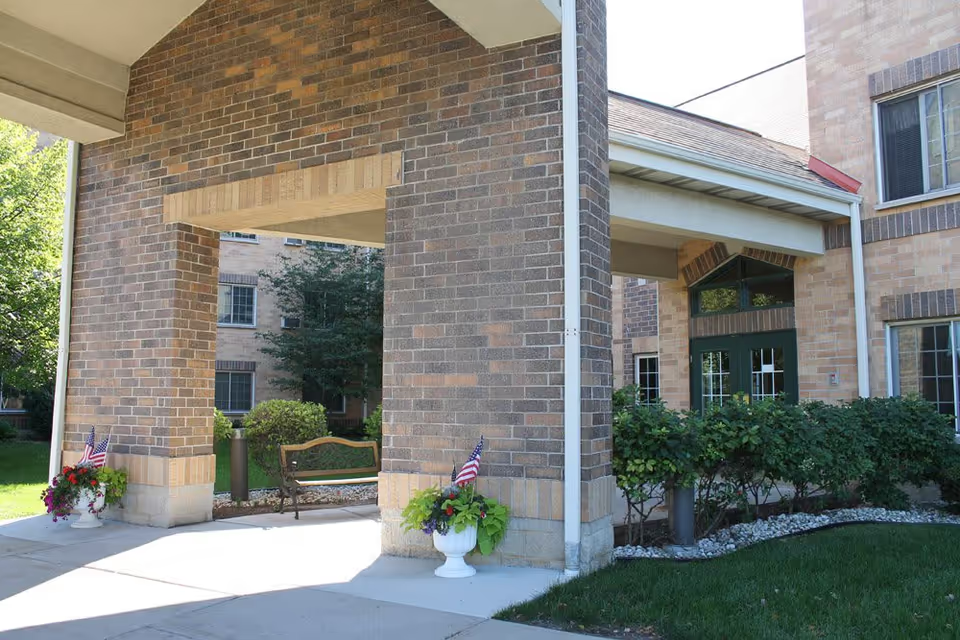
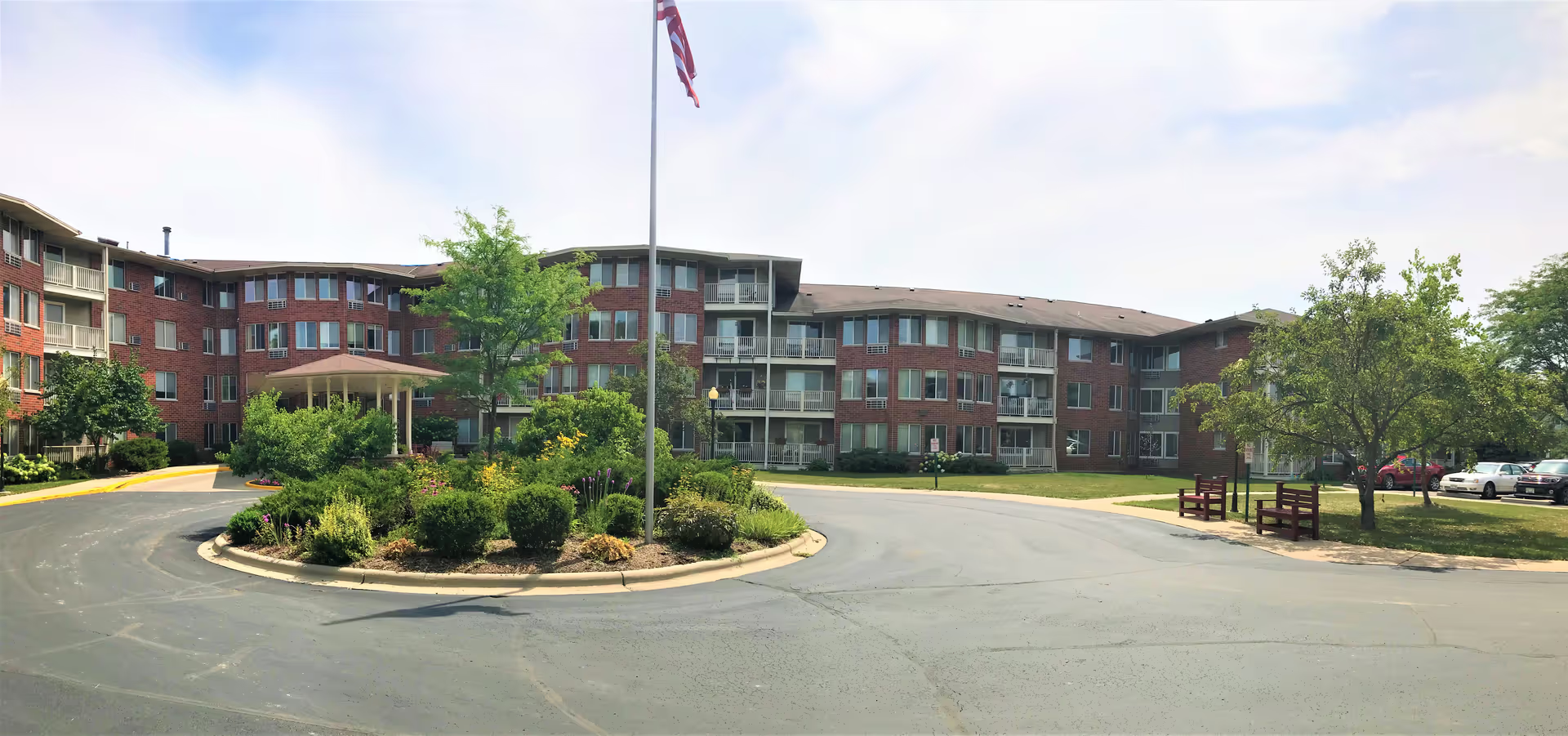
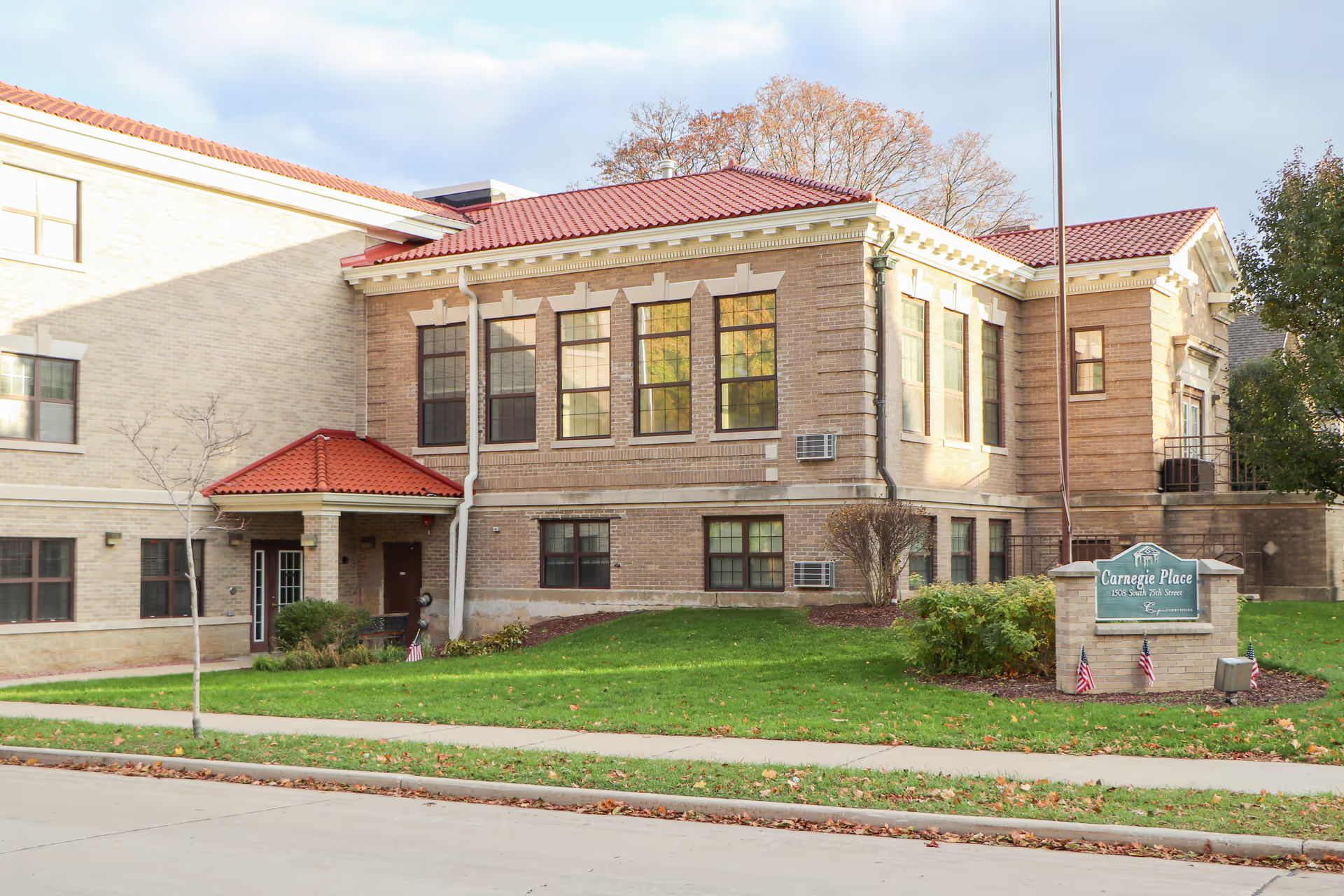
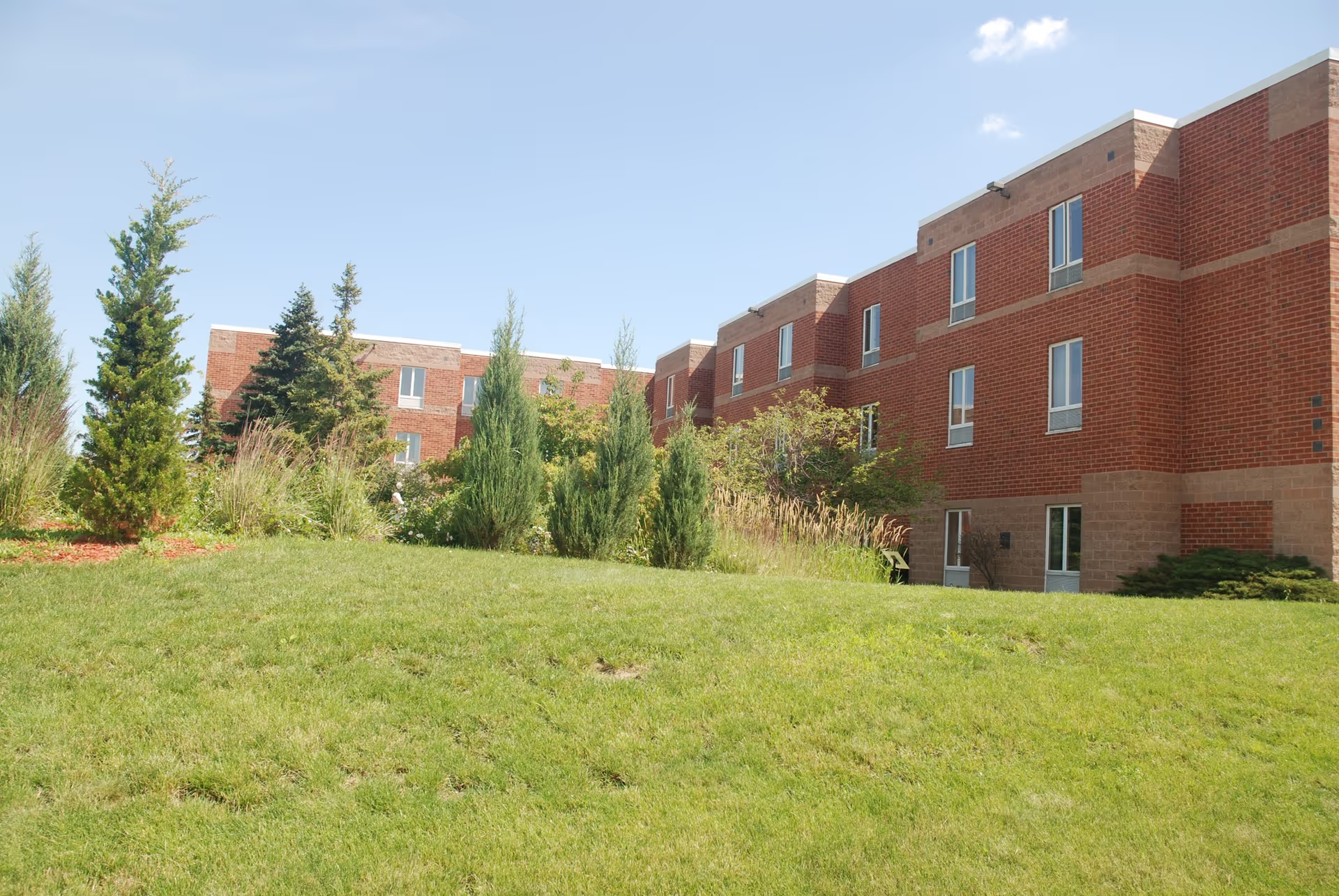
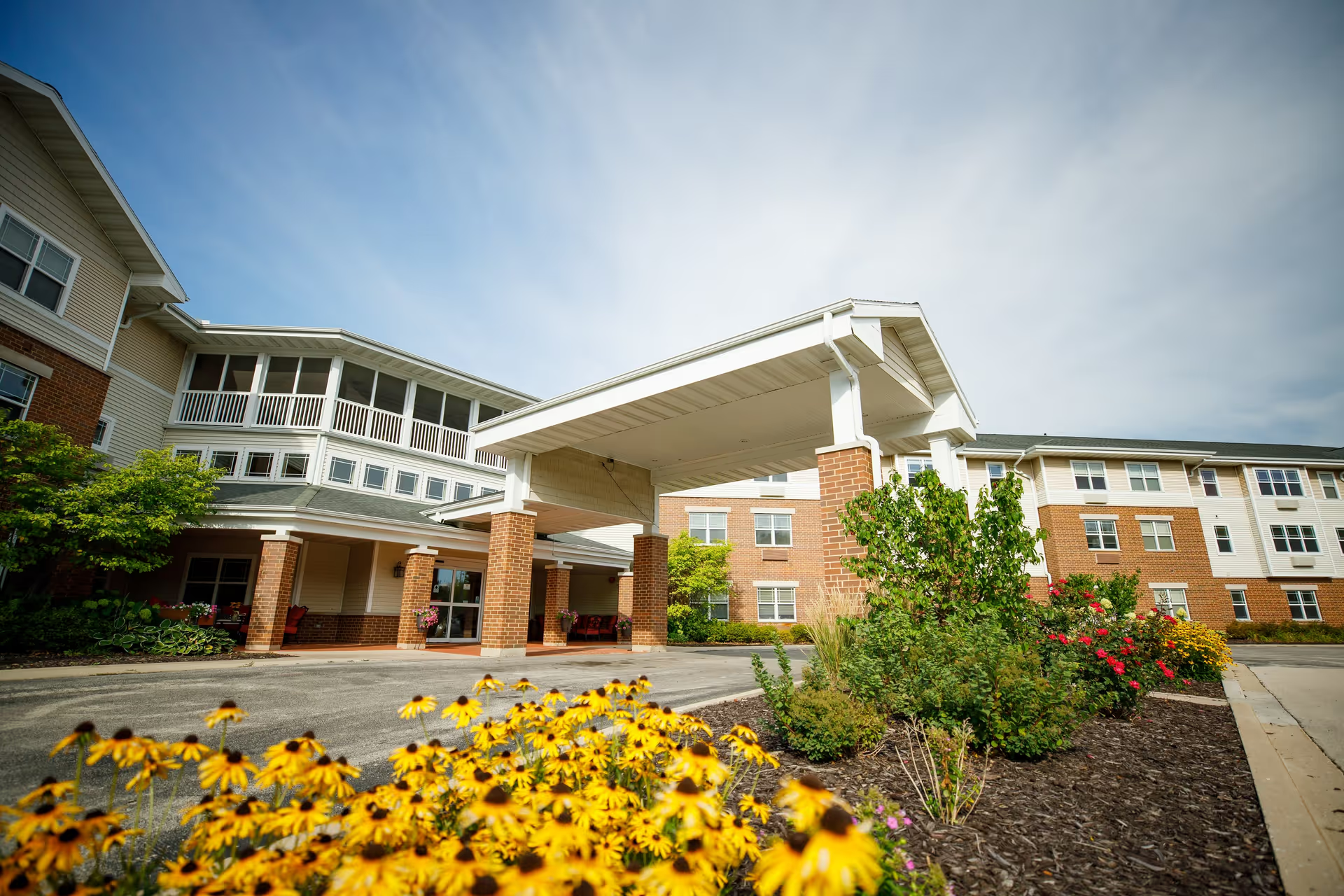
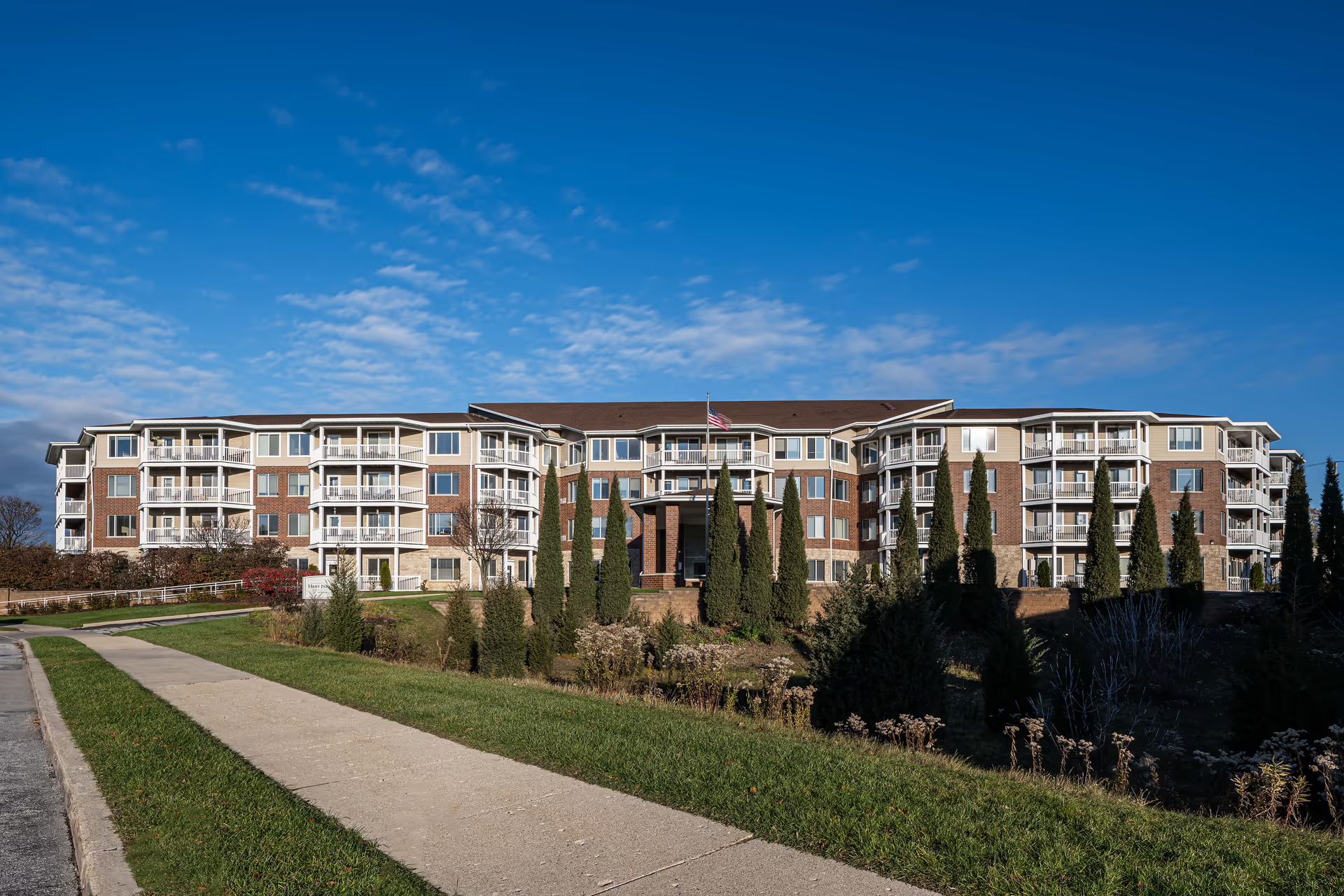
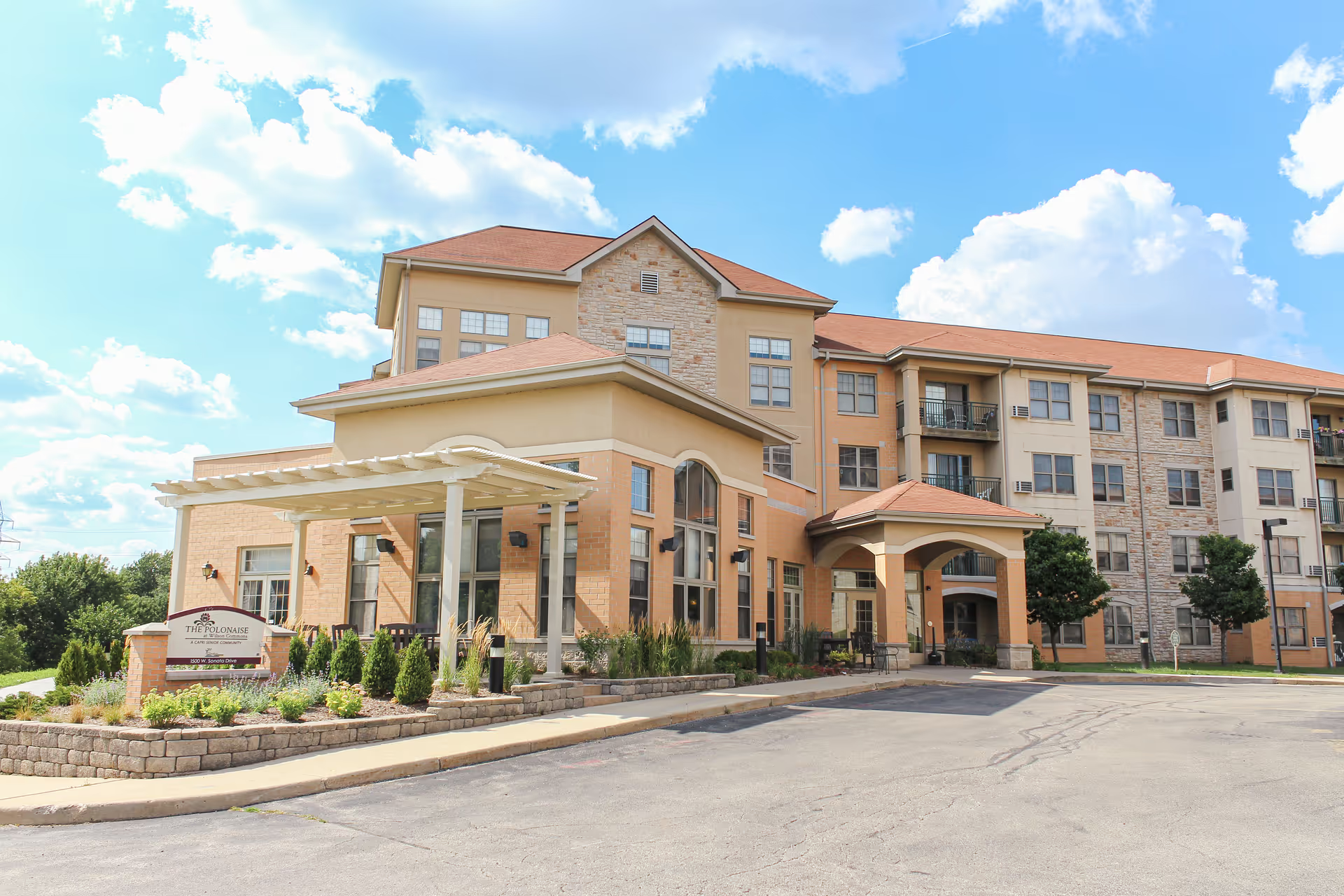
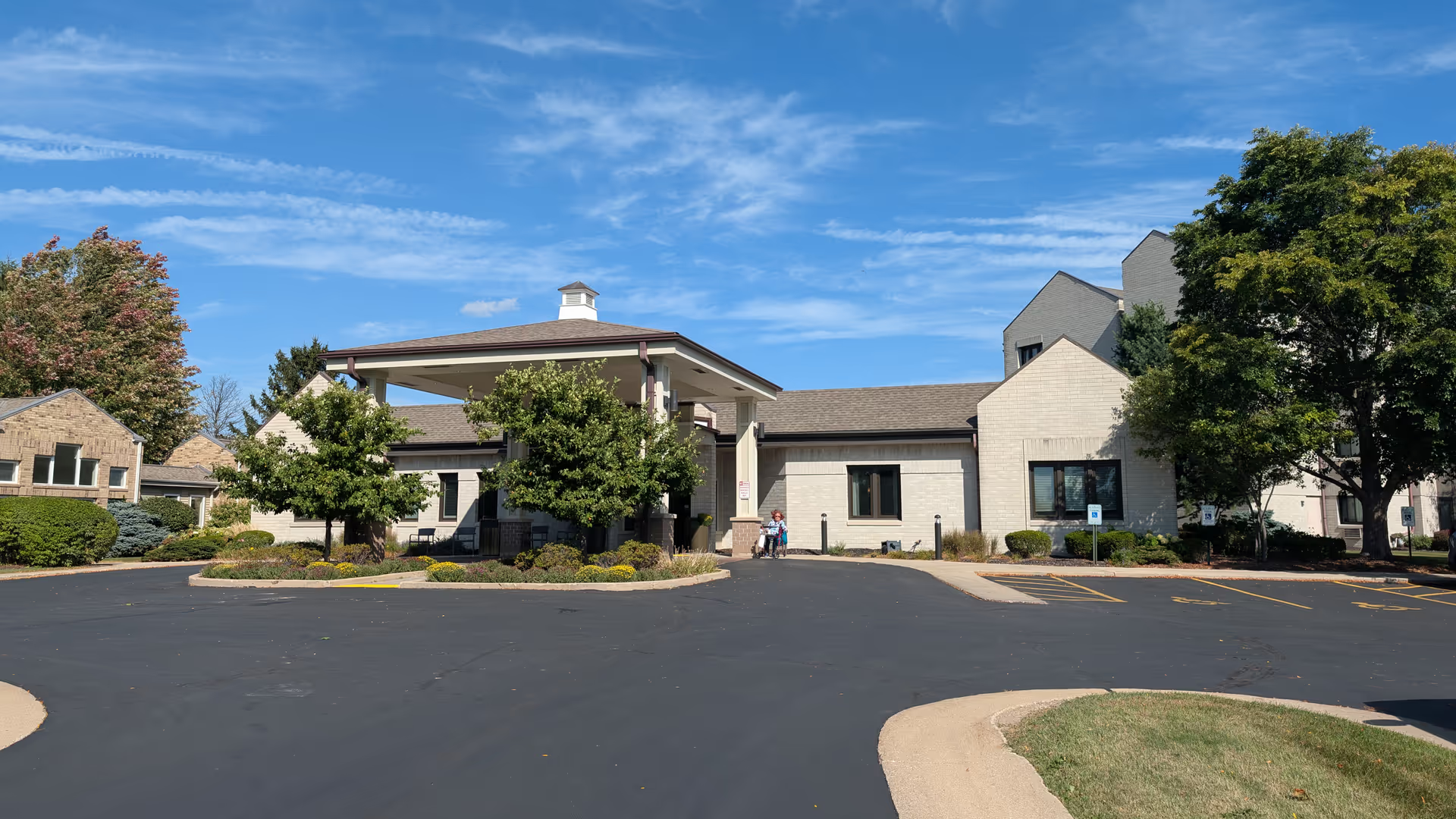
Facilities and cleanliness: The building and certain areas are described as attractive, with updated common spaces, private patios, and a chapel. Several families appreciated clean independent-living apartments and timely maintenance. At the same time, there are repeated sanitation concerns in some common areas and care units — including dust, carpeting wear, and odor concerns — and mentions of pest-control concerns. The facility’s two-floor layout and narrower hallways were identified as accessibility challenges for some residents and visitors.
Safety, property, and administrative practices: Multiple reviewers raised serious concerns about security of personal property and inventory controls, including missing items and money. There are also recurring complaints about insurance/financial communication, frequent social-worker turnover, and inconsistent administrative follow-through. A small number of reviewers described individual incidents severe enough to warrant escalation; these accounts underscore the importance of transparent incident-reporting and family notification protocols.
Notable patterns and guidance for families: The overall pattern is one of uneven execution—strong programs and caring individuals exist alongside operational and management weaknesses that affect safety, cleanliness, and consistency of care. Prospective residents and families may want to ask targeted questions during a tour: current staffing ratios by shift, protocols for medication administration and fall prevention, processes for handling missing property, frequency of bathing and incontinence care, housekeeping schedules and pest-control measures, and specific points of contact for incident reporting. Requesting recent state inspection reports and examples of corrective actions taken may also help clarify the facility’s current performance.
Conclusion: ARIA at Mitchell Manor offers notable strengths in rehabilitation, activities, and certain staff relationships, and the physical campus has appealing features. However, persistent concerns about staffing consistency, clinical oversight, medication handling, sanitation in some units, property security, and administrative communication indicate variability in resident experience. Families should conduct thorough on-site inquiries focused on the operational areas above to assess whether the facility can meet a particular resident’s clinical and safety needs.