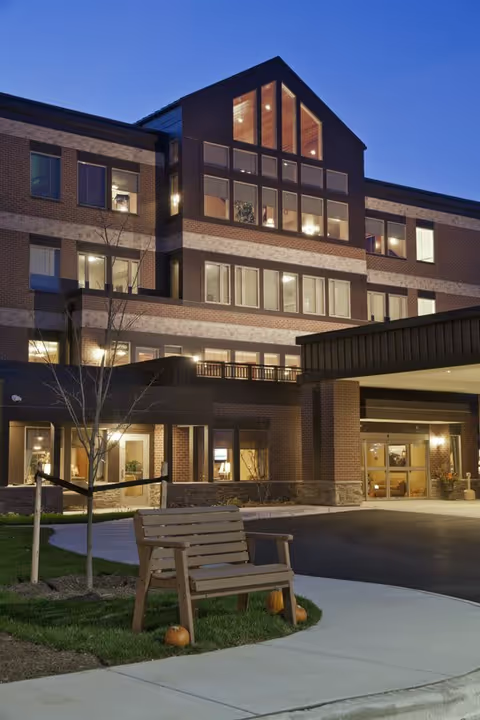
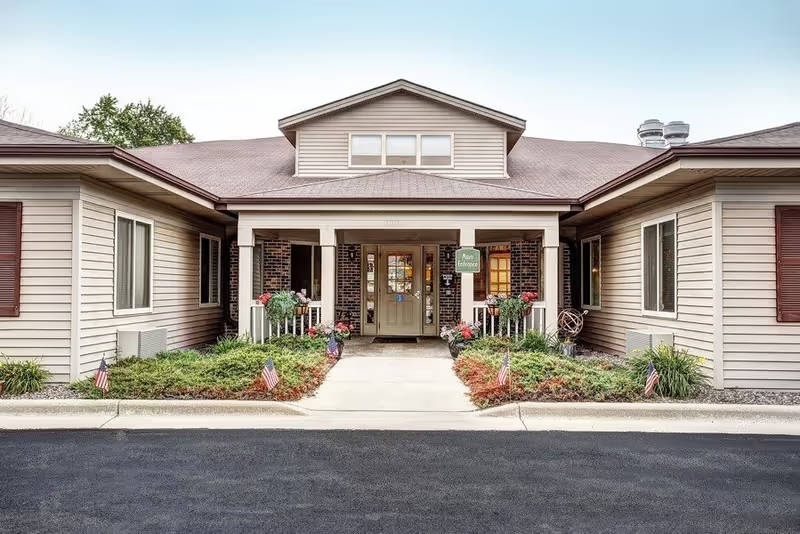
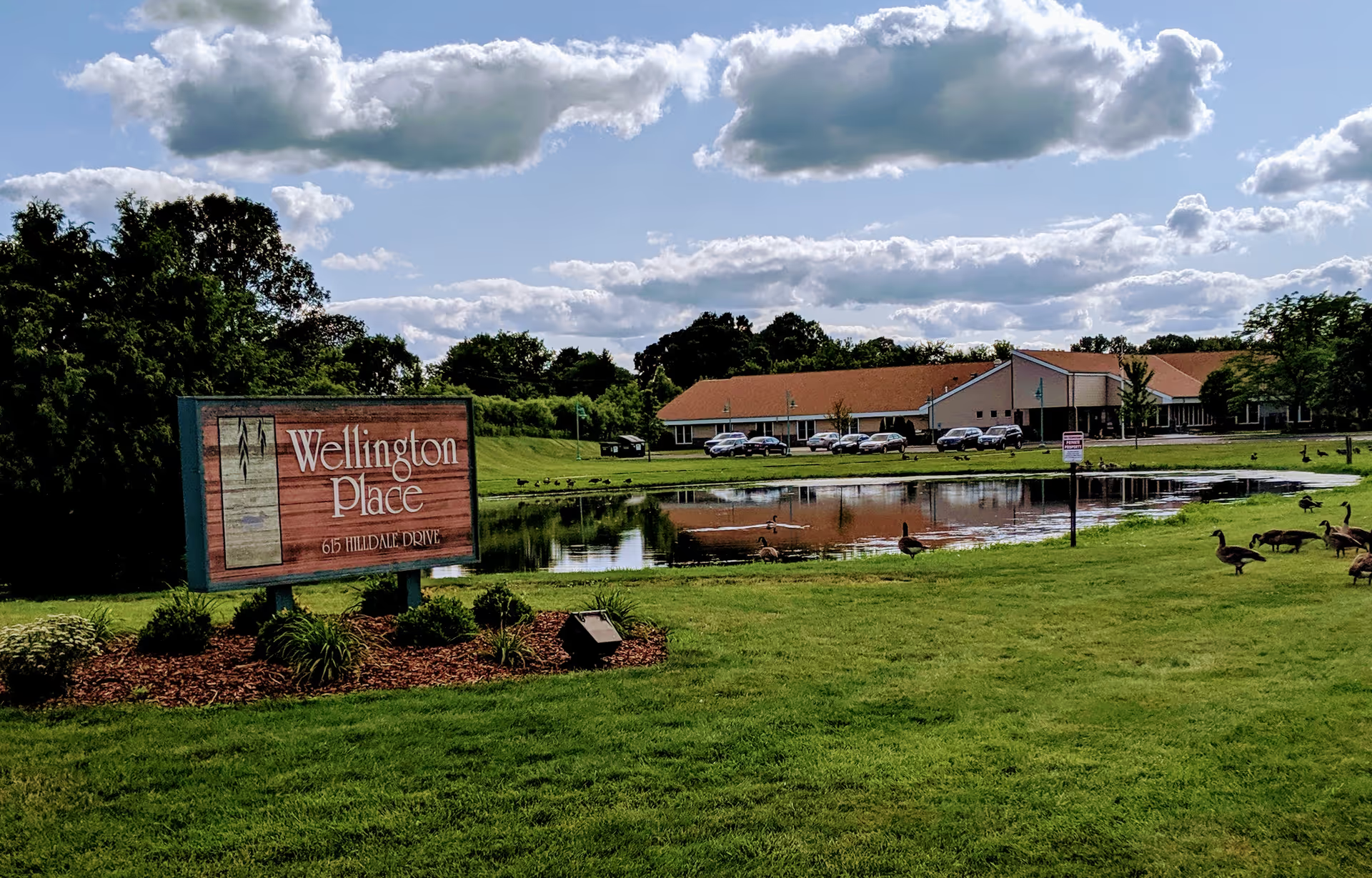
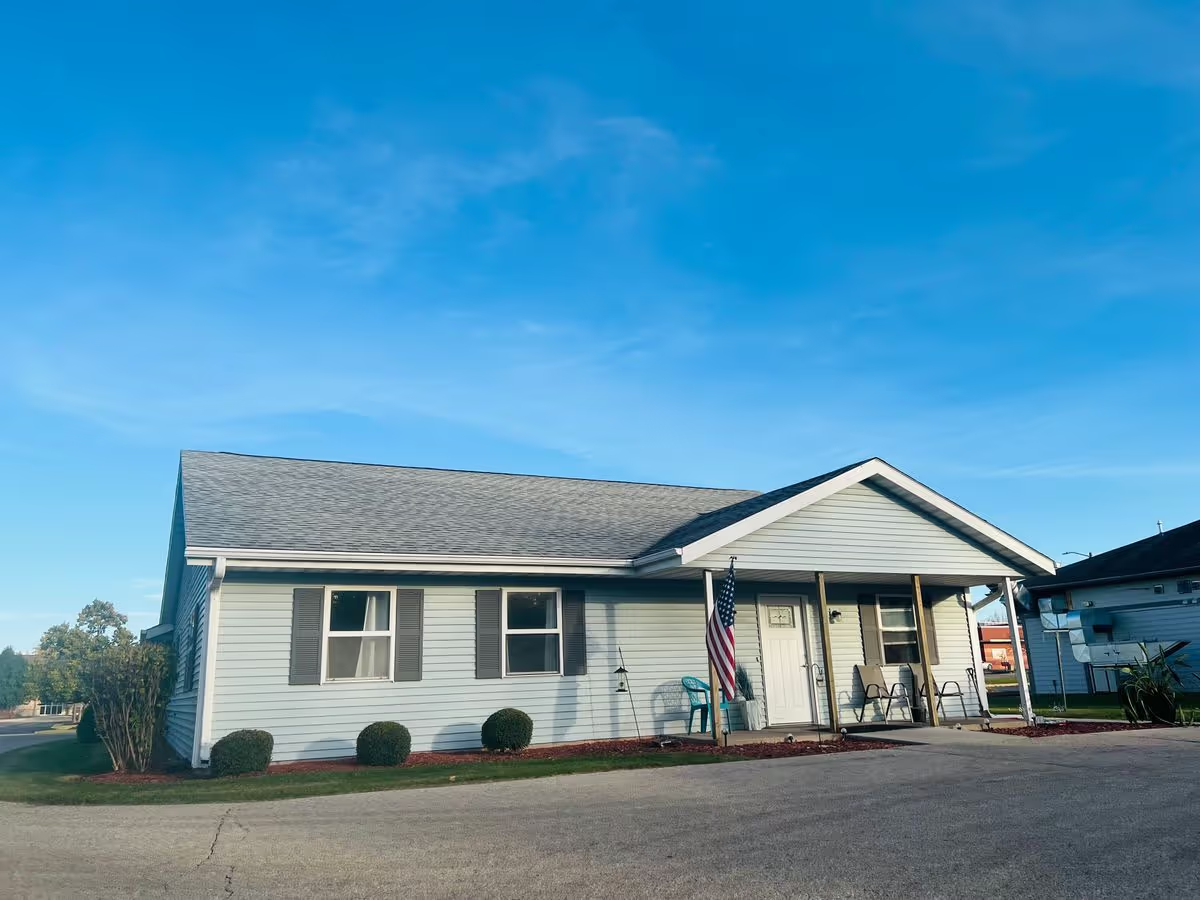
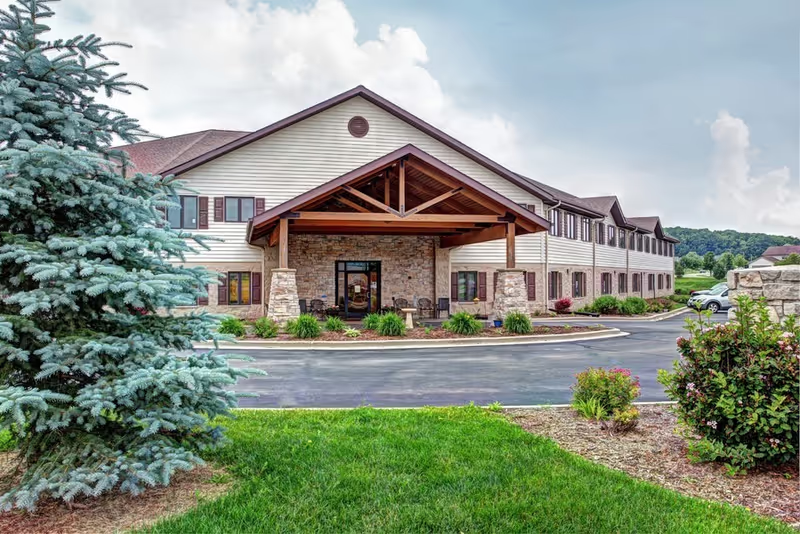
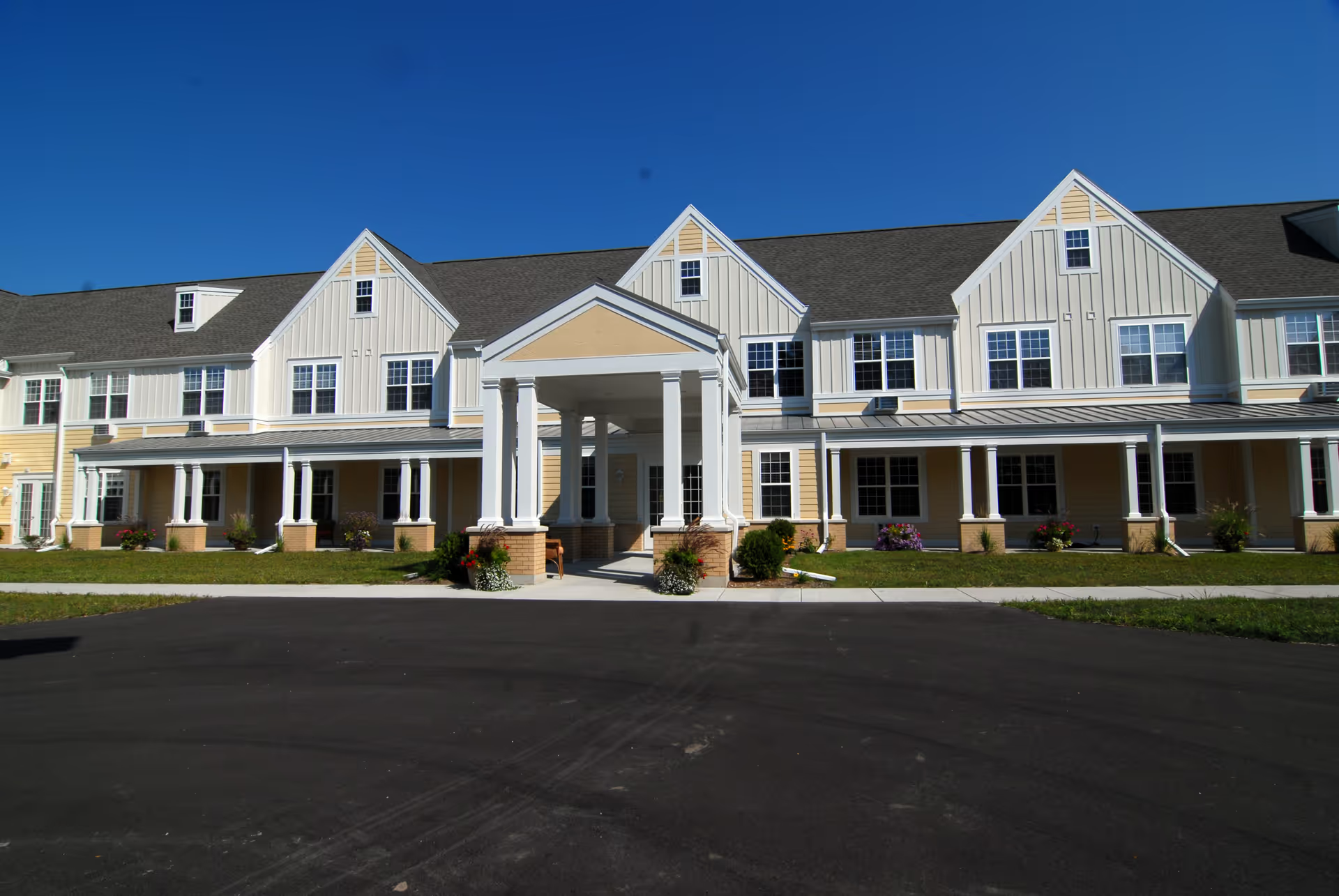
Reviews of Cedar Community – Cedar Lake Campus describe a campus with substantial clinical and lifestyle assets alongside recurring operational challenges. Strengths most consistently cited include robust sub-acute rehabilitation and therapy services, an on-site continuum of care (including hospice), 24-hour nursing coverage, and a generally clean, well-maintained environment. Many families and residents praise the direct-care staff and therapists for compassion and attentiveness, and reception and dining staff are frequently described as welcoming and helpful. The campus offers a broad range of amenities — salon, small store, chapel, vision center, indoor pool and fitness equipment, plus attractive outdoor spaces, walking trails, pond views, and multiple common areas — that support both independent living and therapeutic recovery.
Dining and activities are another positive area for many reviewers: meals are described as fresh, made-to-order, and customizable with flexible mealtimes, and programming includes exercise classes, gaming, quilting, book clubs, and religious services. Several reviews highlight proactive staff efforts to engage residents and promote participation. Rehabilitation experiences are often described as excellent and good value, and families note that care-plan reviews typically involve relatives and that staff can accommodate changing needs.
However, a clear and recurring concern across reviews is staffing and operational consistency. Multiple accounts indicate chronic understaffing and a high resident-to-staff ratio that contribute to slow responses to call bells, long waits for meals, and limited weekend coverage. Reviewers also cite inconsistent clinical coordination — for example, delayed medication timing or gaps in handoff communication — and occasional weaknesses in transfer-safety practices and other clinical processes. These issues are described as patterns rather than isolated administrative errors and appear to affect perceived quality of care for some residents.
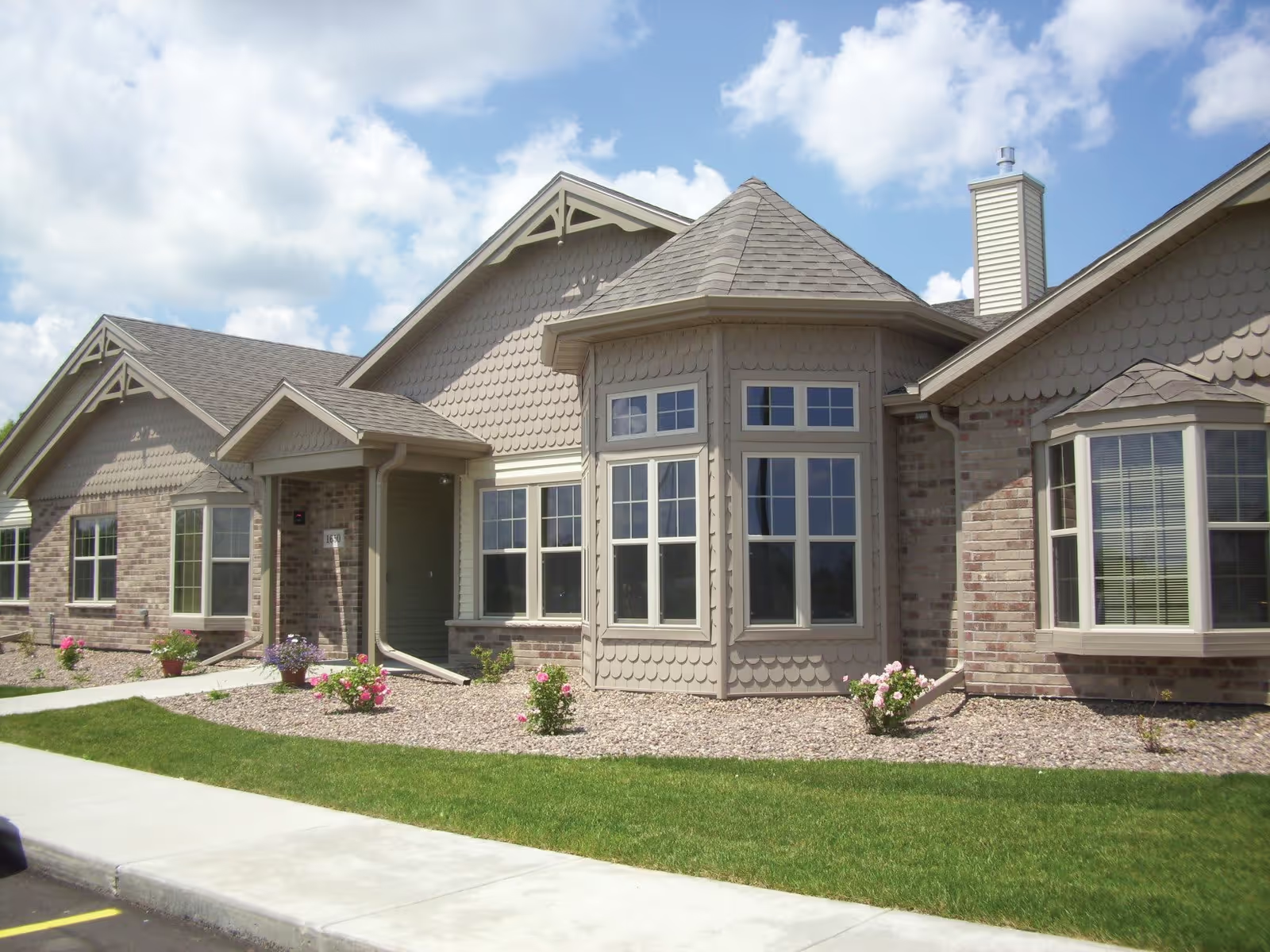
There is also variability in housing and cost expectations. Some residents report spacious, pleasant rooms and good value in independent living, while others note small apartment footprints (studio units with microwave-only kitchens and limited storage) and inconsistent room finishes for the same price. Assisted-living pricing is frequently described as high, and affordability is a concern for people reliant on limited income sources. The physical plant receives mixed feedback: the grounds and many communal spaces are praised, but parts of the facility are characterized as older and in need of updates. The campus scale also creates navigation challenges for some residents and visitors.
Management and communication patterns emerge as another mixed area. While leadership and some staff are described as engaged and resident-focused, several reviewers point to administrative coordination problems (transportation scheduling, activity consistency, and turnover) and irregular communication with families. These management-level issues often amplify the effects of staffing shortages and contribute to uneven experiences across the community.
For prospective residents and families: Cedar Lake Campus offers strong clinical rehabilitation services, extensive amenities, and a campus environment that many find supportive and pleasant. To assess fit, visitors should ask for current staffing ratios (including weekend/off-shift coverage), clarify what is included in different room rates and what finish-level variations exist, review medication-administration and response-time protocols, and confirm availability of specific activities and transportation services. A tour focused on the parts of the building under consideration, plus conversations with therapy staff and recent family references, can help identify whether the community’s strengths align with a prospective resident’s priorities.