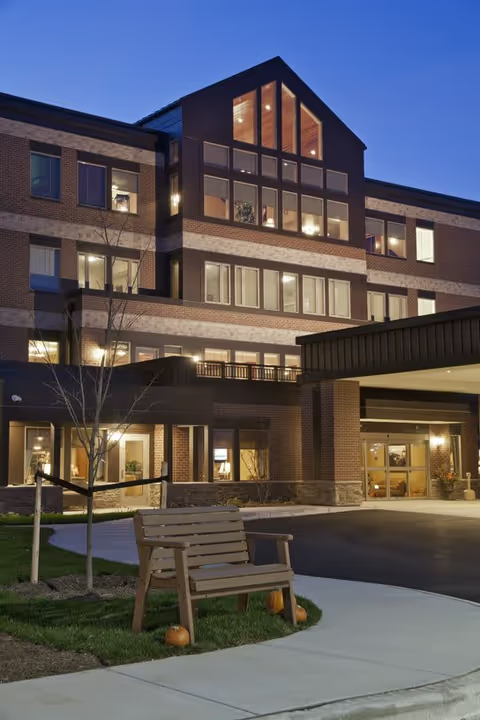
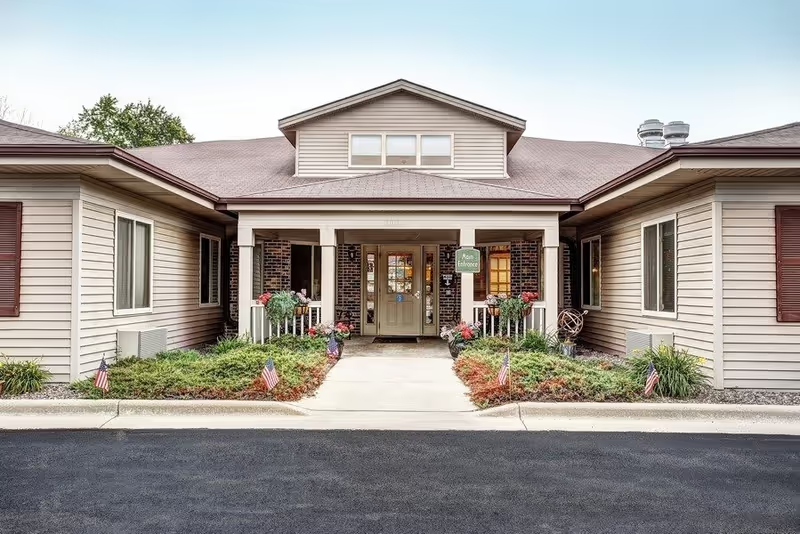
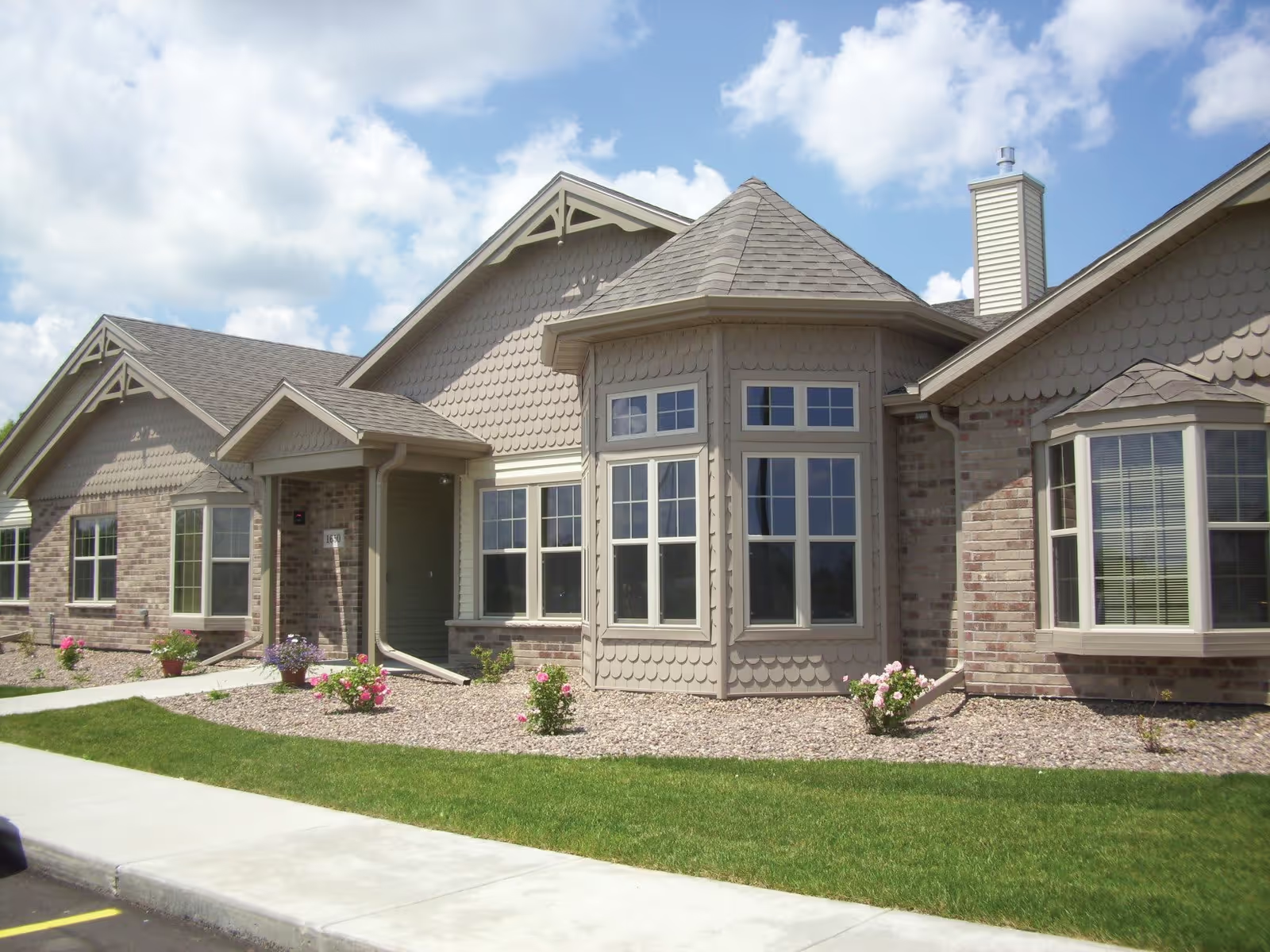
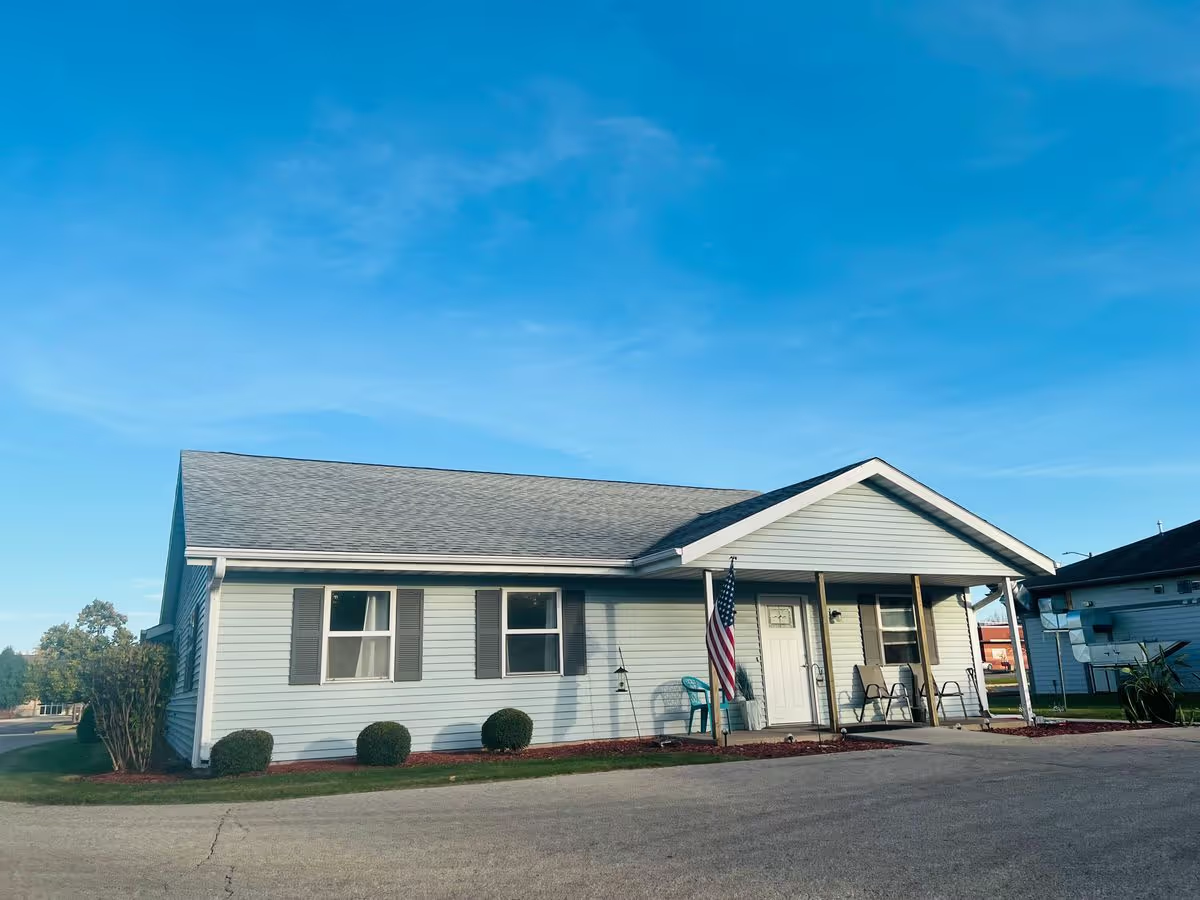
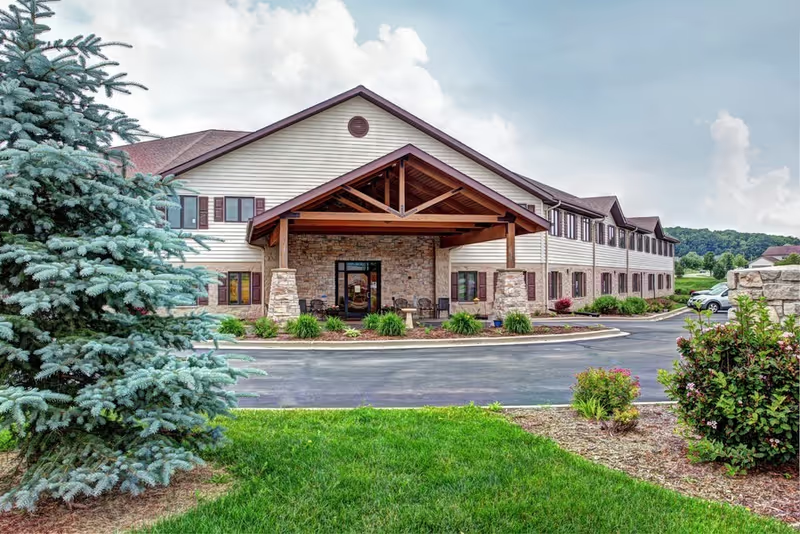
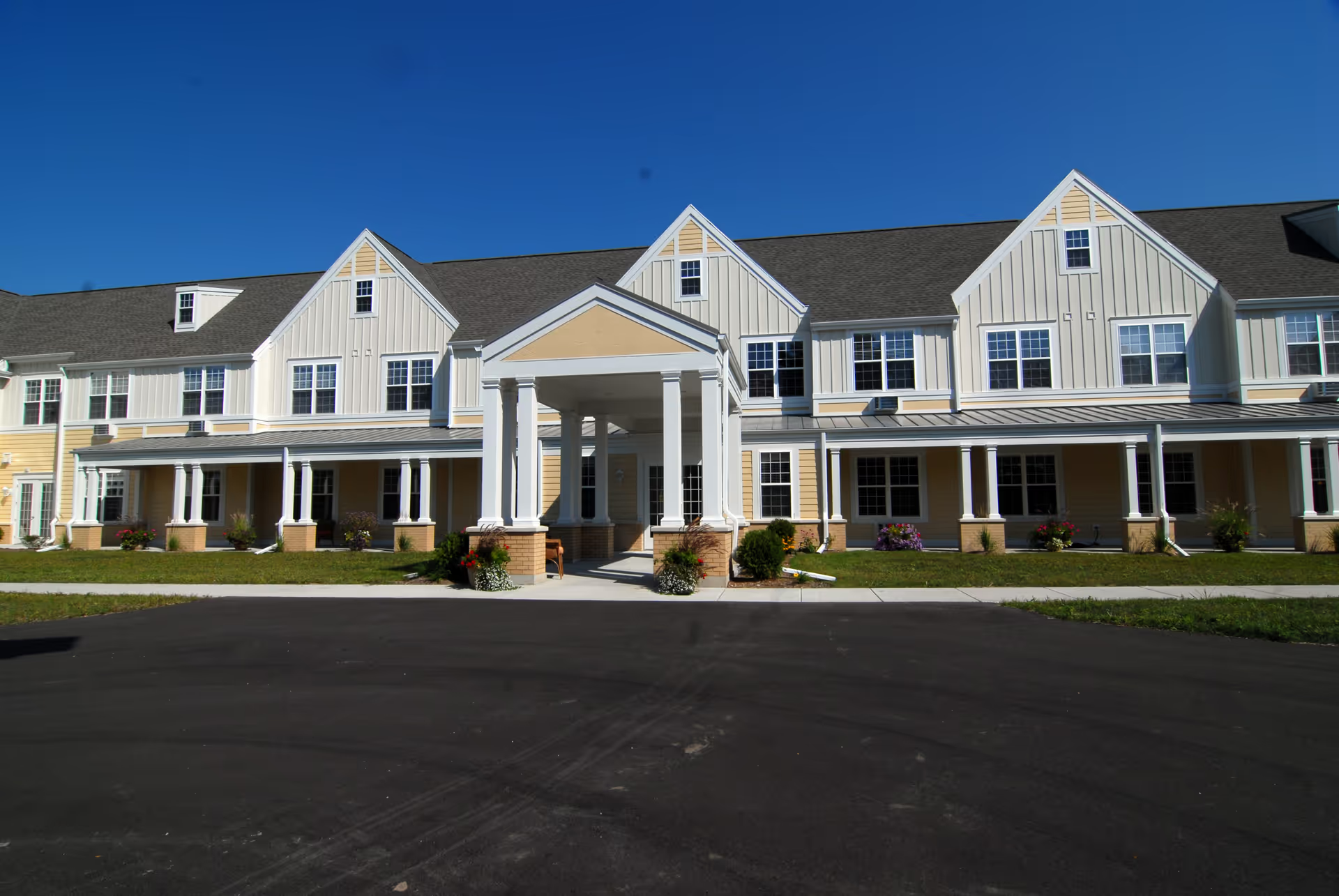
Cedar Community — Cedar Ridge Campus presents as a well-appointed, amenity-rich retirement campus with a strong emphasis on social programming and active living. The campus offers an unusually broad array of activities (card games, book clubs, support groups, musical ensembles, guest-speaker coffee hours and monthly entertainment), and many residents and visitors describe a lively, community-oriented atmosphere. The physical campus is a frequent highlight: renovated units with higher-end finishes, indoor pool and fitness center, hobby and workshop spaces (woodshop, model-railroad shop, crafts), a restaurant and market café, underground parking, and direct access to nearby parks and trail systems. Housekeeping and on-site conveniences add to the appeal for independent-living residents seeking a low-maintenance, activity-focused lifestyle.
Care and staffing present a mixed picture. Staff are commonly described as friendly, long-tenured, and invested in the community culture, which contributes to a strong sense of continuity and belonging for many residents. At the same time, a number of reviewer accounts indicate operational gaps in higher-acuity settings: inconsistent care practices in assisted- and skilled-care units, variability in personal-care and bathing schedules, and episodes of slow response times. These patterns suggest staffing levels or deployment do not always match resident needs in higher-dependency areas. Families considering higher levels of care should ask about current staffing ratios, response-time metrics, and supervision/oversight in clinical units.
Dining and hospitality are also mixed. The on-site Top of the Ridge restaurant and Market Café are frequently cited as campus strengths — attractive dining venues that are open to the public and used as social hubs. Many reviewers praise the food and social dining experience, while other accounts point to inconsistent meal quality or unappealing offerings at times. Prospective residents should sample meals during a visit and discuss dining menus, meal plans, and accommodations for dietary needs.
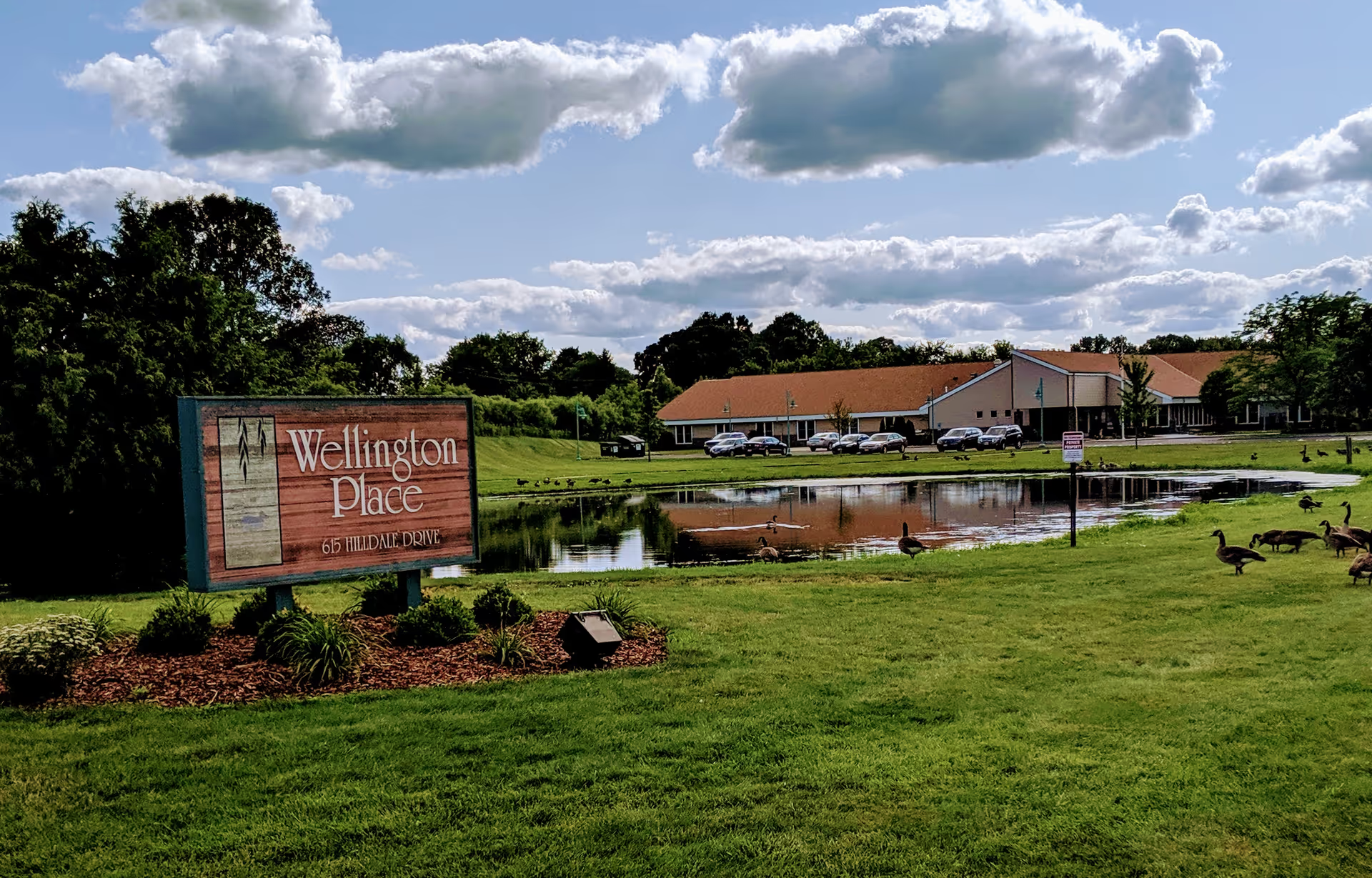
Facility condition and operations: the campus contains both newly built/renovated residences and older building stock, so unit condition can vary. Grounds, gardens, and outdoor access are consistently described positively, but interior conditions and finish level vary by building. Practical considerations raised by reviewers include premium pricing relative to alternatives, occasional odor or sanitation concerns in specific areas, limited or restrictive pet accommodations, and some administrative responsiveness issues (for example, refunds or financial matters). These operational traits point to the importance of confirming contract terms, pet policies, and administrative procedures before moving.
Overall recommendation: Cedar Ridge is well suited to independent-living residents seeking active programming, robust amenities, and a nature-oriented campus. The community’s long history, breadth of activities, and many facility strengths make it attractive for people prioritizing social engagement and convenience. However, families evaluating assisted-living or skilled nursing placement should perform focused due diligence on the campus’s higher-acuity clinical operations—asking for current staffing levels, care protocols, bathing and personal-care schedules, sanitation processes, and recent quality metrics. Additionally, prospective residents should confirm financial terms and pet policies to ensure the campus aligns with their budget and lifestyle needs.