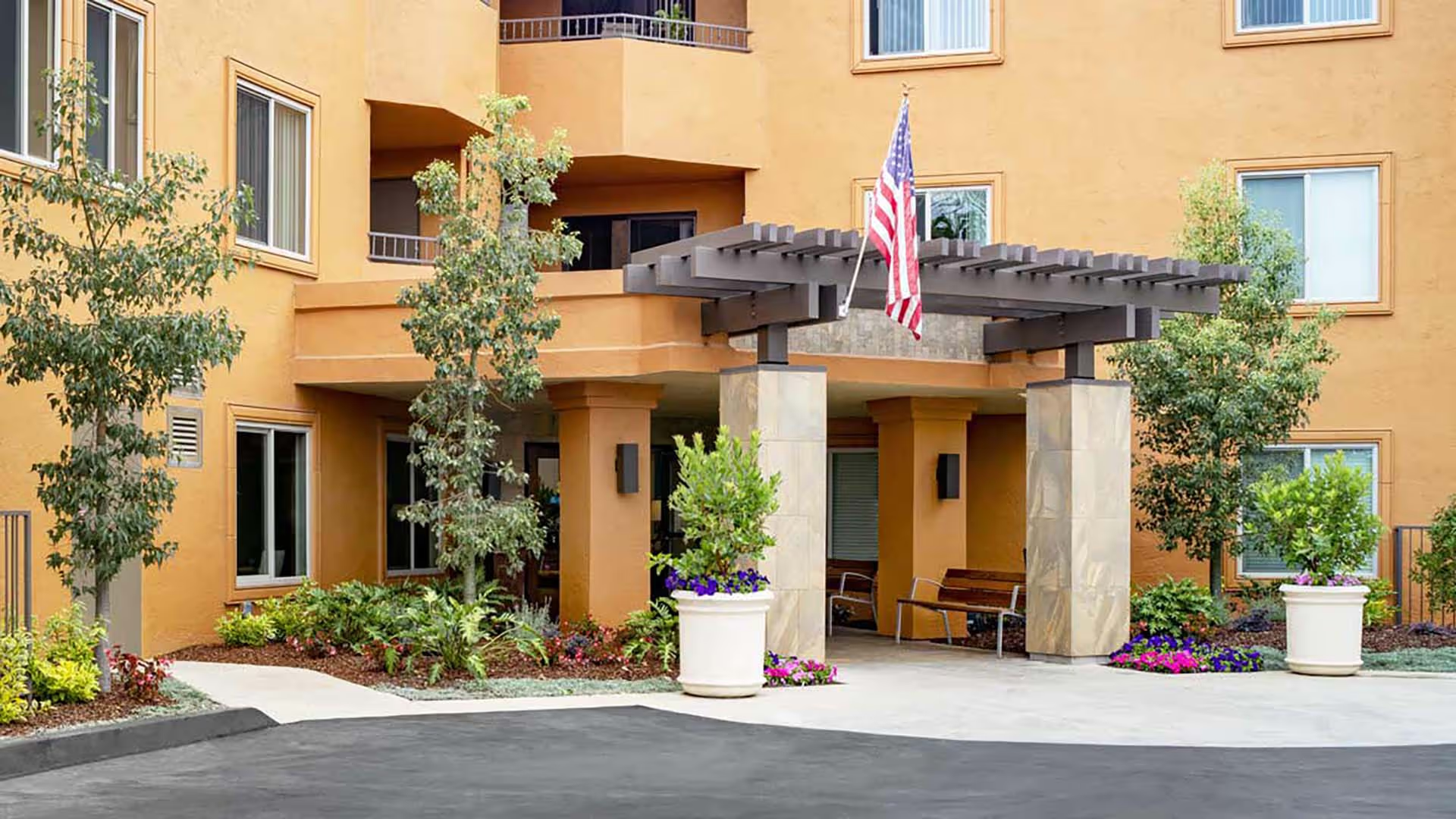
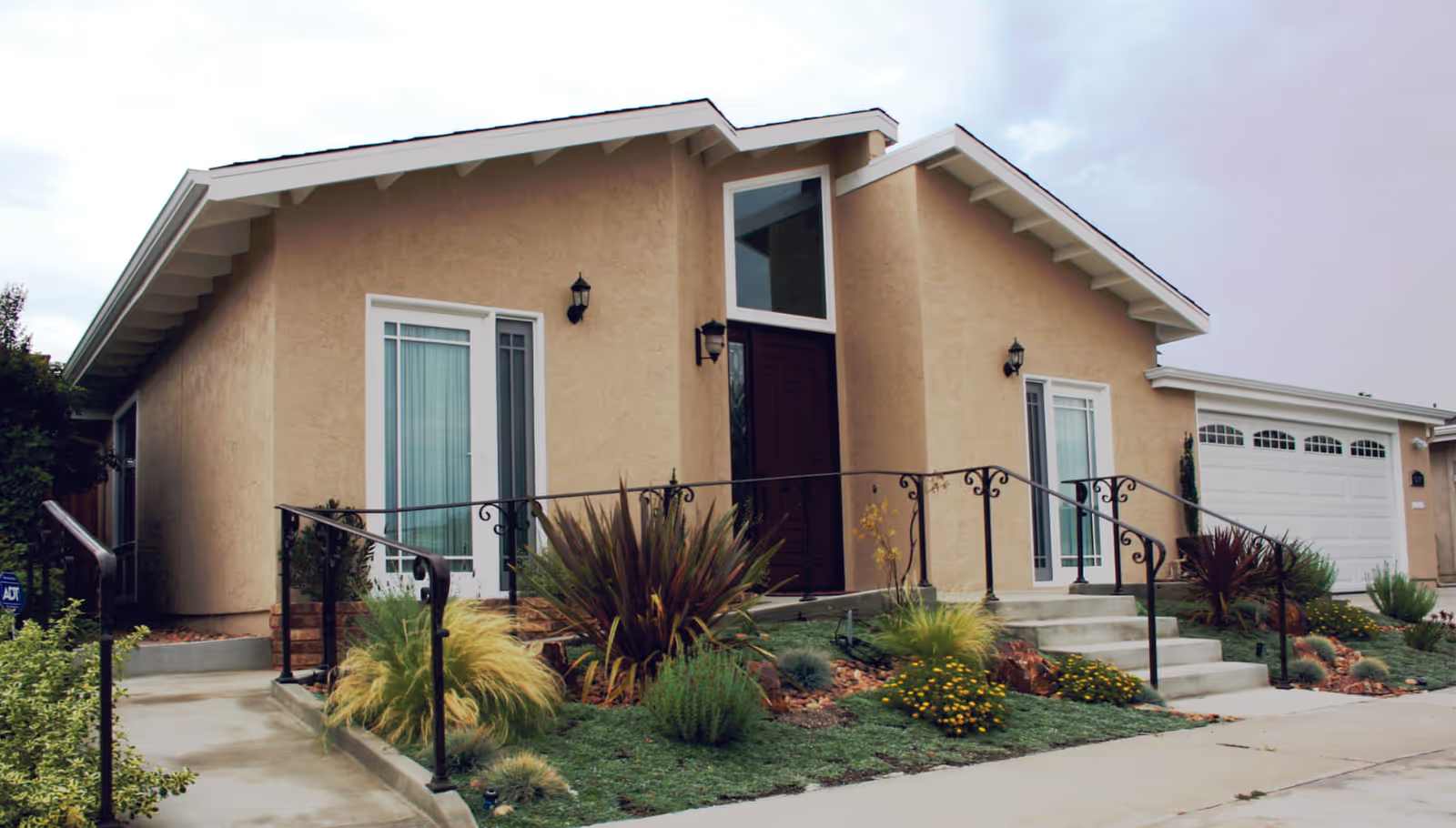
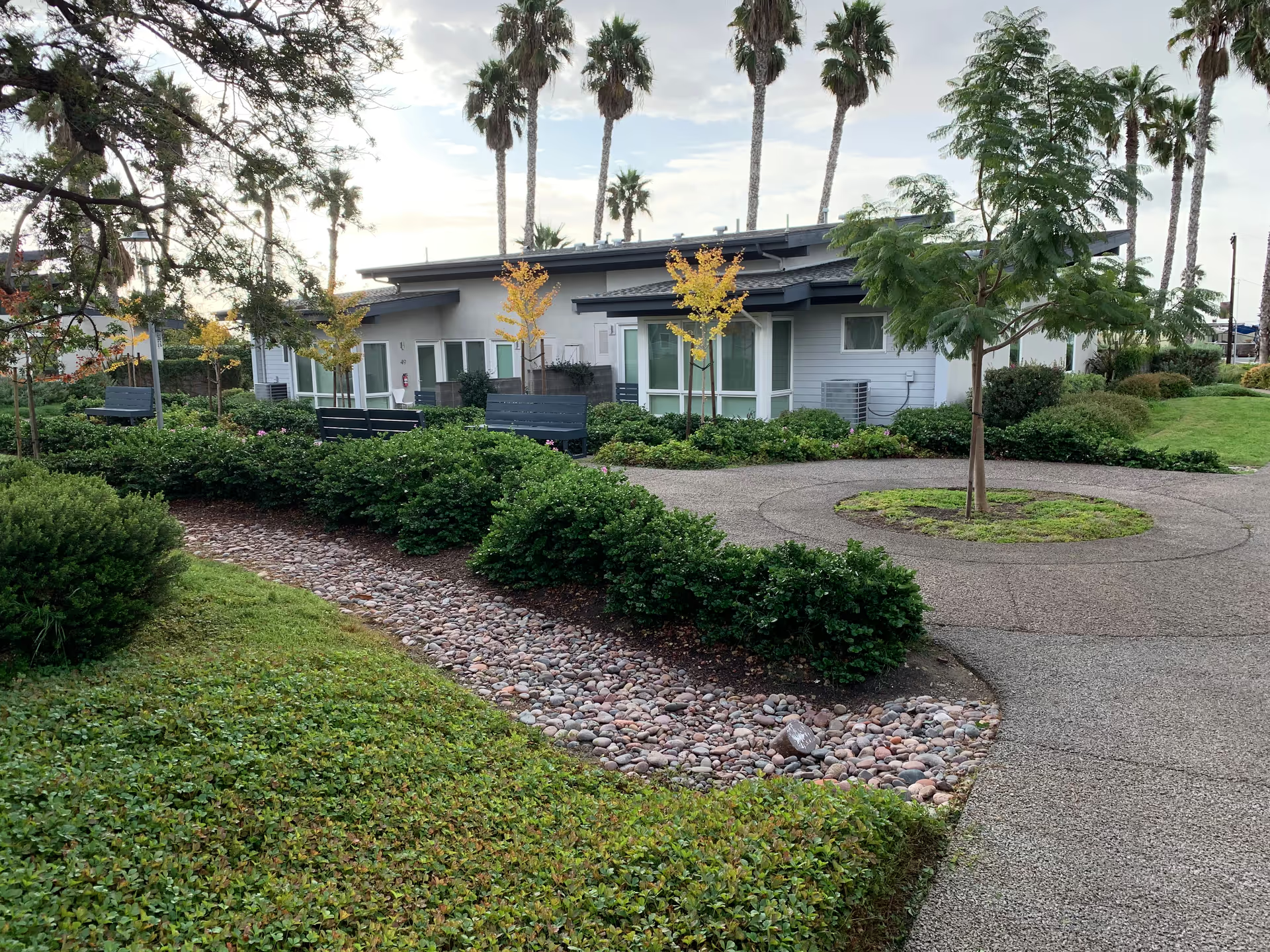
Overall sentiment across the reviews is mixed but leans positive about the physical environment and staff demeanor, while raising clear concerns about the level and scope of care and programming. Reviewers consistently praise the cleanliness of the facility, the spaciousness and safety of rooms, and the availability of walking trails and outdoor space. On-site dining is noted as a strength: food quality is described as good and the facility provides meal delivery, which is valued by residents and families. The community services are referred to as strong in general, and several reviewers explicitly characterize staff as kind and nice.
When it comes to care quality and staffing, the feedback is more nuanced. While staff are described as kind, at least one reviewer felt the staff did not spend enough time assisting a resident with walking, indicating that hands-on support for mobility may be limited or inconsistent. Multiple summaries mention the option to hire private caregivers and that many residents do so, which suggests that the facility either permits or encourages supplementing facility care with external help. That pattern — residents frequently hiring outside caregivers — points to gaps between the facility's baseline services and some residents' needs. Reviewers also raise the financial implication of this approach: out-of-pocket caregiving costs and an overall perception that the community is expensive are recurring concerns.
Activity programming and time outdoors are another clear area of weakness in the reviews. Several comments specifically call out a lack of activities and a desire for more outdoor time despite the presence of walking trails. That contrast — good outdoor infrastructure but limited structured opportunities to use it — suggests programming and staff time toward engagement may be insufficient. This ties back to the staffing/care observations: if staff are stretched thin supporting essential care tasks, less time may be available for activities and escorted outdoor visits.
A few reviewers noted that the facility was not a good fit for their loved one and would prefer a larger community. This indicates a perception that the facility may be smaller or offer a different scale of services than some families want. Combined with the reports of frequent use of private caregivers, the picture suggests University City Village may be best suited for residents who are fairly independent or who can afford and arrange supplemental care. For families seeking more comprehensive in-house assistance, more robust activity programming, or lower out-of-pocket costs, the community may feel limited.
In summary, the facility earns praise for cleanliness, safety, pleasant and spacious living spaces, good dining options, and kind staff. However, consistent themes of concern are limited activities, unmet needs around mobility assistance, an observable reliance on external caregivers (with associated extra costs), and a perception of high expense. Prospective residents and families should weigh the strong environmental and interpersonal aspects against the potential need for supplemental caregiving and the possibility that the community’s programming and direct care levels may not meet higher-dependency needs. If mobility support, robust activity schedules, or an all-inclusive care model are priorities, families should ask specific questions about staffing levels, what baseline care is included, sample activity calendars, and typical resident care profiles before deciding.